Karachi food itinerary: bun kebab, biryani, seafood, and chai
A Karachi eating map organised by bun kebab logic, biryani timing, seafood caution, and chai dialects across a spread-out city.
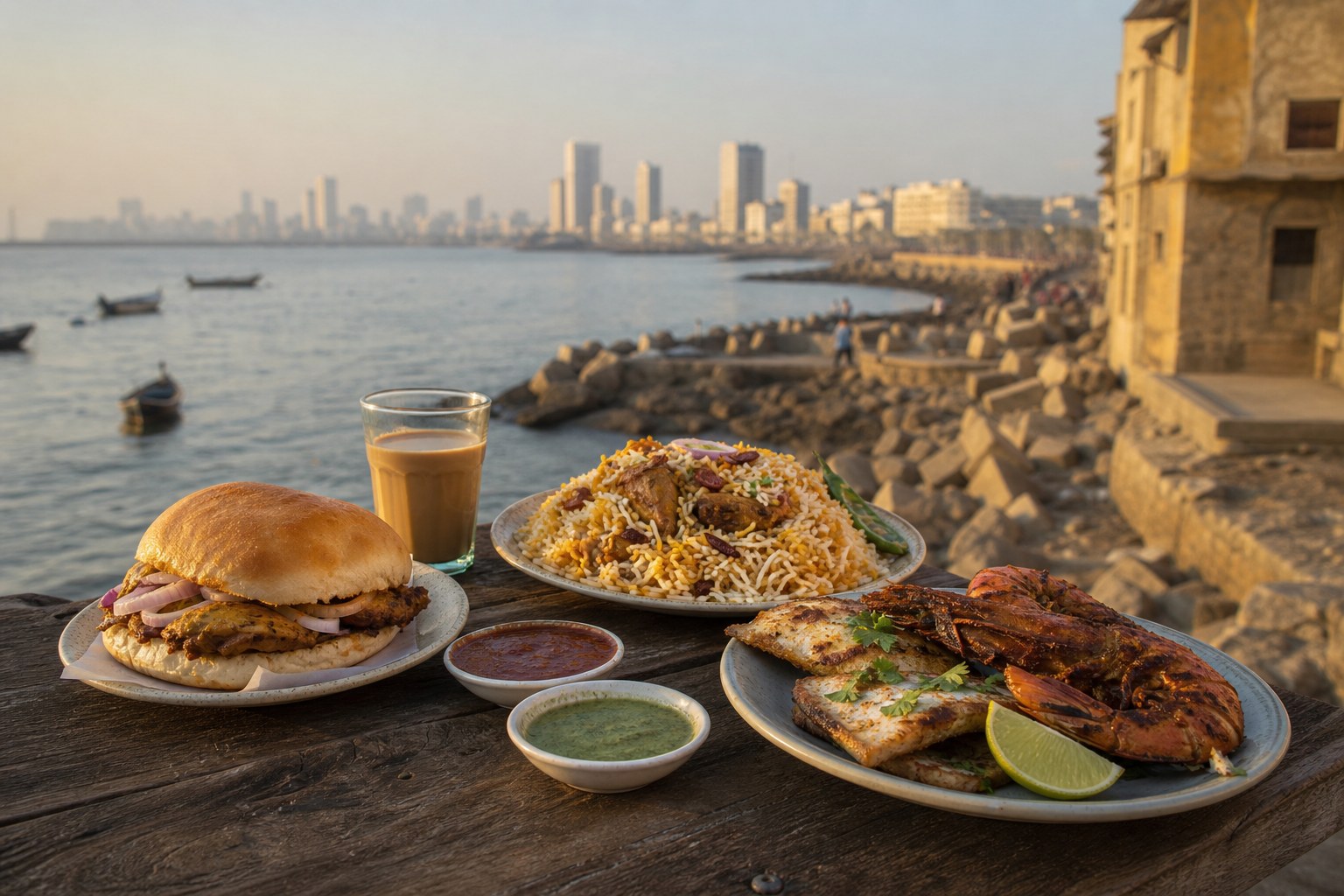
Karachi does not behave like a compact old-city food crawl. Distances are real, traffic is a planning variable, and neighbourhood loyalties around bun kebabs or biryani can be absolute. A useful itinerary therefore chooses a few food jobs—handheld heat, rice spectacle, seafood, and chai—and assigns them to parts of day and city rather than promising a single street that contains the whole metropolis.
Understand the city's scale before hunger writes the route
Between breakfast in one district and dinner in another, Karachi can consume an hour that a map application underestimates at rush periods. Cluster the day. If bun kebabs are a late-breakfast or snack plan, do not also schedule a distant seafood dinner and a third neighbourhood's biryani because you are in the car anyway. Pick a north-south or coastal-inland line for the day and stay roughly on it.
Ask a local host which areas are practical for your base. Visitor lore often compresses famous dessert belts, boat-basin moods, residential BBQ areas, and informal kebab stalls into one fantasy. Residents navigate by neighbourhood habit and timing. Borrow that habit. A food day that fights geography becomes a traffic essay with occasional plates.
Fuel, toilets, and prayer stops belong on the same mental map as restaurants. Karachi rewards travellers who treat logistics as part of appetite rather than as an interruption of appetite.
Bun kebab: the handheld argument
A Karachi bun kebab is a mashed or minced patty—often shami-like in spirit—tucked into a soft bun with chutneys, onion, and sometimes egg. It is street-fast food with opinions. Heat should taste cooked through; chutney should wake the bun without dissolving it into paste; the bun itself should still have structure after the first bite.
Eat bun kebabs when you are hungry enough to stand and focussed enough to notice texture. They are a poor third snack after biryani. Share if the patties are large. Vegetarian versions exist in some stalls; confirm ingredients if that matters. Watch the cook's oil: busy, hot oil that turns over product is more reassuring than a lonely tray.
Carry napkins, stand where you are not blocking traffic, and treat the experience as a neighbourhood stop rather than a trophy. The best bun kebab for a resident is often the one near home, not the one with the most online photos. Pay promptly, thank the cook, and move on before the next craving invents a second stop that ruins lunch.
Biryani: timing and portion discipline
Karachi biryani culture is competitive and specific. Potato presence, heat level, colour, and whether the meat was cooked with the rice or alongside it all become identity markers. For a visitor, the practical rules are simpler: eat biryani as a main meal, not as a side dish between two other mains; share a portion if the box is designed for more than one; and do not chase a second famous biryani the same afternoon to settle an argument.
Lunch is often the kinder biryani slot in heat. Night biryani is common too, but stacking it after heavy barbecue asks a lot of sleep. If spice tolerance varies across the table, ask how hot the house default runs and order raita or salad as ballast. Leftover rice should be cooled and refrigerated promptly if it will be kept; travel stomachs are unforgiving about rice left warm for hours.
Biryani arguments are part of Karachi's social sport. Enjoy the debate without letting it force a third heavy meal. Taste carefully, notice grain separation and spice bloom, and accept that loyalty to a shop can be inherited rather than objective.
| Food job | Best placed when | What to watch |
|---|---|---|
| Bun kebab | Late breakfast or standalone snack | Hot oil, firm bun, cooked patty |
| Biryani | Main lunch or early dinner | Portion size; avoid double mains |
| Seafood | One focussed meal near trusted kitchen | Freshness, thorough cooking, cold chain |
| Chai | Bridge between meals or evening close | Sugar level; not a fourth feast |
Seafood: one careful meal, not a dare
Karachi's coastline feeds a real seafood habit: fried fish, grilled catches, prawns, and richer curries depending on the kitchen. For travellers, seafood is where enthusiasm must meet caution. Choose a busy specialist or a trusted family recommendation. Prefer fish cooked through. Be wary of strong ammonia smells, mushy flesh, or places where cooked and raw handling look careless.
Public food-safety agencies outside Pakistan remind consumers that seafood quality depends on cold chain and thorough cooking; those principles travel even when local enforcement systems differ. If you have shellfish allergies, ask direct ingredient questions and do not rely on guesswork in mixed fryers. Children and pregnant travellers may need stricter caution; that is a clinical conversation, not a foodie one.
Pair seafood with lemon, simple salad, and restraint on additional fried sides. The ocean does not obligate you to order every creature on the menu in one sitting. A single excellent fried fish can be a more honest Karachi memory than a mixed platter ordered for spectacle.
Chai dialects across the day
Karachi chai ranges from tapri glasses that arrive fast and strong to cafe pots that taste polite. Say what you want: less sugar, more milk, stronger brew. Cutting chai and doodh patti are not the same drink. Use chai as a bridge after bun kebabs or as a late pause after seafood, not as a sugar flood after biryani unless that is a conscious dessert choice.
Evening tea with friends can be the city's softest social form—conversation without the performance pressure of a giant restaurant bill. If someone orders snacks with chai, share them. Karachi hospitality expands food volume quickly. Protect the option to refuse politely.
A realistic one-day skeleton
- Late breakfast bun kebab near your base neighbourhood.
- Travel once toward a biryani lunch; rest afterward.
- Keep mid-afternoon free or limited to chai.
- Seafood dinner in one planned place, not a multi-stop crawl.
- Optional final chai; refuse a second biryani for comparison.
If you have two days, split biryani and seafood across them and add a barbecue or haleem stop only when appetite is genuinely open. Dessert and seekh circuits can fill an evening if the group has not already eaten heavily; they are a poor appendix to an already triumphant lunch.
Heat, water, and respect
Karachi humidity makes heavy meals feel heavier. Schedule indoor recovery after lunch. Drink water between iconic dishes. Dress for sitting in informal stalls without treating staff as props for photographs. Ask before photographing cooks or other customers. Pay cleanly, tip where service warrants it, and leave when full.
During Ramadan, daytime street eating patterns change and iftar rushes concentrate demand. During monsoon, traffic and drainage can erase a tightly timed multi-stop plan. Rebuild the day around one or two anchors. The city's food identity is abundance under pressure—heat, traffic, appetite, opinion. A good itinerary lowers the pressure enough for taste to remain audible.
Do not optimise for collecting the maximum number of Karachi famous names. Optimise for one excellent bun kebab experience, one biryani that still tastes distinct at the last spoonful, one seafood meal you trust, and chai that fits the hour. That is enough for a city that already cooks more than any visitor can finish.
Neighbourhood loyalty without becoming a hostage
Karachi hosts often have non-negotiable shops. Honour one loyalty meal, then keep agency over the rest of the day. You can admire a family's bun-kebab allegiance without eating a second one to prove sincerity. Translate enthusiasm into questions: what should be crispy, how wet the chutney should be, whether the patty should carry egg.
If traffic makes the loyal shop unreachable, accept a substitute rather than burning an hour of child patience to defend a brand. The city contains plural excellences. A calm meal in the right hour beats a famous meal in the wrong one.
Carry oral rehydration, basic pain relief you already use at home, and any allergy medicines. Karachi heat plus oil plus spice can flatten travellers who forget water. This is ordinary travel care, not drama. End the food day while you can still laugh about it.
Ride-hail pins and saved WhatsApp locations reduce the friction of finding a stall whose signage is modest. Confirm open hours during Ramadan and on Mondays when some kitchens rest. Karachi's food map is alive; yesterday's certainty can close overnight.
Refuse guilt when you skip a legendary dessert after seafood. Sugar is not obligatory citizenship. The coast and the grill will still be there on a hungrier evening.
If a companion falls ill, stop the itinerary. Rehydration and rest outrank any bun kebab claim. The city is not a contest.
Money discipline on this route means small notes for toilets and tea, a card for hotels where accepted, and a clear rule about who pays for group meals so resentment does not accumulate beside the scenery.
Health discipline means regular water, shade breaks, and an agreement that headache, vomiting, or unusual sleepiness stops ambition while someone seeks local clinical advice rather than a group-chat diagnosis.
Family discipline means one primary ambition per day, a named abort option, and permission for children or elders to refuse a stop without a lecture about ticket cost.
Driver discipline means daylight arrivals, no pressure after rockfall or fog reports, and a pre-agreed turnaround time written in a note both sides can see.
Sources and official profiles
Was this helpful?
Keep reading
Related stories
More from this desk, this beat, and the tags on this piece.
Landing in Lahore after midnight: an arrival plan for tired families
Mehreen Ali · 25 Oct 2026
Readers
The conversation
0 notes
Anyone can leave a note. Guests add a name and email — no account required, and the email is never published.
No notes yet. Yours would be the first.