Finding Pakistani Sunday schools in US suburbs
How suburban Pakistani parents locate and verify Urdu-friendly or masjid weekend programmes in the US, and which safeguarding questions belong in the first conversation, without an invented school directory.
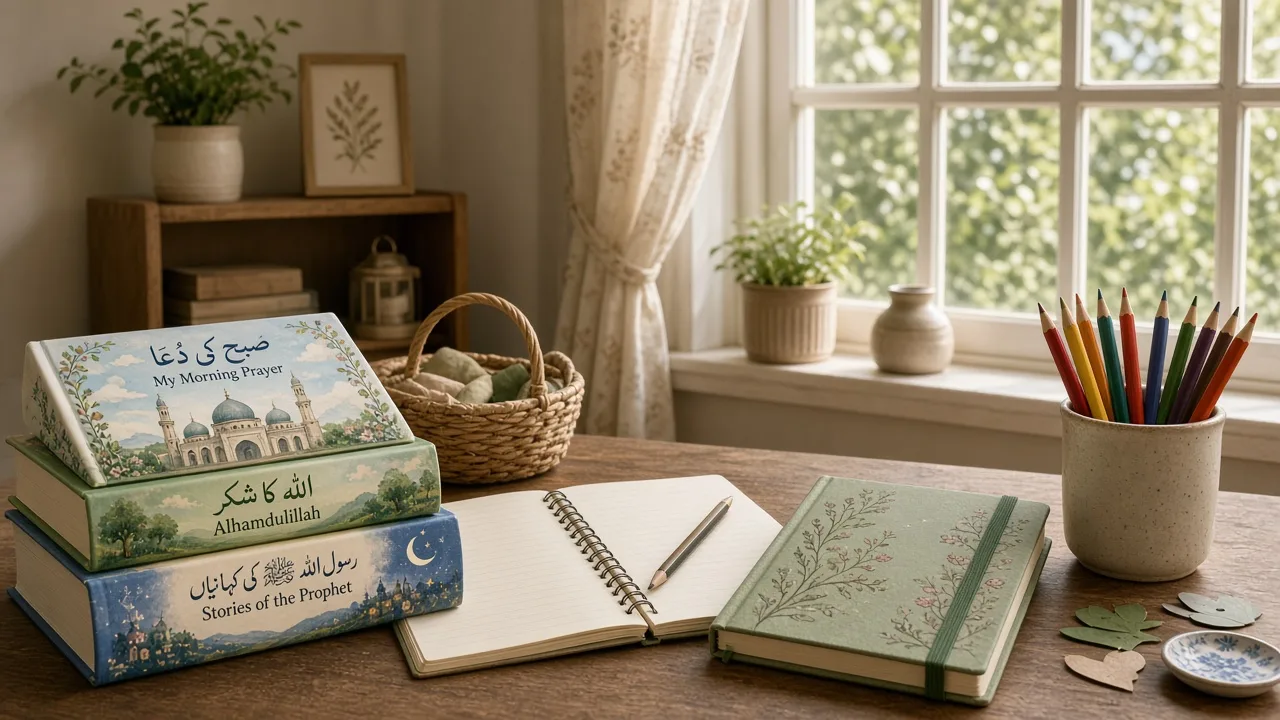
Suburban Pakistani parents often hear about a Sunday school the same way they hear about a good dentist: a forwarded address, a WhatsApp voice note, or “everyone goes there.” Useful entry is quieter. It means finding Urdu, Qur’an, or cultural programmes that still exist, confirming that the invitation belongs to the institution it claims, and asking safeguarding questions before you leave a child in someone else’s care.
PakStyles will not invent school names, rankings, or “best in your ZIP” lists that we cannot verify. Programmes rebrand, move from a masjid basement to a rented school wing, split after a committee change, or pause for the summer without updating last year’s flyer. Treat every tip below as a way to verify locally.

What “Pakistani Sunday school” usually means here
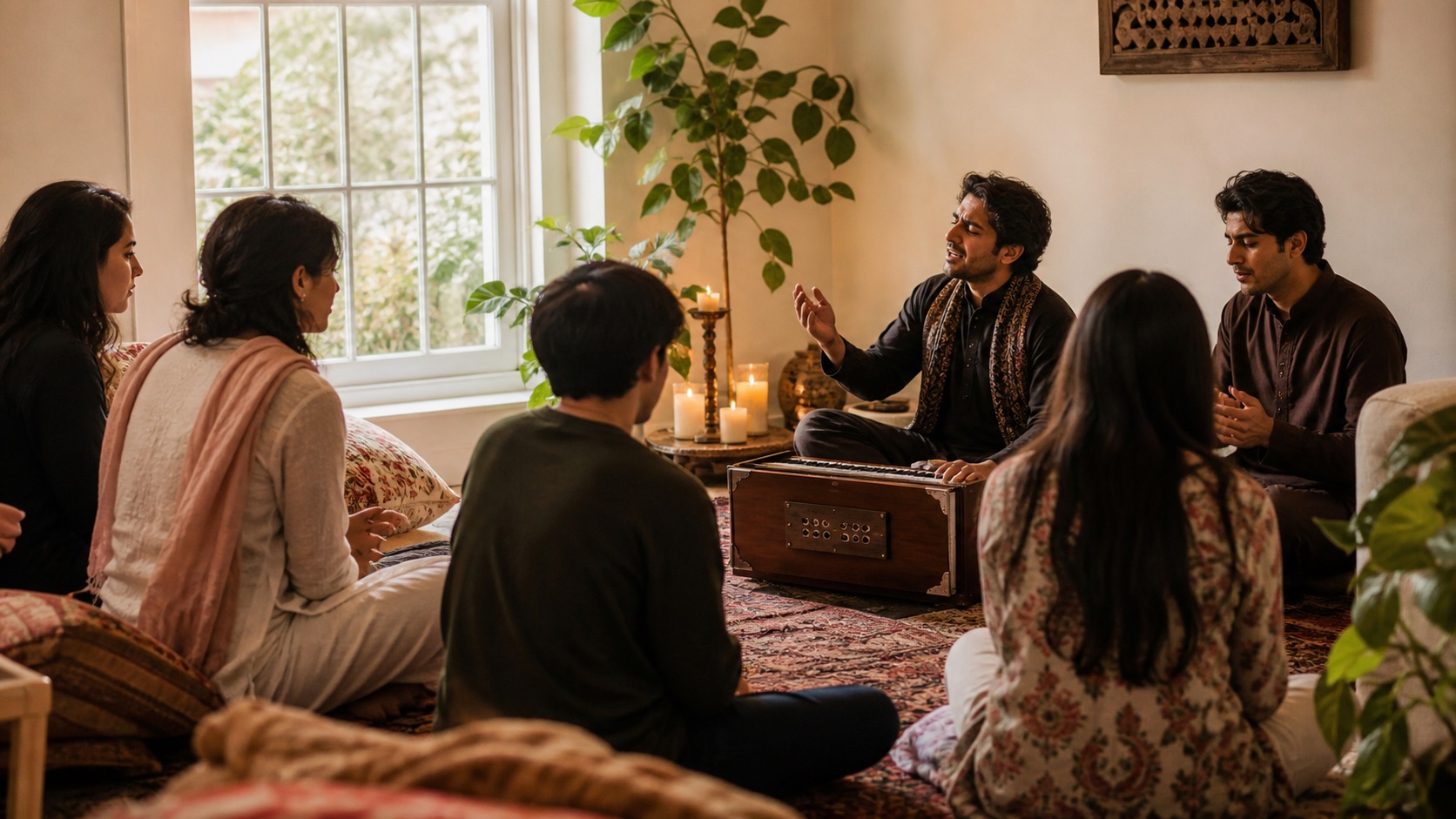
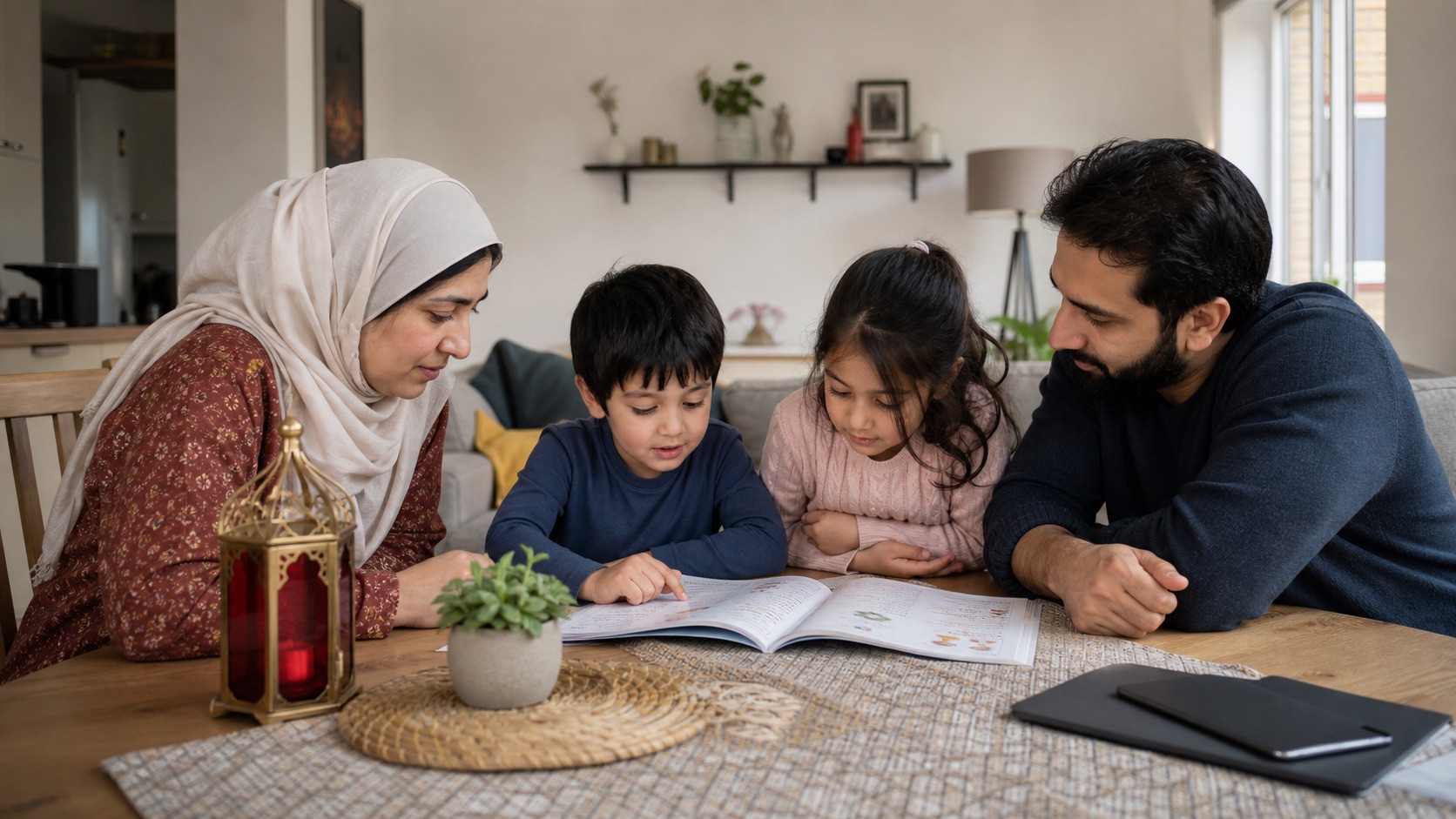
In US suburbs the label can cover very different rooms: a masjid weekend madrasa focused on Qur’an and Islamic studies; a community Urdu language class; a cultural school that mixes language, nasheed, and crafts; or a weekend programme attached to a broader Islamic school that also runs weekday grades. Some cohorts are explicitly Pakistani in language and peer group. Others are multi-ethnic Muslim programmes where Urdu is one language among several. Ask which one you are looking for before you compare timetables.
Age bands, gender arrangements, tuition, and whether non-members may enrol all vary. A free Qur’an circle that expects parents to stay on site is not the same commitment as a paid two-hour language class with drop-off. Mixing those models in one search is how families waste three Sundays.
Find programmes without trusting a screenshot
Start from the institution, not the meme. Search the masjid, community centre, or school’s own website, newsletter signup, or phone number published on a physical signboard. Prefer an education or weekend-school page on that domain over a third-party flyer with no source.
Match names and addresses. Confirm that the ZIP code, suite number, and organisation name on the post match the official site. Lookalike pages and recycled graphics are common before Ramadan and the school-year start. Check the date language carefully. “Every Sunday 10–12” on an old PDF may no longer be true. Call or email the office listed on the official site and ask whether the class is open, which ages are served, and whether registration is required this term.
Use secondary clues only as trails. Public library boards, city community calendars, and university MSA pages sometimes repeat announcements. Follow them back to the programme’s own channel before you drive. Ask one concrete logistics question early: Do parents stay on site, what is the drop-off door, and who do I text if we will be late? That beats “Is there Sunday school somewhere?”
Safeguarding questions that belong in the first conversation
Youth-serving programmes should expect parents to ask about safety. Federal and public-health guidance for organisations that serve children emphasises layered screening of staff and volunteers, clear supervision rules, and ongoing monitoring, not a single handshake. The CDC’s materials on preventing child sexual abuse in youth-serving organizations and the Office for Victims of Crime / COPS background-screening reference for youth-serving organizations are useful frames for what “serious” looks like. They are not a substitute for reading the specific programme’s written policy.
Ask, calmly and early:
- Do teachers and regular volunteers complete applications, references, and criminal background or sex-offender registry checks before unsupervised access to children?
- Is there a written two-adult or open-door supervision rule for classrooms, corridors, and bathrooms?
- How are incidents, injuries, or concerns reported to parents, and who is the named safeguarding contact?
- May I see the classroom before term starts, and are visitors signed in?
- What is the pickup password or ID practice, and what happens if a different relative arrives?
- Are photos of children shared on social media, and can I opt out?
Vague answers, pressure to stop asking, or “we only take people we know” without a documented process are signals to pause. State laws on mandatory reporting and background checks vary. Child Welfare Information Gateway resources on mandatory reporters of child abuse and neglect explain the general US landscape; confirm what applies in your state. This article is not legal advice and does not assess any named school.
Fit for language, faith, and schedule
After safety and verification, check educational fit. Which language of instruction is used for Qur’an versus conversation Urdu? Are girls and boys taught together or separately at your child’s age? Does the calendar respect public-school sports and Monday exams? Ask whether homework is expected midweek, and whether the programme can describe its approach to discipline without humiliation.
Visit once if allowed. Watch whether children look attended to, and whether adults seem accountable to a schedule rather than improvising with a locked side room. Pay attention to your own logistics. A highly praised programme forty-five minutes away that you will skip half the Sundays is worse than a nearer verified option you can sustain. Carpools only help when you already trust the other adults under the same safeguarding standard.
Money, membership, and what “free” still costs
Tuition language varies. Some masjid programmes are donation-based. Others charge a term fee that covers rent and materials. “Free” still costs petrol, snack duty, and your Sunday morning. Ask what is included, whether books are extra, and whether scholarships exist without public embarrassment. Get the refund or pause policy in writing if you pay ahead of a term that might collide with travel to Pakistan or a family wedding month.
Membership politics matter more than families admit. Some programmes prefer congregants; others welcome any child who can keep the schedule. If enrolment depends on a board interview, treat that as information about culture and accountability, not as a status contest. Ask who can remove a volunteer if a concern is raised. A programme that cannot answer that question is asking you to trust improvisation.
Urdu goals versus Qur’an goals
Families often blur two aims that need different teachers. A child who needs conversation Urdu for grandparents requires speaking time, correction without shame, and materials matched to age. A child who needs Qur’an literacy needs tajwīd attention, repetition, and a teacher who can explain progress without turning every mistake into a public scene. Some programmes do both well. Many do one well and market the other. Ask which hours are language, which are Qur’an, and who teaches each.
If your child already attends a weekday Islamic school, a Sunday add-on may duplicate homework and create resistance. If public school already loads Monday exams, a heavy Sunday programme that assigns midweek worksheets may be the wrong fit even when the teachers are kind. Fit is a calendar problem as much as a values problem.
After you enrol
Keep one reliable contact from the official channel (office email, portal login, or named coordinator), not only a parent group chat you cannot verify. Re-read the policy if staff change mid-year. If something feels wrong, remove your child first and document questions later. Social reputation is not a safeguarding plan.
Watch the first month for ordinary signals: Does the class start on time? Are absences noticed? Do teachers know children’s names? Is homework realistic for a school-night household? A glamorous first assembly means less than a boring, predictable fourth Sunday.
Community schooling works when discovery is boring and careful: official pages, named adults, written rules, and a schedule your household can keep. Anything that asks you to skip those steps is asking you to outsource judgement you should keep.
Sources and official profiles
Was this helpful?
Keep reading
Related stories
More from this desk, this beat, and the tags on this piece.




Readers
The conversation
0 notes
Anyone can leave a note. Guests add a name and email — no account required, and the email is never published.
No notes yet. Yours would be the first.