Finding qawwali nights in major US cities
How listeners in major US metros find live qawwali through official presenter and venue calendars, tell it apart from loosely labelled Sufi nights, and sit in the room with care.
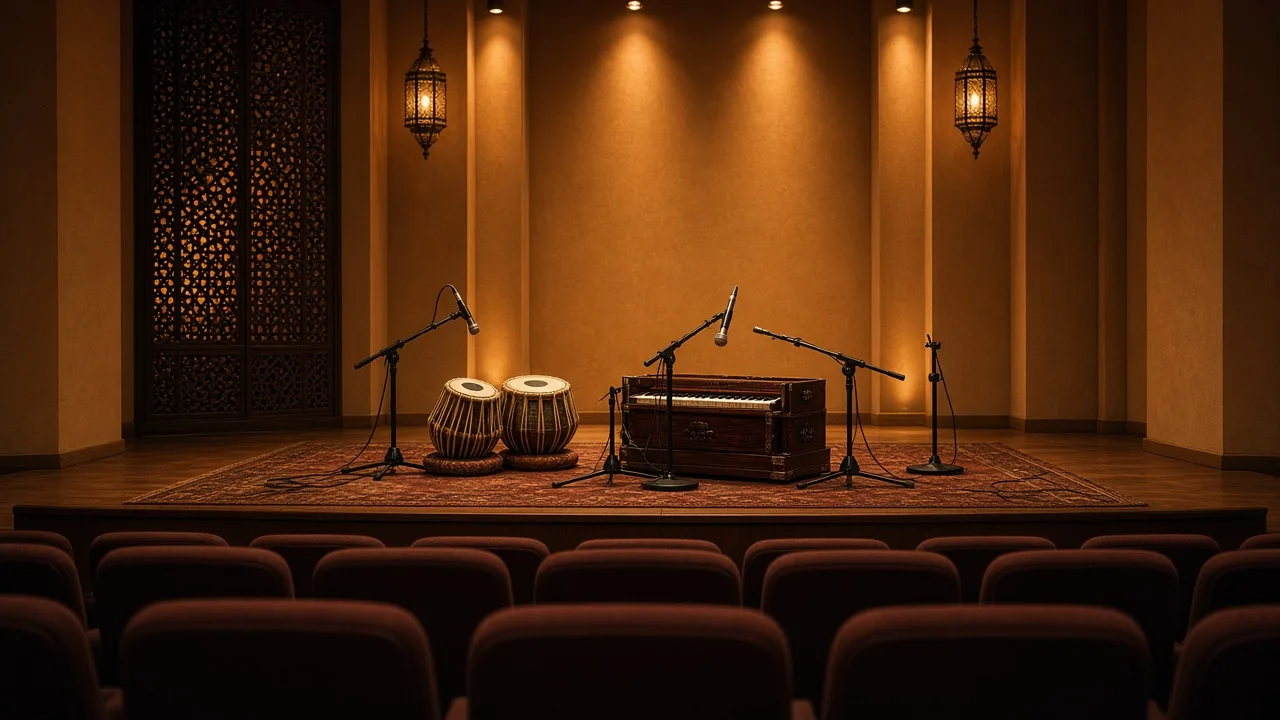
Qawwali in the United States rarely sits on a permanent weekly calendar the way a club residency does. It arrives as tours, one-night cultural presentations, university or institute programmes, and occasional community fundraisers. The useful skill is not memorising a city “scene.” It is knowing which pages to trust, what to verify the week of the show, and how to sit in the room without treating devotion as background music.
This is for listeners in large metros (New York, Chicago, Houston, Los Angeles, the Bay Area, and similar corridors), not a list of invented dates or imaginary venues. If a name appears below, it is as a type of listing source you can check yourself. Programmes change season to season.
What you are listening for
Qawwali, in the South Asian Sufi tradition associated with shrines and hereditary ensembles, typically builds long arcs of poetry, repetition, and intensification with harmonium, handclaps, and call-and-response. Smithsonian Folkways’ recording notes for Meraj Ahmed and Party are one accessible English-language entry point into how the form has been documented for listeners outside South Asia. A studio track on a phone is not the same experience as a night that stretches a single poem for half an hour.
Do not assume every “Sufi night” is qawwali, or that every Pakistani pop bill includes a qawwal party. Read the programme note. A ghazal set, a fusion DJ afterparty, or a loosely spiritual lounge marketed with the same hashtags is a different evening. If the listing cannot name the ensemble or the poetic tradition, keep searching.
Language matters too. Some nights are Urdu-forward; others mix Persian couplets, Punjabi verses, or English introductions for mixed audiences. None of that makes a night inauthentic by itself. What matters is whether the musical architecture of qawwali is present or whether the word is being used as branding for a generic “spiritual” playlist. Ask friends who attended last season what the room felt like for the first twenty minutes: restless dinner service, or settled listening.
Start from presenters and halls, not from forwarded flyers
A screenshot in a family chat is a tip, not a ticket. Prefer the page that sells the seat or hosts the night.
- Named presenters and arts partners. Touring qawwal ensembles often appear through established presenters who publish season pages with date, hall, and box-office contact. Confirm the artist name spelling and the city against that primary page. Presenters such as Robert Browning Associates have historically listed South Asian vocal tours; use their current calendar as a lead, then click through to the city venue.
- Civic and cultural halls. Town halls, symphony spaces, and South Asia–focused institutes in major cities sometimes programme Sufi vocal nights. Flushing Town Hall in Queens and Chicago’s South Asia Institute are examples of venue or institute calendars worth watching in those metros. Use each venue’s own calendar and ticket link, not a third-party repost alone.
- University South Asia or music series. Campus events can be free or low-cost and sell out quietly. Check the department or centre calendar and whether public tickets exist.
- Mosque and community cultural committees. Local nights may be announced only on the congregation’s official site or verified social account. Treat unsigned WhatsApp posters as leads until you see an organiser name and a refund or entry rule.
Build a lightweight watchlist by city
Pick the metros you can actually reach. A “nearby” Houston night is not a backup for a Bay Area weekend unless flights are already in the plan. Bookmark three to five official calendars that have hosted South Asian vocal music in that city. Venue calendars beat aggregator noise. Search the ensemble’s official channels for a US dates page, then click through to each city venue rather than stopping at a teaser graphic.
Set a calendar reminder one week out to re-check door time, age policy, and whether the programme is seated concert, standing reception, or mixed. Keep one flexible date open each season. Qawwali tours announce late; rigid holiday weekends fill with weddings instead.
Etiquette that protects the room
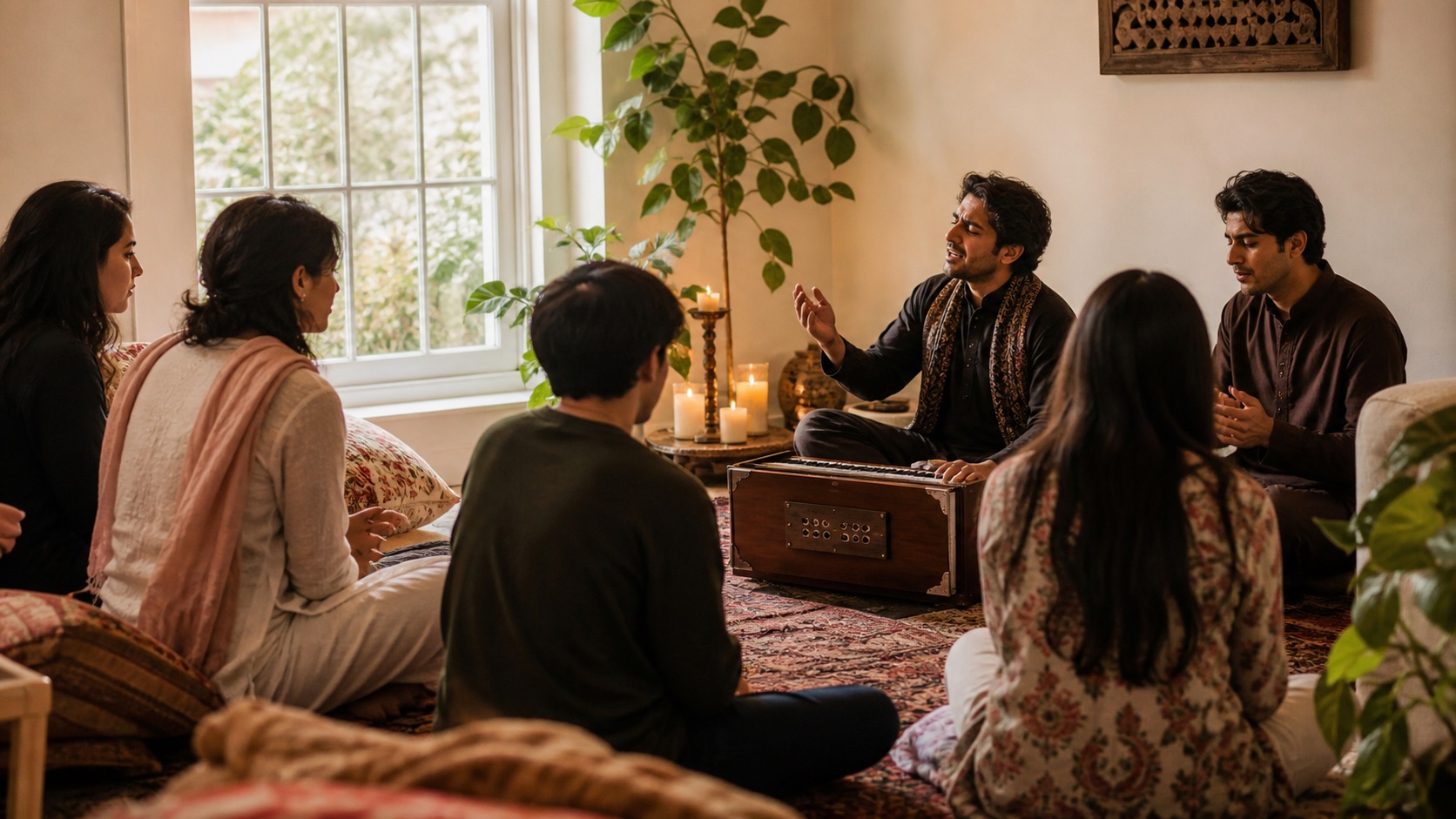
Arrive ready to listen for long arcs. Phones on silent; recording only if the house explicitly allows it. If the audience stands or offers notes during a climax, follow the room rather than inventing a party response. Dress for the venue’s stated code. Some nights are concert black; others are community hall casual. Plan modest coverage if the host is a religious space.
Explain the form briefly to guests who have only heard studio tracks: pieces can stretch; applause often waits for a cadence; talking over the chorus is not hospitality. If children come, choose aisle seats near an exit and leave during a natural break rather than during a rising improvisation.
Money, tickets, and community nights
Touring hall shows usually have clear box-office rules, fees, and refund language. Community fundraiser nights may ask for donations at the door, sell dinner tickets, or mix a short qawwali set with speeches. Know which evening you bought. A donation night is not a concert review assignment; a ticketed hall night is not a wedding mehfil where you greet cousins through the improvisation.
If accessibility, wheelchair seating, or hearing support matters to someone in your group, ask the venue’s own access page or box office before you assume a community hall can improvise. Late announcements sometimes skip that information on social graphics.
After the night: keeping the habit without a scene
If the evening was strong, note the presenter, the hall, and the ensemble spelling while you still remember. Follow those official channels rather than a vague “qawwali near me” search six months later. If the evening was poorly organised or treated devotion as wallpaper, that is also data: keep the form, change the presenter.
Recordings and archives help between live nights. Folkways and other institutional catalogues will not replace a live mehfil, but they sharpen listening so you recognise when a US bill is offering the real architecture of the form rather than a five-minute sample before a dinner service.
Finding qawwali in a US city is a habit of checking primary listings and protecting the listening once you arrive. The flyer that survives those checks is the night worth the parking.
Sources and official profiles
Was this helpful?
Keep reading
Related stories
More from this desk, this beat, and the tags on this piece.


Readers
The conversation
0 notes
Anyone can leave a note. Guests add a name and email — no account required, and the email is never published.
No notes yet. Yours would be the first.