How to write responsibly about Pakistani celebrities and public figures
PakStyles’ method for celebrity coverage: verify credits, refuse invented intimacy, separate work from gossip, and correct visibly.

Pakistani celebrities and public figures attract coverage that often confuses proximity with knowledge. PakStyles’ method is narrower: verify credits and public records, refuse invented intimacy, separate artistic or athletic work from gossip, and correct visibly when wrong. This page is an editorial standards essay, not legal advice. Privacy and defamation rules vary by jurisdiction; readers should consult local professional guidance where needed.
Can you name the primary source for the most dramatic sentence you are about to publish?
— PakStyles culture desk
Codes of practice as floor, not ceiling
UK and international journalism codes—such as the IPSO Editors’ Code, the SPJ Code of Ethics, and the NUJ Code of Conduct—stress accuracy, distinction between fact and opinion, protection of privacy in many contexts, and fair opportunity to respond. They are starting floors for diaspora publications writing across borders. They do not replace Pakistan-specific legal realities or platform policies.
Use codes to structure checklists: What is the public-interest claim? Who is affected beyond the celebrity? What is rumour versus on-record statement?
Work first, private life last—if at all
Lead with the film, song, match, design, or office held. Private relationships, medical speculation, and family disputes require a high public-interest bar and reliable sourcing. “Readers are curious” is not public interest. Curiosity is a market; ethics is a limit on that market.
For living people, prefer direct quotations from attributable interviews, official statements, and verified credits over anonymous WhatsApp forwards.
Credits, captions, and the anti-myth checklist
Miscredited songs, misdated films, and invented award lists travel fast in Pakistani celebrity ecosystems. Before publishing, verify credits against official distributor pages, festival programmes, or broadcaster records. Captions should not imply endorsement of political factions without evidence. Paparazzi crops that sexualise or mock should be refused even when competitors run them.
Corrections as culture, not humiliation
Errors will happen. Publish corrections with equal prominence where feasible, timestamp them, and avoid silent edits that pretend perfection. A newsroom that cannot correct cannot claim to inform. Diaspora pages serving multiple countries should note which jurisdiction’s standards they primarily follow.
Social media primary sources and their traps
A celebrity’s own post is a primary source for what they posted—not for the underlying truth of every claim inside it. Screenshots without URLs are weak. Deleted posts should be described cautiously, with archives noted only when legitimately obtained. Do not bait private accounts into statements you then treat as open season.
Influencer marketing complicates “celebrity” further. Disclose when coverage touches paid partnerships if your publication has commercial relationships. Independence is a practice, not a vibe.
Staff and freelancers need protection too. Harassment campaigns against reporters covering powerful entertainment figures are part of the ethics landscape. Editors should not demand reckless confrontation as proof of bravery.
Write about Pakistani public figures as if they can read you—because they can—and as if ordinary readers deserve accuracy more than adrenaline. The method is slow on purpose. Speed is how myths calcify into “everybody knows.”
If the story still stands after you remove gossip, medical guesswork, and unverified awards, you may have journalism. If it collapses, you had inventory for the rumour economy—and PakStyles should not stock that inventory.
Power, PR, and the manufactured scoop
Entertainment publicists, political media cells, and fan armies all produce “sources.” Treat exclusives that arrive pre-packaged with flattering angles as claims to verify, not gifts to unwrap on deadline. Ask who benefits if the story runs now. Ask who is harmed if a private detail is amplified.
Children of celebrities deserve heightened protection. So do non-famous relatives dragged into frames for clicks. Public-figure status is not automatically hereditary in ethical practice even when paparazzi behave as if it were.
Sports and entertainment coverage should separate match or performance analysis from character assassination. You can critique a role or an innings without diagnosing a soul. Psychological speculation dressed as “concern” is still speculation.
Across UK, US, Gulf, and Pakistani platforms, the same rumour can mutate. Track the earliest verifiable instance rather than the most elaborate. Amplification is not confirmation.
Train juniors to keep a source hierarchy note inside every draft: official statement, on-record interview, document, anonymous claim, social post, hearsay. If the draft’s drama depends on the bottom of the hierarchy, rewrite or spike.
Responsible celebrity journalism is mostly refusal—refusal of intimacy theatre, refusal of unverified awards, refusal of medical gossip, refusal of harassment as newsgathering. What remains can still be vivid: craft, labour, public contradictions, and dated facts. Vivid does not require cruel.
Editorial workflow that slows the worst impulses
Build a pre-publish gate with four questions: (1) What is the new public fact? (2) What is the strongest source? (3) What private detail is being asked to carry the drama? (4) What correction plan exists if we are wrong? If question three is doing most of the work, stop.
Separate newsrooms’ entertainment and politics desks carefully when a celebrity enters electoral or protest space. Different standards of verification may apply, but cruelty should not become easier merely because the subject sings.
Fan translations of interviews introduce errors. Prefer original-language video with careful paraphrase over third-hand English memes. If you lack language skills, hire them. Guessing is not bilingualism.
Metrics dashboards reward outrage. Editors should review traffic sources weekly and ask whether high-performing celebrity stories met the code checklist. If not, change incentives. Ethics that never touch analytics remains decorative.
PakStyles pages on culture already refuse private-life speculation for artists; the same refusal applies to actors, players, and influencers. Fame is not consent to fiction. Write the work, verify the record, correct the mistake, and leave the bedroom door closed.
Show your workings. Link the statement you quoted. Date the award you cited. Separate the performance review from the rumour. When fans are angry, answer with sources rather than contempt. When publicists are pushy, answer with process rather than access panic. Celebrity coverage will always be tempted by speed; responsibility is the editorial decision to stay slightly slower than the rumour.
That slower standard is the entire point of this page. Use it as a newsroom checklist, a freelancers’ self-brief, or a readers’ bullshit detector. Pakistani public figures deserve accuracy; Pakistani audiences deserve it even more.
When in doubt, publish less about the person and more about the public work. The appetite for intimacy will still exist; your refusal to feed it is part of how a media culture grows up. Pakistani celebrity coverage can be sharp, funny, and rigorously sourced without becoming a factory for unverifiable private myth. Choose the sharper standard and keep choosing it under deadline pressure.
Accuracy is not the enemy of vivid writing. It is what makes vivid writing defensible when the subject—and the audience—push back.
Verify first. Publish second. Correct third. Repeat that order until it becomes muscle memory rather than a poster on the newsroom wall.
Sources and official profiles
Was this helpful?
Keep reading
Related stories
More from this desk, this beat, and the tags on this piece.

Walima explained: what the reception is for and why every family does it differently
Bilal Ahmed · 27 Oct 2026

Dholki, mayun and mehndi: why Pakistani pre-wedding events are not the same thing
Bilal Ahmed · 25 Oct 2026
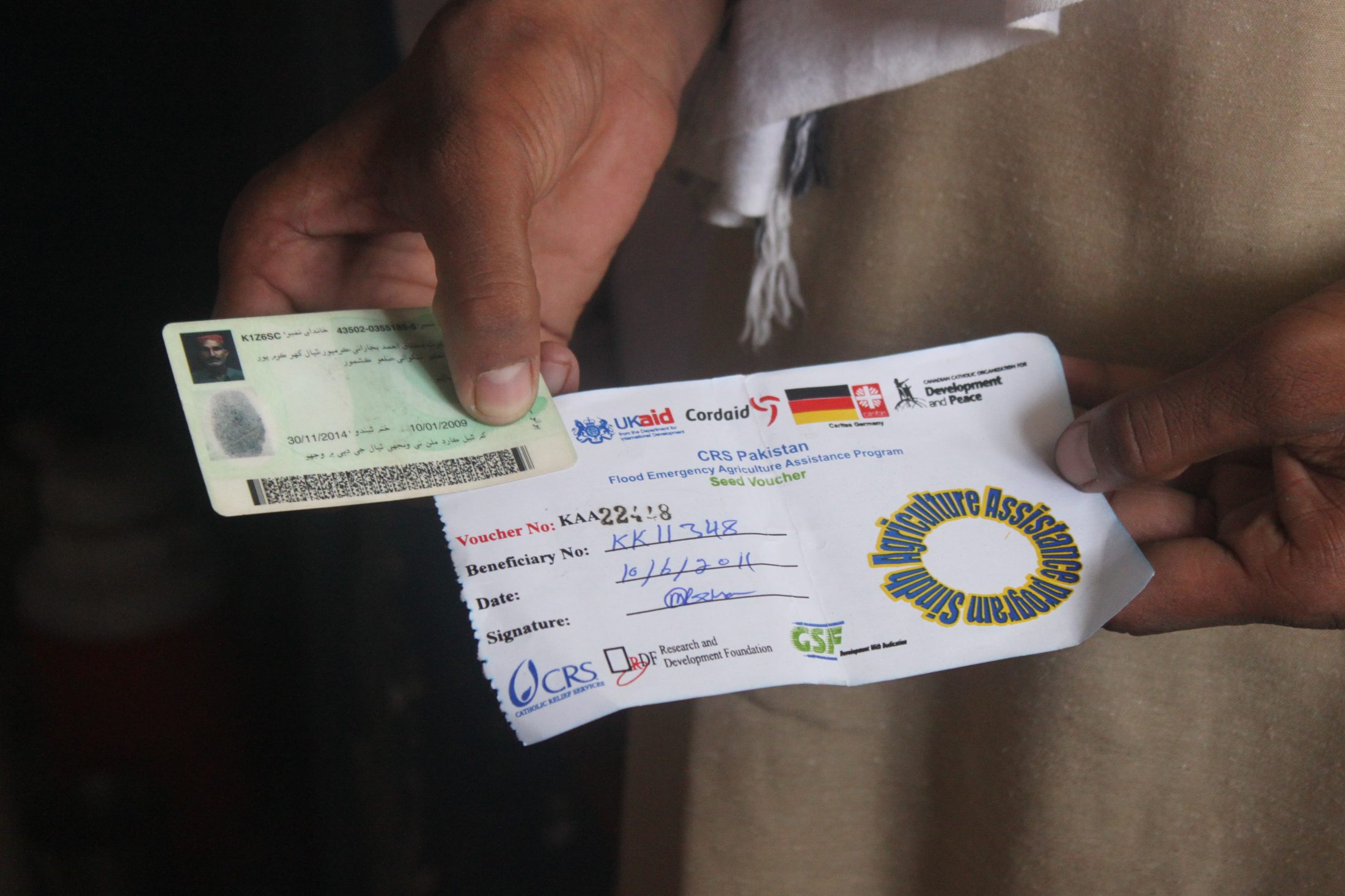
NADRA Family Registration Certificate: what an FRC proves and what it does not
Bilal Ahmed · 22 Oct 2026


Sending money from the UK to Pakistan: compare the amount received, not the fee alone
Bilal Ahmed · 20 Oct 2026

Birmingham's Pakistani community in Census 2021: why 17% is a local story, not a UK average
Bilal Ahmed · 20 Oct 2026
Readers
The conversation
0 notes
Anyone can leave a note. Guests add a name and email — no account required, and the email is never published.
No notes yet. Yours would be the first.