Culture
Huma Bhabha: sculpture between Karachi and New York
Huma Bhabha’s sculptures look archaeological and futuristic at once: cork, clay, foam, metal and found matter become bodies carrying damage, humour and monumentality.
By Bilal Ahmed
Culture editor
3 min read
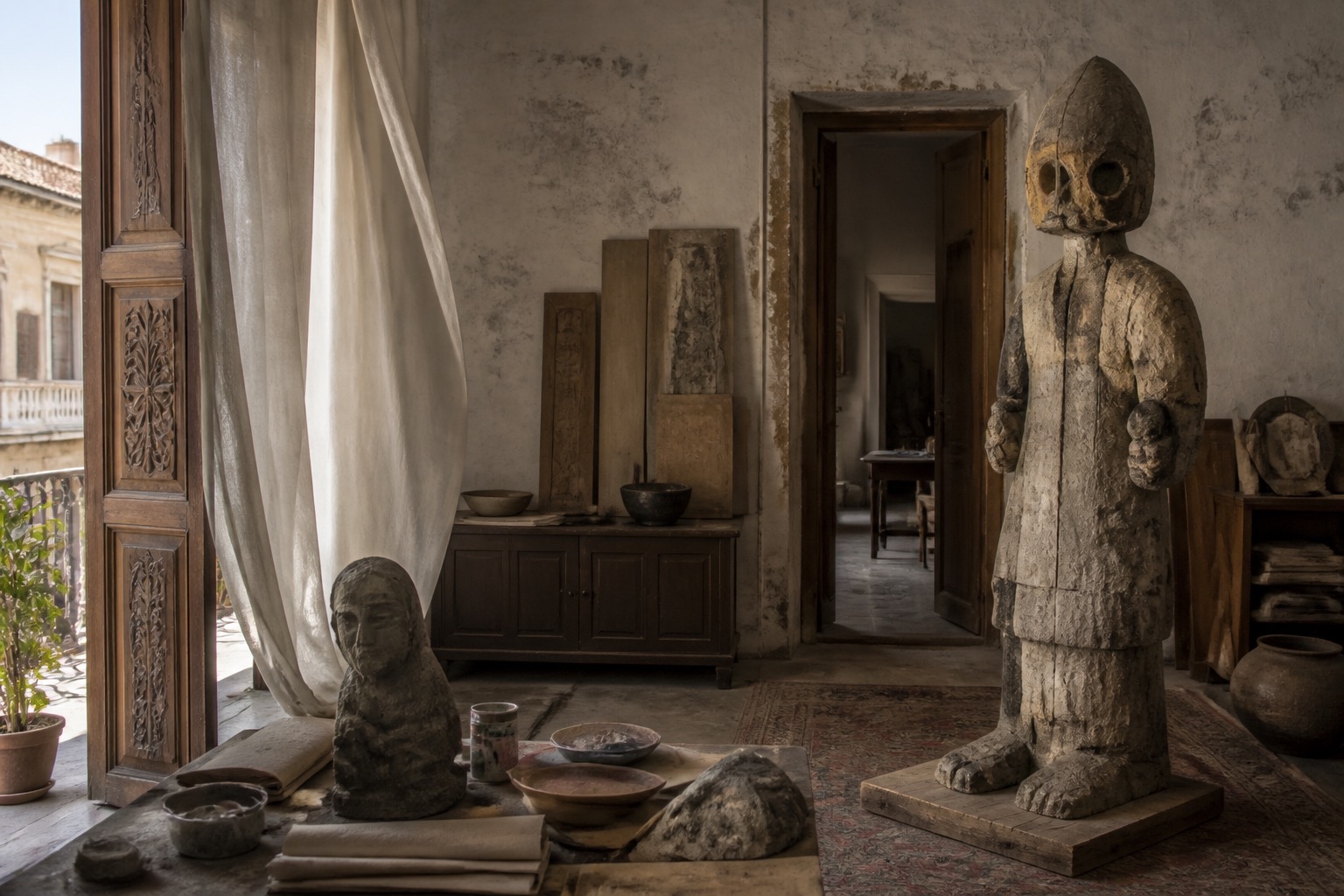
Huma Bhabha’s sculptures look archaeological and futuristic at once: cork, clay, foam, metal and found matter become bodies carrying damage, humour and monumentality.
Do Huma Bhabha’s figures feel like survivors, warnings or witnesses to you?
— A question for PakStyles readers
Karachi and New York without a simple bridge
Biography informs the work, but the sculptures should not be forced into a tidy migration metaphor. Art history, science fiction and war imagery also circulate through them.
Place the earliest example beside a later one and resist reducing the difference to confidence. Listen for pace, breath and silence; watch posture, eye-line and the way attention is handed to another performer. Those small choices make “Karachi and New York without a simple bridge” a useful chapter in Huma Bhabha: sculpture between Karachi and New York, rather than another credit copied from a biography.
Material keeps its previous life
Cork crumbles, Styrofoam signals packaging and clay records touch. Bhabha lets humble materials remain visible beneath the authority of the figure.
No performance is made alone. Revisit “Material keeps its previous life” with the writer, director, editor, composer and scene partners in mind. Ask what the work gives the artist to respond to and what changes when somebody else enters the frame. That keeps praise specific and prevents a career profile from becoming celebrity worship.
The pedestal becomes terrain
Some works stand like monuments while others resemble remains or improvised beings. Installation determines whether the viewer looks up, across or down.
Release context matters here. Look at the genre expectations, audience and production scale surrounding “The pedestal becomes terrain”, then notice where the work follows or unsettles them. The point is not to award a definitive ranking; it is to explain why this example changes the argument about Huma Bhabha: sculpture between Karachi and New York when watched in full.
Drawings complicate the sculptures
Collage and works on paper reveal image sources and spatial thinking. Study them beside sculpture rather than treating them as preparatory leftovers.
A useful career guide should send readers back to complete work. For “Drawings complicate the sculptures”, choose one scene, recording or project and write down the exact transition that holds your attention. Compare that observation with another reader’s rather than leaning on awards, box-office shorthand or a viral clip stripped of its setup.
Where to continue after Huma Bhabha
Google Arts & Culture: Pakistan is a starting point for the current record connected with Huma Bhabha: sculpture between Karachi and New York. Check dates, credits and availability at the source; then follow the names, works and institutions mentioned above rather than relying on a search-result summary.
Do Huma Bhabha’s figures feel like survivors, warnings or witnesses to you? If you have a strong answer, name the specific example or first-hand experience that shaped it.
What would you add—or challenge? Do Huma Bhabha’s figures feel like survivors, warnings or witnesses to you? Keep the conversation attached to a named work, tested method, dated source, or first-hand observation so it improves the guide for the next reader. Before commenting on Huma Bhabha: sculpture between Karachi and New York, revisit one complete example and note the detail that confirmed—or overturned—your first impression. Include enough context for somebody else to find or repeat it: the work or product name, city or venue where relevant, approximate date, and the particular choice you noticed. That is more valuable than a vote for “best”.
Sources and official profiles
Filed under
Keep reading
Related stories
More from this desk, this beat, and the tags on this piece.

Pakistani baby names: how to research meaning and pronunciation
Bilal Ahmed · 25 Aug 2026 · 2 min


South Asian arts organisations connecting Pakistan and the UK
Bilal Ahmed · 28 May 2026 · 4 min
British Pakistani illustrators and designers to commission
Bilal Ahmed · 19 May 2026 · 4 min
Readers
The conversation
0 notes
Anyone can leave a note. Guests add a name and email — no account required, and the email is never published.
No notes yet. Yours would be the first.