Culture
Iqra Aziz: comedy, drama, and the craft of a modern TV lead
Iqra Aziz can accelerate a family comedy without losing emotional clarity, then quieten her energy for a drama that asks the audience to sit with harm.
By Bilal Ahmed
Culture editor
4 min read
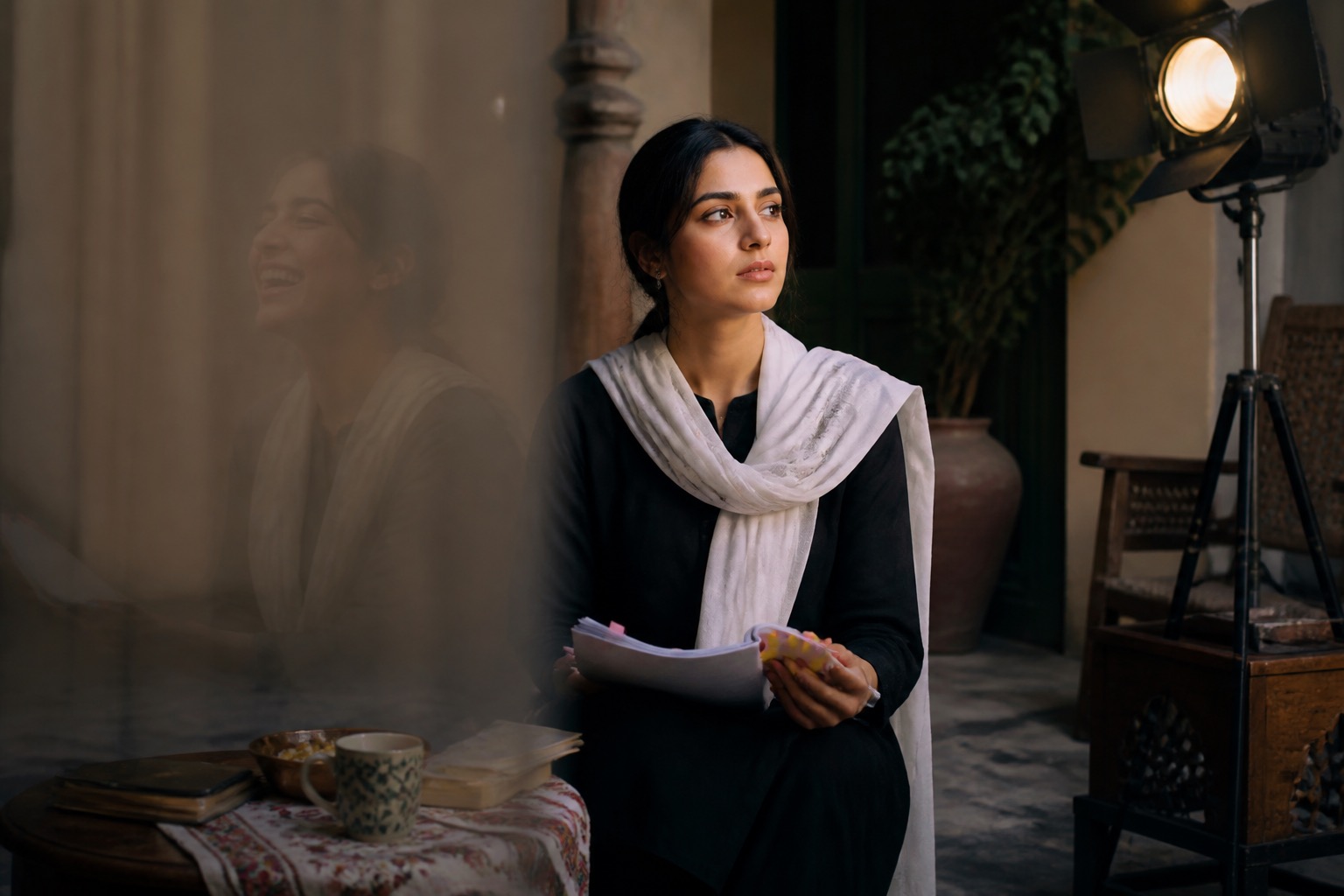
Iqra Aziz can accelerate a family comedy without losing emotional clarity, then quieten her energy for a drama that asks the audience to sit with harm.
Which is harder on television: landing nightly comedy for a month or sustaining one traumatised character for a full serial?
— A question for PakStyles readers
Suno Chanda and comic velocity
As Jiya, Aziz handles overlapping dialogue, household chaos and romantic friction. The performance works through reactions as much as punchlines, especially in crowded ensemble scenes.
Place the earliest example beside a later one and resist reducing the difference to confidence. Listen for pace, breath and silence; watch posture, eye-line and the way attention is handed to another performer. Those small choices make “Suno Chanda and comic velocity” a useful chapter in Iqra Aziz: comedy, drama, and the craft of a modern TV lead, rather than another credit copied from a biography.
Ranjha Ranjha Kardi changes the temperature
Noori is ambitious, defensive and forced into brutal circumstances. Aziz avoids turning resilience into a single inspirational note, allowing calculation and exhaustion to coexist.
No performance is made alone. Revisit “Ranjha Ranjha Kardi changes the temperature” with the writer, director, editor, composer and scene partners in mind. Ask what the work gives the artist to respond to and what changes when somebody else enters the frame. That keeps praise specific and prevents a career profile from becoming celebrity worship.
Jhooti and unlikeability
A deliberately manipulative protagonist tests an audience trained to demand virtue from a female lead. The role is useful even where the serial’s escalation divides viewers.
Release context matters here. Look at the genre expectations, audience and production scale surrounding “Jhooti and unlikeability”, then notice where the work follows or unsettles them. The point is not to award a definitive ranking; it is to explain why this example changes the argument about Iqra Aziz: comedy, drama, and the craft of a modern TV lead when watched in full.
Building a route through the work
Watch comedy, social drama and an abrasive lead in sequence. The contrast reveals changes in speech speed, physical openness and the amount of sympathy the actor requests.
A useful career guide should send readers back to complete work. For “Building a route through the work”, choose one scene, recording or project and write down the exact transition that holds your attention. Compare that observation with another reader’s rather than leaning on awards, box-office shorthand or a viral clip stripped of its setup.
Where to continue after Iqra Aziz
HUM TV official drama archive is a starting point for the current record connected with Iqra Aziz: comedy, drama, and the craft of a modern TV lead. Check dates, credits and availability at the source; then follow the names, works and institutions mentioned above rather than relying on a search-result summary.
Which is harder on television: landing nightly comedy for a month or sustaining one traumatised character for a full serial? If you have a strong answer, name the specific example or first-hand experience that shaped it.
What would you add—or challenge? Which is harder on television: landing nightly comedy for a month or sustaining one traumatised character for a full serial? Keep the conversation attached to a named work, tested method, dated source, or first-hand observation so it improves the guide for the next reader. Before commenting on Iqra Aziz: comedy, drama, and the craft of a modern TV lead, revisit one complete example and note the detail that confirmed—or overturned—your first impression. Include enough context for somebody else to find or repeat it: the work or product name, city or venue where relevant, approximate date, and the particular choice you noticed. That is more valuable than a vote for “best”.
Sources and official profiles
Filed under
Keep reading
Related stories
More from this desk, this beat, and the tags on this piece.

Coke Studio Pakistan for new listeners: how to follow songs beyond the viral chorus
Bilal Ahmed · 13 Sep 2026 · 17 min
Pakistani wedding terms explained for guests attending for the first time
Bilal Ahmed · 13 Sep 2026 · 17 min
How Eid morning changes between Pakistan, Britain and America
Bilal Ahmed · 13 Sep 2026 · 17 min
Ramadan hosting etiquette when your guests fast differently
Bilal Ahmed · 13 Sep 2026 · 15 min
Urdu greetings for family visits: pronunciation, formality and when English is fine
Bilal Ahmed · 13 Sep 2026 · 15 min
Watching cricket with a Pakistani family: the unwritten rules
Bilal Ahmed · 13 Sep 2026 · 15 min
Readers
The conversation
0 notes
Anyone can leave a note. Guests add a name and email — no account required, and the email is never published.
No notes yet. Yours would be the first.