Culture
Pakistani books for diaspora readers: where to begin
A route into Pakistani writing through form, language and curiosity rather than a single representative reading list.
By Bilal Ahmed
Culture editor
2 min read

No book can explain Pakistan to the diaspora because no writer owns that assignment. A novel can show one family under one pressure; a memoir can reconstruct one life; a poem can make language refuse explanation. Begin with the kind of reading you enjoy, then follow the questions it leaves open.
Choose a doorway
| If you want… | Begin with… |
|---|---|
| A city you can hear | A novel or short-story collection rooted in Karachi, Lahore, Peshawar or another specific place |
| Family memory | Memoir read beside history, not as history’s replacement |
| Language and music | Poetry in a bilingual edition, reading original and translation together where possible |
| A shared household read | Children’s or young-adult work without treating it as culturally simpler |
Let one book introduce the next
Read acknowledgements, epigraphs, translator notes and interviews. They reveal literary ancestors and contemporaries. If a novel set during Partition moves you, follow it with historical scholarship and a work from another region or community. Contrast prevents one compelling voice becoming a national summary.
- Use libraries and request titles rather than assuming availability reflects importance.
- Credit translators in notes and recommendations.
- Seek work written in and translated from Urdu, Punjabi, Sindhi, Pashto, Balochi, Saraiki and other languages.
- Read living writers beyond the moment their work becomes “representation”.
Keep a reading map rather than a ranking: title, form, language, place, period and the next question. Diaspora reading becomes richer when recognition is allowed to sit beside surprise, disagreement and pleasure.
When a book is unavailable, ask a librarian about interlibrary loan, ebook licensing or an acquisition request. Independent Pakistani publishers and university presses may reveal work that large international displays omit, but check territorial shipping and rights before linking readers to a seller. For translated work, compare a short passage across editions when possible and read the translator’s account of names, register and untranslatable choices.
Do not postpone reading until you have found the perfect foundational list. Start with one compelling book, record what it cannot answer and let that absence choose the second. Ten connected books teach more than a hundred titles saved without being opened.
Filed under
Keep reading
Related stories
More from this desk, this beat, and the tags on this piece.
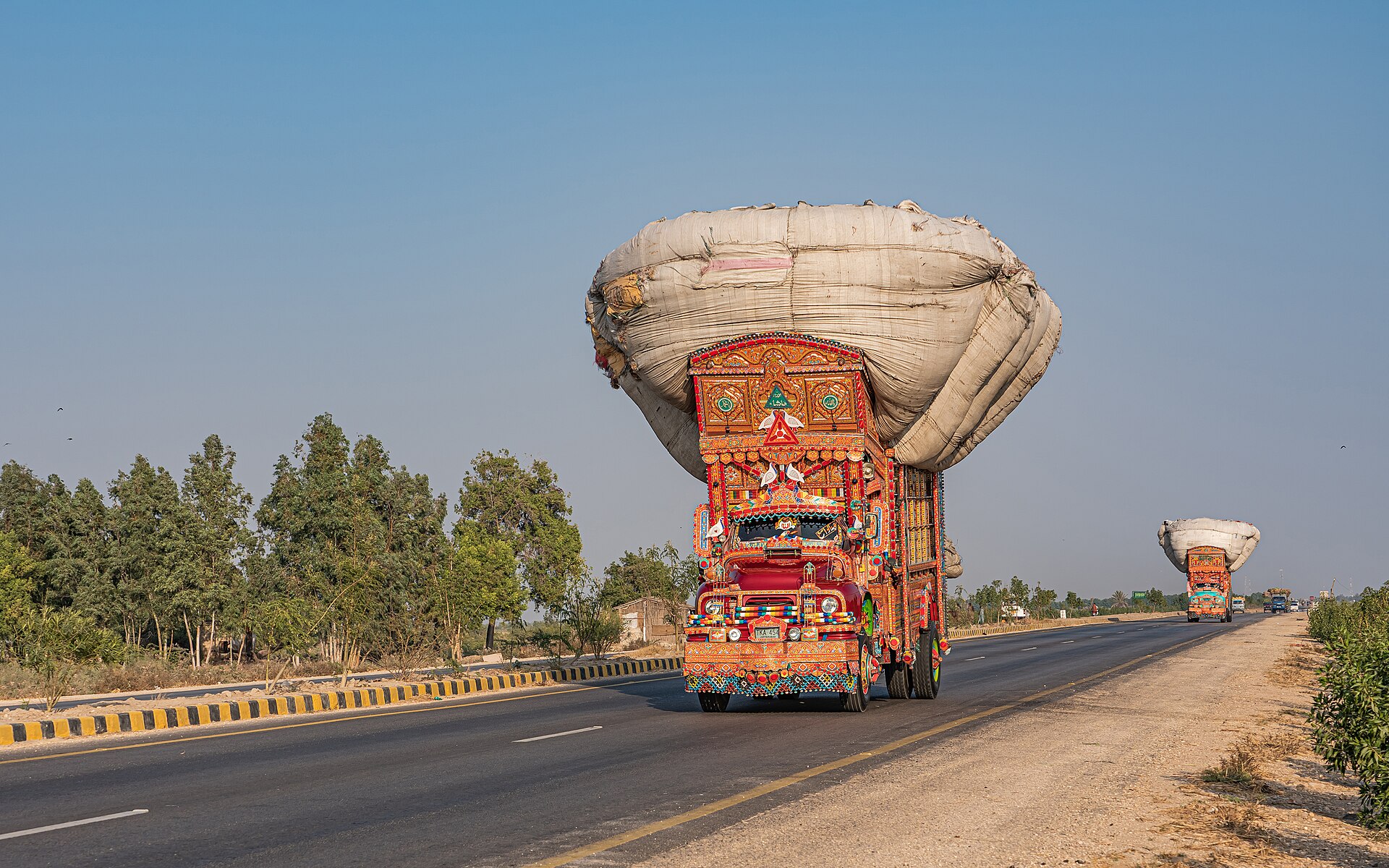



Pakistani baby names: how to research meaning and pronunciation
Bilal Ahmed · 25 Aug 2026 · 2 min
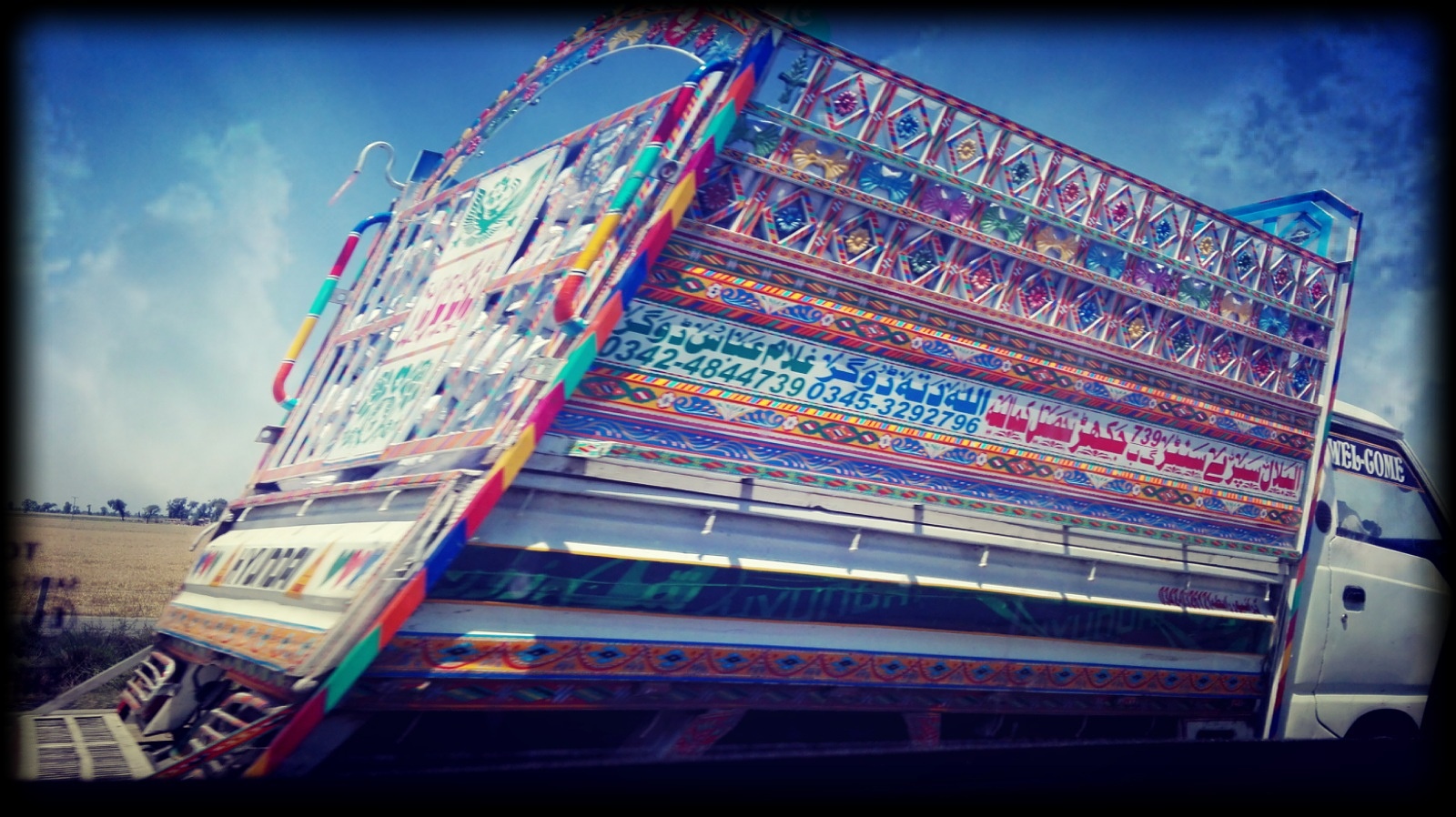
Recording grandparents’ stories: an ethical family oral-history guide
Bilal Ahmed · 13 Sep 2026 · 16 min
How diaspora families archive old photographs before they disappear
Bilal Ahmed · 13 Sep 2026 · 17 min
Readers
The conversation
0 notes
Anyone can leave a note. Guests add a name and email — no account required, and the email is never published.
No notes yet. Yours would be the first.