Culture
Pakistani wedding photography shot list that protects real moments
A photography plan that protects ceremony, privacy and family relationships while giving the photographer names, timings and decisions they can use.
By Bilal Ahmed
Culture editor
4 min read
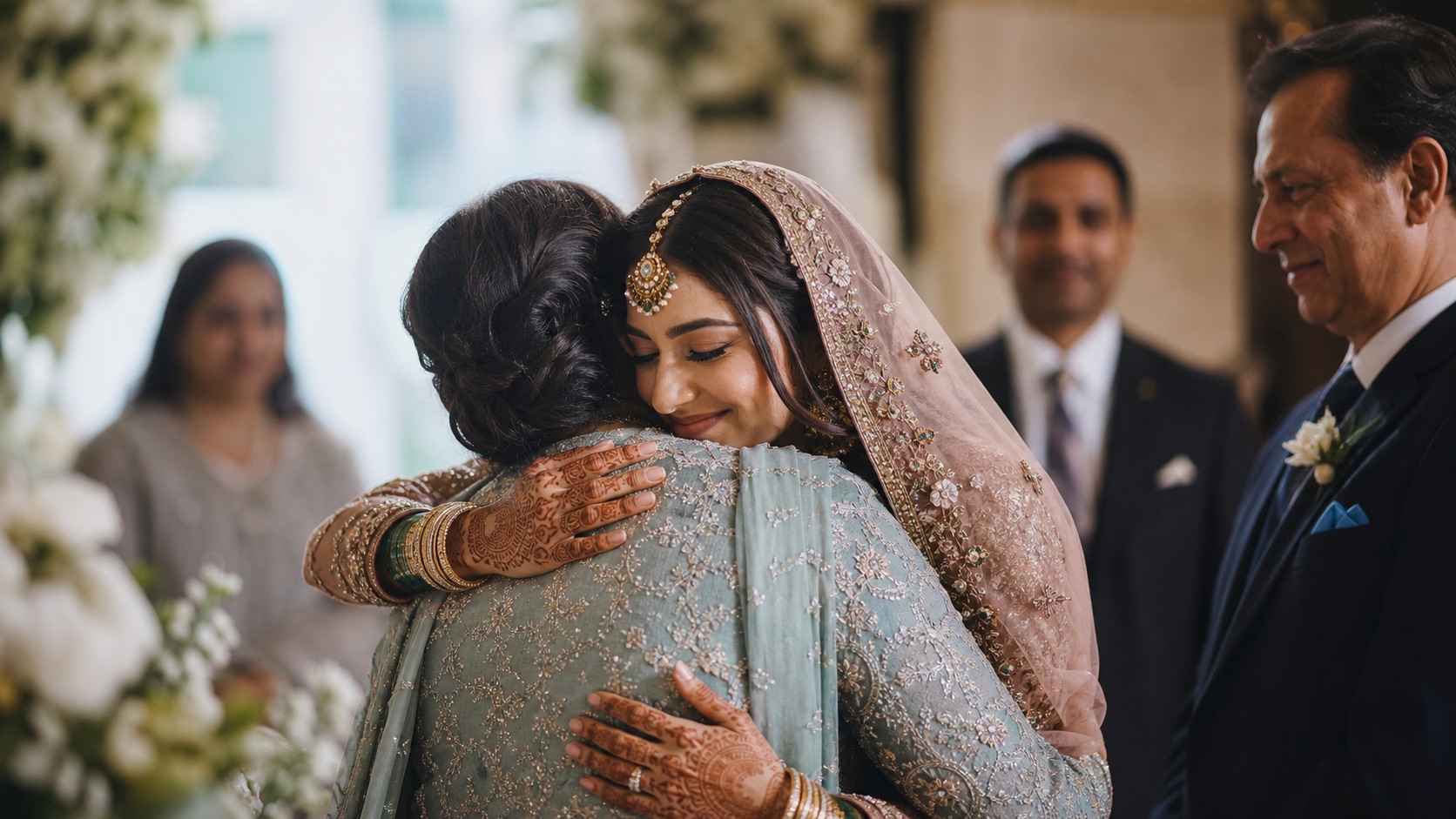
The photograph most likely to matter in twenty years may not be the couple beneath the stage lights. It may be a grandmother listening during the nikah, two brothers repairing a sehra in a corridor, or the look exchanged when a bride hears somebody arrive. A useful shot list protects space for those pictures. It does not ask a photographer to manufacture 140 moments in order.
Give the photographer three things: a map of the day, a map of the family and permission to use judgement. The first prevents missed ceremonies. The second prevents painful omissions. The third keeps the wedding alive.
Write the day as a sequence of thresholds
Replace “getting ready, ceremony, portraits, reception” with the points where something changes. At a nikah, that may be the quiet before the imam begins, the signing, the first congratulations and the couple leaving the room. At a baraat, it may be the arrival, milni or family greetings, stage entrance and rukhsati. Traditions differ between families, regions and denominations, so name what will happen at this wedding and identify the person who can quietly warn the photographer that it is about to begin.
| Moment | What the photographer needs | What can go wrong |
|---|---|---|
| Nikah signing | Who signs, where they sit and whether the couple are together | A blocked view or flash interrupting a solemn room |
| Family entrance | Names, route and approximate time | The lead photographer is elsewhere making detail pictures |
| Rukhsati | Privacy boundary and where the car will wait | Grief becomes a performance because cameras crowd the family |
| Prayer | Whether photography is welcome and from which position | A photographer moves through worship or photographs someone who declined |
The family list needs names, not categories
“Bride with immediate family” is ambiguous in a blended, bereaved or geographically scattered family. Write the actual groupings with names and relationships. Mark elderly relatives, young children and anyone who must leave early. Tell the photographer about a bereavement, estrangement or separated parents privately; they need enough context to avoid calling for a grouping that causes hurt, not the story behind it.
Keep formal groups finite. Start with the largest essential group while everyone is present, then remove people in a planned order. Appoint one caller from each side who recognises relatives. Ten well-organised combinations can take less time than four groups assembled by shouting across a ballroom.
Privacy belongs in the plan before the camera arrives
Ask guests and family members about meaningful restrictions: women-only spaces, children whose images must not be published, prayer, hijab adjustments, vulnerable relatives and a couple who wants photographs delivered privately rather than used in marketing. Decide who may approve previews and social posts. A contract clause matters, but a visible day-of signal helps the photographer act correctly when the room changes.
For a women-only event, agree what happens if male venue staff or suppliers enter. For children, do not assume parental consent because another adult asks for a picture. If someone turns away or says no, the shot list does not overrule them.
Build ten minutes in which nobody performs
Protect a short stretch after an entrance, ceremony or rukhsati when the photographer observes rather than directs. No repeated hugs, no staged laughter, no request to sign the document again. Documentary photographs need time in which people stop anticipating the camera.
Details still matter, but give them a deadline. Clothes, jewellery, invitation stationery and the empty room can be photographed before guests need the photographer. If the schedule slips, protect the unrepeatable event and release the decorative checklist.
The one-page version to send
- A dated timeline with addresses, travel time and the photographer’s finish time.
- The name and phone number of one informed contact on each side.
- Essential ceremony moments, described as they occur in your family.
- Named formal groups, ordered by age, mobility and departure.
- Privacy, publication and prayer boundaries.
- Three personal details with a story: a borrowed dupatta, a late grandfather’s watch, handwritten vows—not a catalogue of every object.
End the brief with one sentence about feeling. Perhaps you want the pictures to remember a noisy house becoming quiet for the nikah, or two families gradually sharing one dance floor. That sentence gives a photographer more direction than “capture candid moments”, because it tells them what change to watch for.
Keep reading
Related stories
More from this desk, this beat, and the tags on this piece.
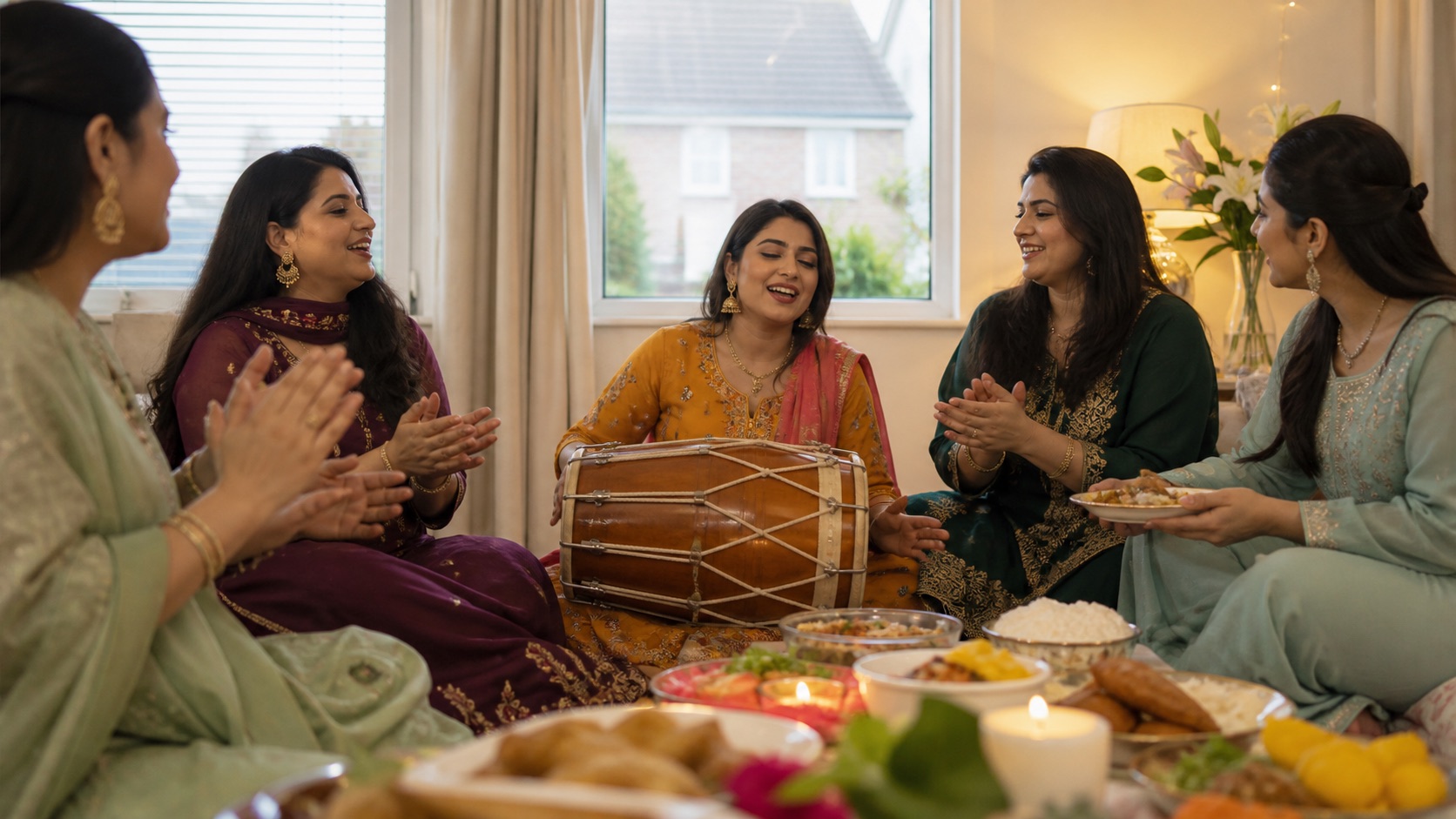
Dholki at home: music, food, neighbours, and a sensible schedule
Bilal Ahmed · 31 Jul 2026 · 2 min
Pakistani names in British and American workplaces: pronunciation without embarrassment
Bilal Ahmed · 13 Sep 2026 · 14 min


Pakistani baby names: how to research meaning and pronunciation
Bilal Ahmed · 25 Aug 2026 · 2 min
Readers
The conversation
0 notes
Anyone can leave a note. Guests add a name and email — no account required, and the email is never published.
No notes yet. Yours would be the first.