Culture
Visiting relatives in Pakistan without losing the whole holiday
A diaspora visit can disappear into obligations before the suitcase opens. The solution is not refusing family; it is making time visible before every day is promised twice.
By Bilal Ahmed
Culture editor
3 min read
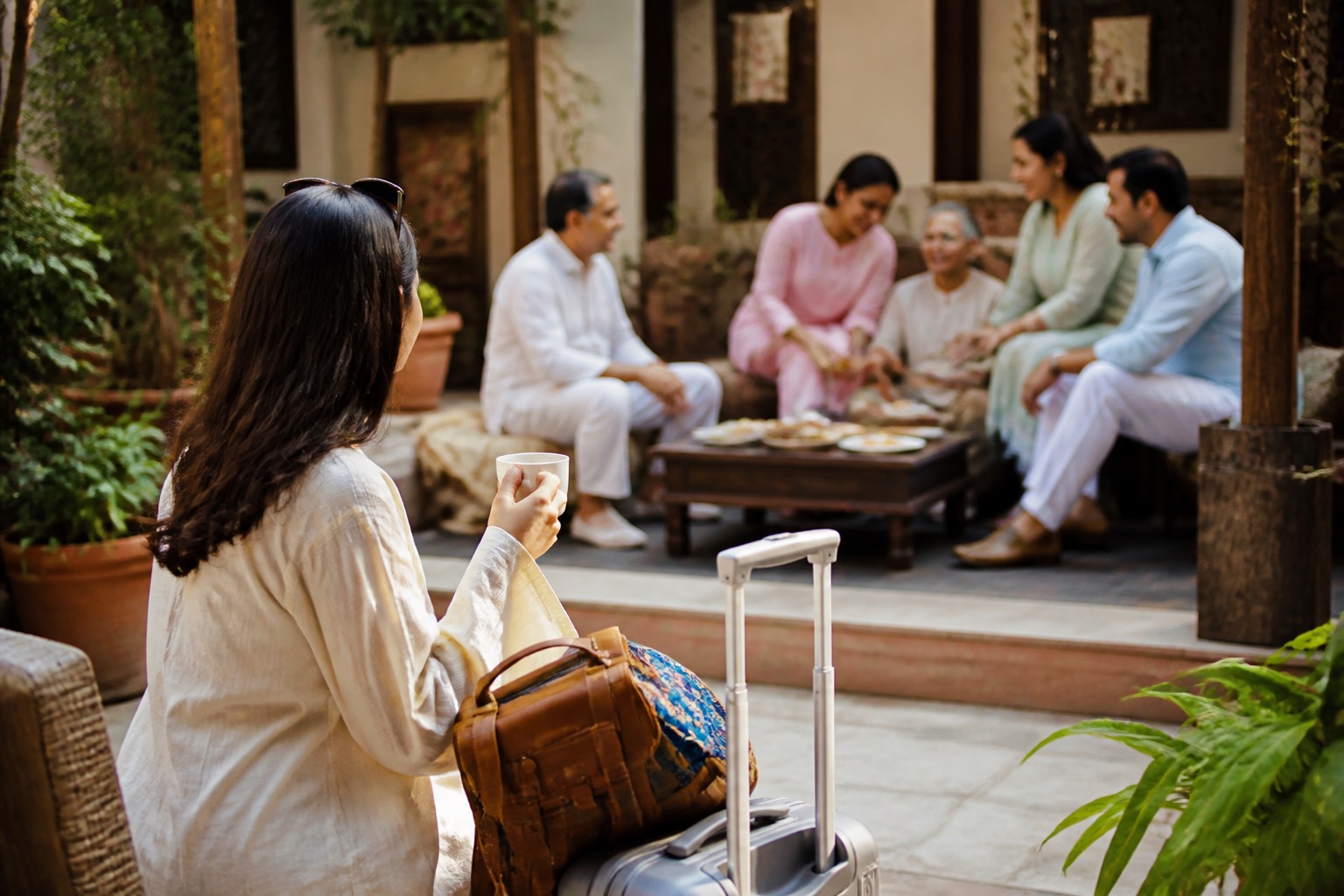
A diaspora visit can disappear into obligations before the suitcase opens. The solution is not refusing family; it is making time visible before every day is promised twice.
What boundary makes family visits warmer rather than more resentful?
— A question for PakStyles readers
Publish the family days first
Choose a few generous gathering windows and tell key relatives early. People handle a boundary better when it comes with a real invitation.
Slow down at “Publish the family days first” and identify the example doing the argumentative work. Name its date, maker, place or material where the public record allows. In Visiting relatives in Pakistan without losing the whole holiday, that precision gives readers something they can examine and challenge instead of asking them to accept a broad cultural claim on trust.
Protect one unscheduled morning
Jet lag, illness and ordinary fatigue need somewhere to go. A blank half-day prevents every minor delay from becoming a family offence.
Compare “Protect one unscheduled morning” with one genuinely different example. Similarities may reveal a pattern, while differences expose the limits of the category. Keep regional, linguistic, religious, class and diaspora variation visible rather than presenting one household or institution as the whole of Pakistan.
Group visits by geography
Combine relatives in one neighbourhood or host a shared meal rather than spending the trip in traffic. Ask a local family member to help with realistic timing.
Ask whose labour disappears when “Group visits by geography” is described too quickly. Credit makers, translators, technicians, organisers and communities where evidence supports it. Attribution improves the story and helps readers follow the subject beyond the best-known public name.
Take your own history seriously
Reserve time for a school, neighbourhood, archive, market or landscape meaningful to you. Visiting Pakistan is allowed to be personal as well as relational.
Bring the argument back to something observable. For “Take your own history seriously”, a reader should be able to visit, read, listen, inspect or verify the example. That makes disagreement productive: another person can add evidence, correct a date or show where Visiting relatives in Pakistan without losing the whole holiday needs a wider frame.
Where to continue after Visiting relatives in Pakistan without losing the whole holiday
Google Arts & Culture: Pakistan is a starting point for the current record connected with Visiting relatives in Pakistan without losing the whole holiday. Check dates, credits and availability at the source; then follow the names, works and institutions mentioned above rather than relying on a search-result summary.
What boundary makes family visits warmer rather than more resentful? If you have a strong answer, name the specific example or first-hand experience that shaped it.
What would you add—or challenge? What boundary makes family visits warmer rather than more resentful? Keep the conversation attached to a named work, tested method, dated source, or first-hand observation so it improves the guide for the next reader. Before commenting on Visiting relatives in Pakistan without losing the whole holiday, revisit one complete example and note the detail that confirmed—or overturned—your first impression. Include enough context for somebody else to find or repeat it: the work or product name, city or venue where relevant, approximate date, and the particular choice you noticed. That is more valuable than a vote for “best”.
Sources and official profiles
Filed under
Keep reading
Related stories
More from this desk, this beat, and the tags on this piece.
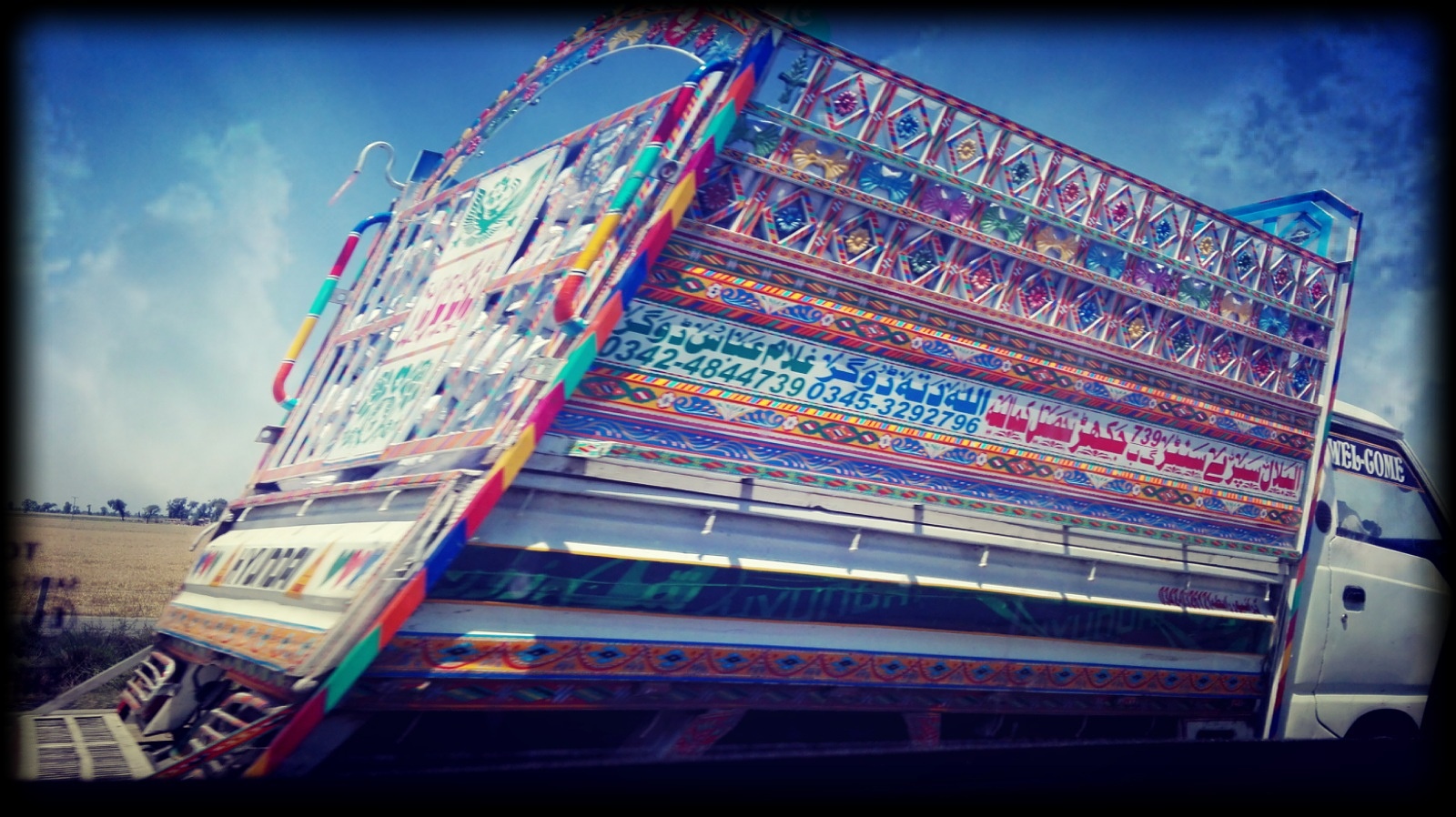
How Eid morning changes between Pakistan, Britain and America
Bilal Ahmed · 13 Sep 2026 · 17 min

Readers
The conversation
0 notes
Anyone can leave a note. Guests add a name and email — no account required, and the email is never published.
No notes yet. Yours would be the first.