Mithai counters that still matter
When a mithai box is care, when it is display, and when glitter is the wrong grammar—plus how to buy from counters that still cut.
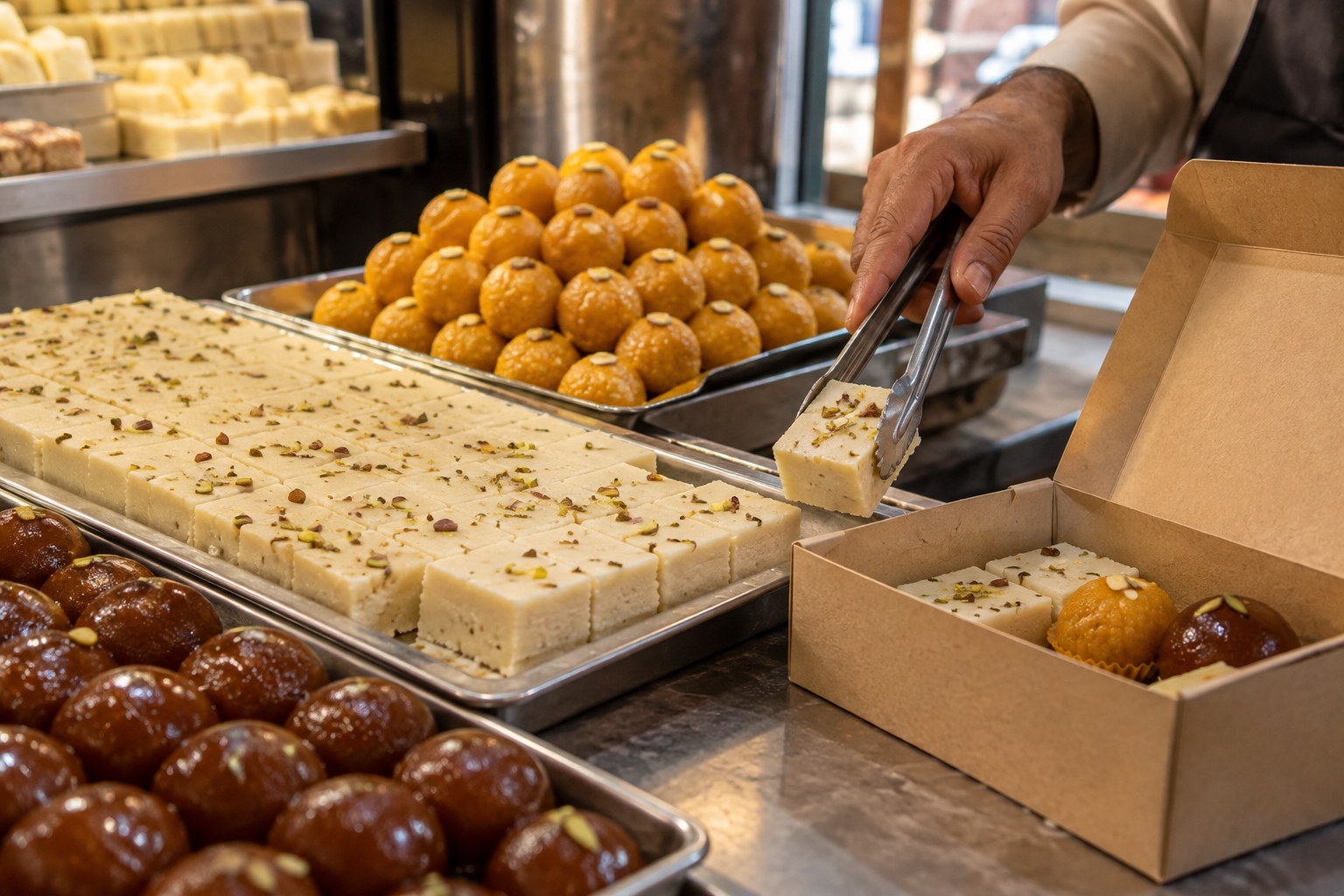
Mithai in Pakistani social life is a message that happens to be sweet. The counter is where it remains a craft: a tray, a knife, a clerk who knows whether the gulab jamun came out an hour ago. The gift box is where it becomes etiquette—care, obligation, display, or, sometimes, a slight. This guide is about reading those messages and buying accordingly, not about crowning a single national “best” shop.
Early answer: for eating the same day, buy from a counter that will cut or fry to order and tell you when the piece was made. For gifts, match the box to the relationship and the occasion. Logo-heavy assortments suit formal or distant ties; a neighbourhood halwai tray often suits neighbours and friends. After a death, skip glitter. For Eid, send what you would eat yourself, including sideways and “down” the household hierarchy—not only upward.
Counters that still cut
Large Karachi and Lahore names such as Rehmat-e-Shereen and Butt Sweets function as civic shorthand: places a driver can find, counters that still pack barfi and gulab jamun for people on an errand, queues that include families rather than only content crews. PakStyles is not endorsing either house as universally superior. Inclusion here marks visibility and the continuing counter model—knife, tray, opinion—against sealed warehouse assortments that only offer a ribbon.
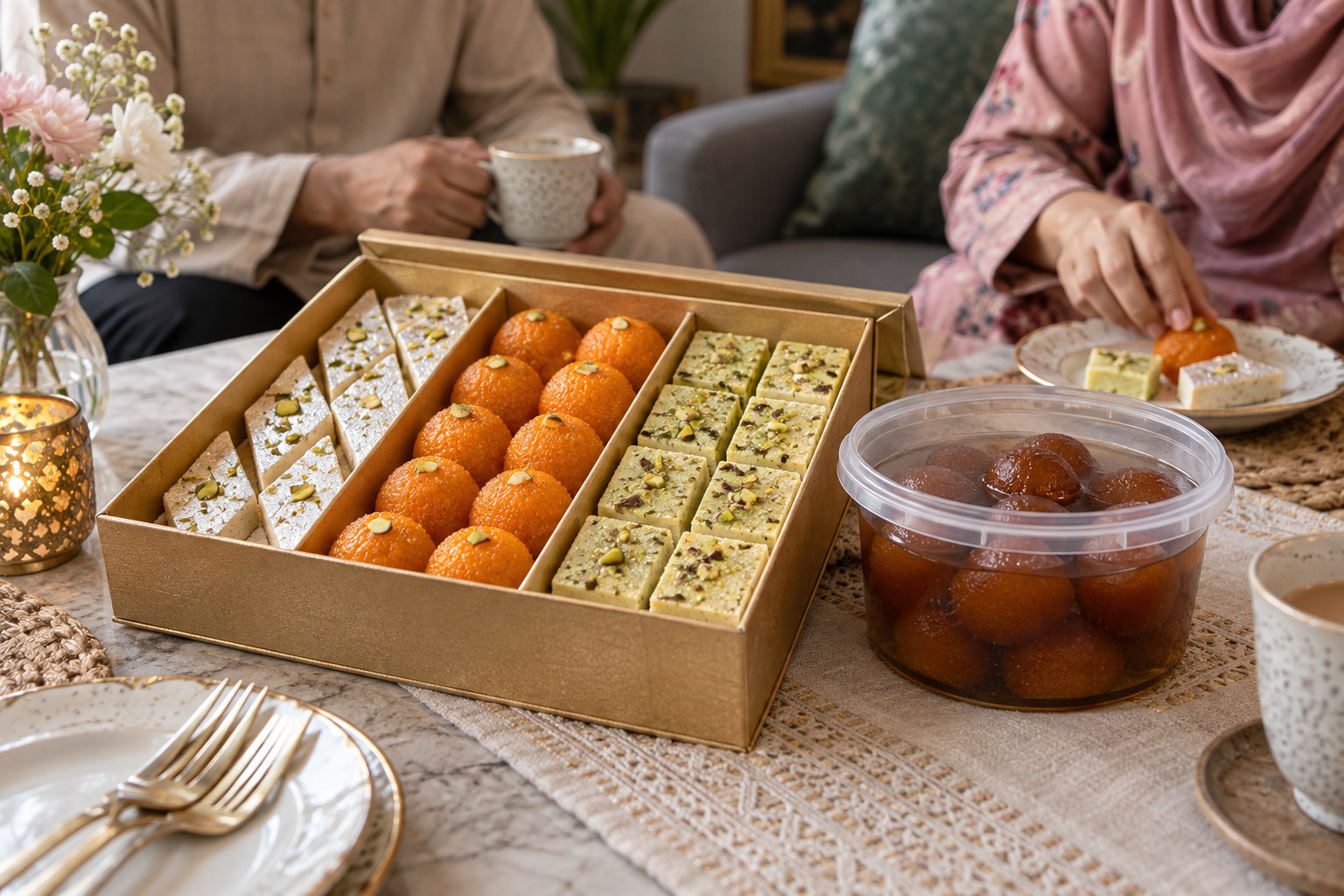
The freshness test is practical. Hot gulab jamun with syrup that is sweet without being a dare, and a texture that gives, is a dessert. A twelve-colour boxed mix is a gift product. Confuse them and you will hate mithai, which is a sad way to live around Pakistani celebrations. Ask when the gulab jamun was fried. A clerk who cannot say is running a different business than a craft counter.
Sohan, barfi, rasmalai, and jalebi each have their own failure modes: brick-hard sohan, dry barfi, rasmalai without milk character, jalebi that sat long enough to surrender crunch. Buy for the meal you are actually having. After dinner for two, three good pieces beat a heroic mixed box that will stale in the fridge.
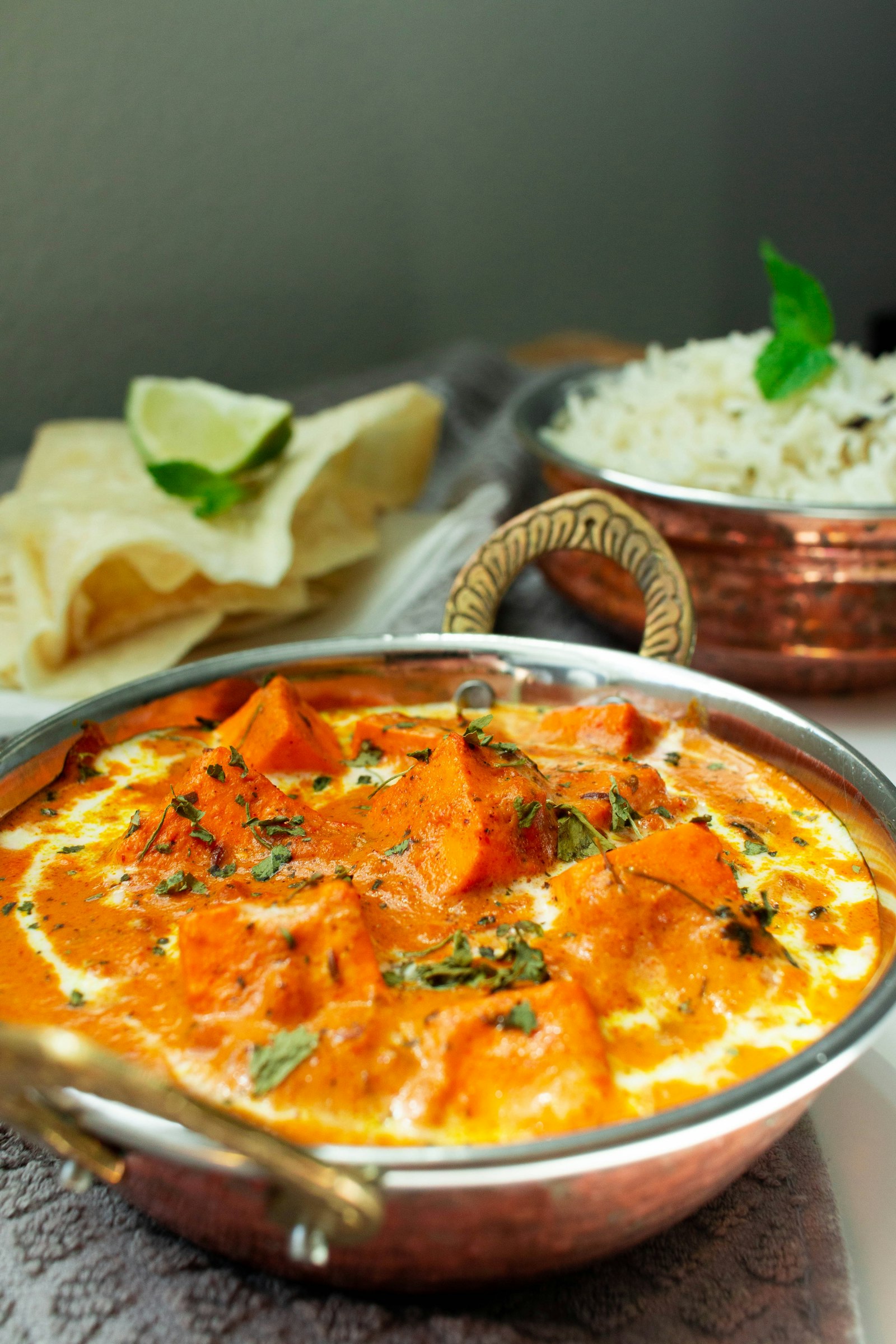
The mohalla halwai is not a failed brand
Neighbourhood halwais without logos often fry jalebi to the hour and pack plain cardboard. That plainness can be the point. Intimacy has a grammar: I know what your house eats, so I brought the tray we both trust. Distance has another grammar: I do not know your taste, so I spent on a recognisable name. Neither is automatically moral. The insult is stale mithai in an expensive box—the message that says “I paid” without saying “I paid attention.”
Eat neighbourhood mithai the day you buy it when the craft depends on temperature and syrup. Refrigeration can save some pieces and ruin others. If a sweet needs the fridge to be edible, it may already have lost the argument it was meant to make.
When the box is a gift
A box is correct after good news: a baby, a job, recovery, Eid, a Sunday you owe. Barfi and gulab jamun offend fewer households than pistachio sculptures that look like airport souvenirs. For a boss or formal colleague, a recognisable counter name can reduce anxiety. For a friend, your face at the door with a simpler box often carries more meaning than a rider and a glitter lid. If you cannot stay, the mithai is you briefly—write a name on the slip if the shop offers it.
- Baby visits: moderate sweetness, nothing that needs a lecture to eat.
- Office good news: sealed, labelled, easy to share at a desk.
- Neighbour reciprocity: local tray, timely delivery, no theatrical ribbon required.
- Long-distance family: choose pieces that survive the journey you actually have.
When the box is an insult
After a death, many households experience glitter assortments as tone-deaf. Plain presence, fruit, or a restrained tray—if anything—fits better than festival packaging. Local practice varies; when unsure, ask someone close to the family rather than defaulting to the brightest box in the shop. In Ramadan, arriving at asr with leaking gulab jamun can be poor timing; dates travel more kindly before maghrib.
The other insult is premium staleness: you paid for the name and received yesterday. Mall kiosks with barcodes are not automatically worse, but barcodes do not replace a cook’s sense of the hour. If you are buying for elders who grew up on a particular counter, substituting a random “luxury” mix can read as carelessness dressed as upgrade.
| Occasion | Safer register | Usually avoid |
|---|---|---|
| Eid reciprocal gifts | Pieces you would eat; include non-upward households | Only impressing the powerful |
| Office celebration | Sealed, shareable, labelled | Messy syrup bombs on a meeting table |
| Neighbour thanks | Local fresh tray, your presence | Anonymous rider flash if you could have walked over |
| Condolence | Presence; plain or fruit if food is appropriate | Glitter festival assortment |
| After-dinner dessert | Fresh pieces, small quantity | Warehouse mixed box as “dessert” |
Eid trays as a census
Eid is when mithai becomes social accounting. Send a box you would eat to houses that fed you through the year, including domestic workers if that is your household’s honest practice. Upward-only mithai is a career move. Sideways and downward gifting is how a neighbourhood still feels like one. Put the box out with tea rather than plating it after a heavy qorma as an afterthought mountain.
Host-side etiquette: eat what is fresh; give away what will not be eaten; do not treat mithai as immortal. A sweet that sits for days becomes a slow insult to the person who fried it. If flashy boxes accumulate in the dining room while the neighbourhood barfi disappears in the kitchen, believe that data next year.
The counters that still matter have a knife, a time of day, and an opinion. A box is a message. Write it on purpose.
Travel, heat, and the box that weeps
Syrup sweets weep in heat. If you are crossing a city in June, choose drier pieces for the journey and eat gulab jamun near the counter. Cardboard that looked fine in air-conditioning can soften into a sticky argument on a motorcycle. For flights and longer trips, check carrier rules and pack so soft sweets cannot crush; a separate hard container beats hope.
Diaspora shops abroad sometimes stock familiar names or approximate trays. Read dates, look at surface dryness, and ask staff what arrived that morning. A logo printed overseas is not the same supply chain as a Lahore counter. Adjust expectations without treating every foreign box as failure—some are excellent—and without pretending a sealed mix is fresh fry.
Allergies, diabetics, and the tray that needs a legend
Nuts, milk solids, and wheat appear throughout mithai. If you are gifting to a household with allergies, say so at the counter and choose simpler pieces, or gift fruit and tea instead. For relatives managing blood sugar, a smaller box of known pieces beats a surprise mountain. Food is care only when it matches the body that will eat it.
Children’s parties invite bright colours; that does not require you to buy the most dyed assortment available. A few excellent gulab jamun and barfi pieces, plus fruit, will usually outlast a rainbow tray that tastes of sugar and food paint. Hosts can plate small and refill rather than dump everything at once into a warm room.
Finally, keep receipts and shop names when ordering large Eid runs. Mistakes happen; calm returns are easier with a slip than with a voice note argument. The craft counters that still matter will usually rather replace a wrong box than inherit a public fight. Be the customer who makes that easy.
How shops actually pack—and what to request
Ask for firmer pieces at the bottom and softer syrup pieces separated if the shop will do it. Request that boxes not be stacked in a hot rider’s bag under three other orders if you are paying for a special trip. For hand delivery, leave the AC on in the car and do not place the box near an engine-warm floor. These are unromantic details. They decide whether the gift arrives as craft or as regret.
Corporate gifting seasons—Eids, promotions, account closures—produce industrial volumes. If you are ordering fifty boxes, visit the counter once, taste, and confirm production days. A brand can be excellent at retail and ordinary at bulk if the kitchen was not warned. Write the delivery window on the purchase order. Sweet shops are not courier companies with frosting.
When you receive a box, open it before the moment of ceremony if the occasion allows a quiet check. Replacing a smashed tray an hour early is kinder than unveiling disaster in a drawing room. That habit alone prevents a surprising number of family legends.
If you leave with one habit, make it this: ask when the piece was made, match the box to the relationship, and eat or gift while the craft still tastes like craft. Counters that still matter will meet you halfway. Warehouses with ribbons will sell you a message. Choose which one you are paying for.
Was this helpful?
Keep reading
Related stories
More from this desk, this beat, and the tags on this piece.
Readers
The conversation
0 notes
Anyone can leave a note. Guests add a name and email — no account required, and the email is never published.
No notes yet. Yours would be the first.