Qurbani meat safety: chilling, freezing and the journey home from the butcher
Qurbani creates an unusual food-safety challenge because families often expect meat soon after slaughter, before the full commercial chilling process is complete.
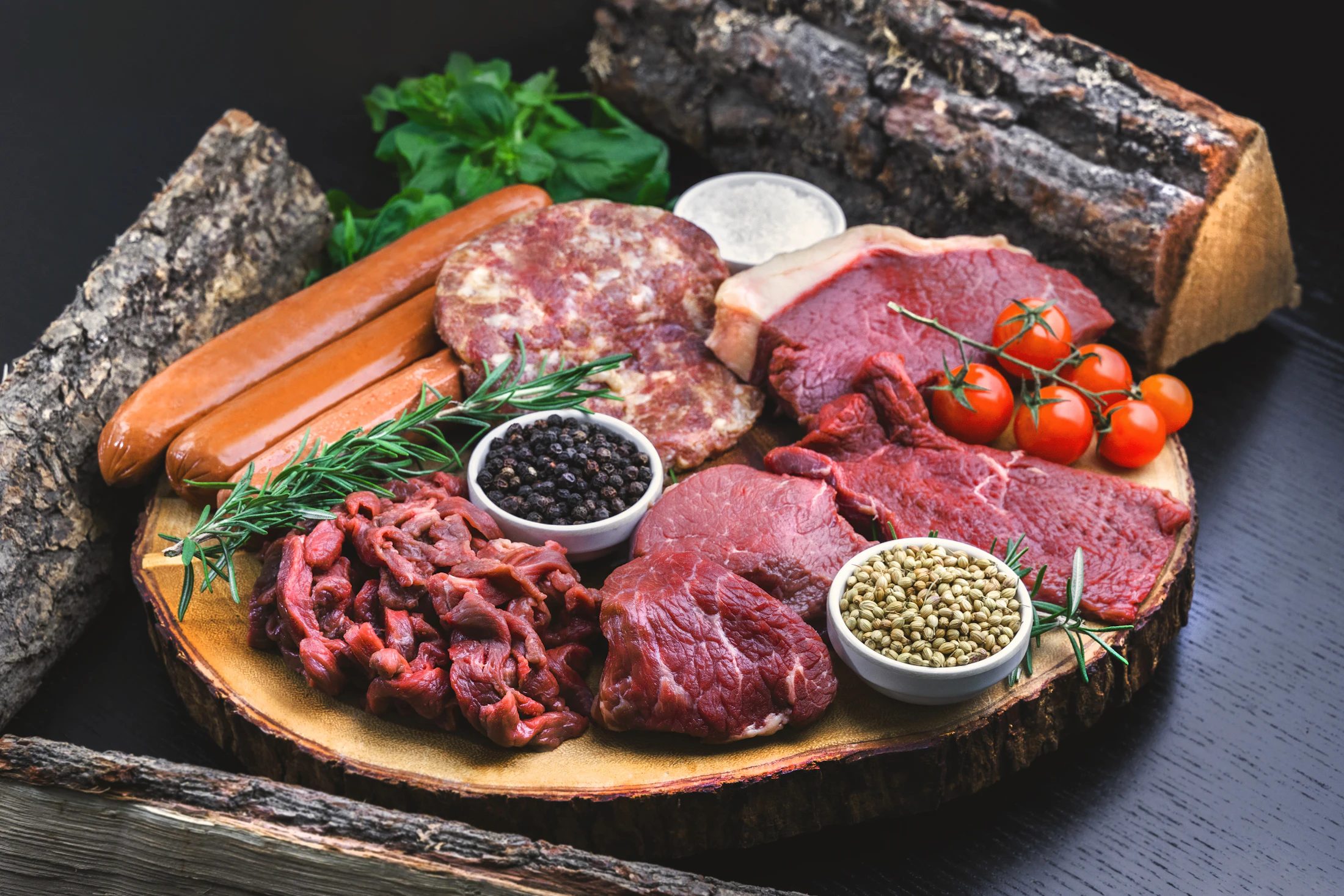
Qurbani meat reaches households through a timetable that ordinary supermarket meat does not. Religious practice creates strong demand for prompt collection and distribution, while meat hygiene normally depends on rapid chilling after slaughter. The UK Food Standards Agency has specifically studied this tension.
The FSA risk assessment notes regulatory targets of 7°C core temperature for meat and 3°C for offal in normal commercial chilling. Qurbani practice can mean collection before those temperatures are fully reached, making transport and household handling especially important.
Warm meat is not ready for a warm car journey
Meat leaving a slaughter or cutting environment can still hold significant internal heat. A car boot on a summer day adds rather than removes heat.
Use the collection and transport instructions provided by the approved slaughterhouse or butcher and go directly home rather than adding errands.
Time and temperature work together
Bacteria grow faster in favourable warm conditions. The food-safety goal is therefore to reduce the time meat spends warm and move it into effective chilling promptly.
A short controlled journey is different from leaving bags in a vehicle for several hours while visiting relatives.
Offal deserves extra attention
Normal commercial rules use a lower chilling temperature for offal than for carcase meat because offal can support rapid microbial growth.
Liver and other organs should therefore be handled promptly and separately according to food-business guidance.
Do not overload the household fridge
Putting a large quantity of warm meat into a packed domestic fridge can raise the temperature of everything around it and slow cooling.
Plan fridge and freezer capacity before collection, use shallow packages and follow the butcher's chilling advice.
Separate raw meat from ready-to-eat food
Raw juices can contaminate fruit, desserts, salads and cooked dishes. Use sealed containers and keep raw meat low in the fridge.
Wash hands, utensils and surfaces after handling raw meat rather than relying on a visual sense of cleanliness.
Freezing stops growth but does not sterilise
Freezing prevents most bacterial growth while food remains frozen, but bacteria can survive and become active again during thawing.
Meat should enter the freezer in a safe condition; freezing is not a rescue for meat left warm too long.
Portion before freezing
Family-sized packets freeze and thaw more predictably than one huge bag of mixed cuts.
Label cut and date so food is used intentionally rather than repeatedly thawed to discover what is inside.
Thaw safely
Defrost in the fridge or use a safe method recommended for the food, keeping raw juices contained.
Large bone-in joints can take much longer than expected, so plan ahead.
Cooking minced or mechanically handled meat
Mince and burgers need thorough cooking because bacteria from the surface can be distributed throughout.
Use a thermometer or current FSA cooking guidance rather than judging only external colour.
Sharing Qurbani meat
Distribution is part of the religious and social purpose, but each handover extends the cold chain.
Give recipients chilled or frozen meat in clean leak-proof packaging and tell them whether it needs immediate refrigeration or freezing.
What the evidence does not justify
The FSA's Qurbani risk assessment evaluates specific UK slaughter and supply scenarios. Exact safe procedures depend on the approved business, species, meat temperature, journey and local regulatory controls.
Practical checklist
- Collect from an approved legitimate supplier.
- Go directly home with meat.
- Plan fridge/freezer capacity in advance.
- Keep raw meat away from ready-to-eat food.
- Freeze in labelled portions once appropriately chilled.
- Keep distribution cold.
Qurbani food safety is mostly a logistics problem. Respect the religious timetable while taking the cold chain seriously, and the act of sharing meat remains generous without transferring avoidable risk.
The practical conclusion
The useful endpoint for Qurbani meat freezing chilling safety is a small number of behaviours supported by the evidence: change timing, choose a safer substitute, screen earlier, store food correctly, read the label or seek assessment for a warning sign.
Evidence-based writing becomes easier to trust when it leaves readers with proportionate actions rather than a list of alarming facts.
Separate mechanism from outcome
For Qurbani meat freezing chilling safety, it is useful to distinguish what can be measured in a laboratory from what has been shown to improve a real health or cooking outcome. A plausible mechanism—acid changing protein, polyphenols binding iron, melanin absorbing UV—helps explain a result but does not by itself quantify the size of that result in every person or recipe.
Research quality improves when mechanism, controlled experiment, observational association and clinical guidance are not blended into one level of certainty.
Dose and context change the effect
Qurbani meat freezing chilling safety is rarely an all-or-nothing exposure. The amount, timing, frequency, temperature, food matrix, skin type, disease status or baseline risk can change whether an effect is meaningful.
Population advice is not an individual diagnosis
Guidance linked to Qurbani meat freezing chilling safety can identify groups with higher average risk or recommend a safe preventive behaviour. It cannot tell one reader whether they personally have a deficiency, disease or future event without appropriate assessment.
Traditional practice can be sensible without proving every explanation
Some habits connected with qurbani meat freezing chilling safety developed through practical observation long before modern biochemistry. A method may work while the popular explanation for why it works is incomplete or wrong.
Respect for tradition and scientific scrutiny are compatible. The strongest article can say “this technique is useful” while also correcting an exaggerated mechanism.
Substitution matters more than removal
Nutrition questions around qurbani meat freezing chilling safety often depend on what replaces a food rather than whether it disappears. Replacing saturated fat with unsaturated fat is different from replacing it with refined carbohydrate; moving tea away from a meal is different from removing all tea.
This is why useful advice describes the alternative behaviour instead of only naming something to avoid.
Measurement has limits
Numbers used in qurbani meat freezing chilling safety—BMI, Brix, SPF, HbA1c, AQI, grams of protein or degrees of doneness—compress a complex system into a practical indicator. They are valuable when their scope is understood.
A single number should not be promoted into a universal quality score. Use it alongside the other variables that materially affect the decision.
Food and health safety outrank optimisation
When qurbani meat freezing chilling safety touches raw meat, supplements, medication, sun exposure or suspected disease, the safety threshold matters more than squeezing out a small performance benefit. Refrigeration, appropriate dosing, diagnosis and sunburn prevention are foundational.
A cooking hack or wellness routine is not successful if it increases avoidable risk in order to improve texture, colour or convenience.
Use the highest-quality source available
For qurbani meat freezing chilling safety, clinical or public-health claims should come from recognised health bodies or peer-reviewed research, while regulatory rules should come from the regulator. Retailers and lifestyle sites can be useful for examples, not for settling safety questions.
When studies disagree or address different populations, explain that rather than choosing the most dramatic number.
Who should get personalised advice
Pregnancy, childhood, kidney or liver disease, diabetes, cardiovascular disease, allergies, prescribed medicine and previous severe reactions can all change the advice around qurbani meat freezing chilling safety.
How to use this article as a reference
Save the specific official or primary source that matters most for qurbani meat freezing chilling safety, along with the date you checked it. If the subject is commercial, keep the product label or receipt; if it is administrative, keep the application reference; if it is health-related, write down the question you need to take to a clinician. This turns reading into a record you can use later.
When circumstances change, update the one fact that changed rather than discarding the whole guide. That is especially important for regulations, travel conditions and health guidance, where a stable underlying principle can coexist with changing thresholds or procedures.
Questions worth resolving before you act
For qurbani meat freezing chilling safety, write down the exact decision you are making and the evidence that would change it. That may be a current fee, eligibility rule, test result, product composition, measured risk factor or official definition. Separating the decision from the background information helps prevent an interesting fact from being mistaken for the one fact that actually controls the next step.
For readers using this food safety guide, Also check whether the article's strongest source is current for your use. A census figure can remain valid as a historical benchmark, while an immigration threshold or health guideline may change. The publication date of the source should therefore be treated as part of the evidence rather than invisible metadata.
Keep the next step proportionate
High-quality information should reduce uncertainty without creating unnecessary alarm. If qurbani meat freezing chilling safety raises a low-risk practical question, use the official checklist and proceed. If it raises a potentially serious health, legal or immigration issue, move to the relevant professional or authority rather than stacking more secondary articles.
Sources and official profiles
Filed under
Was this helpful?
Keep reading
Related stories
More from this desk, this beat, and the tags on this piece.
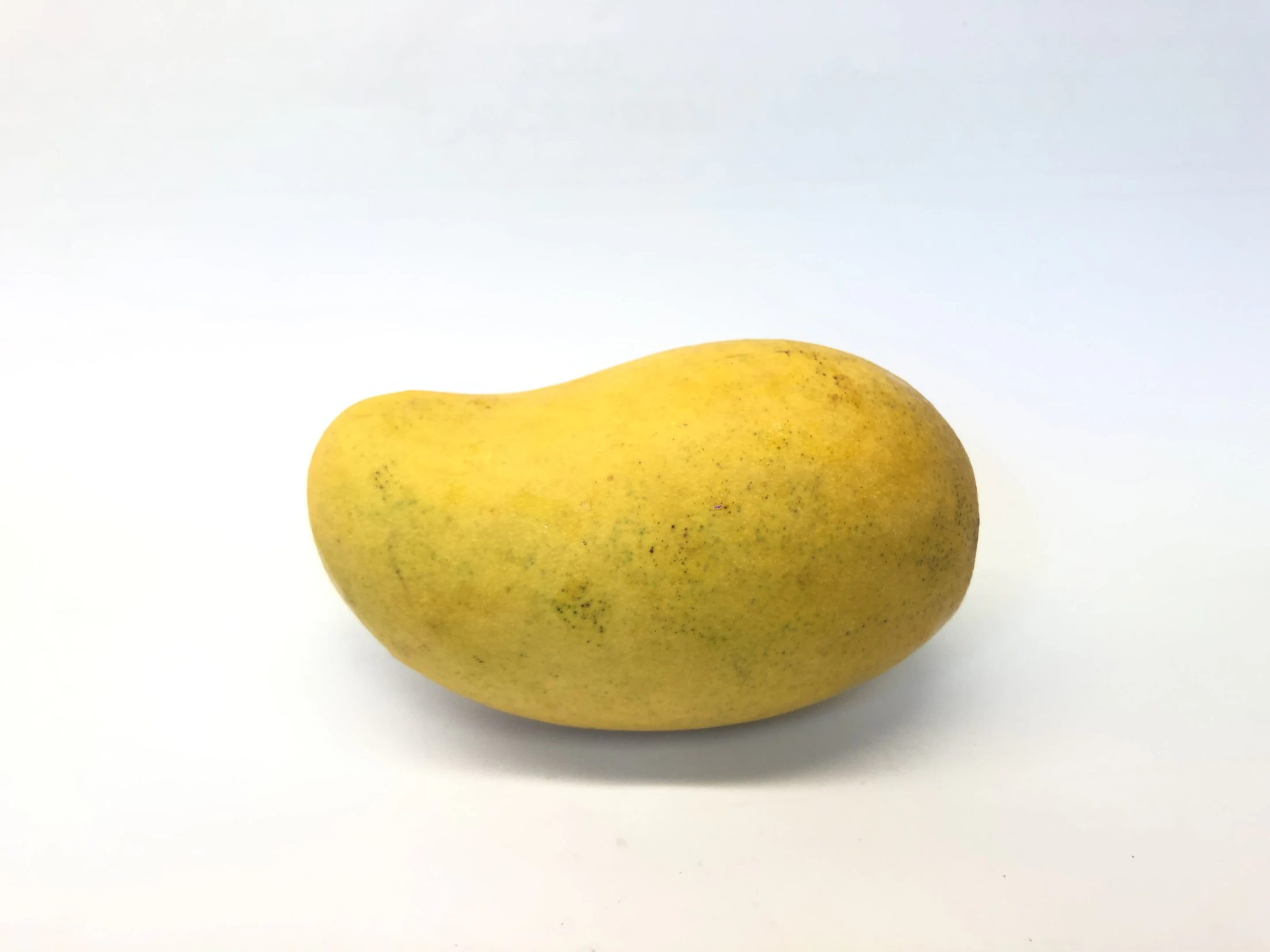
Sindhri, Chaunsa or Anwar Ratol? A factual guide to Pakistan's major mango varieties
Hassan Raza · 1 Oct 2026
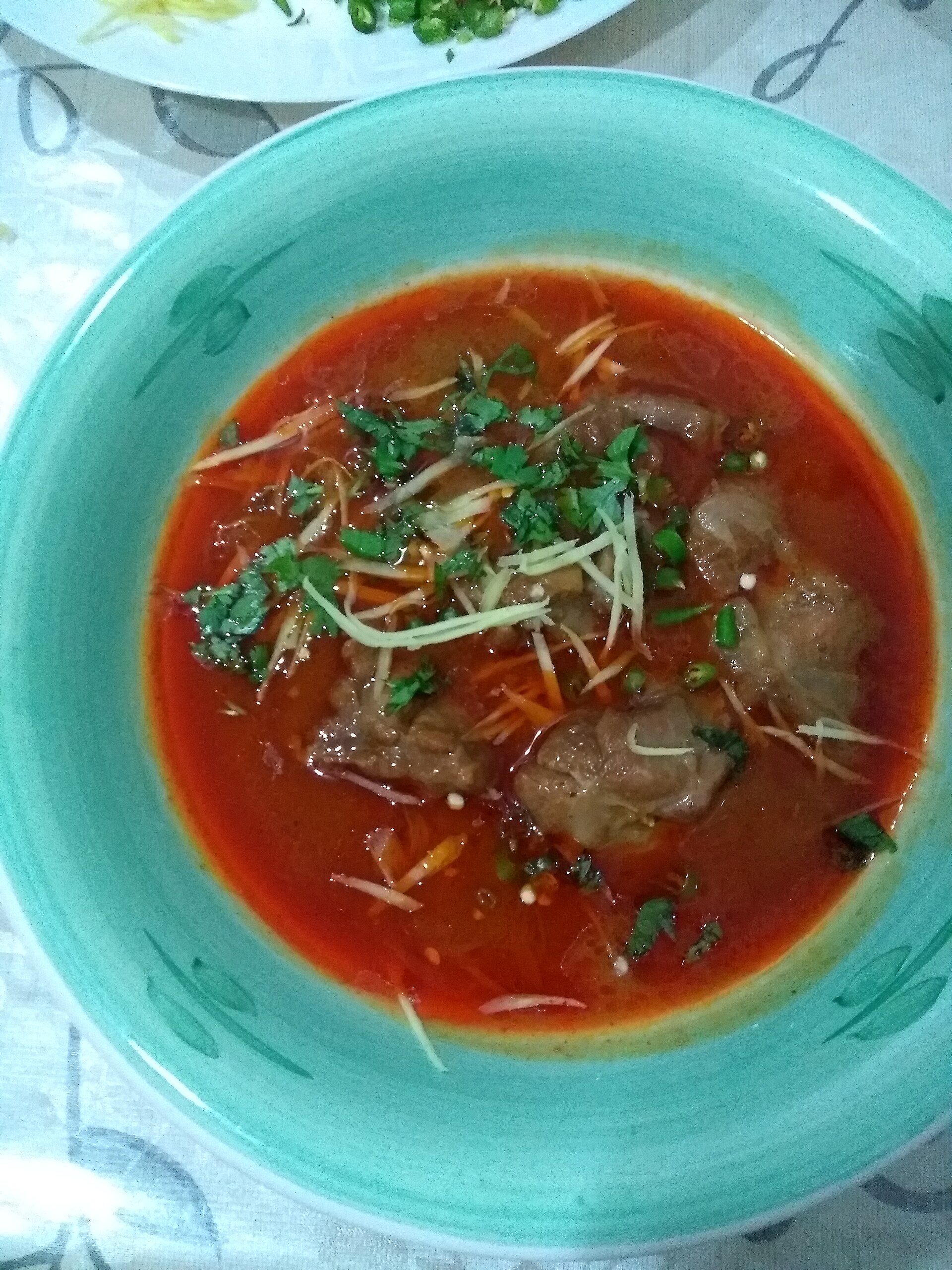
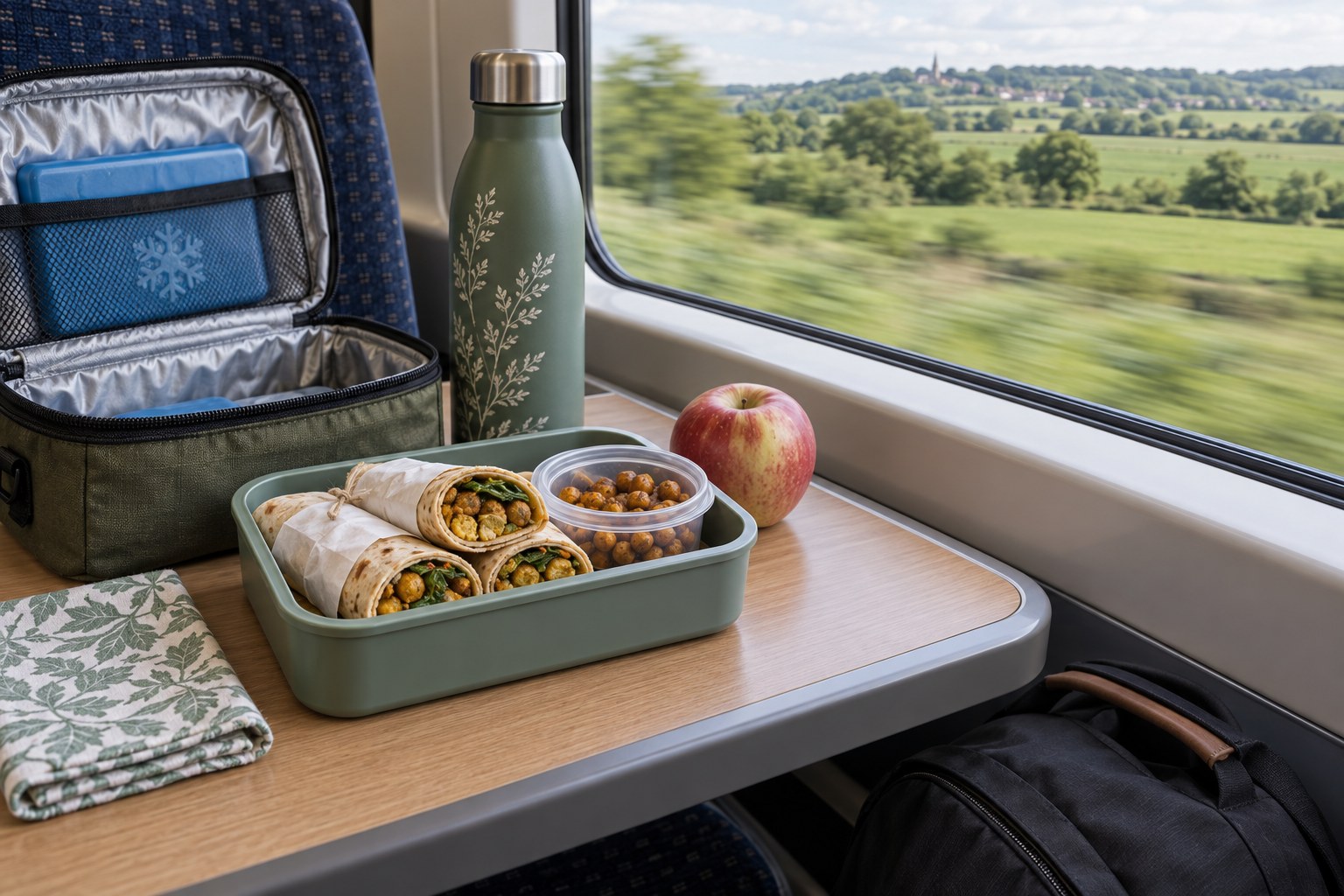
Sarson ka saag for a British kitchen: use greens for flavour, not nostalgia
Hassan Raza · 17 Oct 2026
Readers
The conversation
0 notes
Anyone can leave a note. Guests add a name and email — no account required, and the email is never published.
No notes yet. Yours would be the first.