Building a US spice drawer that matches Pakistani recipes
A staged US pantry build for Pakistani home cooking: the first twelve tins, what can wait, whole versus ground, storage that protects aroma, and how to keep weeknight daal from tasting like cardboard.
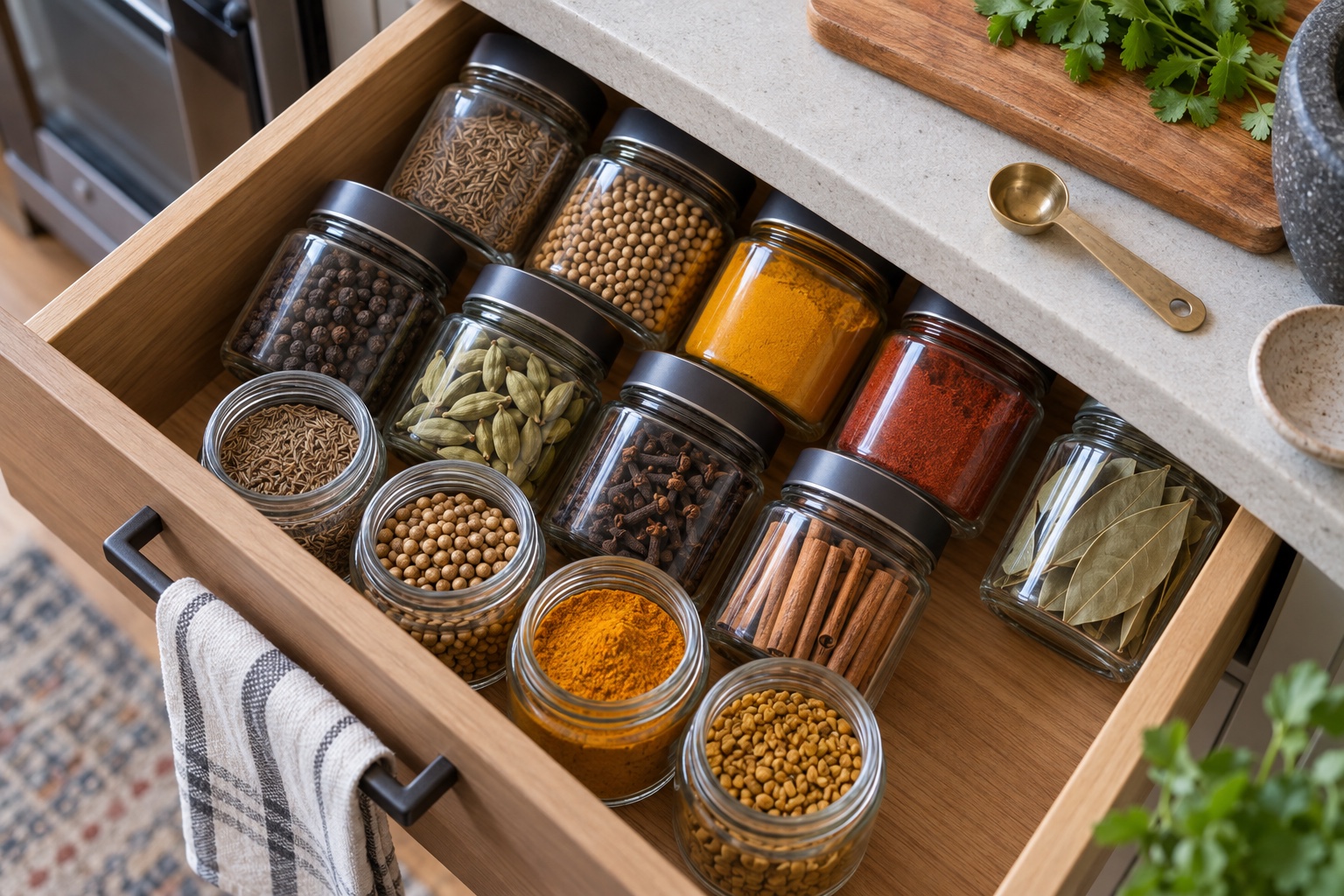
A Pakistani recipe fails in a US kitchen less often from missing technique than from a spice drawer that is either empty or full of tired dust. You do not need a wall of tins on week one. You need a short buying order that lets daal, salan, keema, and a simple pulao taste decided, then a restock habit that respects how ground spices fade. This is a pantry build guide for diaspora cooks in the United States, not a ranked shop list and not a claim that one supermarket brand equals “authentic.”
The first dozen that unlock most weeknight plates
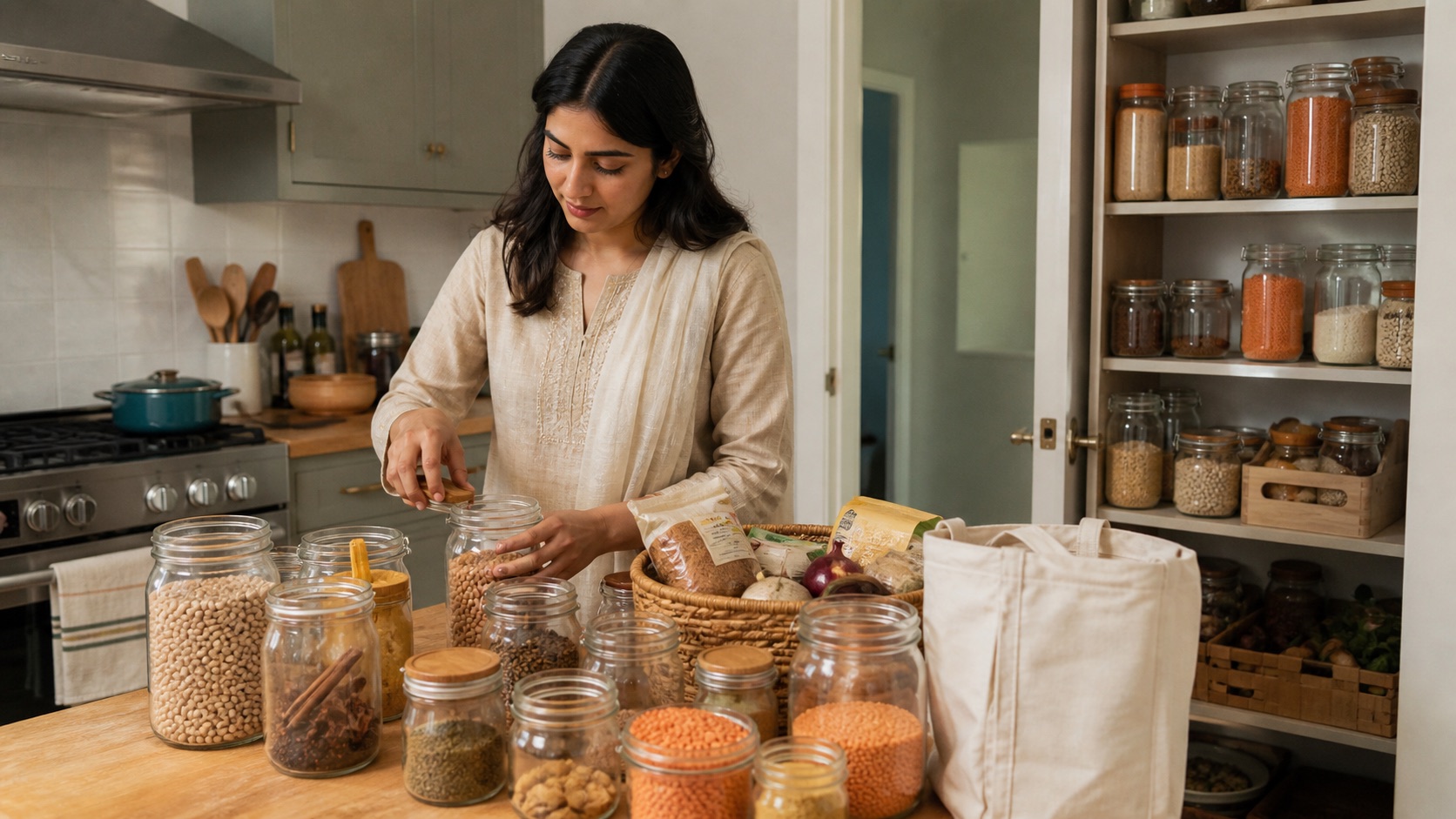
Buy these before decorative blends. Whole forms keep longer; grind small batches if you have a dedicated spice grinder or a clean coffee mill used only for spices.
- Cumin seeds (zeera): tadka, keema, raita tempering
- Coriander seeds or ground coriander (dhania): the backbone of many salan masalas
- Turmeric (haldi): colour and base warmth; buy modest jars and refresh
- Red chilli powder or crushed chilli: match heat to your household, not to a restaurant reel
- Kashmiri-style mild red chilli (if you can find it): colour without blowing out the dish
- Garam masala: finishing blend; smell before you buy; stale garam masala is expensive cardboard
- Black peppercorns
- Mustard seeds: for certain tadkas and achaar-adjacent cooking
- Fennel seeds (saunf) and/or fenugreek seeds (methi): small bags; a little goes far
- Cardamom (green), cloves, and cinnamon or cassia: the sweet-savoury trio for chai, rice, and qorma
- Bay leaves
- Dried fenugreek leaves (kasuri methi): crush between palms at the end of tomato-forward gravies
Salt, neutral oil, and ginger-garlic paste (fresh or frozen cubes) sit beside the drawer even if they are not “spices.” Without them the dozen above still underperforms.
Whole versus ground: what to buy first
| Spice | Prefer whole when… | Ground is fine when… |
|---|---|---|
| Cumin | You tadka often and want seeds that crackle | You cook rarely and will finish a small jar in months, not years |
| Coriander | You can grind a week’s worth at a time | You need speed for weeknight salan bases |
| Chilli | You want crushed flakes with texture | Your household wants a predictable powder heat |
| Garam masala | You roast and grind your own blend | You buy small, aromatic jars and replace them |
| Cardamom / clove / cinnamon | Always, for chai and rice | Only as a backup pinch for baking-adjacent sweets |
Ground turmeric and mild red chilli are practical exceptions: most home cooks buy them powdered. The rule is still freshness, not purity theatre. A vivid jar you will finish beats a romantic sack you will ignore until it fades.
What can wait until the second shopping trip
Saffron, black cardamom, mace, nutmeg, dried ginger, nigella (kalonji), amchur, anardana, and specialty chaat masalas are real tools, just not the reason Tuesday daal fails. Buy them when a recipe you will actually cook twice calls for them. Pre-mixed “biryani masala” or “karahi masala” can help a new cook, but read the ingredient list: salt-heavy blends punish you when the recipe also says “salt to taste.”
Storage that protects aroma
USDA Food Safety and Inspection Service consumer material on food product dating is a reminder that quality dates on shelf-stable foods are about best quality, not a magical safety cliff. Spices are dried and shelf-stable, but ground spices lose volatile oils. Practical rules that match how Pakistani cooking tastes:
- Keep jars tightly closed, away from the hob’s steam and the dishwasher’s humidity.
- Prefer opaque tins or dark cupboards; sunlight fades colour and smell.
- Label the purchase month on masking tape. Ground chilli and garam masala deserve earlier replacement than whole cumin seeds.
- Do not shake a wet measuring spoon into the jar. Tip into your palm or a dry bowl first.
USDA FSIS food safety basics are written for perishable cooking more than spice jars, but the same household discipline applies: clean tools, dry hands, and no cross-contamination from raw meat boards into open spice mouths. If a ground spice smells flat, toast a pinch in a dry pan; if nothing wakes up, replace it. Whole seeds that still pop and perfume a tadka can stay.
A four-week build order for a nearly empty apartment
Week 1: cumin, coriander, turmeric, chilli, salt, oil, ginger-garlic.
Week 2: garam masala, peppercorns, cardamom–clove–cinnamon set, bay.
Week 3: mustard, fenugreek seeds, kasuri methi, one finishing chilli you like.
Week 4: fill gaps your actual recipes demanded, not gaps a viral “50 spices” graphic invented.
Cook one familiar dish after each shop. The drawer is finished enough when you can make daal tadka and a tomato salan without an emergency drive for a single missing tin.
Which dishes the first dozen actually unlock
- Daal tadka: cumin, chilli, turmeric, maybe mustard or methi in the tempering
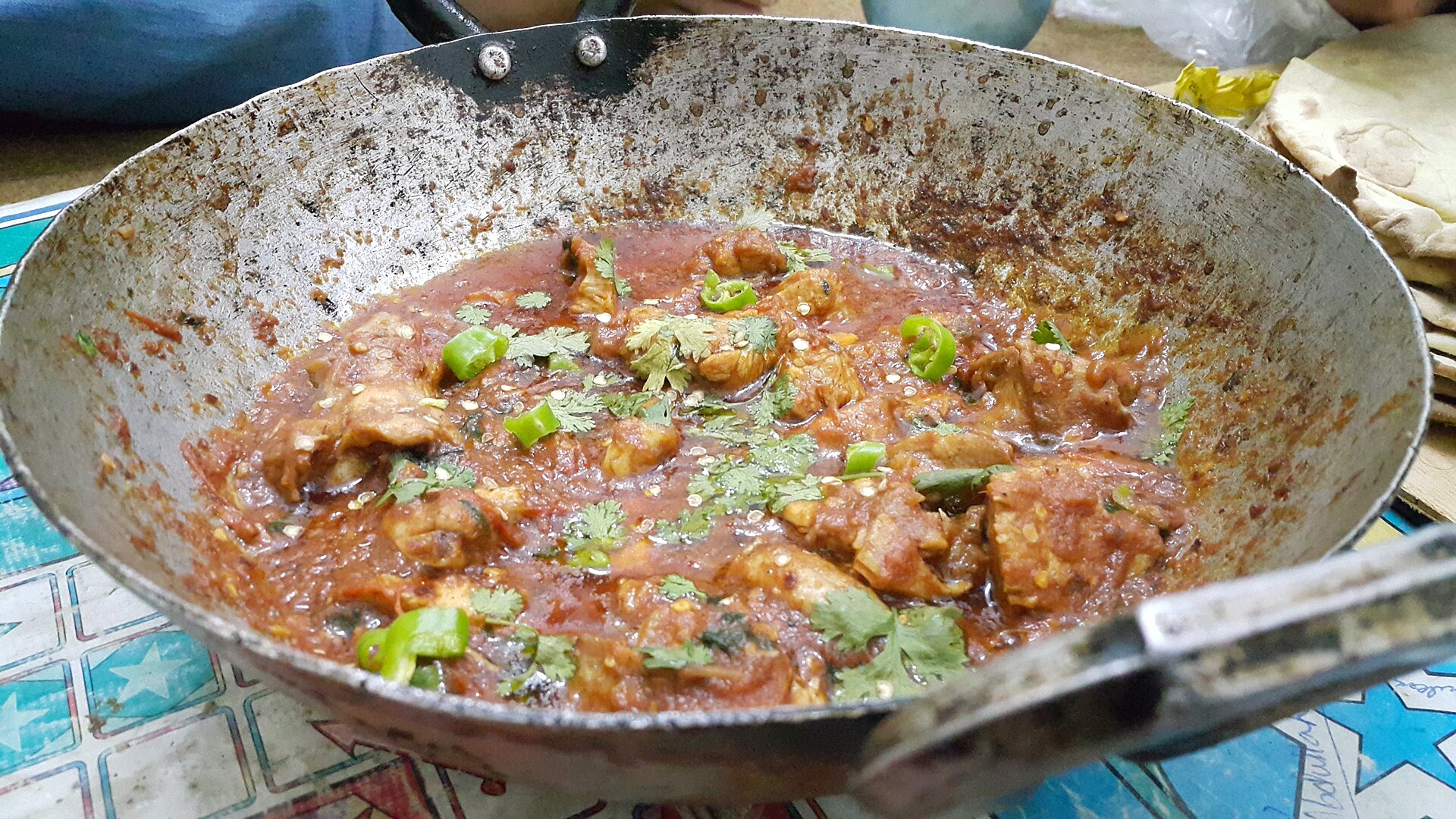
- Simple tomato salan or keema: coriander, cumin, turmeric, chilli, garam masala at the end
- Weeknight pulao: cumin, bay, cardamom, clove, cinnamon, pepper
- Chai: cardamom, cinnamon, clove, pepper if you like it sharp
If your household cooks karahi more than daal, shift week 2 toward crushed chilli and kasuri methi earlier. The build order should follow the plates you eat, not a catalogue fantasy of regional completeness.
Freshness tests that beat a calendar guess
Open the jar and smell before you cook. Cumin should smell warm and peppery, not dusty. Ground coriander should smell citrus-woody. Garam masala should smell like a finished dish waiting to happen. If you have to bury your nose in the lid to detect anything, the spice is already late for replacement.
Colour helps for chilli and turmeric: faded orange powder that once stained a spoon aggressively is often aroma-dead as well. Whole seeds get a dry-pan test: ten seconds of heat should release perfume. If they stay mute, replace them. Do not “use more” of a dead spice to force flavour; you will only add bitterness and colour without character.
Shopping notes for US aisle reality
In a South Asian grocer, buy whole cumin and coriander in sizes you will finish in months, not decorative sacks for a warehouse kitchen you do not have. In a mainstream supermarket, prefer the smallest aromatic jar over the largest cheap one. Check whether the lid seal is intact. Avoid endcap “world foods” jars that look sun-bleached.
If your household cares about shared-equipment lines for blends, ask the grocer or read packaging rather than inventing a purity rule from social media. Single-seed bags are usually easier to evaluate than mystery masala mixes. Keep a running phone note of what you ran out of during real cooking weeks; that list is a better restock guide than any influencer pantry tour.
Toast, bloom, and finish: where drawer quality shows
Whole cumin in hot oil should crackle and perfume within seconds. Ground coriander bloomed briefly in oil should smell round, not raw and grassy. Kasuri methi should be crushed late so it stays fragrant. Garam masala usually finishes a dish rather than frying for minutes at the start. When those moments smell flat, the drawer is the culprit more often than your “hand” for seasoning.
Keep chilli heat and chilli colour as separate decisions when you can: a mild Kashmiri-style powder for redness, a hotter powder or crushed chilli for burn. Restaurant colour with home-table heat control is a pantry skill, not a single jar labelled “red chilli.”
Everything beyond the first dozen is refinement, not permission to delay dinner. A working Pakistani spice drawer in the US is a short list kept alive, not a museum of jars with intact seals and dead scent.
Sources and official profiles
Was this helpful?
Keep reading
Related stories
More from this desk, this beat, and the tags on this piece.

Readers
The conversation
0 notes
Anyone can leave a note. Guests add a name and email — no account required, and the email is never published.
No notes yet. Yours would be the first.