Chicago versus Detroit for a Pakistani grocery stock-up weekend
How Midwest Pakistani households choose Chicago or Detroit as a grocery stock-up base by drive corridors, freezer capacity, and verified specialty hours rather than a ranked shop list.

Midwest Pakistani households do not argue about Chicago versus Detroit because one metro has “better food” in some abstract sense. They argue because a weekend of spice jars, frozen fenugreek, boxed mithai, and a cooler of meat has to survive traffic, lodging, Friday prayer timing, and the size of the freezer waiting at home. Both regions support dense South Asian retail. They do not share the same highway shape, parking rhythm, or how far you can haul frozen goods before the ice packs stop telling the truth.
This comparison is for people who already know they need a stock-up: a nearly empty pulse cupboard, a specialty that never appears in their own suburb, or a cooler run for relatives who will meet halfway. It is not a scored shortlist of shops. Store hours, ownership, and stock change. What travels well is a method for choosing a base city and then verifying shops yourself.
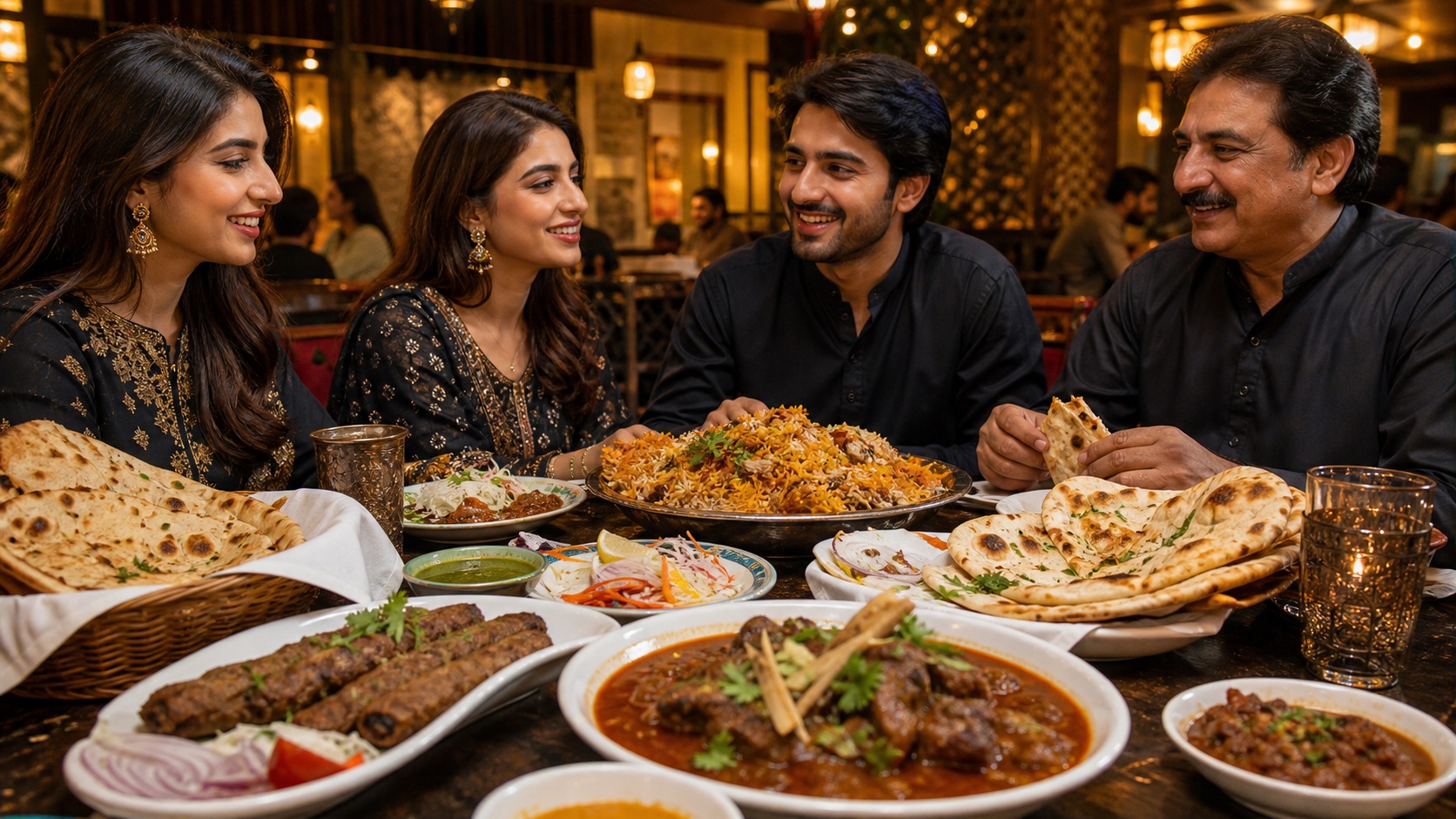
Name the weekend’s job before you open maps
Three different weekends look alike on a group chat and behave differently on the road.
A cupboard rebuild wants dry goods first: rice, lentils, spices, pickles, atta, tea. Those bags tolerate longer hops and a hotel overnight. A specialty hunt wants one or two named products: a particular cut of meat, a regional spice blend, fresh naan on a known bake schedule, mithai for a date. That weekend fails if you treat every “Desi market” as interchangeable. A family handover wants a meeting point more than a trophy corridor: one overnight near the relatives who will take half the cooler, then one verified shopping strip, not both metros in forty-eight hours.
Write the job in one sentence. If the sentence contains “and also Chicago and also Detroit,” cut it. Rivalry weekends are how coolers thaw and elders get exhausted.
Drive time is the real budget
Treat each metro as a set of corridors, not a pin on a tourist map. A hop that looks like twenty minutes between two South Asian retail strips can become forty-five once Friday afternoon freight, weather, and construction stack. Before you commit lodging, open a live map for the hours you will actually move (late morning, post-Jummah, early evening) and test two or three lodging or relative addresses against two or three shopping clusters you already trust from people who shop them, not from a stranger’s listicle.
Chicago’s sprawl rewards lodging near the densest corridor you can confirm on the shops’ own channels if your household can manage one longer transfer and then walk or short-hop between bread, frozen goods, and a second specialty stop. Detroit’s metro pattern can feel more clustered in some corridors and more spread in others; the same rule still applies. Proximity beats variety when elders need short hops and a quiet return to rest. Plan one specialty hunt per day instead of three if the people in the car cannot absorb another highway leg with a full cooler.
If you already live closer to one corridor and only need a specialty top-up, the closer verified cluster usually beats a longer rivalry drive. Taste arguments can wait until the ice packs are still solid.
Freezer and cooler maths before the cart
Measure home freezer space before you leave, not after the trunk is full. A family stock-up of frozen vegetables, meat, and parathas can displace a week of ordinary meal prep if the freezer at home is already packed. Clear a continuous shelf or drawer so arrival is sorting, not Tetris under time pressure.
Pack a hard-sided cooler with ice packs sized for the drive home, including any rest stop. Soft grocery bags alone are not a cold chain. Separate “must stay frozen” from “can ride chilled” and from dry goods. Put frozen items in last at each stop and first into the cooler. If space is short, buy fewer frozen SKUs and more shelf-stable pulses, rice, spices, and pickles. Two solid trips beat one soft mountain.
For general safe handling once food is home, keep the USDA Food Safety and Inspection Service leftovers and food safety guidance bookmarked. Soft, warm packages of products you intended to keep frozen are a quality and safety decision on arrival, not a seasoning problem later. FSIS’s Danger Zone guidance (about 40°F to 140°F / 4°C to 60°C) is the public baseline for why a cooler that warmed through Friday traffic is not a minor inconvenience.
Specialty hunting without inventing a shop ranking
Name the product class, not the brand fantasy. Fresh bread on a known bake schedule, frozen fenugreek, a specific cut of meat, regional spice blends, mithai for a date: each implies different hours, portion logic, and whether a phone call matters.
Collect candidates only from primary sources. Prefer the shop’s own site, current online hours, or official ordering profile over screenshots forwarded in a family chat. Verify the day you will shop: address, hours, whether the specialty is listed for that day, and whether the location is the same one people remember from years ago. Call or message with real constraints: cooler capacity, halal documentation questions you care about, parking with elders, and whether large frozen orders need notice.
Keep one backup in the same corridor. A backup across town with a full cooler is not a backup; it is a second trip that risks thaw. Do not treat a viral reel as proof of today’s stock. Do not assume “Pakistani” or “Desi” on a sign means every regional item exists daily. When relatives insist on a name you have never heard, ask them for the official page or listing they last used, and open it yourself. If the page is thin, outdated, or only a phone number, plan a confirmation call before you build the weekend around it.
How the two metros differ as logistics, not trophies
Chicago versus Detroit, for this purpose, is a lodging and corridor choice. Chicago often means accepting longer absolute distances between neighbourhoods and protecting the cooler against multi-stop ambition. Detroit often means testing whether the corridor you heard about in a voice note is still the corridor that opens on the day you arrive, then refusing to add a second metro “because we are already out.” Neither city wins on taste in this article. The metro that wins for your household is the one where lodging, prayer rhythm, drive tolerance, cooler capacity, and verifiable shops align for the people who will unload the bags.
If you are meeting family who live between the two, treat the meeting point as the overnight base and run one specialty corridor from there. The rivalry only matters if both cities are equally reachable and you still have freezer room. Otherwise the closer verified door is the adult choice.
A weekend shape that usually survives
Arrive with dry-goods space already cleared at home and a cooler already cold. Shop frozen and meat on the outbound or midday leg while ice packs are strongest. Keep bread and mithai for the last stop so soft packages are not crushed under atta bags. Leave highway slack for a wrong turn and a closed shutter. Eat before the last specialty stop so hunger does not invent a third corridor.
On the drive home, open the cooler only when you must. At arrival, frozen goods go in first, then chilled, then dry sorting. Anything that arrived soft and warm is a discard or cook-soon decision guided by FSIS leftover caution, not a pride project about the money spent.
Keep a short note of what worked: which corridor matched the hours you checked, which specialty needed a call, which lodging made elders willing to do a second short hop. That note is more valuable next year than any viral shop ranking. Chicago and Detroit both feed diaspora pantries well when the weekend is designed around cold storage and hours you checked. Pick the map where the cooler stays cold and the door you walk through still matches the listing you opened. Taste comes after the ice packs stop lying.
Sources and official profiles
Was this helpful?
Keep reading
Related stories
More from this desk, this beat, and the tags on this piece.

Readers
The conversation
0 notes
Anyone can leave a note. Guests add a name and email — no account required, and the email is never published.
No notes yet. Yours would be the first.