Choosing UK South Asian grocery delivery without wasted freezers
Compare UK South Asian grocery delivery by windows you can meet, frozen versus chilled handling, freezer measurements and substitution rules that protect food safety and shelf space.
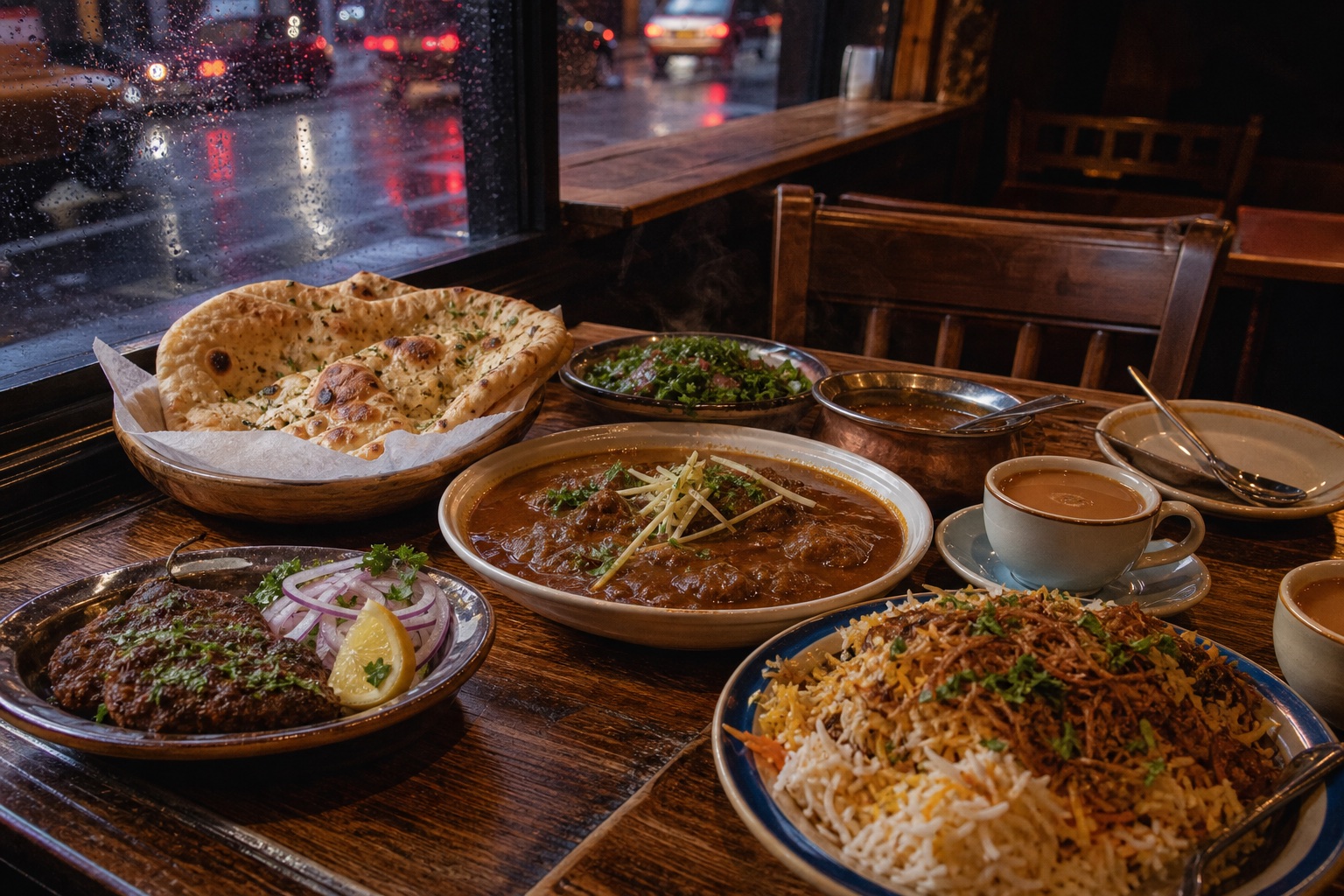
The freezer fails first when a South Asian grocery van arrives while you are still on the train. Parathas soften in the hallway. Methi leaves thaw into a wet block. A “deal” on three kilos of frozen seekh becomes a logistics problem, not a saving. Choose the service by how the cold chain meets your doorway, not by how crowded the homepage looks.
This is a method for comparing deliveries in Britain. It does not rank retailers. Names, prices and app features change. The questions that protect food and freezer space stay useful. British Pakistani households often buy frozen flatbreads, block frozen spinach or methi, chilled yoghurt by the litre, and spice stocks in the same order. That mix is exactly why doorway timing matters more than homepage banners. After the bags land, home handling still follows public food-hygiene baselines from the Food Standards Agency.
Why South Asian baskets break ordinary delivery habits
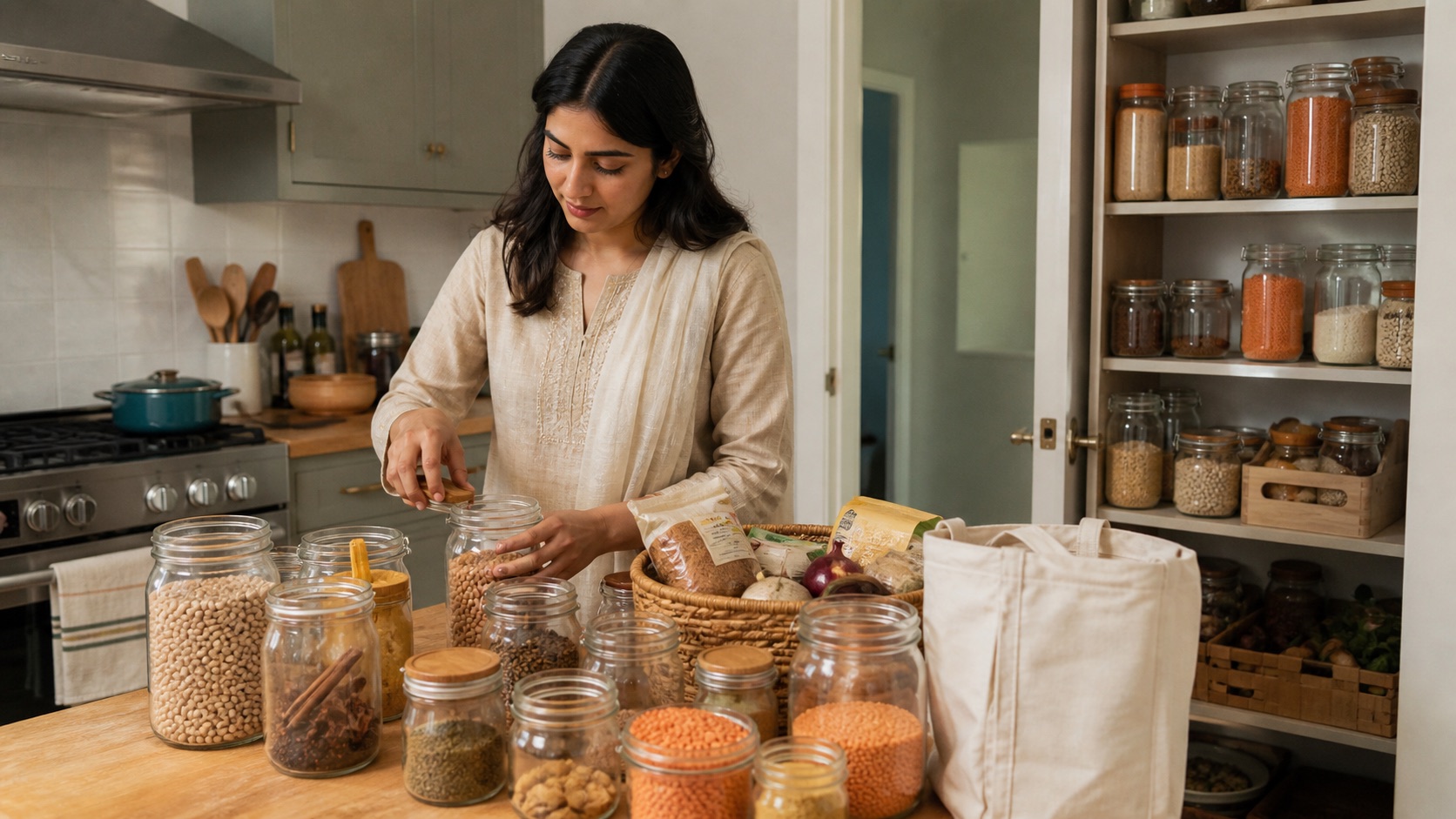
A standard supermarket shop may be mostly ambient. A South Asian delivery often concentrates value in the frozen and chilled lines: paratha, samosa sheets, seekh, paneer, yoghurt, fresh coriander that wilts in an hour on a radiator shelf. If those lines fail, the order has failed even if the rice arrives perfect. Build the comparison around cold cargo first.
Also notice pack sizes aimed at catering. Warehouse clubs and specialist apps sometimes default to weights that assume a joint family freezer. A couple in a studio flat is not failing at culture by choosing smaller packs. They are matching storage to housing.
Delivery windows you can actually meet
- Write the hard arrival rule. Who will be home for the full slot, including early arrival? If nobody can unpack within minutes, shorten the order or choose a later window.
- Separate frozen, chilled and ambient in your mind before checkout. A mixed bag only works if you can park frozen items first, then dairy and meat, then dry goods. If the slot is tight, drop ambient spice and rice for a walk-in shop and keep the van for cold cargo.
- Ask what “leave safe” means for temperature-controlled food. A porch box may be fine for dry lentils. It is rarely fine for frozen dough or chilled yoghurt. Prefer a signed-for handoff when the order is mostly frozen.
- Measure your freezer before you shop the deals aisle. Empty one shelf, note the usable height, and refuse multi-buy packs that only fit if you dismantle last month’s leftovers.
Frozen versus chilled is not a marketing preference
Frozen food needs to stay hard until it reaches your freezer. Soft edges, ice crystals pooling as water, or warm packaging are reasons to refuse the item or photograph it and contact the retailer before the driver leaves. Chilled goods (fresh meat, dairy, prepared foods with use-by dates) belong in the fridge promptly.
Official food-hygiene guidance treats chilling and freezing as ways to slow harmful bacteria. The Food Standards Agency’s chilling, freezing and defrosting advice is a practical baseline for home handling after delivery. Business guidance on keeping chilled food at 8°C or below explains why a long wait in a warm hallway is a safety question, not only a texture question.
Defrost in the fridge when you can. Do not refreeze something that arrived half-thawed unless the retailer and the packaging instructions clearly support that decision. Label what you keep with the purchase date and the intended cook date so mystery bags do not become freezer archaeology.
| Bag type | Doorway priority | Refuse or query if |
|---|---|---|
| Frozen paratha, veg, kebabs | Straight to freezer, flat, labelled | Soft edges, leaking ice water, warm outer bag |
| Chilled meat or dairy | Fridge within minutes | Warm packaging, damaged seals, unclear use-by |
| Ambient rice, flour, spices | Can wait after cold cargo | Open bags, pest signs, wet cardboard from melted ice |
Substitution policies before you need them
Read the substitution settings while the trolley is still empty. Decide, by category, what may be swapped:
- Never auto-swap: specific chilli powders, particular basmati brands you rely on for biryani, allergen-sensitive items, and anything you bought only because it was frozen in a size your freezer can hold.
- Allow with a note: similar frozen vegetable cuts if the weight is close and the bag is still rock-hard on arrival.
- Refuse and refund: fresh herbs, dairy close to its use-by date, and any chilled meat you did not order.
If the app only offers a blunt “allow substitutions” toggle, send a short message after placing the order naming the three lines that must not change. Keep the order confirmation. When something arrives wrong, you need the original line, the substitute, and the time of delivery, not a memory of what you meant to buy. For general UK consumer framing when a purchase goes wrong, keep Citizens Advice consumer pages and GOV.UK consumer protection rights as orientation, alongside the retailer’s own complaints route.
Allergens travel in the same van
South Asian grocery baskets often mix sealed dry goods with open bakery items, shared spice scoops at physical shops, and prepared foods. Delivery does not remove allergen duty; it changes how you inspect. Read labels when bags arrive. The FSA’s consumer pages on food allergy and intolerance explain why clear information matters. If someone in the house has a serious allergy, treat unexpected substitutes as unsafe until proven otherwise, not as a mild inconvenience.
Keep raw meat packaging away from ready-to-eat sweets and salad leaves while you unpack. Wash hands and surfaces after handling raw packs. Delivery speed is not a hygiene system by itself.
Freezer maths before the deals aisle
Measure usable shelf height and depth with a tape, not optimism. Note what already owns the freezer: ice packs, children’s ice cream, last month’s qeema. A multi-buy on frozen samosas only saves money if the pack lies flat without crushing other food and without forcing the door ajar.
Portion large deliveries before they freeze into a single brick. Open a family pack of parathas into meal-sized bags if the original bag will not refreeze cleanly after partial use. Write the date. Future you cannot identify “something spicy” through frost.
Dry goods that pretend they are urgent
Spice tins, flour and rice do not need the same van as frozen methi. Putting them on a frozen delivery only makes sense when you truly cannot visit a shop. Otherwise they steal time from unpacking cold cargo and inflate substitution risk. Keep a standing dry pantry list on the fridge so panic ordering is less likely the night before a biryani.
Check bags for moisture from melted ice that has soaked cardboard flour sacks. Dry goods that arrive wet should be inspected for spoilage risk and packaging integrity before they enter the cupboard.
Worked doorway scenarios
Scenario 1: flat with a chest freezer drawer. Cap frozen lines at what lies flat in one drawer. Prefer two smaller deliveries a fortnight apart over one warehouse haul. Refuse multi-buy seekh packs that only fit upright and keep the drawer from closing.
Scenario 2: family house, daytime empty. Choose evening windows even if they cost more. “Leave safe” for frozen food is usually a false economy. If you must use a neighbour handover, confirm they can unpack into their freezer immediately and that you will collect within an hour, with insulated bags ready.
Scenario 3: Ramadan evenings. Order for meals you will cook after iftar in the next ten days, not for an imaginary joint-family stockpile. Chilled yoghurt and fresh herbs are high-risk if the van arrives while everyone is still at taraweeh. Shift those lines to a daytime pickup or a shorter list.
When a smaller order is the smarter delivery
If your household cannot meet daytime windows, split the shop. Walk ambient goods. Deliver only frozen and chilled. If you live in a flat with a tiny freezer, refuse warehouse-sized deals even when the unit price looks clever. If you are fasting or hosting, order for the meals you will actually cook in the next fortnight, not for an imaginary joint family kitchen.
Photograph soft frozen goods with a timestamp before the driver leaves when you can do so safely. Keep the order number, the line item, and the delivery slot. Contact the retailer through the channel that creates a ticket. The aim is edible food and a working freezer, not a public argument.
A good South Asian delivery is the one that still fits your freezer twenty minutes after the van leaves. If the method above makes a particular retailer look awkward for your household this month, that is a useful answer, not a permanent verdict on the shop.
Sources and official profiles
Was this helpful?
Keep reading
Related stories
More from this desk, this beat, and the tags on this piece.
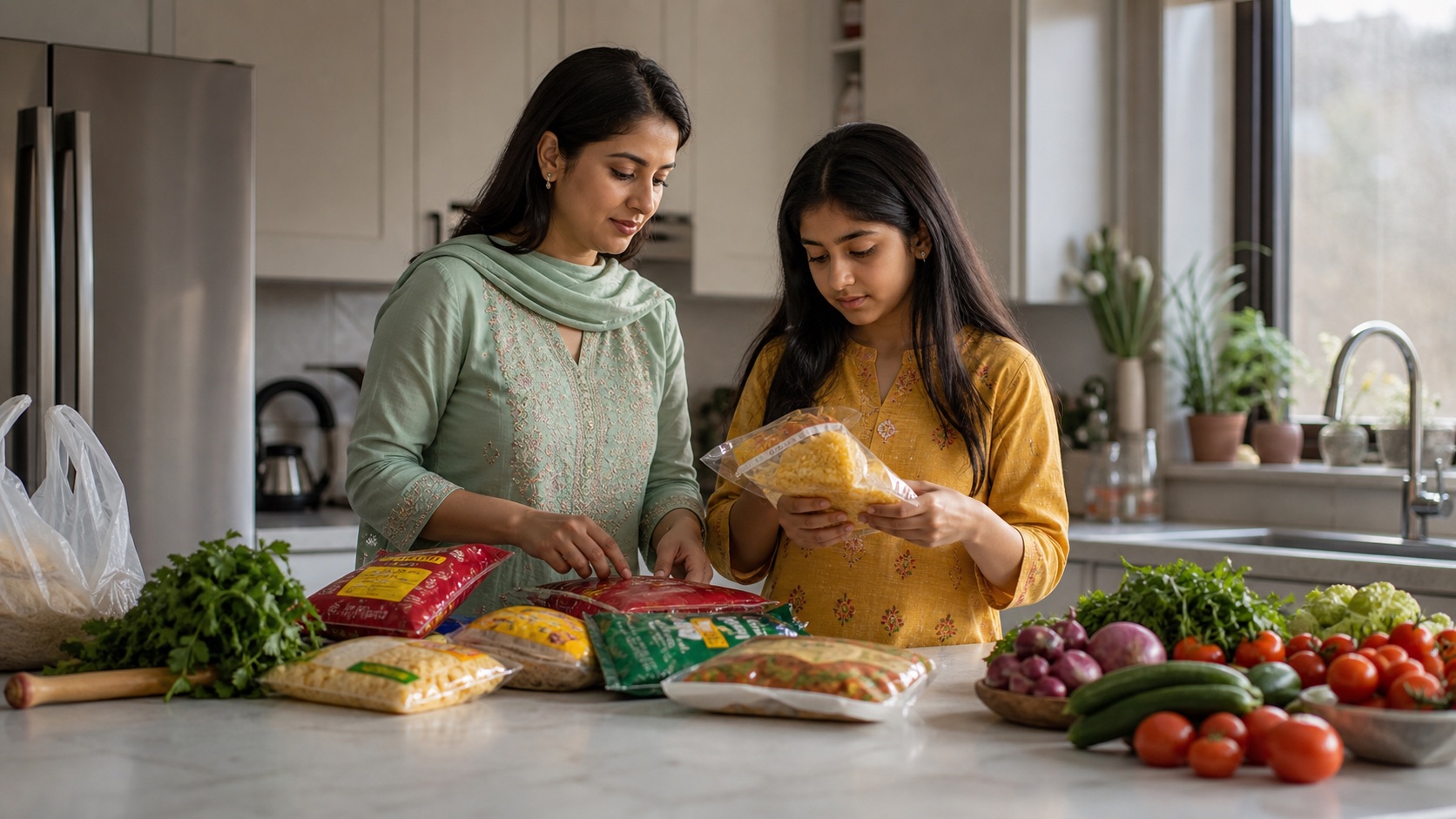
Pakistani grocery shopping in the UK: pantry, freezer, and fresh food
Hassan Raza · 20 Aug 2026
Readers
The conversation
0 notes
Anyone can leave a note. Guests add a name and email — no account required, and the email is never published.
No notes yet. Yours would be the first.