Reheating Pakistani takeaway safely after a long UK commute
A food-safety field guide for UK commuters bringing Pakistani takeaway home: cool or refrigerate promptly, reheat once until steaming hot, and treat rice and gravy with Food Standards Agency seriousness.
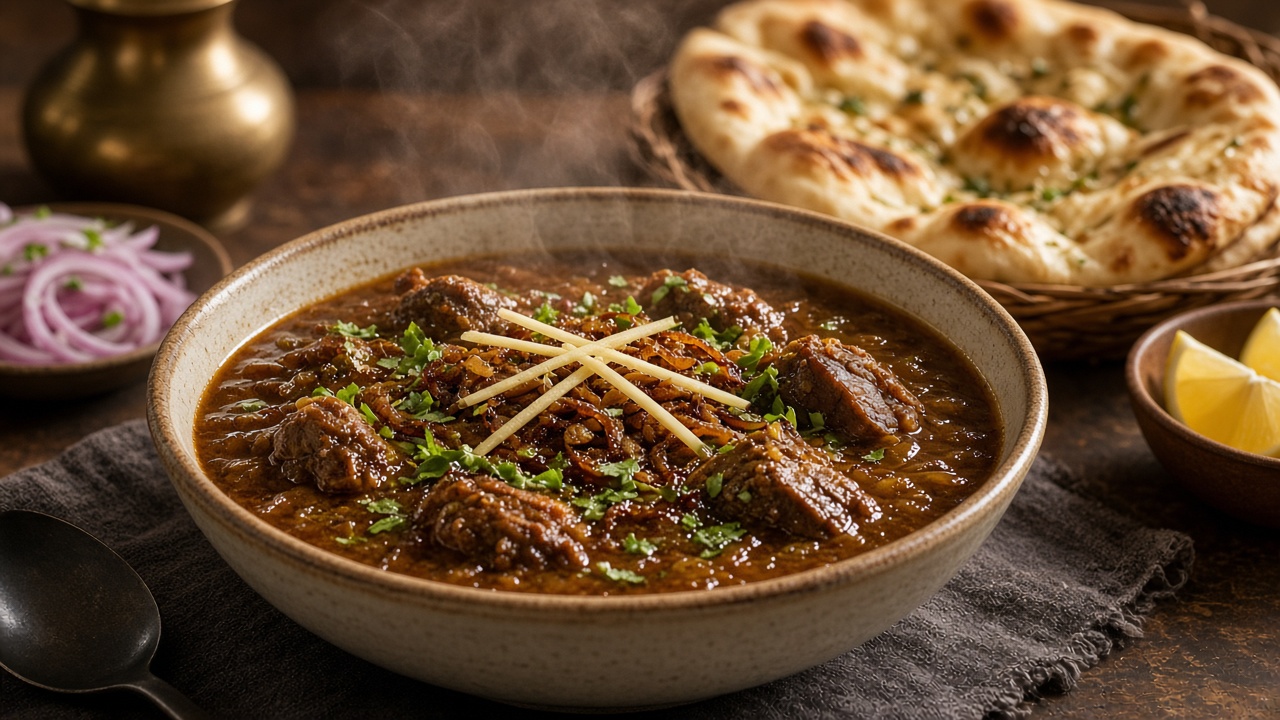
The bag leaves the karahi shop hot. Then it sits on a delayed train, in a warm coat pocket, or on a kitchen counter while you answer emails. By the time you want “just a quick reheat,” the question is no longer flavour. It is whether the food stayed in the temperature danger zone too long. This is a food-safety field guide for reheating Pakistani takeaway after a long UK commute, checked against Food Standards Agency public guidance around September 2026. It is not medical advice, and it is not a ranking of restaurants.
Decide on the journey home, not at midnight
If you will eat within a short window and the food is still properly hot when you arrive, eat it. If the commute is long, the bag has cooled into lukewarm gravy, or you will not eat for hours, treat the food as leftovers that need chilling, not as a picnic that “smells fine.” The Food Standards Agency’s guidance on chilling, freezing and defrosting food safely is the UK baseline: chilling and freezing help stop harmful bacteria growing, and cooked food should be cooled and refrigerated within about one to two hours rather than left lingering warm.
Split large orders into shallow containers so heat can leave. A deep foil tray of biryani that stays hot in the middle while the edges cool is a poor fridge citizen. Keep raw items you may have bought on the same trip from dripping onto ready-to-eat rice and meat. Label the box with the dish and the time it entered the fridge if your household shares shelves.
Rice needs its own paragraph before the microwave
Biryani and plain rice are the frequent British Pakistani takeaway instinct and a frequent hygiene trap. The FSA’s home food fact checker explains that uncooked rice can contain spores of Bacillus cereus that survive cooking. The longer cooked rice sits at room temperature, the more likely bacteria or toxins make it unsafe. Reheating does not reliably fix rice that was left warm too long.
Public FSA advice is to chill cooked rice as quickly as possible, ideally within about an hour, by dividing it into smaller portions; keep refrigerated rice for no more than a day before reheating; reheat only once until steaming hot throughout; and eat promptly. Do not leave rice cooling in the takeaway tray on the counter while you shower. If your takeaway rice sat lukewarm through a long commute and then on the counter, many households are safer cooking fresh rice and reheating only the salan.
Reheat once: steaming hot, not theatrical
Follow the leftovers section of the FSA’s cooking your food guidance: reheat leftovers only once, and until steaming hot all the way through, not merely warm at the edges. Microwaves create hot and cold pockets; stir karahi and keema, then check the centre. On the hob, loosen refrigerated gravy with a splash of water if needed and heat until the bubble and steam are honest.
| Dish type | After a long commute | Reheat note |
|---|---|---|
| Karahi, nihari, salan, keema | Chill promptly if not eating soon | Stir; hot throughout; serve what you will eat now |
| Biryani / plain rice | High caution if it sat warm | Reheat once steaming hot, or cook fresh rice |
| Naan / roti | Quality drops first | Plain bread is mainly texture; stuffed or buttery bread still follows time discipline |
| Raita / salad / creamy dessert | Poor travellers when warm | Often safer to discard after a messy warm journey |
| Already reheated once | Do not plan a second life | Eat or discard; do not full-reheat again |
What the bag should not survive
Food that arrived lukewarm after a long, warm journey and then sat on the counter while you showered is not “saved” by a fierce microwave blast at midnight. Smell is not a laboratory. Creamy desserts, yoghurt raita, and salads that travelled warm deserve particular honesty. When the timeline is messy, discard rather than negotiate.
Freezing is an option when you ordered for tomorrow as well as tonight: cool promptly, pack in portions, freeze, then defrost in the fridge when you can plan ahead. If you use a microwave defrost setting, cook straight after. The FSA chilling page is again the practical reference for freeze and defrost habits.
Commute scenarios that change the decision
- Short walk home, food still piping hot: eat, or chill within the FSA window if saving.
- Hour-plus train, bag lukewarm: chill immediately on arrival; reheat later once, hot throughout; be especially honest about rice.
- Office desk for three hours after delivery: treat as leftovers that already used their warm window; fridge or bin, do not “keep for later” ambient.
- Shared flat fridge: label and seal so someone else’s raw chicken tray is not dripping onto your keema.
- Late Maghrib pickup in summer heat: the platform temperature matters; shorten the ambient window and chill faster once home.
Delivery apps and the cold-bag illusion
A delivery driver’s insulated bag is not a guarantee that food stayed hot enough for the whole route, and it is not a fridge. If the order sat in a lobby or with a neighbour before you collected it, restart the clock when you actually take possession. Open the containers: steam and heat matter more than the app’s “delivered” timestamp. Lukewarm rice after a long handoff follows the same FSA caution as commute rice.
If you ordered for a household that will eat at different times, portion and chill what will not be eaten in the first sitting. Leaving one open tray on the table for “people to graze” recreates the warm-window problem indoors. Serving spoons that travel from mouth to shared tray and back are a separate hygiene habit worth ending.
Microwave technique for Pakistani gravies
Transfer food out of deep foil trays when you can. Foil does not belong in a microwave. Use a microwave-safe dish, loosen thick karahi or nihari with a spoon of water if it has set in the fridge, cover loosely to reduce splatter while still allowing steam to escape, and stir halfway. Check the centre of meat pieces, not only the sauce edges. On the hob, bring gravy to a sustained steam rather than a brief edge bubble.
Serve only what will be eaten. Returning reheated leftovers to the fridge for another full reheat cycle later is the habit the FSA leftovers guidance is trying to stop. If two people will eat at different hours, reheat two smaller portions at those hours rather than one large tray twice.
Office fridge politics after a takeaway delivery
If the order arrives at your desk at noon and you will not eat until 3 p.m., the office fridge is the correct next move, not the radiator ledge behind your monitor. Label the container with your name and the time it went in. Do not leave gravy uncovered next to someone else’s yoghurt. Shared fridges fail when raw supermarket chicken and ready-to-eat karahi share a shelf without seals.
Food that sat open on a warm desk for half the afternoon has already used its ambient window. Reheating it “really hot” later does not rewrite that history, especially for rice. If you are unsure how long it sat out, the honest choice is often binning the rice and keeping only what was chilled promptly.
Which Pakistani takeaway formats forgive a commute
Dense gravies such as nihari, haleem, and well-reduced salan often survive a chill-and-reheat cycle better than wet rice. Dry kebabs that cooled on the journey and then chilled can reheat once if they never lingered lukewarm for hours. Creamy desserts, fresh salad garnish, and open raita are the first to earn the bin after a warm bag life. Butter naan loses quality quickly but is rarely the food-safety villain that rice is; stuffed or egg-enriched breads deserve more caution when the timeline is messy.
If you know your train is unreliable, ask the shop to pack rice and gravy separately when they will. That single request makes it easier to discard compromised rice without wasting the entire order. It also makes shallow chilling faster when you finally reach a fridge.
A practical arrival sequence
- Open the bag and feel the heat. Piping hot and eating now is one path; lukewarm is another.
- Separate rice from gravy if you may discard or replace the rice.
- Move keepers into shallow containers; refrigerate promptly.
- Label time in for shared fridges.
- When reheating later, stir, heat until steaming throughout, eat promptly, and do not plan a second full reheat.
When freezing is smarter than a midnight reheat
If you ordered enough for two evenings, freeze the second evening’s portions after a prompt cool rather than gambling on a second ambient wait. Cool in shallow containers, freeze in meal-sized packs, and defrost in the fridge when you can plan ahead. Reheat once until steaming hot, then eat. Do not thaw on the counter all day and then microwave as if the clock never started.
Households that share one tiny freezer still benefit from freezing gravy alone and cooking fresh rice later. That split respects both FSA rice caution and the reality of British flat kitchens with limited shelf space.
A UK takeaway night succeeds when the second plate is as deliberate as the first order. Get food cold when you will wait, reheat once until steaming hot when you eat, and let FSA guidance, not nostalgia, decide when the box has earned the bin.
Sources and official profiles
Was this helpful?
Keep reading
Related stories
More from this desk, this beat, and the tags on this piece.
Pakistani grocery shopping in the UK: pantry, freezer, and fresh food
Hassan Raza · 20 Aug 2026
Readers
The conversation
0 notes
Anyone can leave a note. Guests add a name and email — no account required, and the email is never published.
No notes yet. Yours would be the first.