Pakistani fragrance etiquette in US offices and elevators
Wear attar and spray fragrances in US offices and elevators with projection control, scent-free policies, FDA cosmetics literacy, and skin testing, without medical claims.
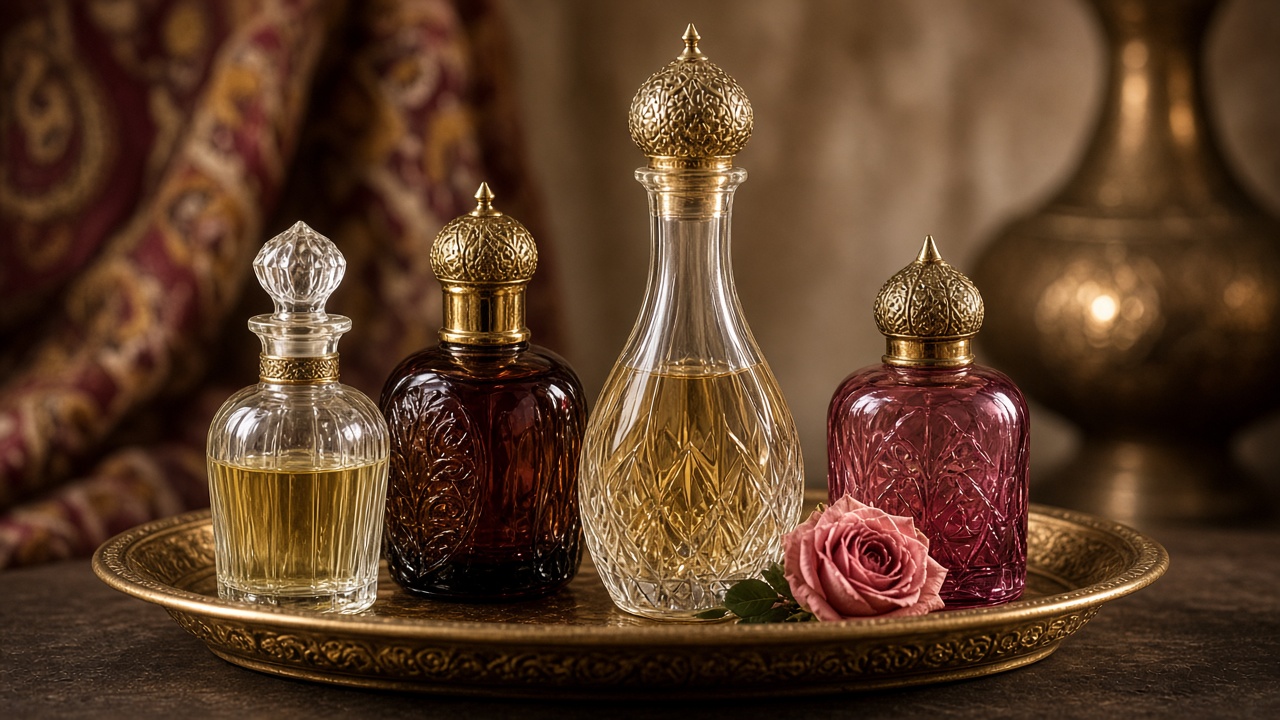
In many Pakistani homes, a trace of attar on a cuff is hospitality. In a US open-plan office or a packed elevator, the same dose can become the only weather other people get that morning. Fragrance etiquette here is not about abandoning scent. It is about reading shared air, workplace policy, and projection.
American workplaces vary. Some teams barely notice a soft trail. Others publish scent-free or fragrance-sensitive expectations in handbooks, facilities notes, or HR FAQs, especially in healthcare-adjacent spaces, labs, and tightly sealed towers. Before you debate taste, read the policy that already exists for your building. Courtesy starts with noticing the rule sheet, not with defending a bottle.
What US cosmetics regulation does and does not mean
Fragrance products sold as cosmetics in the United States sit under FDA cosmetics authority. The FDA’s overview of fragrances in cosmetics and its explanation of how cosmetics are regulated (and not pre-approved like drugs) are useful literacy for anyone who grew up treating attar as purely cultural craft. Regulation is not a guarantee that a scent will be pleasant in a sealed elevator. It is also not a medical opinion about your colleague’s headache. Keep those categories separate.
This article does not diagnose fragrance sensitivity, asthma triggers, or dermatitis. If skin, eyes, or breathing complain, stop the product and seek qualified care. PakStyles is not a clinic.
Attar and spray are different neighbours
Oil-based attar often sits closer to skin when dabbed lightly on pulse points under clothing. Alcohol sprays and misted oils can bloom in dry, air-conditioned corridors and ride recirculated air into the next meeting. Neither is morally superior. Projection is the etiquette variable.
A working test: apply as you normally would, wait fifteen minutes, then ask one honest person whether they notice you from conversational distance or from across a desk bay. If the scent arrives before you do at elevator-mirror distance, reduce the dose. Elevators are vertical closed rooms. What feels “barely there” in a bedroom can feel total across eight floors of stillness.
The compliment you want is that someone liked sitting near you. The compliment you do not want is that the lift still smelled like your Monday after you left.
Shared desks, shared air
Office HVAC recycles more than outdoor evening air does. Hot desks, soft seating nooks, and phone booths concentrate whatever you wore at 8 a.m. If colleagues eat lunch at the same table, heavy gourmand or animalic notes can cling to fabric partitions long after you have logged off.
- Prefer application at home, not a cloud in the bathroom stall beside the espresso machine.
- Keep a single light option for office days; save statement projection for evenings outdoors or private gatherings.
- Never spray shared coats, loaner hoodies, or conference-room chairs.
- If a teammate mentions scent sensitivity, or if policy asks for fragrance-free floors, treat that as a boundary, not a debate club.
People avoid fragrance for many reasons: preference, sensory load, workplace rules, religious practice of their own. You do not need a diagnosis from a stranger to dial down. General courtesy is enough reason.
Test on your skin, not on the brochure
Pakistani and Gulf-leaning compositions can read warmer on skin after an hour than they did on a cold blotter. Try a small amount on your own wrist or inner elbow, live a commute in it, and only then decide whether it belongs in a windowless meeting room. Patch testing for irritation is ordinary product sense: if skin complains, wash the area and stop that formula.
Layering multiple strong products (scented lotion, hair mist, attar, then spray) multiplies projection even when each step felt “small.” For office days, choose one primary scent vehicle and keep the rest unscented or nearly so.
Client days, interviews, and prayer spaces
Interviews and client meetings are not the place to debut a new animalic oud. Choose the softest office option you already know on your skin. If you will pray at work, remember that small rooms and borrowed prayer rugs hold scent; apply even more lightly on those days or keep fragrance for after you leave the building.
Commutes on packed trains and buses are elevator logic at city scale. If your ride is shoulder-to-shoulder, assume projection travels further than your reflection suggests.
Attar on fabric versus skin
Some people put attar on scarf edges or thobe cuffs. In a US office, fabric application can leave a room smelling of you after you have gone, especially on shared seating. Prefer skin under clothing for workdays. If fabric is part of your cultural practice for Eid or Jumuah outside work, keep that habit for those spaces. Wash hard-scented scarves separately so Monday’s desk does not inherit Sunday’s projection.
Hand cream, hair oil, and laundry detergent also count. If each is lightly fragranced, the stack becomes a cloud. For scent-sensitive floors, switch the supporting products to unscented even if you keep a tiny pulse-point attar at home for evenings.
Open plan versus private office
A private office with a closed door forgives a slightly warmer trail than a bench of eight people sharing one air return. If you hot-desk, assume yesterday’s scent on a soft chair is someone else’s problem you should not create. Fabric partitions and felt phone booths are scent sponges. Prefer pulse-point oils under a cuff over misting your scarf in the lobby.
Team offsites in small hotel meeting rooms are elevator logic again: low ceilings, recycled air, long hours. Choose the office dose, not the wedding dose. If you are the host of a Pakistani American networking dinner after work, you can wear something more expressive once you leave the tower; the courtesy is not confusing the two rooms.
Gifting attar without creating a workplace problem
Attar is a common gift. If you give a bottle to a colleague, give it as something to enjoy at home, not as a hint to wear it to the Monday standup. Include a light note about patch testing on skin and using a small amount. Do not uncap and pass it around a conference table for everyone to inhale at full strength.
When policy is stricter than your preference
Healthcare clinics, laboratories, some schools, and certain client sites ban fragrance outright. That is not an insult to Pakistani culture. It is a building rule. Carry unscented personal-care backups for those days so you are not stuck choosing between skipping deodorant and breaking policy. If your own workplace policy is ambiguous, ask facilities or HR for the written language rather than polling the group chat.
Buying and storing without nonsense
Buy from sellers you can identify. Keep bottles capped, away from hot car dashboards, and out of reach of children who might drink or spill oils. Online marketplace listings for “attar oils” vary widely in seriousness; FTC online shopping caution still applies when a price looks impossible or the seller has no clear identity. A beautiful bottle is not proof of a workplace-safe dose.
Travel days and hotel HVAC
Hotel air conditioning can concentrate scent in a way home bedrooms do not. If you are in Dallas or Houston for a wedding weekend and still joining work calls from the room, keep the office dose. Save richer attars for the mehndi hall, not for the elevator to the lobby cafe where half your company chat channel might also be standing.
Airplane cabins are shared air at altitude. Many travellers skip fragrance entirely on flight days. If you must wear something, use the smallest skin application and avoid spraying in the lavatory queue.
A practical office capsule
- One light daytime attar or soft spray you have already tested on a full commute.
- Unscented lotion and deodorant for policy-strict days.
- A note in your phone with the building’s written scent policy link or handbook section, so you are not arguing from memory.
- A hard rule: no new bottle on interview morning.
Fragrance can still be part of how you carry yourself in diaspora life. The elegant version in a US elevator is the one that stays mostly yours: recognisable at a handshake, invisible at the far wall.
Sources and official profiles
Filed under
Was this helpful?
Keep reading
Related stories
More from this desk, this beat, and the tags on this piece.
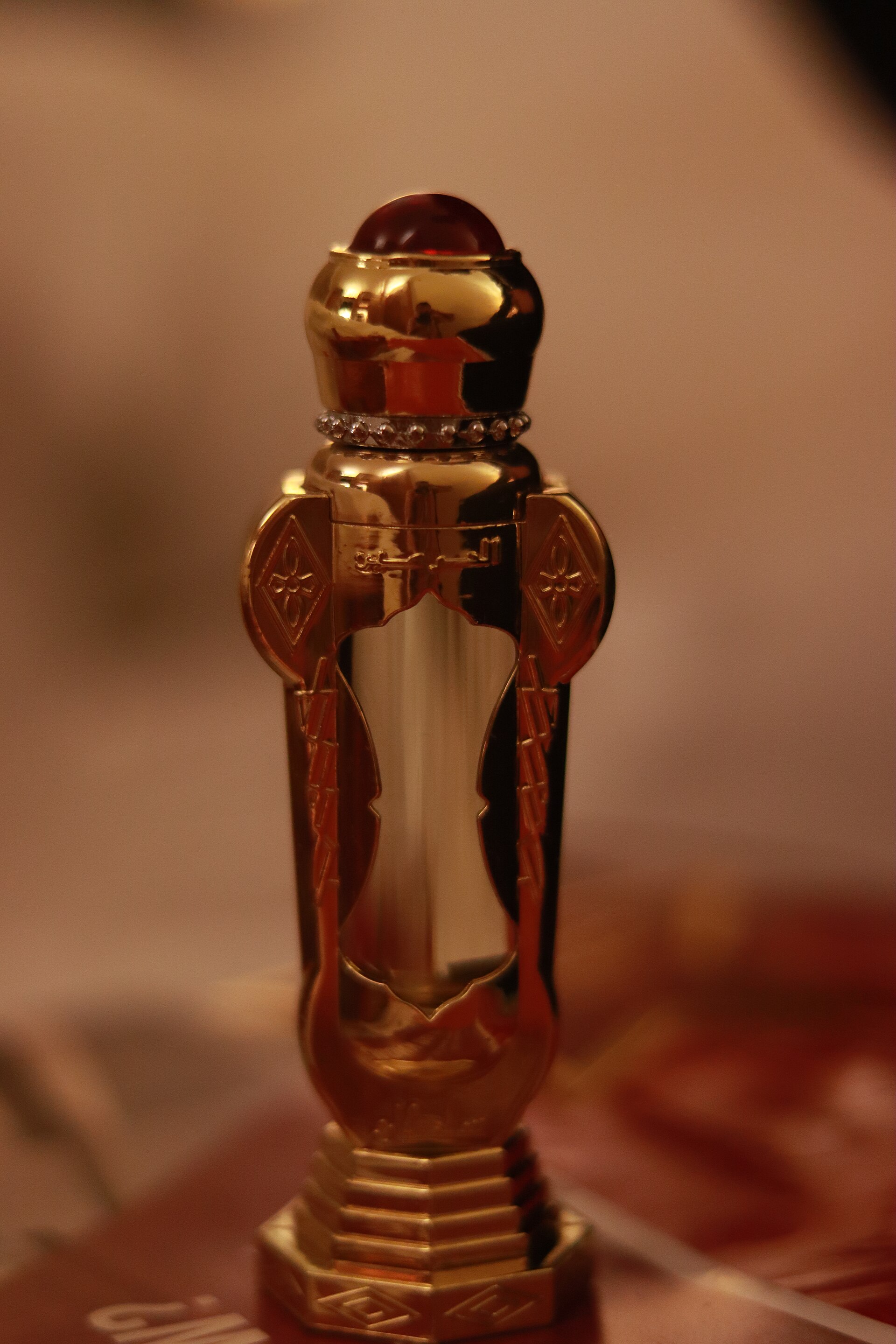
Pakistani fragrance gifts: how to choose without guessing someone’s taste
Nadia Shah · 13 Sep 2026
Buying fragrance online: samples, returns and authenticity checks
Nadia Shah · 13 Sep 2026
Readers
The conversation
0 notes
Anyone can leave a note. Guests add a name and email — no account required, and the email is never published.
No notes yet. Yours would be the first.