US apartment living with a charpai, floor seating, and neighbours
Keep a charpai and floor seating in a US apartment with clear fire egress, noise control, storage between guests, and neighbourly hosting habits.
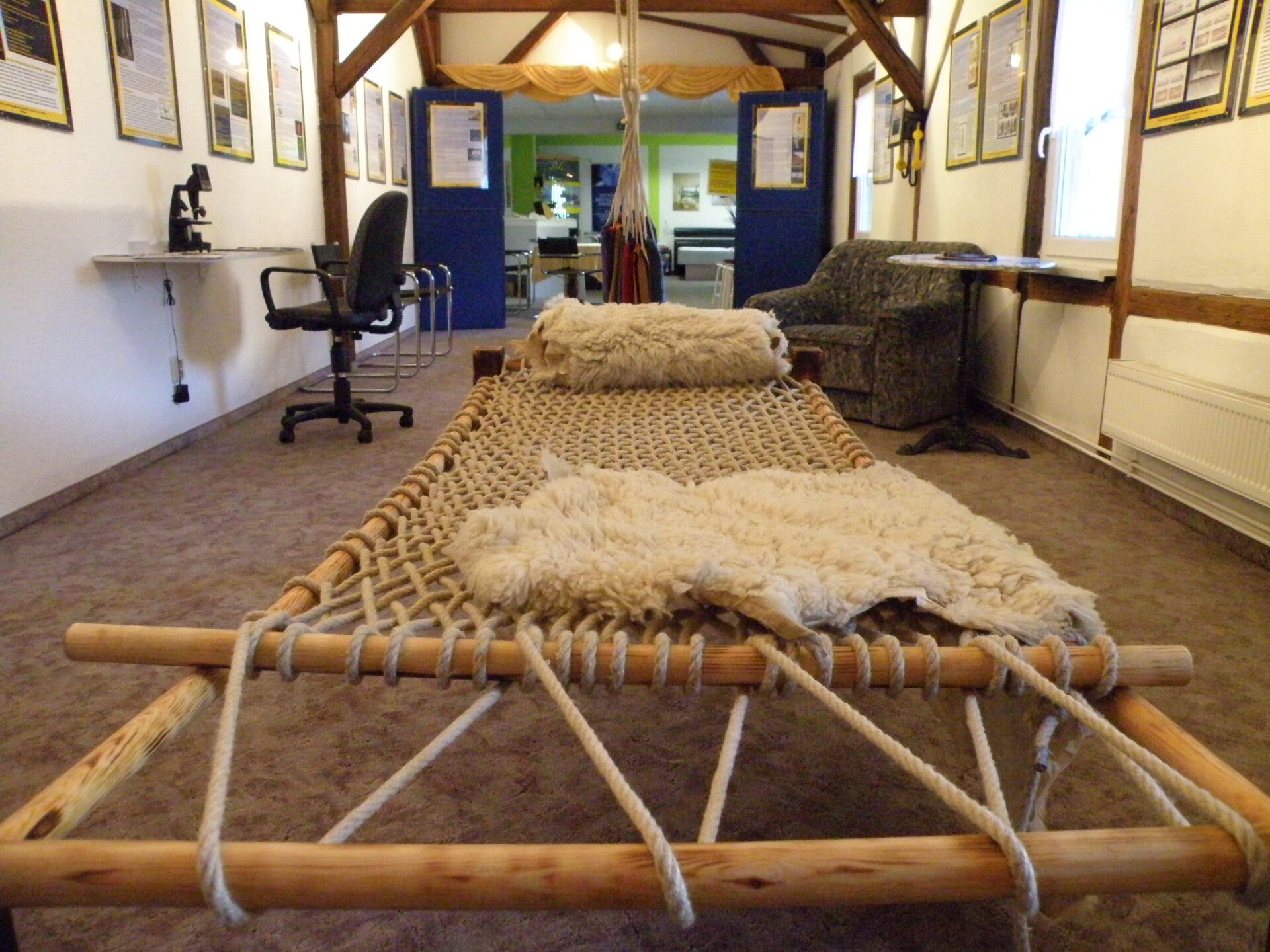
A charpai in a Pakistani house can be architecture and memory at once: afternoon rest, guest overflow, a place children claim before adults do. In a US apartment, the same object meets carpet rules, upstairs neighbours, narrow hallways, and a lease clause about blocking exits. Floor seating (gao takiya, low tables, a dastarkhwan unrolled for ten) meets the same constraints. The question is not whether the culture fits the flat. It is how to keep the hospitality without turning the corridor into a second living room.
Egress is not optional décor
US Fire Administration guidance on home fire escape plans is clear for households and especially relevant in apartments: know two ways out where possible, keep exits clear, and practice. Residents may have less than two minutes to escape once a smoke alarm sounds. A charpai, shoe mountain, or floor-seating spread that blocks the door to the hallway is a safety failure, not a cultural flourish. In a fire, seconds matter. Do not place guest seating in front of the only exit. Do not store a folded charpai on the stair landing of a multi-unit building.
High-rise residents should know exit stair locations and never plan on elevators for escape unless firefighters direct otherwise. Leave the apartment, close the door behind you, pull the alarm on the way out if that is your building’s procedure, use the stairs, and go to an outside meeting place. If your building posts an evacuation plan, read it when you move in, not when the alarm is already sounding.
Noise, leases, and upstairs politics
Floor seating concentrates weight and movement in ways sofas do not. Children jumping from a charpai onto an upstairs neighbour’s ceiling is how complaints start. Wood-frame buildings transmit footfall differently from concrete high-rises; older walk-ups often punish lively games after quiet hours more harshly than newer towers. Put felt pads or rugs under legs where the lease allows. Move lively games away from shared walls after quiet hours. Tell guests where the building expects silence.
Read your lease before drilling, attaching hooks for swing seating, or blocking HVAC returns with piles of floor pillows. Landlord rules about waterbeds or heavy items sometimes capture unusual furniture by analogy. Ask in writing if unsure. “We have always had one at home” is not a lease clause.
Storage between guests
A charpai that lives assembled in a studio will dominate the room. If you need floor space on weekdays, choose a design you can stand on end in a closet, slide under a bed, or fold according to its real engineering (not according to a hopeful Instagram reel). Store covers clean and dry. Do not leave damp ralli quilts stuffed in plastic bags to mildew.
Floor-seating stacks should leave HVAC vents clear and keep pathways to bathrooms obvious for overnight guests. Label a bin for guest slippers so the doorway does not become an ankle trap. Measure the elevator and stair turns before a purchase arrives; a frame that cannot enter the building becomes hallway clutter, which is an egress problem again.
Hosting a dastarkhwan night without chaos
- Count seats and plates before you invite “everyone.”
- Place the cloth so serving paths do not cross the only exit.
- Keep hot pots on stable, low centres, not on wobbly stools near toddlers.
- Bag trash near the kitchen, not beside the front door.
- End with a reset: fold, vacuum crumbs, clear the exit path before sleep.
Food-safety habits still apply. Perishable dishes should not sit out for hours because the conversation is good. Use shallow containers and refrigerate promptly following ordinary FSIS leftover timing literacy: get perishable leftovers into the fridge within about two hours, or about one hour in hot conditions, and cool large pots in shallow containers rather than one deep vessel.
| Object | Apartment risk | Mitigation |
|---|---|---|
| Charpai | Blocks egress; noise; size | Clear door paths; pads; fold/store |
| Floor cushions | Trip hazard; clutter | Stack against walls, not in corridors |
| Low table / dastarkhwan | Spills; crowding | Stable centre; limited guest count |
| Shoe piles | Exit blockage | Tray inside; capacity limit |
Smoke, frying, and shared HVAC
Floor seating evenings often include frying. Use lids, run the extractor, and keep a window cracked if the building allows. Wipe oil mist off baseboards where cushions will sit. Soft furnishings hold smell; air them after guests leave. If your building bans certain cooking methods, believe the rule sheet. Shared HVAC makes your tadka everyone else’s evening, which is how neighbour diplomacy begins before anyone mentions the charpai.
Overnight guests on a charpai
A charpai can be excellent overflow sleeping when bedding is clean and the sleeper can still reach a clear path to the exit and bathroom. Provide a lamp so nobody kicks a teapot at 2 a.m. Do not place the sleeper in a kitchen walkway. In studio apartments, discuss privacy expectations honestly before relatives book flights. Elders who cannot manage floor height for three waking hours may still accept a charpai for sleep if getting up is assisted and the path stays clear.
Insurance and unusual furniture
If you have renters insurance, know what it covers for guest injuries. Unusual furniture does not automatically void policies, but blocking exits and creating trip hazards creates preventable risk. Photograph your layout if you ever need to show that pathways were clear. A clear photo of the exit path after setup is more useful than a verbal claim that “we always leave room.”
Buying a charpai in the US
Options range from imported wooden frames to DIY platform approximations. Check dimensions against elevator and stair turns before purchase. Measure doorways. Prefer sellers with clear return policies; FTC online-shopping guidance applies to furniture marketplace listings as much as to anything else: know the seller, the return terms, and what “as described” means before you pay a deposit. A beautiful frame stuck in a lobby is not hospitality. It is a complaint waiting for the property manager.
Layout sketches before the first large gather
Before relatives arrive, sketch the room the way USFA escape-plan advice suggests mapping exits: doors, windows if they are usable exits in your building type, and the path to the hallway. Place the charpai and floor cloth on the sketch only where those paths survive. If the sketch fails, the party plan fails. Do this once when you move in and again before Eid or a large iftar, when guest counts inflate.
In studios, decide whether the charpai is seating, sleeping, or both for that night. Dual use is fine when bedding stays clean and the exit path remains obvious. Dual use fails when guests must climb over a sleeper to reach the door.
Building type changes the noise maths
Garden apartments and older wood-frame walk-ups punish rhythmic movement more than mid/high-rise concrete slabs. If your downstairs neighbour has already mentioned footsteps, move dancing, dhol practice, and children’s jump games off the charpai and onto outdoor or daytime plans. Soft runners help; they do not cancel physics. Quiet hours in the lease are the rule even when your household’s festival clock runs later.
Ramadan and Eid hosting peaks
Iftar crowds in a small apartment multiply floor seating and shoe piles. Cap the invite list to what the exit path can survive. Use hallway rules from your lease. Consider a community hall or masjid dinner for overflow nights rather than forcing twenty people into a studio charpai circle. Festival pressure is not a fire-code waiver.
Floor seating and ageing knees
Not every elder wants to sit on the floor for three hours. Keep at least two chairs with backs available without apology. Hospitality includes dignity for people who cannot fold themselves onto a gao takiya. Place chairs at the edge of the cloth so the room still reads as a shared meal rather than a segregated afterthought.
Cleaning cycle that protects the next weekday
After guests leave, shake outdoors what the lease and weather allow, vacuum crumbs from rug edges, and wipe sticky drink rings before they set. Wash covers on the care cycle they can survive. A charpai left with sugary chai spots invites pests in apartment walls that already share plumbing and rubbish chutes.
If you borrow building trolleys to move a charpai, return them immediately. Blocking an elevator lobby with a half-moved frame is how neighbours decide your hospitality is their problem.
Neighbours and building culture
Introduce yourself before the first large gathering if you can. A short note about festival dates beats a surprise drum of footsteps at 11 p.m. Offer a plate if that is your household’s style and if building policies allow. Keep incense and strong frying smells proportionate.
If a complaint arrives, adjust. Culture is not a licence to ignore quiet hours. Equally, a neighbour who objects to the mere existence of a charpai inside your private rooms (when exits are clear and noise is reasonable) is expressing preference, not fire code. Know the difference.
What to tell overnight guests in one minute
Give arriving relatives three facts: where shoes go, which path stays clear overnight, and where the fire stairs are if you live above the ground floor. Point to the meeting place outside if your household has practised one. Guests who have never lived in US multi-unit housing often assume elevators are escape routes. Correct that once, calmly, before anyone needs it.
US apartment living can hold a charpai and floor seating when safety, storage, and neighbourliness are part of the design. Hospitality that blocks the door is not hospitality worth keeping.
Sources and official profiles
Was this helpful?
Keep reading
Related stories
More from this desk, this beat, and the tags on this piece.
Moving from Pakistan to the UK: what household items are worth bringing
Rabia Kamal · 13 Sep 2026
How to display Pakistani art without turning the room into a souvenir shop
Rabia Kamal · 13 Sep 2026
Readers
The conversation
0 notes
Anyone can leave a note. Guests add a name and email — no account required, and the email is never published.
No notes yet. Yours would be the first.