Moenjodaro: what the ruins actually tell us about an Indus city
Moenjodaro matters less as a collection of mysterious ruins than as evidence of large-scale urban planning in the Indus civilisation: brick streets, drainage, wells and neighbourhoods.
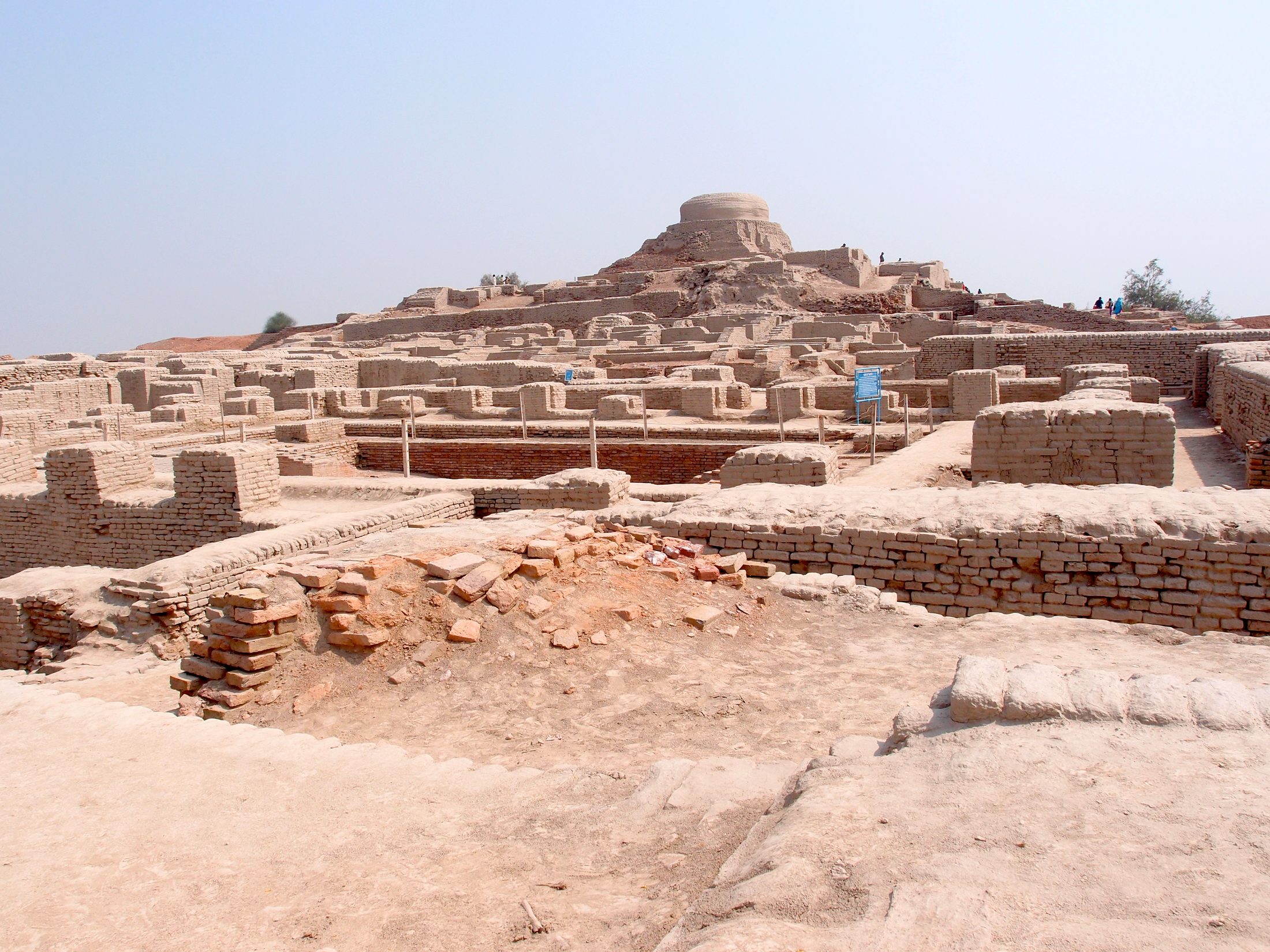
Moenjodaro is one of the places where the scale of the Indus civilisation becomes physical. Rather than one palace or temple dominating the view, the archaeological argument is spread across streets, brick platforms, wells, drains and neighbourhoods.
UNESCO describes Moenjodaro as the best-preserved early urban settlement in South Asia from the beginning of the third millennium BCE. Only a portion of the site has been excavated, and modern conservation has to manage salt, groundwater and fragile brick.
A metropolis of the Indus civilisation
The city flourished within the wider Indus or Harappan civilisation, a Bronze Age urban network that extended across a vast area of South Asia.
Its importance comes from systems: standardised brick, drainage, streets and repeated building forms suggest organised civic practice.
The citadel and lower town
Archaeologists distinguish raised western areas from the extensive lower city. Later structures, including a Buddhist stupa built centuries after the Indus occupation, complicate the visible layers.
Visitors should not assume every brick belongs to one moment in time.
The Great Bath
The famous brick-lined tank demonstrates sophisticated waterproofing and water management, though its exact social or ritual function remains debated.
Calling it a temple pool goes beyond what the architecture alone can prove.
Drains and sanitation
Covered street drains, household connections and soak pits show a striking concern with wastewater movement.
They are evidence of engineering practice, but modern comparisons to contemporary sewer systems should be made carefully.
Wells and water access
Numerous wells distributed through the settlement reduced reliance on one central source and reveal how deeply water infrastructure was integrated into urban life.
Their number is one of the details that makes the city feel inhabited rather than monumental.
What has not been found
There is no deciphered Indus script and no agreed identification of kings, dynasties or a single state religion. The archaeological record is rich, but it does not answer every social question.
Good heritage writing should make uncertainty visible rather than filling gaps with dramatic claims.
Discovery and excavation
The site's archaeological importance was recognised in the early twentieth century, with excavation revealing a major urban centre previously absent from conventional historical narratives.
Early excavation methods also removed contexts that modern archaeology would record more carefully.
Salt and water threaten brick
UNESCO has long documented risks from salinity and groundwater. Ancient brick can deteriorate when salts crystallise as moisture moves through it.
Conservation therefore involves drainage and environmental management as much as rebuilding walls.
How to visit
The site is near Larkana in Sindh and is exposed to intense heat. Early starts, water, sun protection and realistic walking time matter.
Current regional travel advice should be checked before the journey.
What to look for beyond the Great Bath
Follow street alignments, repeated wells, drainage channels, brick dimensions and house entrances. Those ordinary systems tell the strongest urban story.
A guide who can explain archaeological sequence adds more than one who only lists object names.
Conservation and responsible visiting: Moenjodaro
Moenjodaro's survival depends on limiting salt damage, water infiltration, uncontrolled touching and inappropriate repair. Visitors should stay on designated routes and avoid climbing on brickwork that has already survived several millennia.
What to check before you go: Moenjodaro
- Read UNESCO's property summary before arrival.
- Go early in hot months.
- Carry water and sun protection.
- Treat uncertain interpretations as uncertain.
- Spend time on streets, wells and drains, not only headline monuments.
Moenjodaro is most impressive when it is allowed to be an urban place rather than a mystery. Its streets and water systems are evidence that city life was being organised at remarkable scale in the Indus basin thousands of years ago.
UNESCO status has a specific meaning: Moenjodaro
World Heritage inscription connected to Moenjodaro history visitor guide is based on a formal claim of Outstanding Universal Value under defined criteria, with boundaries and management obligations. It is not a tourism award, and UNESCO does not become the site's owner.
Conservation is an active present-day process: Moenjodaro
Historic sites associated with Moenjodaro history visitor guide survive because people manage water, salt, vegetation, pollution, structural movement, visitor pressure and repairs. Conservation is therefore not a one-time restoration that returns a monument to a perfect original state.
Use guides critically but generously: Moenjodaro
A knowledgeable local guide can make Moenjodaro history visitor guide much more legible by connecting spaces, pointing out construction details and explaining how routes work. Oral explanation is especially valuable at large serial or landscape sites where the visitor cannot carry the full plan in memory.
At the same time, dramatic stories can travel faster than evidence. When a tale identifies a specific king, tunnel, treasure or miraculous event, ask whether it comes from archaeology, a historical text or local tradition. All three can be interesting when labelled correctly.
Travel logistics are part of responsible heritage use: Moenjodaro
Reaching moenjodaro can involve heat, long road travel, stairs, uneven ground or regions where official travel advice changes. A good heritage itinerary allows time for the physical setting instead of treating the monument as a 30-minute stop between photographs.
Economic value and preservation need each other: Moenjodaro
Visitor spending around moenjodaro can support guides, transport, crafts, food businesses and conservation attention. The challenge is ensuring that economic use does not physically consume the resource through uncontrolled building, litter, traffic or contact with fragile surfaces.
Photography can flatten historical scale: Moenjodaro
A camera frames moenjodaro into one composition, while the actual site may be kilometres wide or made of many components. This is especially important at Makli, Taxila, Rohtas and other landscape-scale heritage where no single image communicates the full spatial argument.
What not to claim: Moenjodaro
Heritage writing around moenjodaro should resist precise origin stories that outrun the evidence. Ancient sites rarely provide a named founder, exact ritual function and complete social hierarchy simply because modern readers want a tidy explanation.
A better way to leave the site: Moenjodaro
After visiting moenjodaro, write down three observations that came from the physical place and three things that remain uncertain. That small exercise separates what you actually saw from what you arrived already believing.
Heritage becomes more valuable when the visit produces better questions rather than a completed checklist. The strongest sites continue to change as conservation, archaeology and scholarship add evidence.
Read the site as evidence, not scenery: Moenjodaro
For moenjodaro, start by asking what physical evidence is actually visible: street alignment, masonry, water system, burial architecture, defensive wall, monastic cell or garden terrace. Heritage becomes more understandable when the visitor links each claim to a surviving feature rather than memorising a date detached from the ground.
Chronology prevents several sites becoming one story: Moenjodaro
A place connected to moenjodaro may contain layers built centuries apart. Later religious buildings, colonial interventions, Sikh-period use, modern repairs or continuing settlement can sit beside the period that made the site famous. Treating every wall as contemporary creates a false historical picture.
Look for the ordinary city as well as the famous monuments
The Great Bath receives understandable attention, but Moenjodaro becomes more interesting when streets, drainage, wells, brick dimensions and the relationship between buildings are read together. Those details let the visitor think about how a large urban settlement functioned rather than treating the site as a collection of isolated “mysteries”.
Be cautious with confident stories about rulers, religion or the identity of individual structures when the archaeological evidence does not support certainty. The Indus script remains undeciphered, so architecture and material remains carry much of the interpretive weight. A good guide should distinguish what archaeologists can observe from what is still debated.
Heat and conservation shape the visit
Moenjodaro is an exposed archaeological site, not an indoor museum experience. Start early where possible, carry water, use sun protection and follow current access instructions. Salt, heat, rain and visitor pressure all affect fragile remains, so barriers and restricted areas are part of preservation rather than an obstacle to the “best photo”.
A final practical check: Moenjodaro
At Moenjodaro, slow the visit down enough to connect the object or building in front of you with the chronology described in the guide. A map, museum label or official site description can help separate construction phases, later alterations and modern restoration. That distinction is more valuable than collecting a large number of photographs without knowing what each one represents.
At moenjodaro, check current opening, route and conservation restrictions before travelling, and treat barriers as part of caring for the site. Where a guide gives a dramatic superlative or very precise historical story, ask what source supports it. Good heritage interpretation can admit uncertainty without making the place less interesting.
For moenjodaro, keep the article’s historical, administrative or health context separate from the live detail that may change. Check the current official source before relying on opening arrangements, application requirements, safety guidance or clinical advice, while using the guide to understand what the evidence means.
Sources and official profiles
Filed under
Was this helpful?
Keep reading
Related stories
More from this desk, this beat, and the tags on this piece.
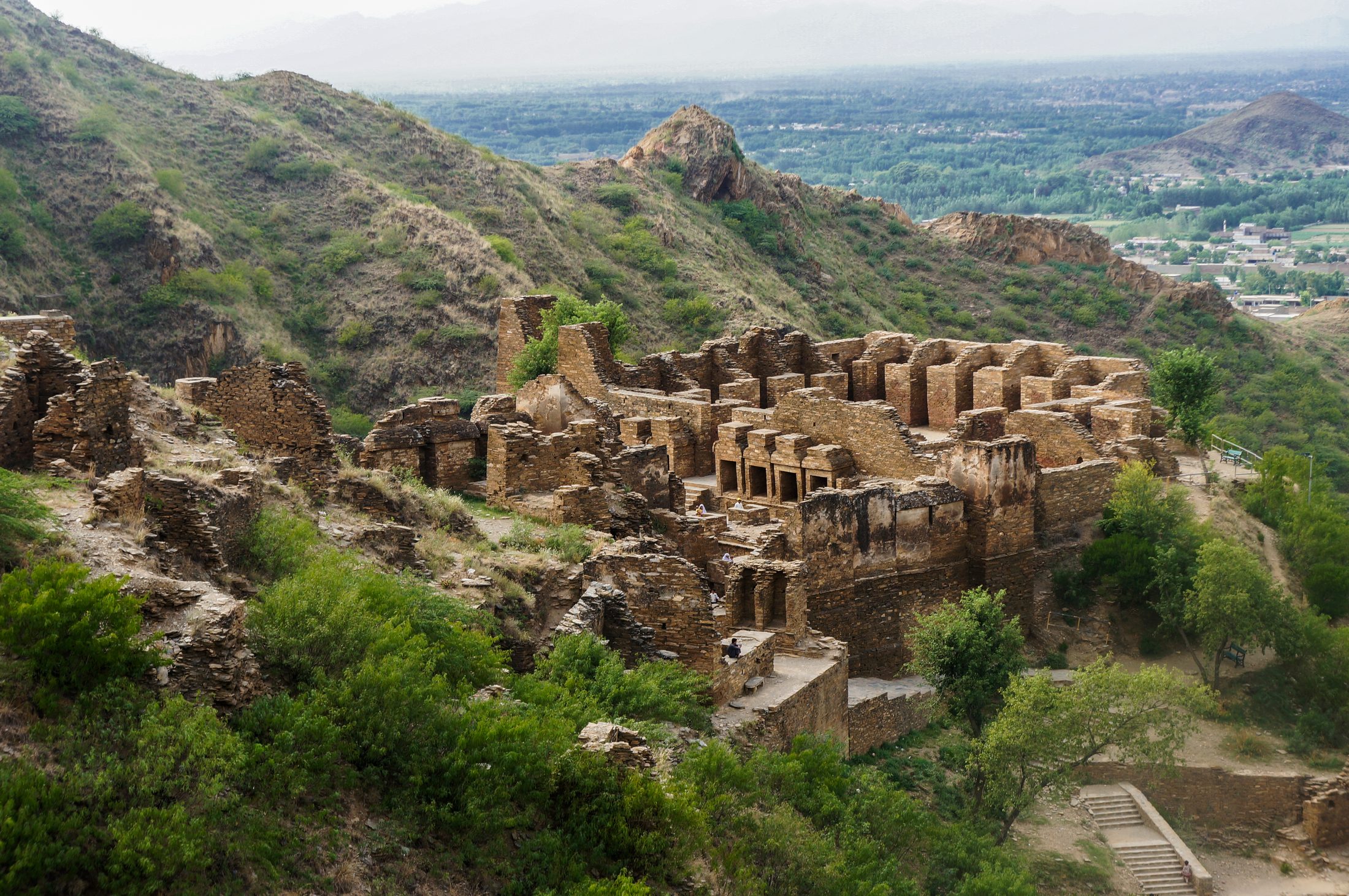
Takht-i-Bahi: why Pakistan's best-preserved Buddhist monastery sits on a hill
Bilal Ahmed · 3 Oct 2026
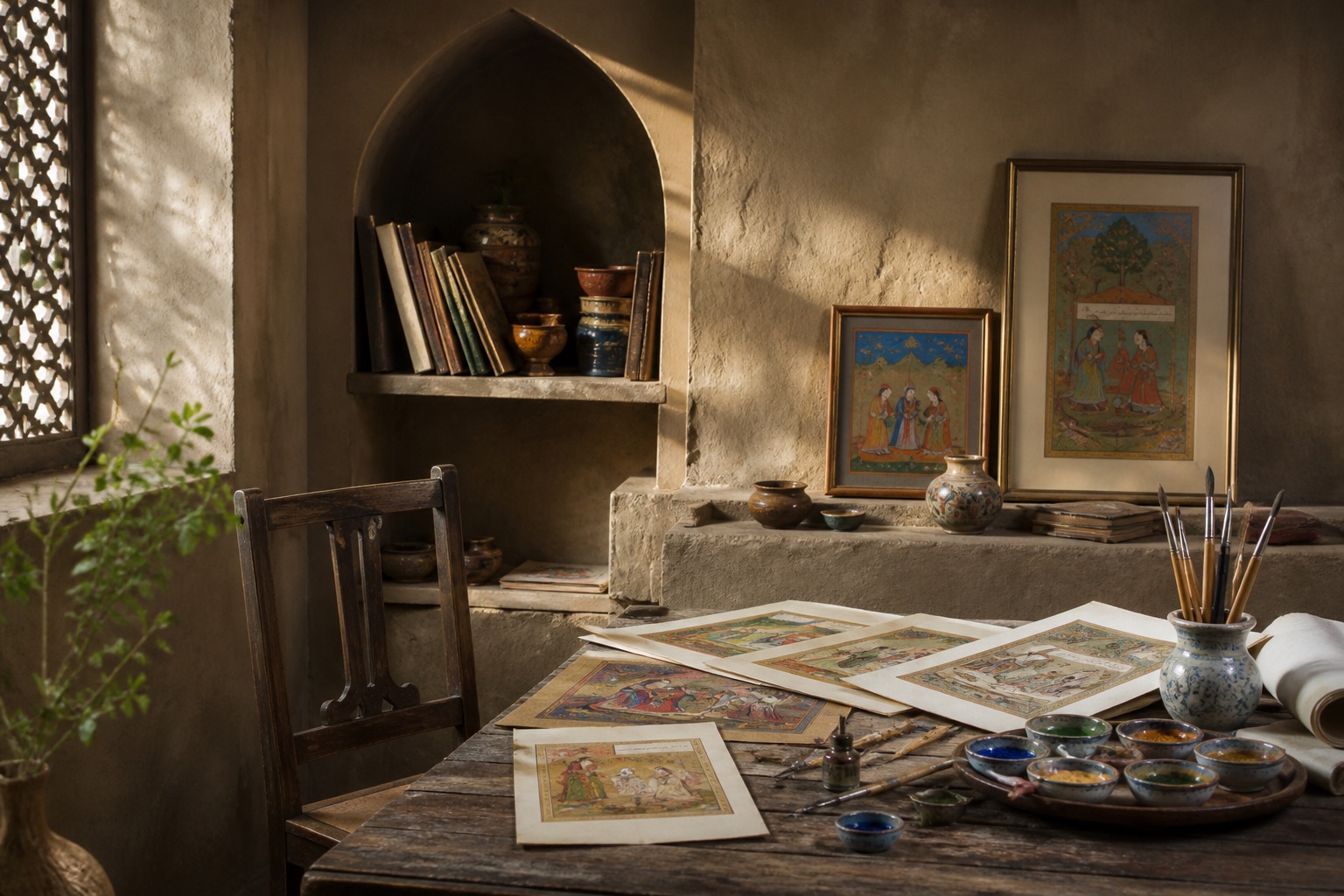
Zahoor ul Akhlaq: the artist who reshaped Pakistan's miniature debate
Mehreen Ali · 8 Sep 2026
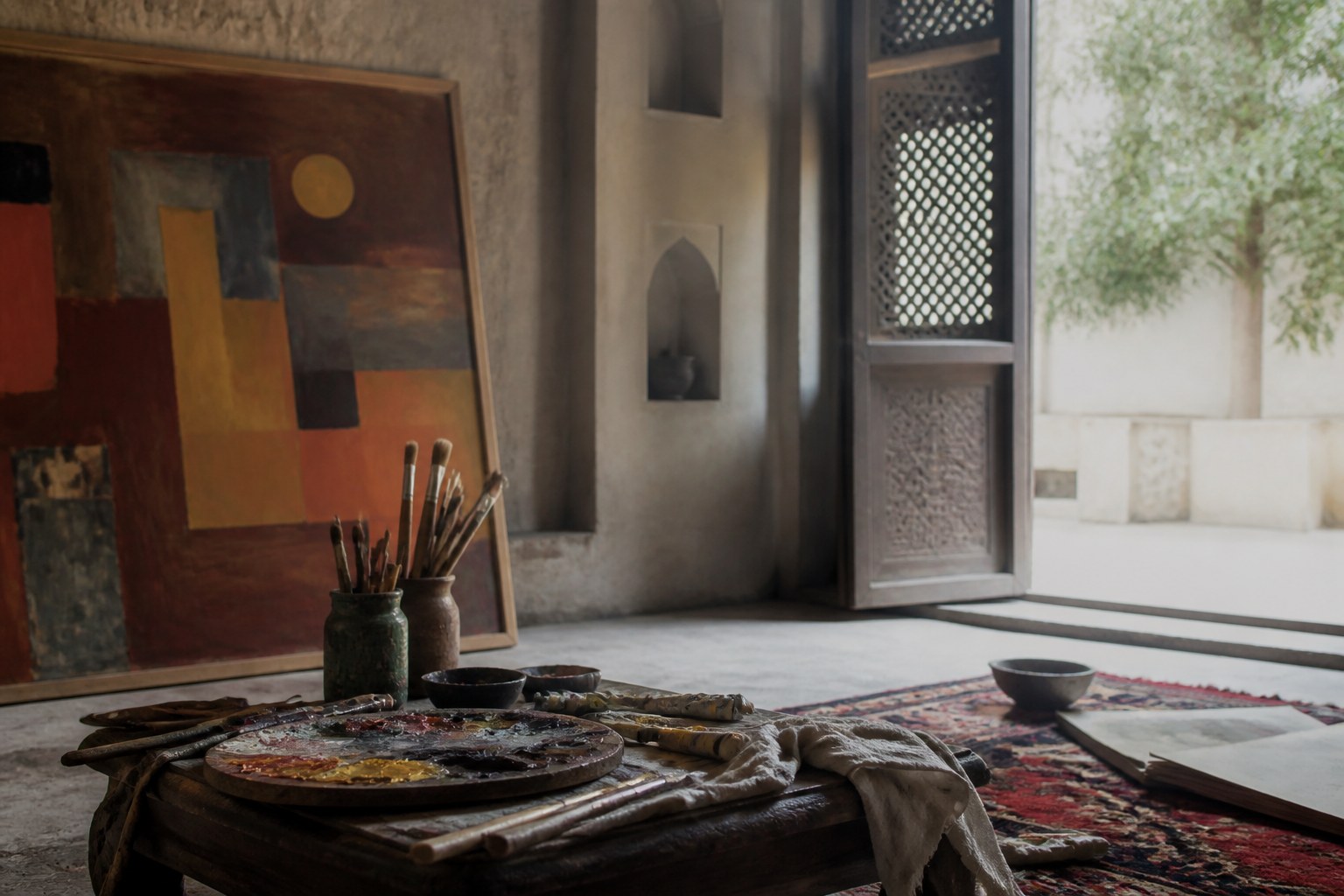
Zubeida Agha: colour and the beginnings of modern art in Pakistan
Mehreen Ali · 18 Sep 2026

Stitched, unstitched, and semi-stitched Pakistani suits explained
Mehreen Ali · 12 Jun 2026

Readers
The conversation
0 notes
Anyone can leave a note. Guests add a name and email — no account required, and the email is never published.
No notes yet. Yours would be the first.