UK spare-room hosting when relatives stay for a wedding week
Host wedding-week relatives in a UK spare room with privacy, towels, bathroom schedules, and careful council-tax framing. Logistics over décor theatre.
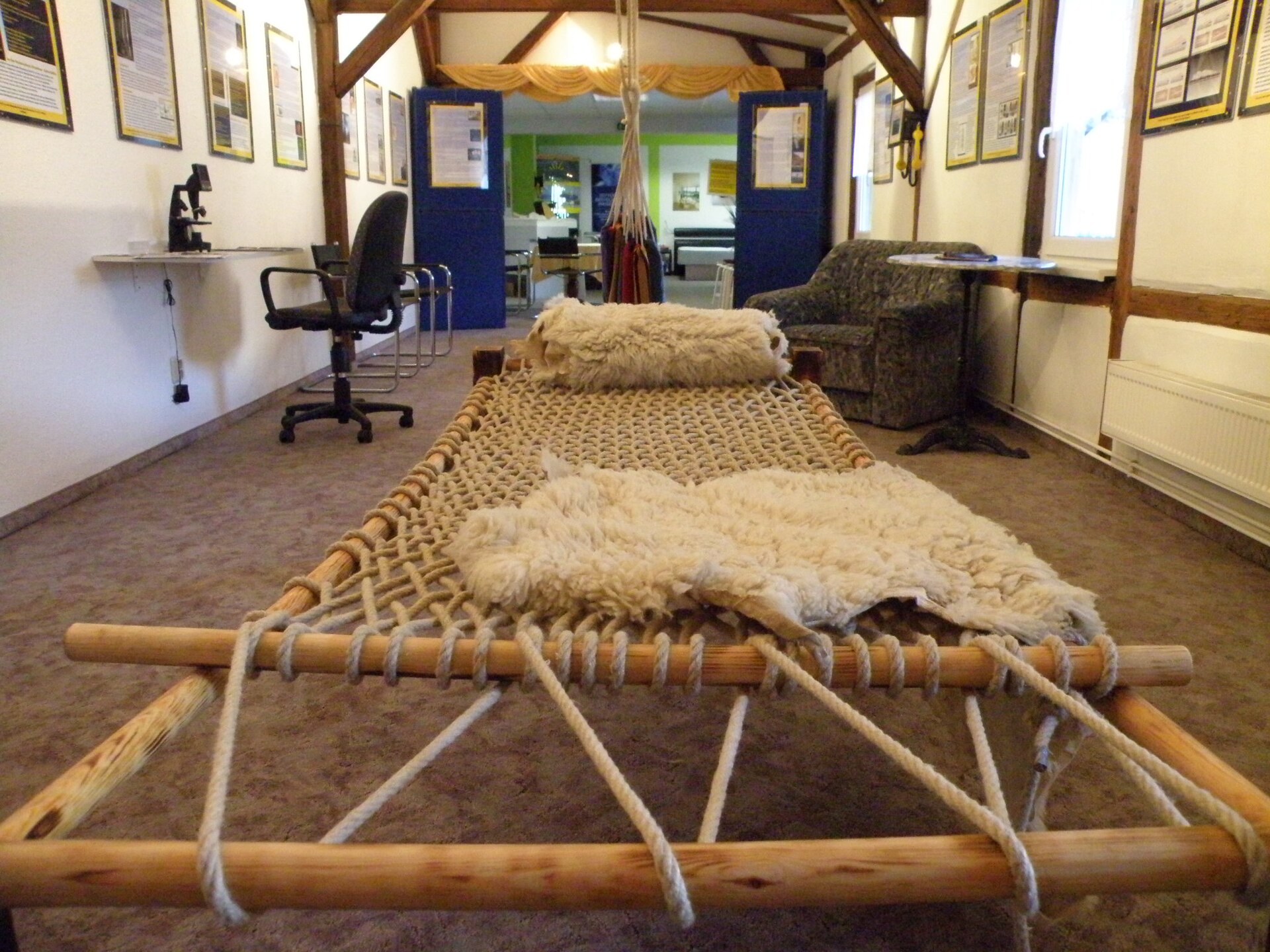
A British Pakistani wedding week turns the spare room into temporary infrastructure. Relatives arrive with suitcases, ironed outfits, jet lag, and an unspoken hope that your house will absorb five overlapping calendars. The week fails less often from the wrong throw pillows than from shared bathrooms at 7 a.m., one thin towel pile, and a host who never sleeps. Treat this as a hosting logistics essay for that pressure cooker. It is not a styling brief, and not legal advice about your council tax bill.
Commission yourself one outcome: guests can dress, pray, rest, and leave for functions without negotiating every towel, and you still recognise your own mornings by the end of the week. Everything decorative is optional after that.
Privacy before aesthetics
Assign the room as a door that closes. Elders changing into formalwear, teenagers FaceTiming cousins, and someone praying fajr while the rest of the house sleeps all need a boundary more than they need matching cushions. If the “spare room” is a through-lounge or a child’s bedroom on loan, say the limits out loud on arrival: whose drawers stay closed, where phones charge, and which hours the door stays shut.
Give each adult or couple a clear landing strip: bed or mattress, a chair or clear floor for dressing, a hook or rail for tomorrow’s outfit, and a surface that is not the windowsill full of your paperwork. Suitcases that live half-open in the hallway become trip hazards on the morning of the baraat. Move them once, early.
Towels, bathrooms, and the morning queue
Count bodies against bathrooms before you count biryani trays. A wedding week compresses showers into the same narrow window as steamers, makeup, and school runs. Write a simple bathroom order the night before each big event: who needs the room first, who can use a downstairs sink for wudu or teeth, and when hot water usually sulks in your boiler’s real behaviour, not its brochure.
- Towels: one bath towel and one hand towel per guest, labelled with a luggage tag or peg so laundry does not become a detective story.
- Spares: keep two clean bath towels sealed in a labelled bag for spills, late arrivals, or a child who soaks everything.
- Bins and tissue: empty bedroom and bathroom bins every evening; put sanitary and nappy disposal where guests do not have to ask in front of a roomful of cousins.
- Laundry: announce one wash window, not continuous hospitality laundry. Wet sherwani steam and towel mountains will otherwise own the kitchen.
Stock the bathroom with soap, toothpaste extras, and a hairdryer if you have one, then stop. Guests who need specialised products usually travel with them. Your job is not a hotel trolley.
A shared schedule that protects sleep
Put function times on paper or a shared note: departure times, who is booked in which car, which meals happen at home, and when the house should be quiet. Wedding weeks collapse when every relative improvises a different “we should leave by…” and the host becomes the only clock.
Protect sleep as hospitality. Elders and children need earlier nights than the cousins rewatching dance practice. If someone must steam clothes at midnight, nominate a room away from sleeping guests and keep the extractor and windows honest about steam. Morning chai can be batched. Morning arguments about the iron cannot.
- Night-before bag check: outfit, shoes, dupatta pins, chargers, medication.
- Shoes and coats staged by the door so the hallway stays walkable.
- One person owns keys and the last lock-up, not five relatives “just popping back.”
- After the event, a ten-minute reset: glasses in the sink, bathroom clear, towels hung, not a full clean until tomorrow.
Food, fridges, and the host’s plate
Wedding-week guests often assume the host kitchen is infinite. It is not. Decide which breakfasts are self-serve, which dinners are takeaway, and which nights you refuse to cook because you are also dressing for a function. Label fridge shelves if multiple households share milk and mithai. A host who never eats is a host who will snap on Thursday. Put your own meal on the plan.
Medicines, prayer space, and jet lag
Ask guests before arrival whether they need fridge space for medicines, a quiet corner for fajr, or blackout habits after a long flight. A spare room next to a noisy radiator or street light can wreck the first two nights. Offer earplugs and an eye mask without ceremony. If someone has mobility limits, assign the room with the fewest stairs even if it is not the prettiest.
Jet-lagged relatives may want tea at odd hours. Decide whether the kitchen is open all night or whether a thermos and biscuits live in the guest room so the host sleeps.
Council tax myths, stated carefully
Wedding WhatsApp threads sometimes claim that any overnight guest cancels a single-person discount, or that a spare-room visit automatically creates a new bill. That is not how the public framework is written. GOV.UK’s overview of who has to pay Council Tax explains that a full bill assumes at least two adults living in a home, lists categories of people who are “disregarded” when counting, and notes the familiar 25% discount pattern when you live on your own or everyone else counted in the home is disregarded. Shelter’s legal summary of council tax discounts centres the test on how many people have the dwelling as their sole or main residence, not on every cousin who sleeps over for a nikah week while their own home remains elsewhere. For a broader overview of how the tax works, see GOV.UK’s Council Tax pages.
Frame it for your household without inventing a national “X days = resident” rule:
- Short wedding-week guests whose sole or main home is still abroad or in another UK address are not the same situation as an adult moving in permanently.
- If someone’s main residence becomes your address (post redirected, belongings moved, no other home), that can change discount entitlement, and residents who realise a discount no longer applies have notification duties described in the public guidance above.
- Paying lodgers, subletting, or running the spare room like a guest house is a different legal and tenancy conversation from hosting relatives for a family wedding.
- Contact your local council if your facts are messy. This article is logistics context, not a determination of your bill.
Separately, read your tenancy or mortgage paperwork for overnight-guest clauses. Landlords sometimes limit how long visitors may stay. That is a contract question, not a council-tax sticker on the fridge.
Neighbours, bins, and the morning after the baraat
Tell immediate neighbours the key dates if music or late cars are likely. Put bins out on the correct night even during wedding chaos. A spare-room week that leaves the front garden full of packaging invites complaints that have nothing to do with culture and everything to do with rubbish.
After the last guest leaves, do a reset day: mattress protectors washed, bathroom deep-cleaned, spare keys counted. Future you will host again more willingly if the house returns to baseline quickly.
End the week the way you meant to start it: guests rested enough to celebrate, bathrooms still usable, and a host who did not disappear into towel maths. A spare room earns its keep when privacy, hot water, and a shared clock do more work than décor.
Medicines, jet lag, money, and neighbours
Ask guests before arrival whether they need fridge space for medicines, a quiet corner for fajr, or blackout habits after a long flight. Offer earplugs and an eye mask without ceremony. If someone has mobility limits, assign the room with the fewest stairs. Decide money boundaries early: who covers breakfasts, who covers taxis. Tell immediate neighbours the key dates if music or late cars are likely. Put bins out on the correct night. After the last guest leaves, reset mattress protectors, bathrooms, and spare keys.
Sources and official profiles
Was this helpful?
Keep reading
Related stories
More from this desk, this beat, and the tags on this piece.
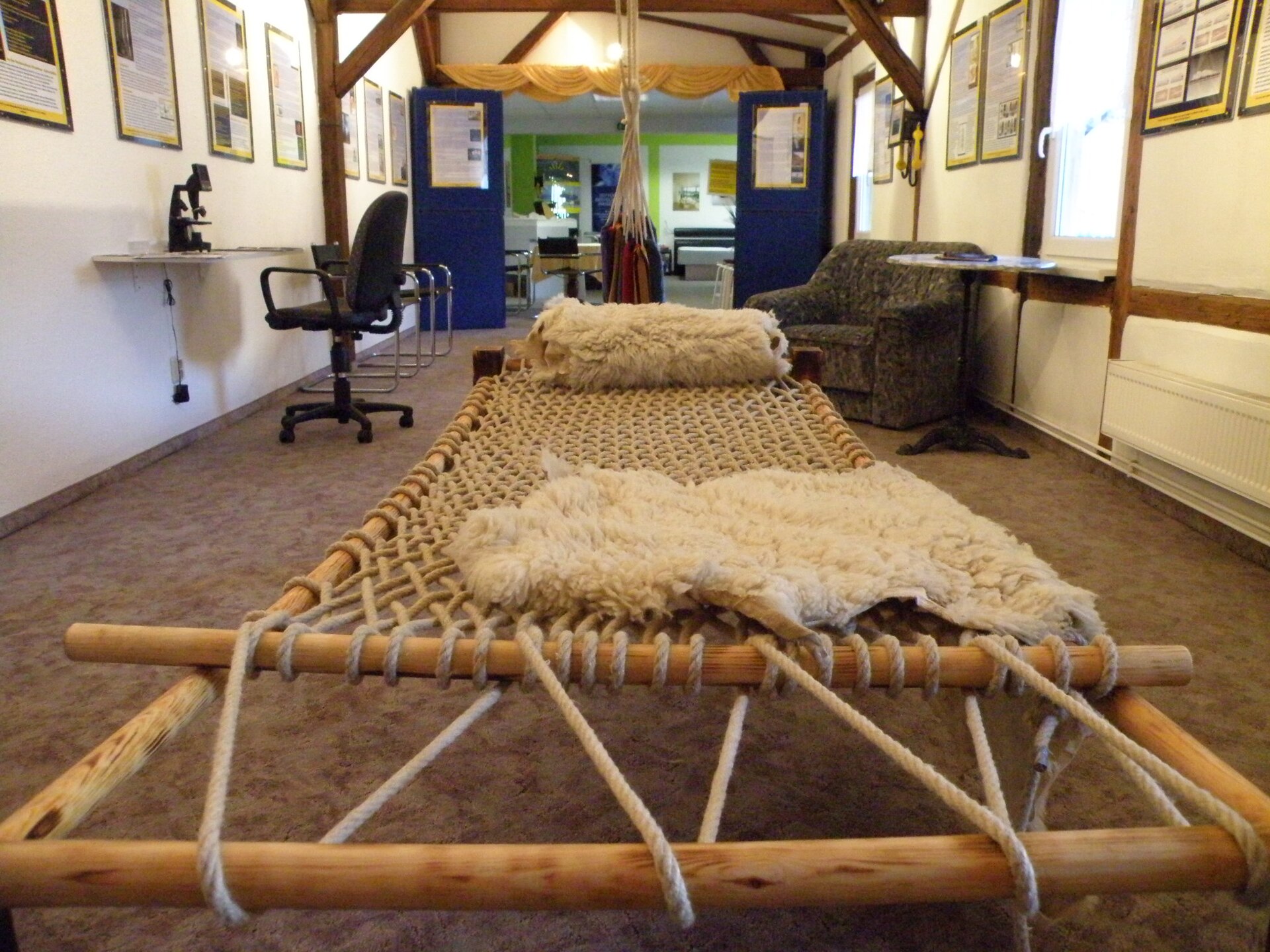
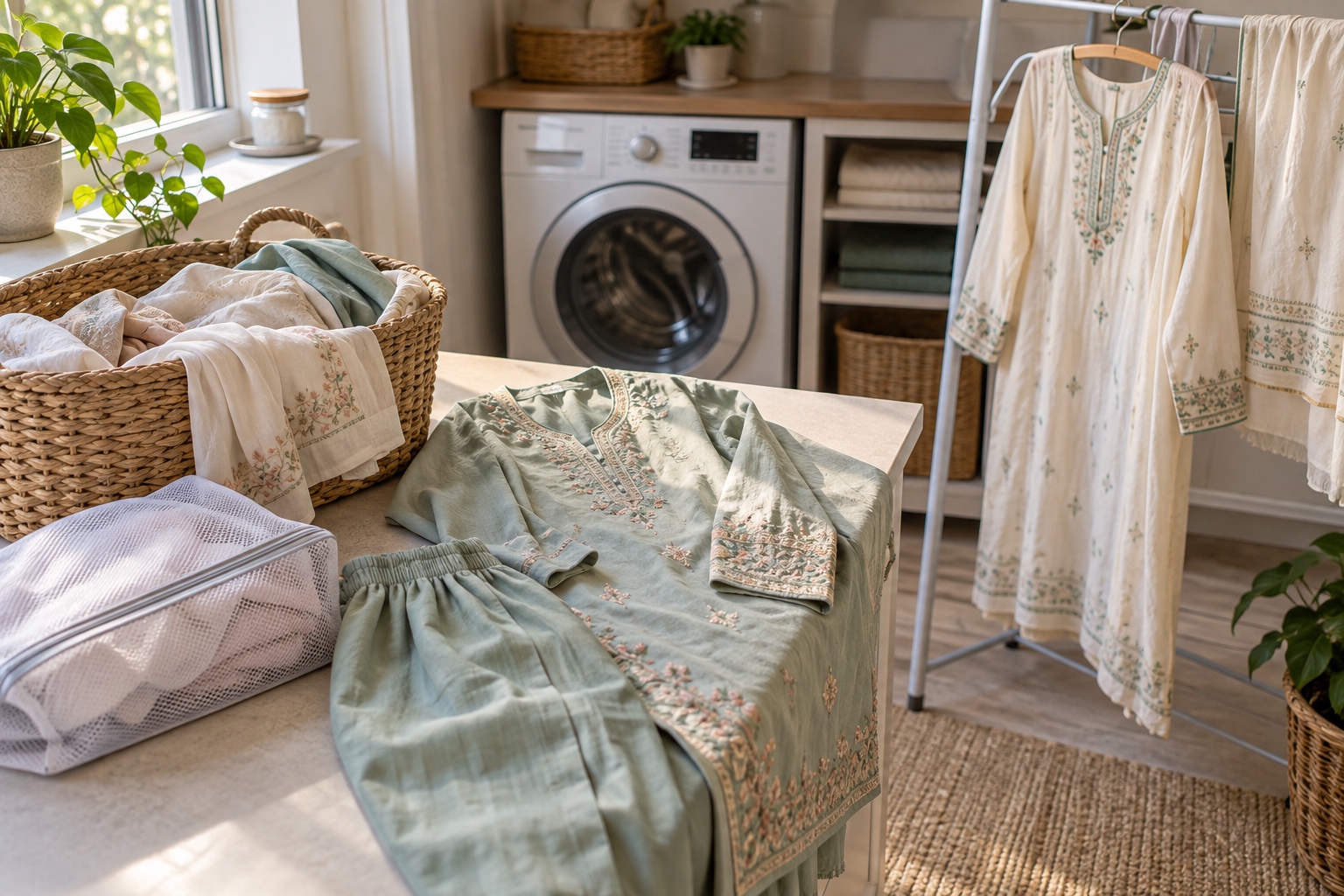


Moving from Pakistan to the UK: what household items are worth bringing
Rabia Kamal · 13 Sep 2026


Readers
The conversation
0 notes
Anyone can leave a note. Guests add a name and email — no account required, and the email is never published.
No notes yet. Yours would be the first.