How to build a Pakistani jewellery wardrobe
A jewellery wardrobe built by function, comfort and repeat combinations rather than accumulating one complete set per outfit.
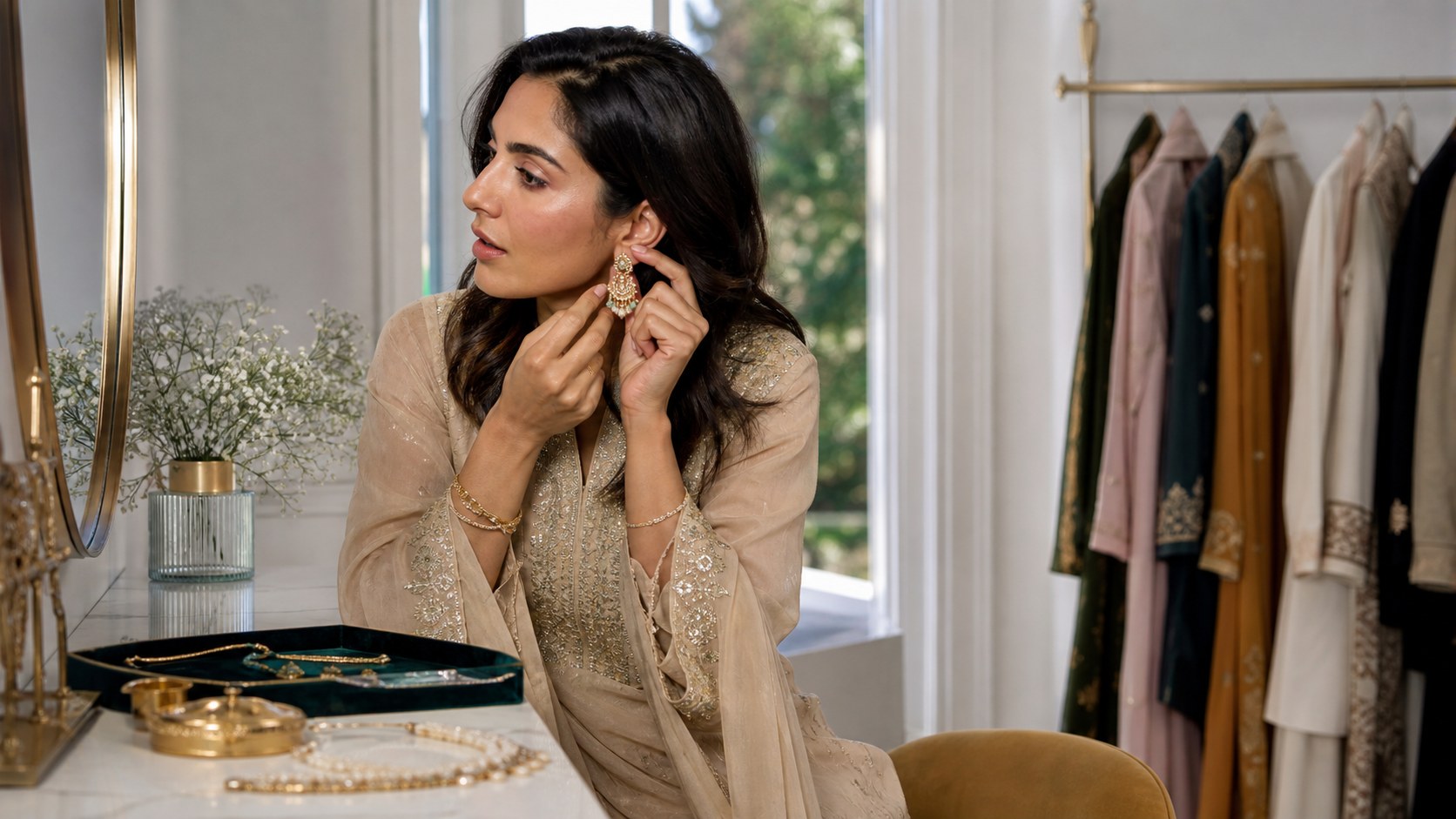
A jewellery wardrobe becomes useful when pieces speak to one another without arriving as a matching set. Begin with the part of the body you enjoy emphasising and the events you attend. Someone who wears earrings daily needs a different foundation from someone whose dupatta and neckline carry most occasion looks.
The goal is repeatable combinations, comfort through long events and honest material records - not owning every object named on a bridal checklist.
Build in three levels of visual weight
| Level | Useful role | Examples |
|---|---|---|
| Quiet | Daily and work repetition | Small jhumka or stud, slim bangle, simple chain |
| Middle | Festive dinners, Eid, guest events | Chandbali, stackable bangles, pendant, single tikka |
| Statement | Peak ceremony moments | Large earrings, collar necklace, nath or headpiece - usually one lead piece |
Choose a shared metal tone only if it reflects what you wear; mixed finishes can be deliberate. Photograph each new piece beside three outfits before keeping it. A necklace that works with one precise neckline may still earn its place, but treat it as occasion equipment rather than a versatile basic.
Comfort is construction evidence
Wear earrings for twenty minutes and note pull, clip pressure and whether the backing supports their weight. Turn your head with a tikka, jhoomar or nath attached. Test bangles at the widest part of the hand and check sharp solder points. Jewellery that requires painkillers is not improved by being traditional.
- Add earrings first; they survive changing necklines.
- Add a bangle combination that can split into smaller stacks.
- Choose one necklace for open necklines and one longer piece only if needed.
- Buy head and nose jewellery after testing it with hair, dupatta and fastening method.
Materials, plating and paperwork
Record materials honestly. Keep invoices, metal and stone descriptions, repairs and photographs together. “Gold polish”, plated metal and solid gold require different care and value expectations. In the United States, the FTC’s consumer guidance on buying platinum, gold and silver jewellery explains karat marks, trademarks and plating language buyers should look for. Its broader jewelry guides overview is a useful companion when claims feel slippery.
UK buyers should likewise keep written descriptions and understand that polish and plate are not the same as solid precious metal. If a seller cannot explain what a stamp means, slow down.
Storage, perfume and lending
Store pieces separately in dry, soft compartments. Keep perfume and hairspray away from plated surfaces. Tangled chains and stacked heavy earrings in one pouch are how repairs begin. Photograph valuable jewellery and store appraisal or insurance records appropriately.
When lending, agree who handles transport and repair; affection is not a substitute for a safe fastening. Retire any piece with an unsafe clasp until it is repaired.
Bridal checklists versus wardrobe logic
Bridal lists often name tikka, jhoomar, nath, necklace, earrings, bangles and rings as if all were required every ceremony. Wardrobe logic asks which lead idea each event needs. Nikah may favour quieter hands for writing and prayer. Mehndi may limit hand jewellery because of henna and dancing. Baraat may support a fuller set if hair and dupatta engineering can carry it. Walima may change architecture entirely - statement earrings without a collar, for example.
Reusing jewellery across ceremonies is not a compromise; it can create continuity while clothes change. Continuity also reduces packing risk.
Budget order that prevents regret
Spend first on secure everyday earrings and a comfortable mid-level pair that can dress up. Then bangles or a versatile bracelet stack. Then one necklace that matches your most worn neckline family. Headpieces last unless your events truly require them. This order mirrors frequency of wear for most non-bridal wardrobes.
Cost per wear is a calmer metric than campaign glamour. A mid-level chandbali worn ten times often outperforms a statement collar worn once and feared.
Annual review
Review the box once a year. Repair loose posts before they fail, restring weak threads and separate sentimental pieces from items you are comfortable lending. Update photographs. Discard unsafe costume pieces that shed metal or pinch skin.
The collection is complete when it solves your real dressing decisions. It does not need every object named on a bridal checklist. It needs pieces that combine, fasten, survive hugs and still feel like you at the end of the night.
Matching jewellery to necklines and dupattas
High collars and heavy front embroidery often want earrings rather than collars. Deep necklines can take a pendant or short necklace if the clasp sits comfortably under a dupatta. Side-parted hair and tikka need rehearsal with the exact scarf weight. Nath chains must leave room for smiling and speaking; test speech before the event, not during vows.
Bangles interact with sleeves. Narrow cuffs may strike metal repeatedly; fuller sleeves may hide stacks you wanted seen. Decide whether sound during a quiet nikah is acceptable. Soften stacks for ceremony and enlarge them for mehndi if that matches the room.
Photograph each complete ceremony combination including hair. Memory misleads; images prevent packing the wrong necklace for the neckline you actually packed.
Costume, antique and heirloom lanes
Keep three mental lanes: costume pieces you accept will wear, fine pieces with paperwork, and heirlooms with sentimental constraints. Do not treat them identically in cleaning, lending or travel. Heirlooms may need professional assessment before ultrasonic fantasies or polish experiments.
Travel with valuables in hand luggage, inventoried. Hotel safes and family homes have different risks; choose consciously. If you must leave pieces during a dance, assign one person and one closed bag - not an open table.
A jewellery wardrobe is a working system. When it is working, getting dressed becomes combination rather than crisis. That is the measure of completion - not the number of boxes on a shelf.
Necklines, dupattas and collision control
High collars often want earrings rather than collars. Test nath chains while speaking. Soften bangle sound for quiet ceremonies. Photograph each complete combination including hair before packing.
Skin, alloys and safety
Itching, green marks and rashes are information. Stop wearing pieces that injure you. Seek medical advice for persistent reactions.
Heirlooms, insurance and lending
Keep lanes separate: costume, fine with paperwork, and heirlooms with constraints. Photograph valuables and agree lending terms before affection becomes a lost clasp. Completion is combinations that fasten and survive hugs.
Keep a short written brief before the next purchase: setting, movement, garments already owned, and the single addition that unlocks the most combinations. Test sitting and walking, then stop adjusting at the door.
Share hard-won fit and care lessons with people you dress beside so failures are not rediscovered the night before an event.
Record what worked under real conditions and let that record drive the next choice instead of an unverified trend claim.
Budget order usually favours secure everyday earrings, then a mid-level festive pair, then bangles or bracelet stacks, then a necklace matched to your most worn neckline family. Headpieces come last unless your calendar truly requires them. Cost per wear beats campaign glamour.
Occasions change the brief: interviews want quiet metal; mehndi wants clap-safe pieces; nikah wants silence during recitation; walima can carry more shine if dinner posture still works. Build to subtract quickly.
Storage should keep pieces separate, dry and away from perfume spray. Tangled chains and stacked heavy earrings in one pouch are how repairs begin. Review the box yearly: repair posts, update photographs, retire unsafe costume pieces and refresh insurance records for high-value items.
A jewellery wardrobe is complete when getting dressed becomes combination rather than crisis. That measure matters more than owning every object named on a bridal checklist.
Keep notes on real wear conditions and let those notes guide the next decision faster than another unverified trend claim.
Return to a practical test - sit, walk, climb, carry - before calling any choice finished.
Photograph valuable pieces, keep invoices with metal descriptions, and refuse unsafe clasps until repaired. Function, comfort and repeat combinations are the wardrobe metrics that matter after the boutique lights go off.
Sources and official profiles
Filed under
Was this helpful?
Keep reading
Related stories
More from this desk, this beat, and the tags on this piece.
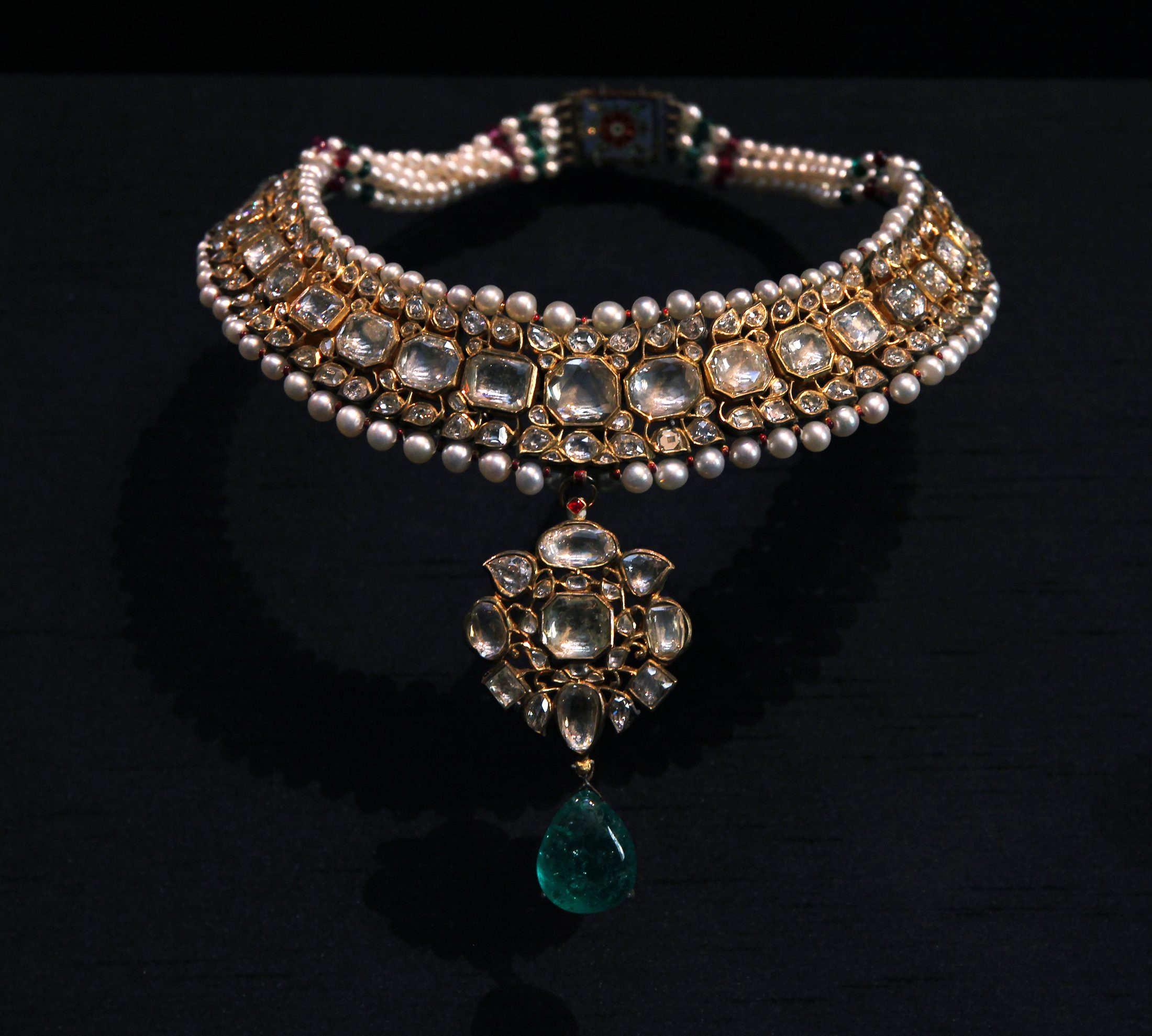
Pakistani bridal jewellery names: tikka, jhoomar, matha patti and what each piece does
Zainab Noor · 13 Oct 2026
Buying Pakistani gold jewellery in the UK: read the hallmark before the receipt
Zainab Noor · 13 Oct 2026
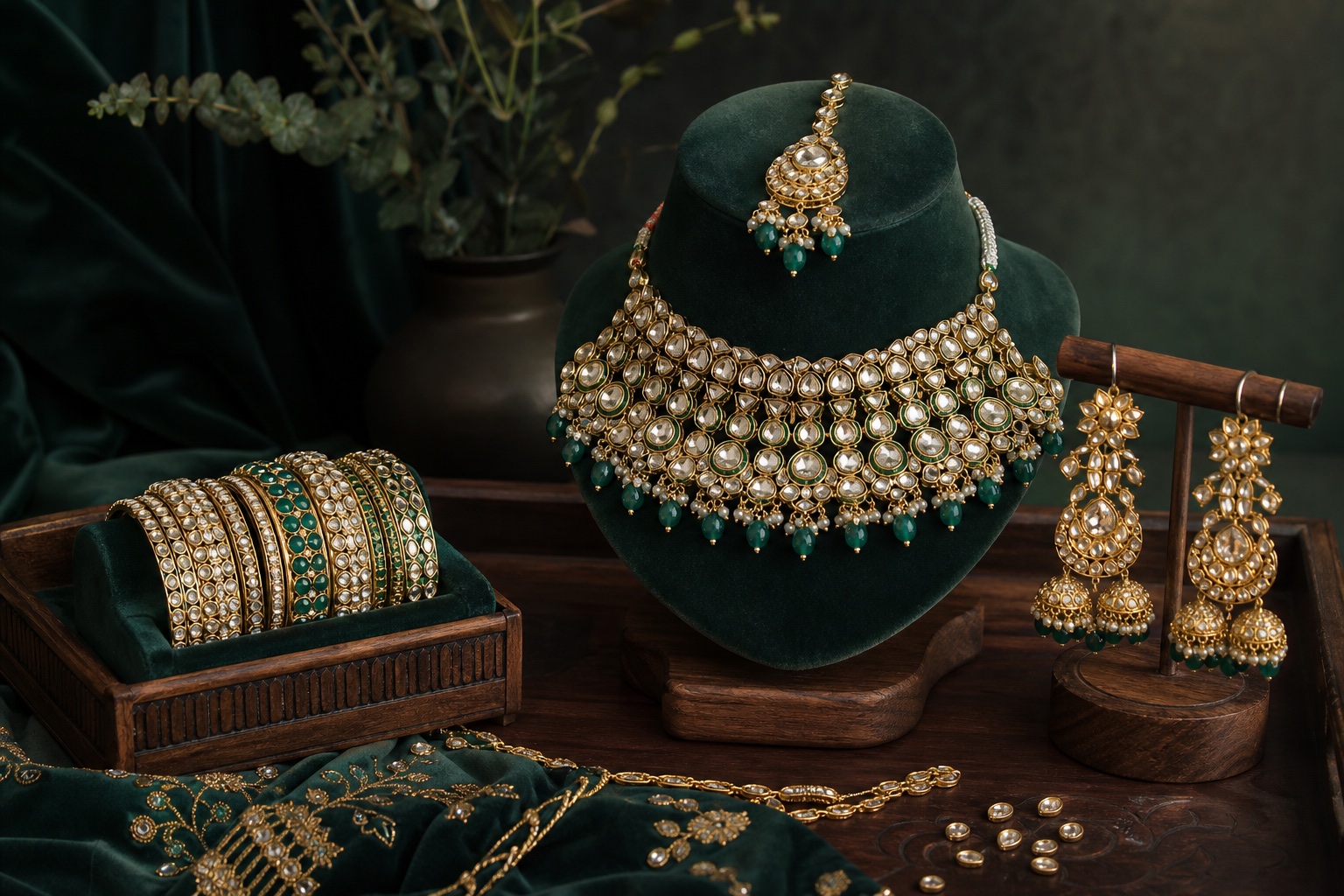
Pakistani wedding jewellery materials and price questions explained
Zainab Noor · 26 Feb 2026
Readers
The conversation
0 notes
Anyone can leave a note. Guests add a name and email — no account required, and the email is never published.
No notes yet. Yours would be the first.