Hunza or Skardu for a first trip
Hunza versus Skardu for a first northern trip: maps, altitude, cancellations, FCDO highway constraints, and why one valley is enough.
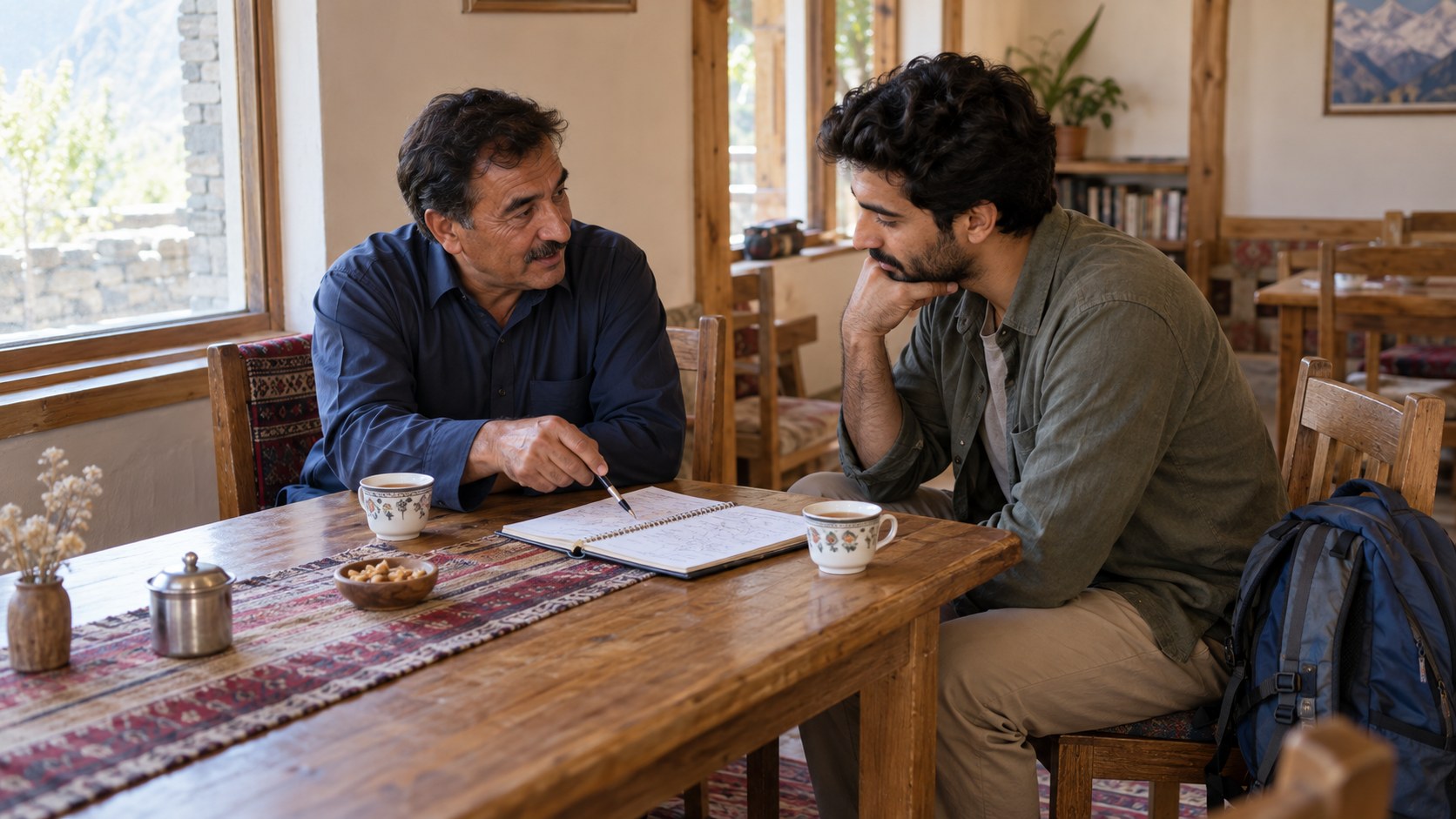
People ask “Hunza or Skardu?” as if the north were a two-button menu. It is not. Hunza, for many first trips, means a set of villages along the Karakoram corridor with walkable distances between bases such as Karimabad and Altit. Skardu is a working town on a wider map, Shigar, Khaplu, Deosai, with flights that may not land and roads that punish optimism. A first trip should pick one valley system and stay. Collecting both as a raid treats other people’s weather as a personality.
Early answer: choose Hunza if you want a shorter first map and more walking between villages; choose Skardu if you have buffer days, can tolerate cancellations, and will not treat Deosai as obligatory on day one. Always read current FCDO Pakistan travel advice and regional detail before locking deposits. As of the advice checked for this revision in September 2026, FCDO advises against all travel on the Karakoram Highway between Mansehra and Chilas via Battagram, Besham, Dasu and Sazin, plan routing and operators with that in mind rather than with a static Instagram map. Avoid night travel on mountain highways where advice flags steep drops and landslide history.
What you are actually choosing
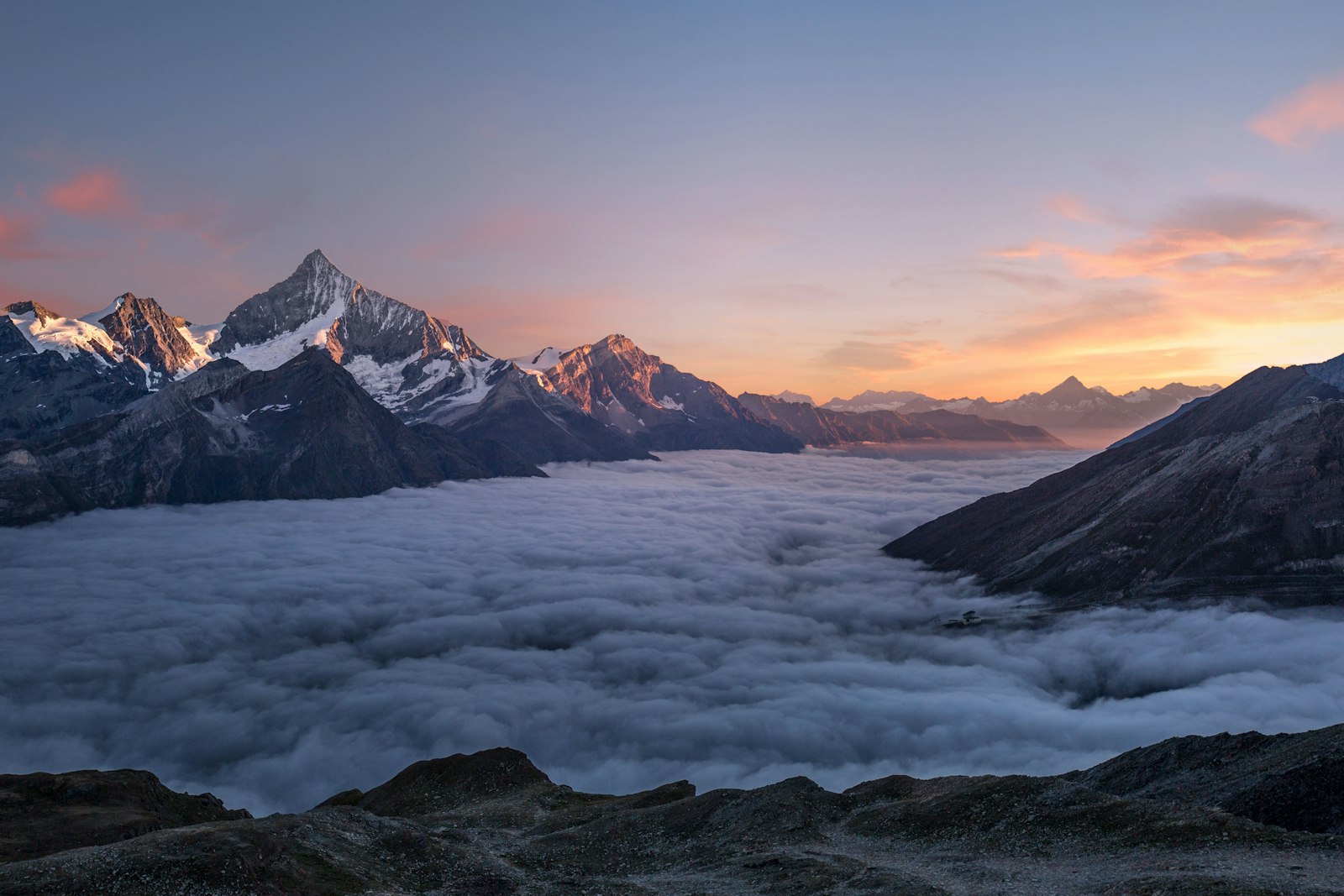
Hunza bases around Karimabad sit high enough that plains bodies feel altitude by afternoon if they sprint. Approximate elevations matter more than captions: Karimabad is commonly discussed around 2,400–2,500 metres, Skardu town somewhat lower around 2,200 metres, while Deosai sits in a different air country near 4,000 metres. Those figures are orientation, not a medical clearance. Attabad, Passu, and Baltit/Altit are close enough that a first-timer can sleep in one house and see a valley without living in a jeep. The postcard is real. So is fatigue in a place asked too often to be a backdrop.
Skardu town feels more like a district centre: river, fruit, army traffic, logistics. Satpara is near. Shigar and Khaplu need road agreement. Deosai is a high plain that will punish anyone who booked Skardu as a spa. A first trip that tries to collect all of that is not ambitious. It is rude to your own body and to drivers.
| Constraint | Lean Hunza | Lean Skardu |
|---|---|---|
| Four days, little slack | Better first map | Often skip |
| Week + cancellation stomach | Also fine | Town + one side valley |
| Want village walking | Strong fit | Possible with planning |
| Want Deosai | Not the tool | Only if acclimatised and open |
| Need nightlife | Skip both fantasies | Skip both fantasies |
Roads, flights, and the KKH constraint
Gilgit and Skardu flights cancel. Build a day of slack before anything that cannot move, international departures especially. Road journeys are long; landslides are calendar facts. FCDO notes unreliable northern flight schedules and urges local security advice, registration for foreign nationals in Gilgit-Baltistan, and proper permits for higher trekking. Use reputable agencies; do not trek alone. Permission processes for serious treks can take weeks, start early.
The Mansehra–Chilas KKH ban for UK advice-followers is not a rumour. Operators who still sell a “classic road movie” through that corridor without discussing live advice are selling nostalgia. Ask how your route reaches Gilgit-Baltistan on the days you travel, air, alternative road corridors, or a combination, and what happens if a flight returns to Islamabad. Monitor National Highway Authority context for national road networks and tourism.gov.pk for official tourism framing, then still trust current local operator reports over screenshots.
If you only have four days and no buffer, Skardu is often the wrong first bet. You may spend the trip rewriting bookings in Islamabad. If you have a week and patience, shoulder-season Skardu can be less of a queue than peak Hunza, if you accept that Deosai may be closed and that this is not failure.
Altitude is not a caption
Karimabad and Skardu town will argue with a plains body. Deosai is another country of air. If you get altitude sickness easily, skip Deosai on a first Skardu trip. Walk gently, hydrate, and descend if symptoms worsen, headache that intensifies, confusion, unusual breathlessness at rest. A scenic schedule is never worth a medical emergency. Children and elders need slower plans, not pep talks.
Where to sleep without fantasy
Family guest houses that stay open beyond peak season earn trust through blankets and people who live there. Serena hotels are hotels, book through official channels if that is your budget, not through a forwarded screenshot. PTDC properties, when open, are another honest public-facing name. Do not bargain a family house into the ground because a chat group crowdsourced a number. If it is too expensive, choose another house.
Season, blossom, and the calendar you cannot bully
Peak summer is a booking and crowding problem. Shoulder seasons trade crowds for weather risk. Winter is for people who already understand northern logistics. Blossom and autumn colour create rushes, book beds before you brag about plans. If you arrive without reservations in peak weeks, you become the person negotiating badly at dusk. Check Babusar and other seasonal constraints rather than assuming summer maps work in October.
Everywhere: ask before photographing people and private land; leave drones away from courtyards; carry cash; pack out rubbish; pay guides for full days even when weather sits you down. Orchards are livelihoods; ask before entering. Children are not valley mascots. Pay for viewpoints that are run as local enterprises when that is the arrangement.
Who should skip which valley
Skip Hunza if your only plan is drones over private roofs or if you need nightlife and guaranteed generators. Skip Skardu if you have four days, cannot tolerate cancellation, or think Deosai is mandatory. Skip both if you will not pay guest houses fairly or accept that mountain weather edits plans.
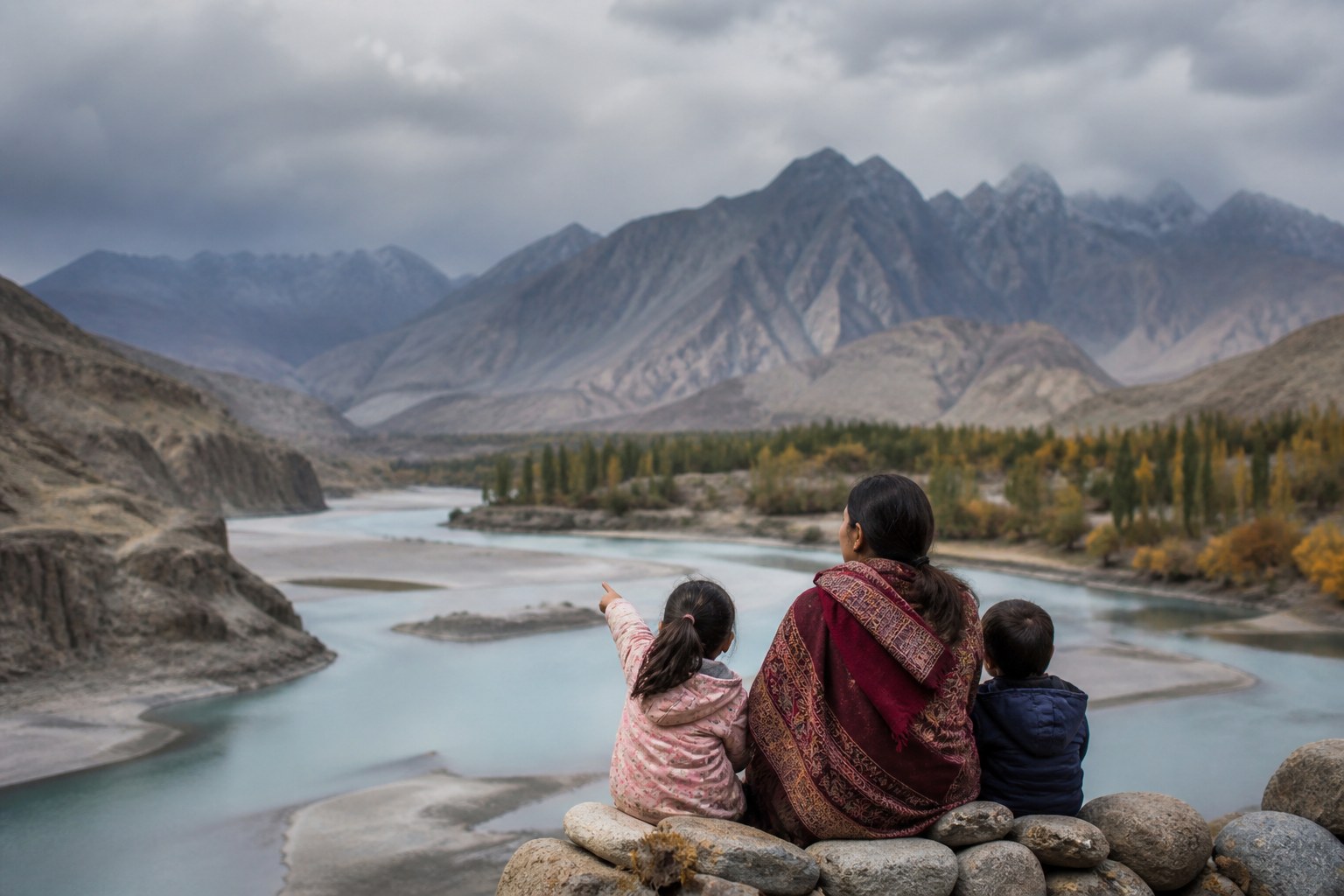
Families with young children often find Hunza’s walkable village bases kinder than long Skardu side-valley days. Photographers chasing autumn colour should book earlier than pride wants and still keep slack. US travellers should also read US State Department Pakistan information alongside UK advice if that is their baseline. Advisories differ in format; your insurer may care which one you ignored.
Jeeps, food, cash, and connectivity
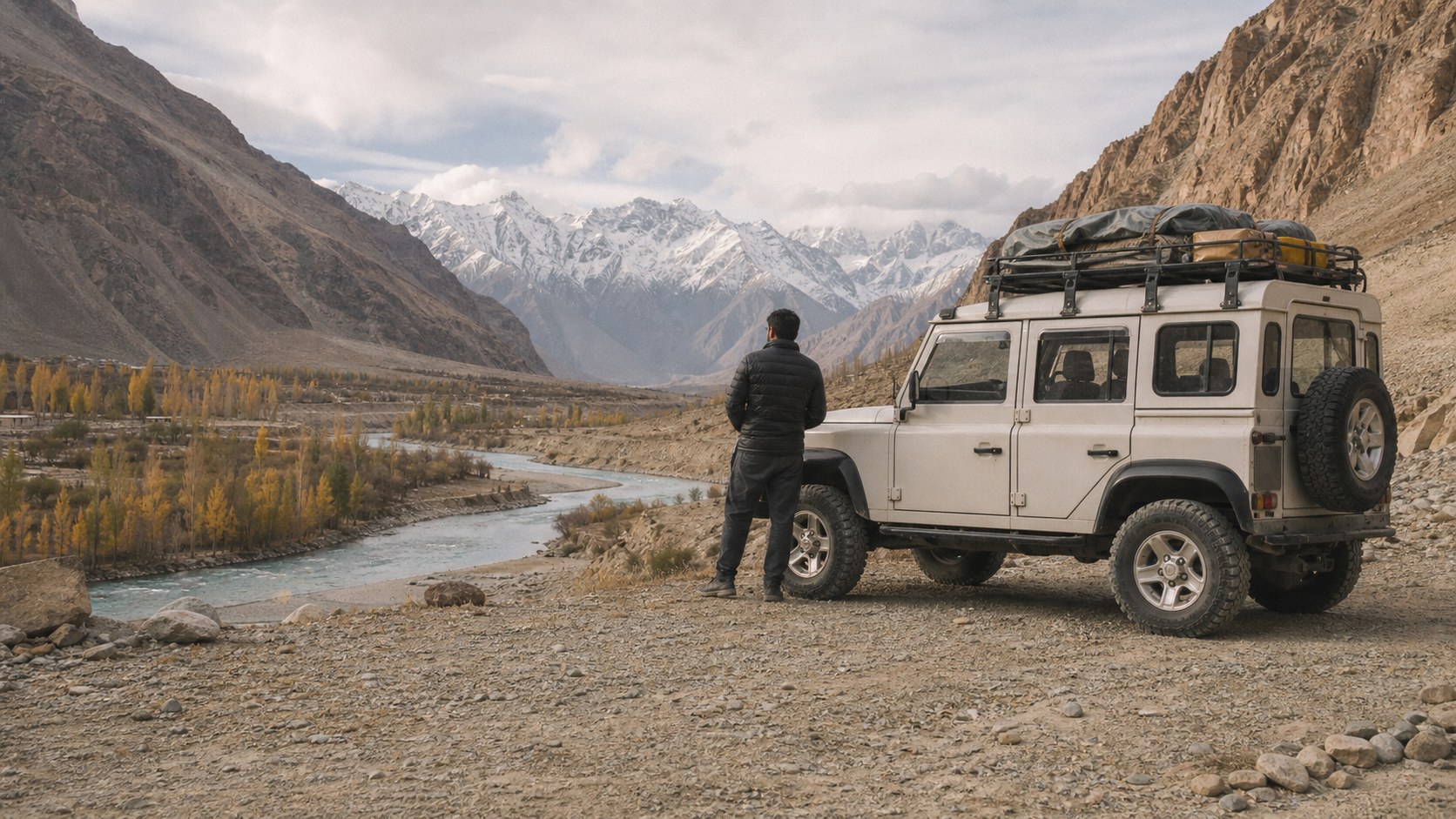
Hire drivers who live up the line when possible. Pay for waiting time. Speed on broken mountain roads is how trips become tragedies. If a driver brags about beating a landslide clock, choose another driver. Jeep drops and short walks should be priced before wheels move. Write the plan. Carry copies of IDs and hotel contacts offline.
Expect simpler menus than city malls, eat what is fresh, and ask about meat availability rather than demanding a full Karachi catalogue. Carry cash because connectivity and card machines fail. Buy local dried fruit and crafts from named makers when possible. Pack layers even in summer because evenings cool and jeep rides windy. Consider travel-health advice before departure; carry personal meds; know that evacuation from remote spurs is complex and may be uncovered if you ignored advice or permits.
Chinese border approaches and restricted zones have separate rules; do not improvise near sensitive areas. FCDO notes the Khunjerab crossing is seasonal and weather-vulnerable, check live conditions rather than treating a border photo as an itinerary.
A seven-day Hunza sketch versus a seven-day Skardu sketch
Hunza sketch: arrive with slack; two nights Karimabad walking Altit/Baltit; one upper-valley day; one rest or short local day; buffer; exit. Skardu sketch: arrive with slack; two nights town and Satpara; one Shigar or Khaplu day if roads agree; explicitly no Deosai unless acclimatised and open; buffer; exit. Both sketches refuse the fantasy of seeing “everything.”
Packing that matches altitude, not a mall fantasy
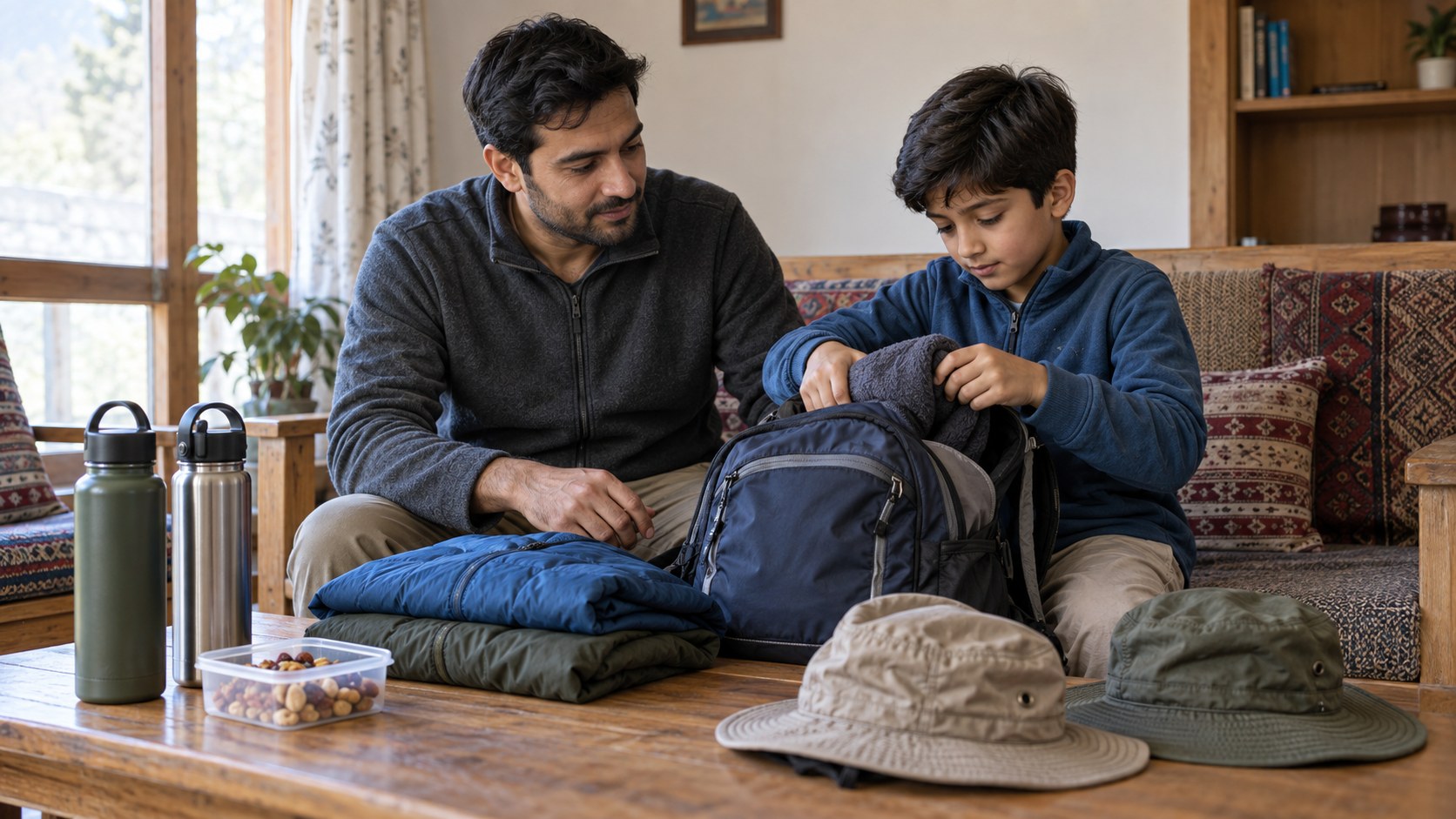
Layers even in summer: mornings and jeep rides cool while midday sun bites. Closed shoes with grip for village walks; sandals only for evenings if paths allow. Sun protection, personal medicines, a small first-aid kit, offline copies of IDs and bookings, and more cash than pride wants. Fancy camera drones are how first trips become neighbour conflicts, leave them down.
If you take prescription medication, pack extra days for cancellation buffers. If you are prone to altitude symptoms, discuss travel plans with a clinician before you go; this magazine page is not a medical clearance. Descend and seek help if symptoms worsen rather than “sleeping it off” at a higher overnight.
Money, tipping, and the fairness test
Pay agreed jeep and guide rates without turning every pause into a renegotiation. Pay for full days when weather sits you down, mountain labour is not a vending machine. Tip in a way that matches local practice and the service given; do not perform generosity for content and stinginess for the bill. Buy crafts from named makers when possible. Bargain as sport against a family house is how visitors earn reputations they deserve.
If friends insist you can “do both”
Ask how many days of slack they actually had, which advisory they were following, and whether their flights landed on the first try. Anecdotes are not logistics. Your trip needs your constraints: passport advice, insurer wording, altitude history, walking interest, and buffer tolerance. Write those on paper. The paper usually picks Hunza or Skardu faster than a comment thread will, and it usually picks one, not both.
Rewrite either sketch when advisories, landslides, or illness demand. The virtue is not sticking to the sketch. The virtue is arriving as a guest and leaving without having treated the valley as a content mine. End the comparison by writing your constraint list on paper before you open Instagram: days available, buffer tolerance, walking interest, altitude history, advice constraints. The paper usually picks the valley faster than a comment thread will. Pick one. Stay long enough to hear water channels. Pay fairly. Come home able to name the house you slept in.
Sources and official profiles
Filed under
Was this helpful?
Keep reading
Related stories
More from this desk, this beat, and the tags on this piece.
Readers
The conversation
0 notes
Anyone can leave a note. Guests add a name and email — no account required, and the email is never published.
No notes yet. Yours would be the first.