· Updated
Skardu in shoulder season
Plan Skardu between peak summer and closed passes: flight buffers, altitude caution, fewer queues, and day trips chosen by road hours rather than postcard lists.
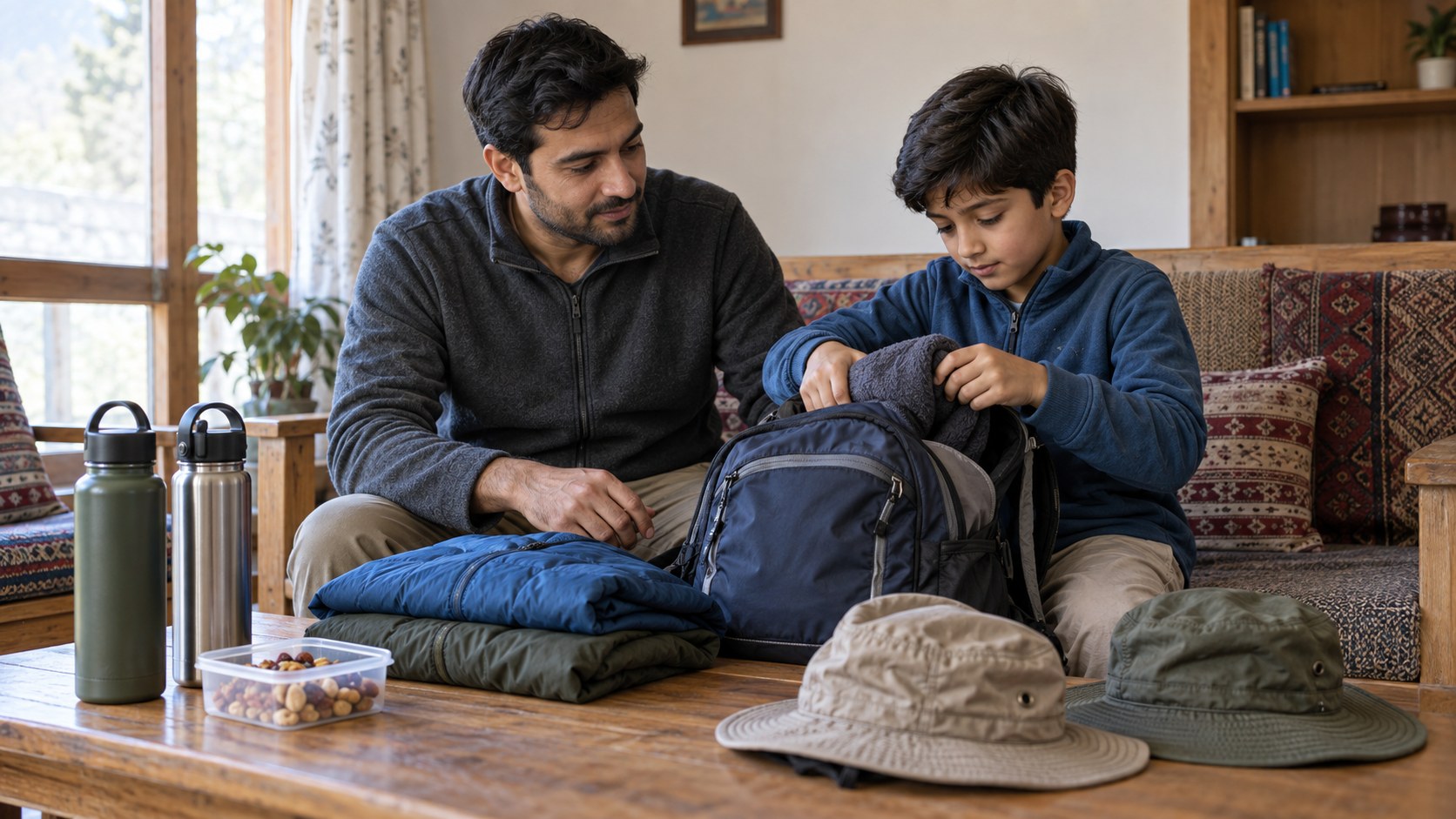
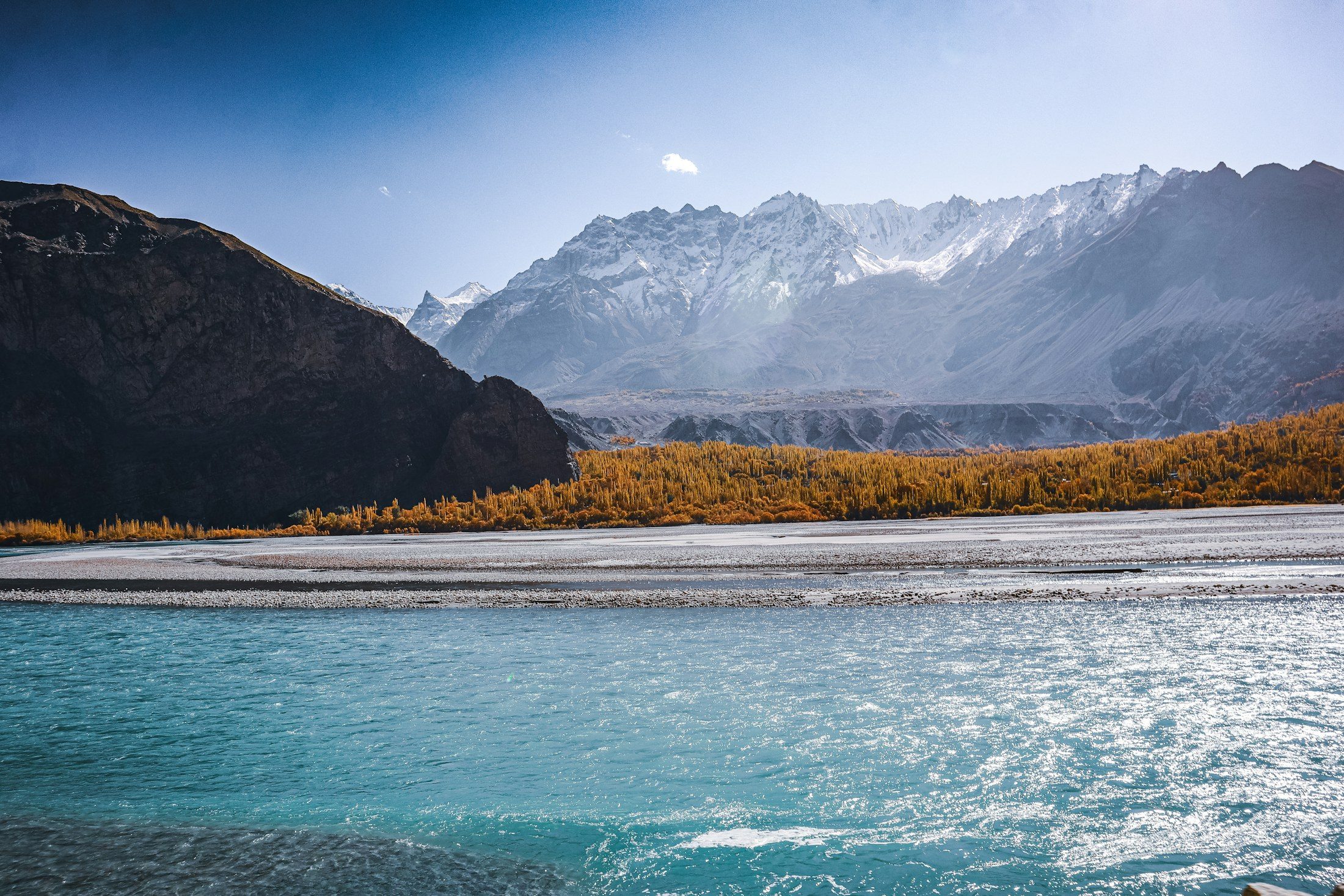
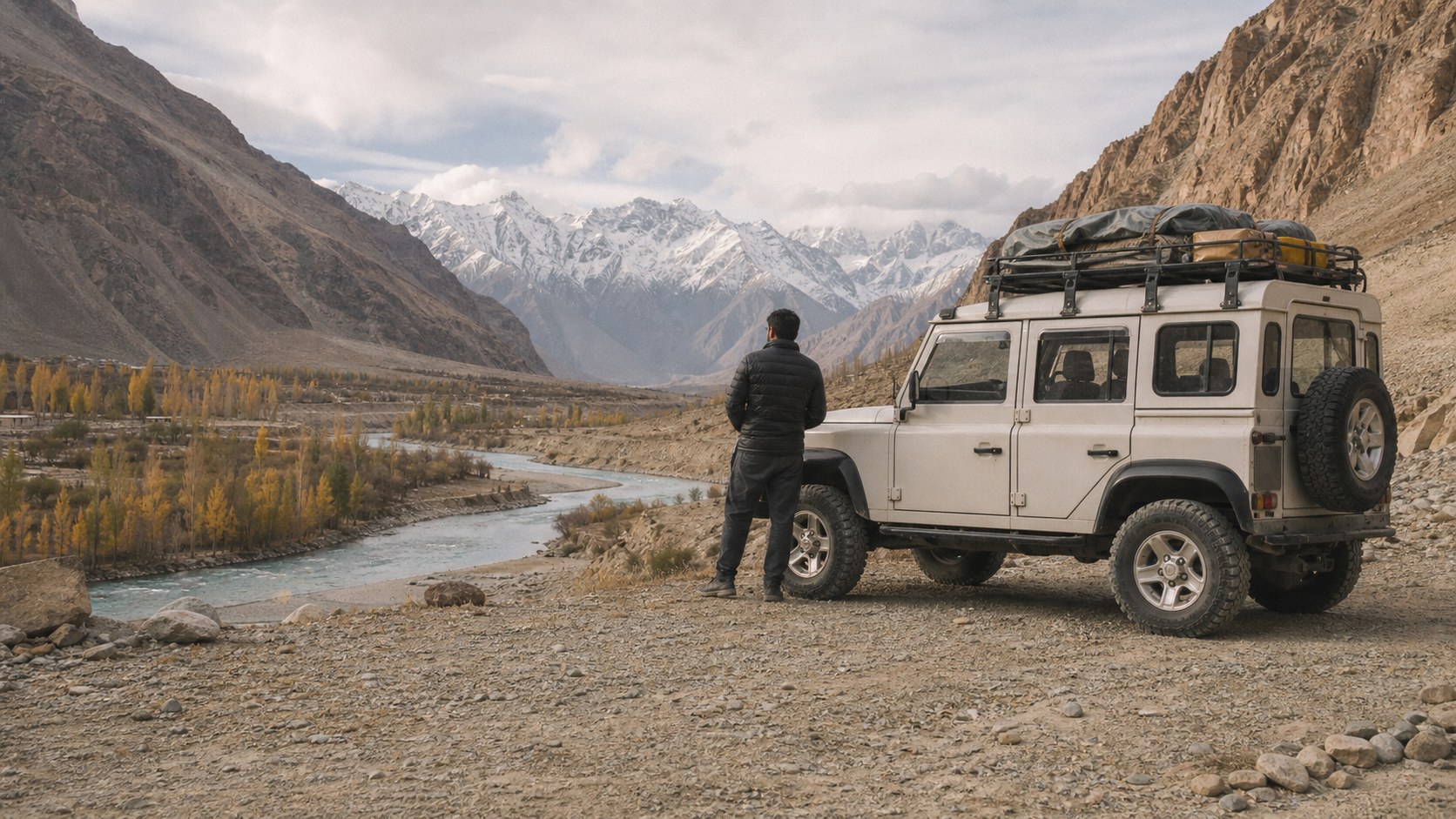
Shoulder season in Skardu is a rumour until you land—or until you do not. In the weeks between postcard summer and harder winter closures, the town is itself: army traffic, fruit sellers, a river the colour of stone, guest houses with heat that works because someone is still living in them.
What remains is weather, waiting, and a chance to pay people in the weeks when the calendar is unkind to them and kinder to your ability to walk without a queue.
Advice and logistics before the lake list
Read current FCDO Pakistan travel advice, including Gilgit-Baltistan notes on registration, permits for higher treks, unreliable flights, and election-period disruption when relevant. FCDO continues to advise against all travel on the Karakoram Highway stretch between Mansehra and Chilas via Battagram, Besham, Dasu and Sazin. Build itineraries that respect live advice, not last year’s blog.
Give the first day to arrival. Flights cancel. The overland alternative is long and landslide-prone—not a character-building exercise to romanticise from a sofa. Keep a buffer before any international departure. Confirm roads locally. Ensure insurance covers the route and activities you actually plan.
For highway corridor context inside Pakistan, monitor notices from the National Highway Authority rather than a static map screenshot. Orientation sites such as tourism.gov.pk help with general tourism framing; they do not replace security or weather judgement.
Choose two directions, not every pin
Skardu looks compact on an itinerary because the names fit one sentence: Shigar, Khaplu, Deosai, lakes, a fort. On the ground, each name unfolds into road hours, weather decisions, and a reason not to schedule dinner across town after a long jeep day.
A first shoulder-season visit might pair Skardu town and Satpara with one longer landscape day. Khaplu deserves more than a rushed return if architecture and villages are the point. Deosai is seasonal, high, and exposed; access, weather, and traveller health must decide whether it belongs at all. Five lake pins do not necessarily produce five different experiences.
Altitude and the body that arrived yesterday
Altitude affects people differently. Arrive gently, hydrate, limit hard exertion at first, and know which symptoms require descent and medical help. Do not disguise headache or nausea to protect a booking. Children, older travellers, and people with relevant conditions need a more cautious plan. This article is not medical advice; it is a planning warning.
Shoulder season can mean colder nights than summer packing lists admit. Ask about blankets and heating before you ask about the view. Generators cut. The house that tells you this without apology will still make tea at 5am when the flight rumour starts again.
Stay where winter stays
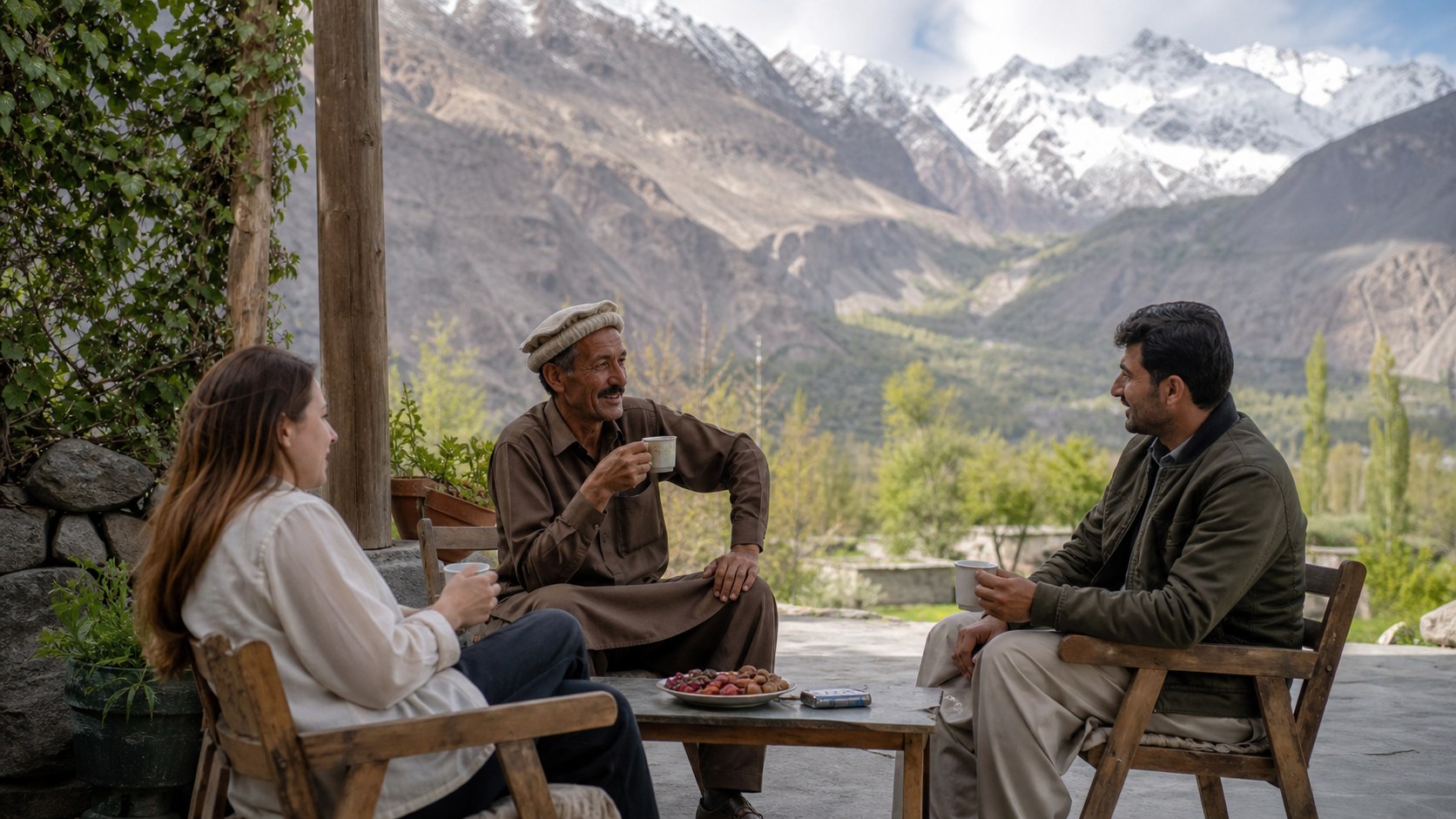
A guest house run by people who do not vanish after the June rush is a better bet than a property that exists only for peak Instagram weather. Shigar and Khaplu are possible if the road agrees. They are not obligatory. A trip that stays in one place and walks is not lesser. It matches the light. Eat what is on. Do not send a driver two hours for a pizza because courage failed at the first soup.
Pay the slack weeks fairly
Do not bargain as a sport. Shoulder rates are often the honest ones. Fill the room for three nights even if you only planned two when you can. Buy fruit away from the hotel gate. Hire locally in Skardu rather than as a pure add-on from a southern operator who extracts margin and leaves.
- Build a cancelled-flight day into the budget in cash, not only in optimism.
- Ask the guest house who they use for jeeps; use that person when suitable.
- If Deosai is closed, do not punish the driver for the mountain.
Walk, wait, refuse the collection mindset
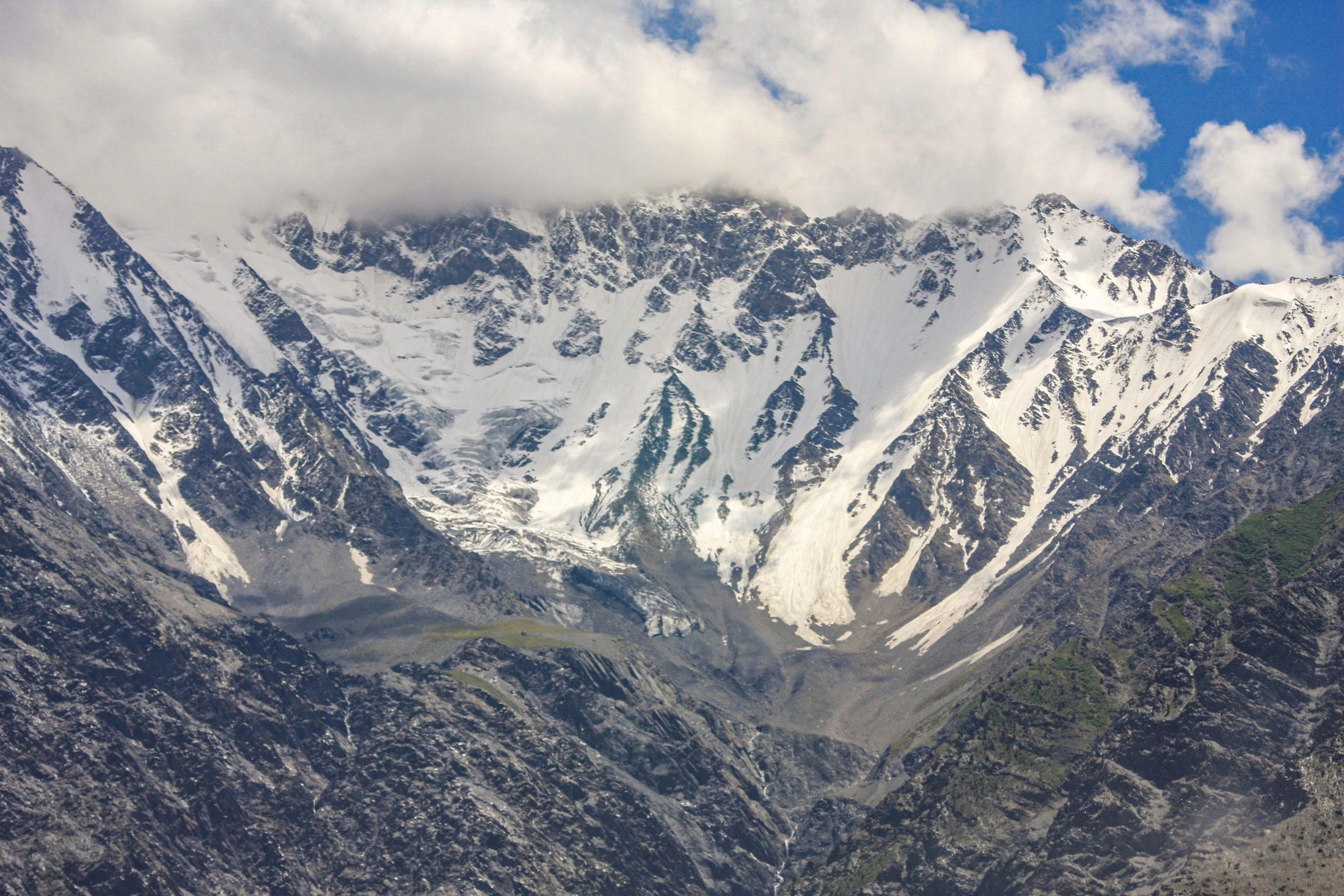
The Karakoram around Skardu is weather you stand under, not a checklist you complete. Walk the bazaar without hunting for a shot of poverty or majesty. Both frames are lazy. If a landslide takes the plan, the plan was never the point. You came to a high town in a difficult month. That is already the story.
Carry waste to proper collection. Ask before photographing people, homes, military sites, or worship. Shangrila and other named stops will still photograph; neither fact should run the entire trip. When you leave—by air if the valley allows, by road if it does not—take the guest-house number. Send a winter message if you can return when poplars are not doing the poster. The town remembers who came when rooms needed filling.
Skardu in the in-between weeks is not a compromise. It is the version of the place that still has time to charge you fairly and look you in the face. Take the room. Take the soup. Leave the drone in the bag.
What shoulder season teaches that peak season hides
Peak season teaches you about queues. Shoulder season teaches you about contingency. The second lesson travels better: how to wait without punishing workers, how to rewrite a day when Deosai is closed, how to value a town walk when the famous lake is windy and unwelcoming.
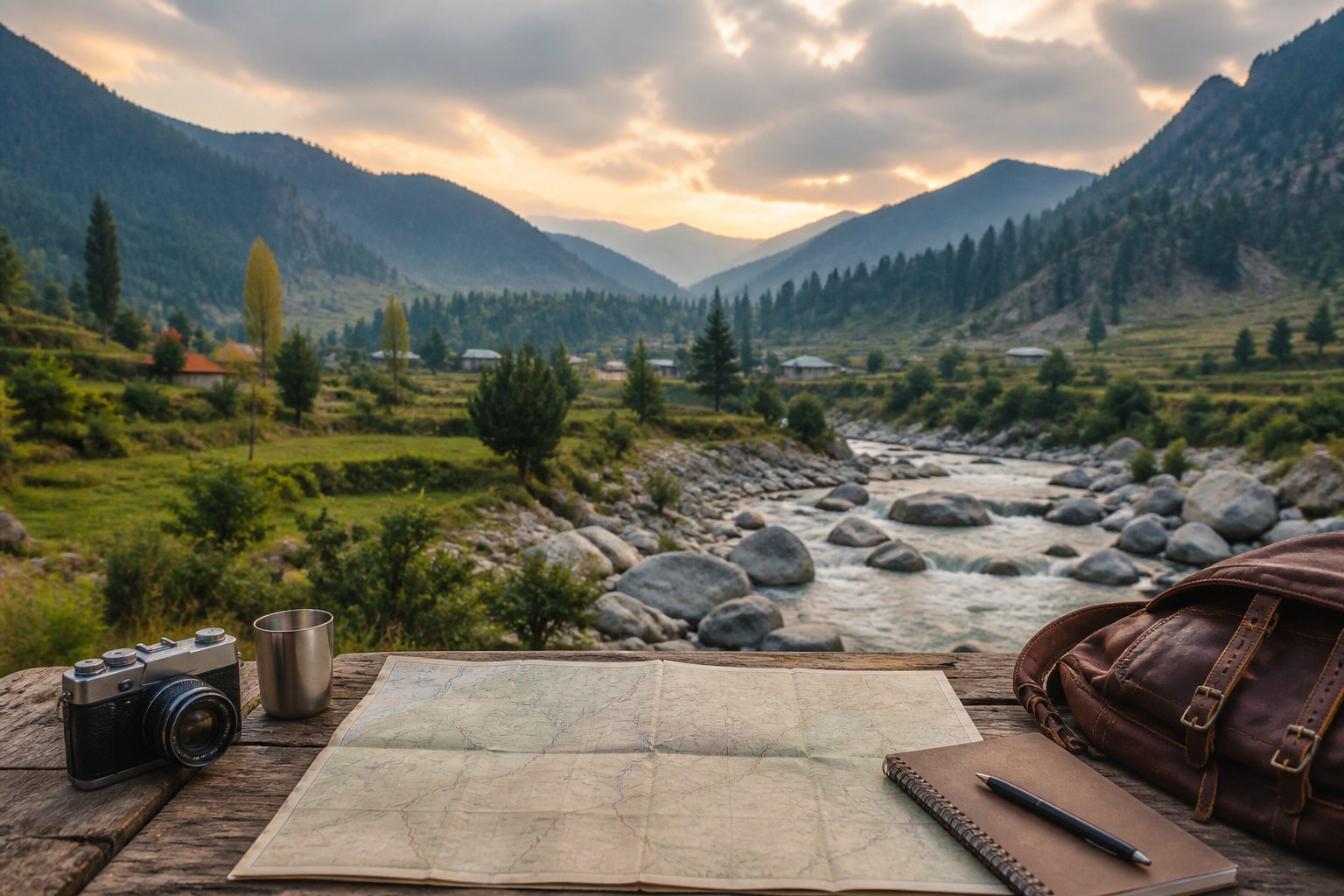
Pack layers, a headlamp, basic medicine, cash and photocopies. Confirm heating. Confirm jeep contacts through your lodging. Keep one empty day in the plan that is allowed to stay empty. Empty is not failure in a high town. Empty is how delayed flights and human conversations enter the trip without wrecking it.
When you recommend Skardu later, recommend the guest house by name, the month you came, and the advisory you checked. Specific recommendations help the next traveller more than aesthetic generalities about “hidden gems” that were never hidden.
Why this page exists
Search results on this topic are crowded with itinerary theatre, borrowed adjectives and advice that ignores heat, advisories or household reality. PakStyles publishes a longer page when the reader’s decision—how to train, how to eat, how to be a guest, when to go—needs specificity rather than another list of nouns. If a shorter page could answer the question completely, we would publish the shorter page. Here the extra length is for distinctions, checklists and sourced cautions that generic summaries skip.
Read the sections that match your constraint first: safety, heat, money, calendar, manners. Skip the rest until you need it. A reference page can be walked nonlinearly. What it should not be is a mood board. Use it, annotate it, contradict it with your local knowledge where you have fresher facts, and send corrections when businesses, trails or advisories change.
Editorial freshness for time-sensitive claims on this page was checked around 17 September 2026. Recheck live official sources before you treat any advisory, road status or health guidance as current. That habit matters more than any single paragraph here.
Field notes readers usually ask next
Carry water even when the plan feels short. Heat and hills punish optimism. Carry cash for tips, tea and sudden transport changes. Tell someone your timing. Photograph rate cards and advisory pages when you rely on them later. Prefer written confirmations for rooms, jeeps and membership freezes over voice notes that vanish.
If children or elders are with you, shorten distances and lengthen rests. If you are solo, choose routes and hours that match your safety constraints rather than a stranger’s highlight reel. If you are recovering from illness or injury, get clinical advice before copying any training template on this site.
Local knowledge beats this page on the morning you leave—road closures, stall hours, trail mud, gym compressor failures. Use PakStyles for structure and sourcing; use people on the ground for the last mile. That division of labour is how researched articles stay useful without pretending to be omniscient.
Finally, leave places and rooms better than the stereotype expects: rubbish packed out, bills paid without sport bargaining, photographs limited to what was welcomed. The cultural aftertaste of Pakistani hospitality depends partly on whether guests behave as if other people’s towns are sets. They are not. They are homes with weather, wages and rules.
Sources and official profiles
Filed under
Was this helpful?
Keep reading
Related stories
More from this desk, this beat, and the tags on this piece.
Readers
The conversation
0 notes
Anyone can leave a note. Guests add a name and email — no account required, and the email is never published.
No notes yet. Yours would be the first.