Skardu travel guide: valleys, lakes, and high-altitude logistics
A Skardu guide that leaves room for weather, altitude and the long roads behind beautiful day trips.
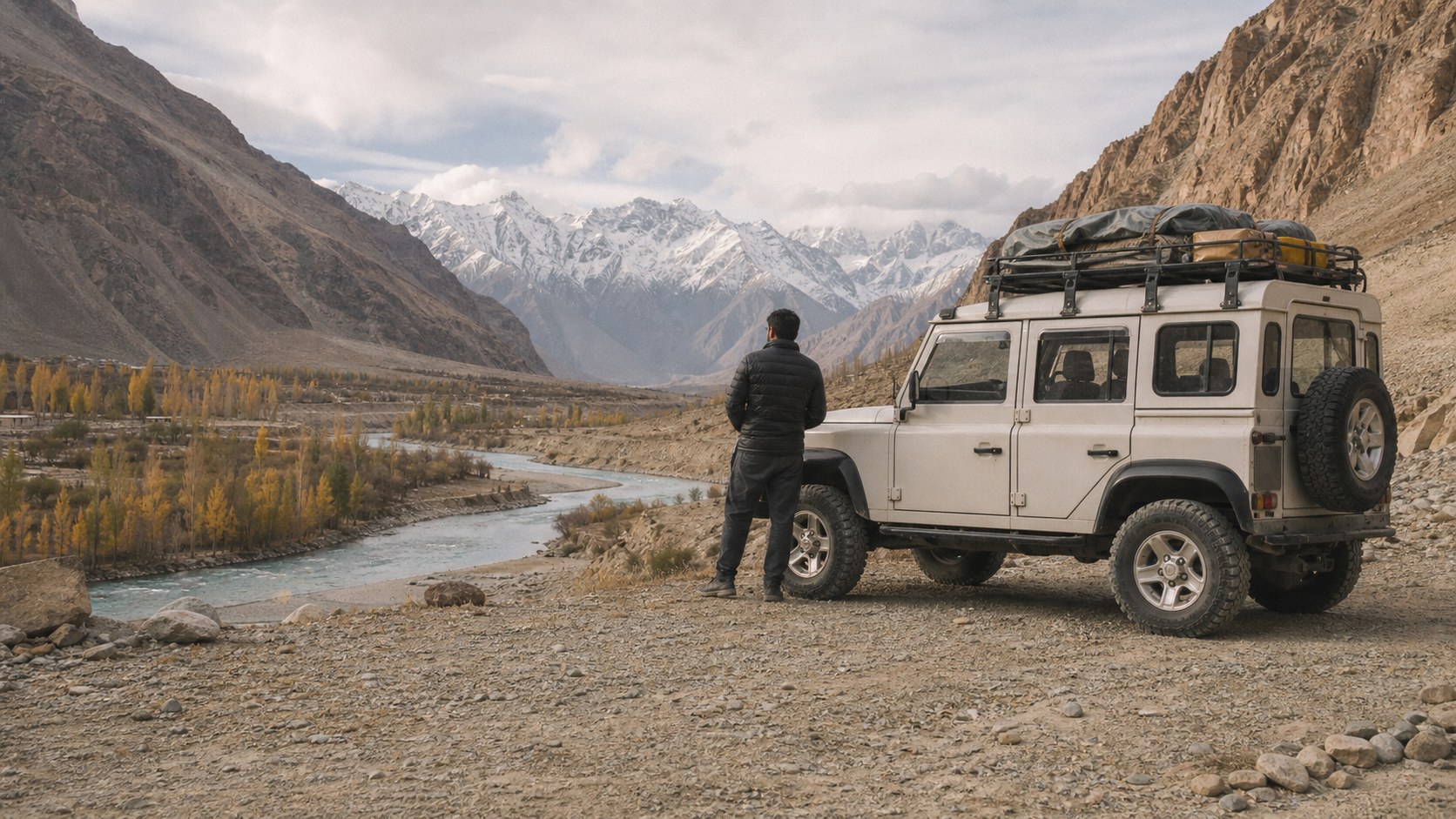
Skardu looks compact on an itinerary because the names fit into one sentence: Shigar, Khaplu, Deosai, lakes, a fort. On the ground, each name unfolds into road hours, weather decisions and a reason not to schedule dinner across town.
Give the first day to arrival. Flights can be disrupted by weather, and the overland alternative is not an automatic same-day replacement. Keep a buffer before your international departure, confirm roads locally and ensure insurance covers the route and activities you actually plan.
Choose two directions, not every direction
A first visit might pair Skardu town and Shigar with one longer landscape day. Khaplu deserves more than a rushed return if its architecture and villages are the point. Deosai is seasonal, high and exposed; access, weather and traveller health must decide whether it belongs at all. Five lake pins do not necessarily produce five different experiences.
Altitude affects people differently. Arrive gently, hydrate, limit hard exertion at first and know which symptoms require descent and medical help. Do not disguise headache or nausea to protect a booking. Children, older travellers and people with relevant conditions need an appropriately cautious plan.
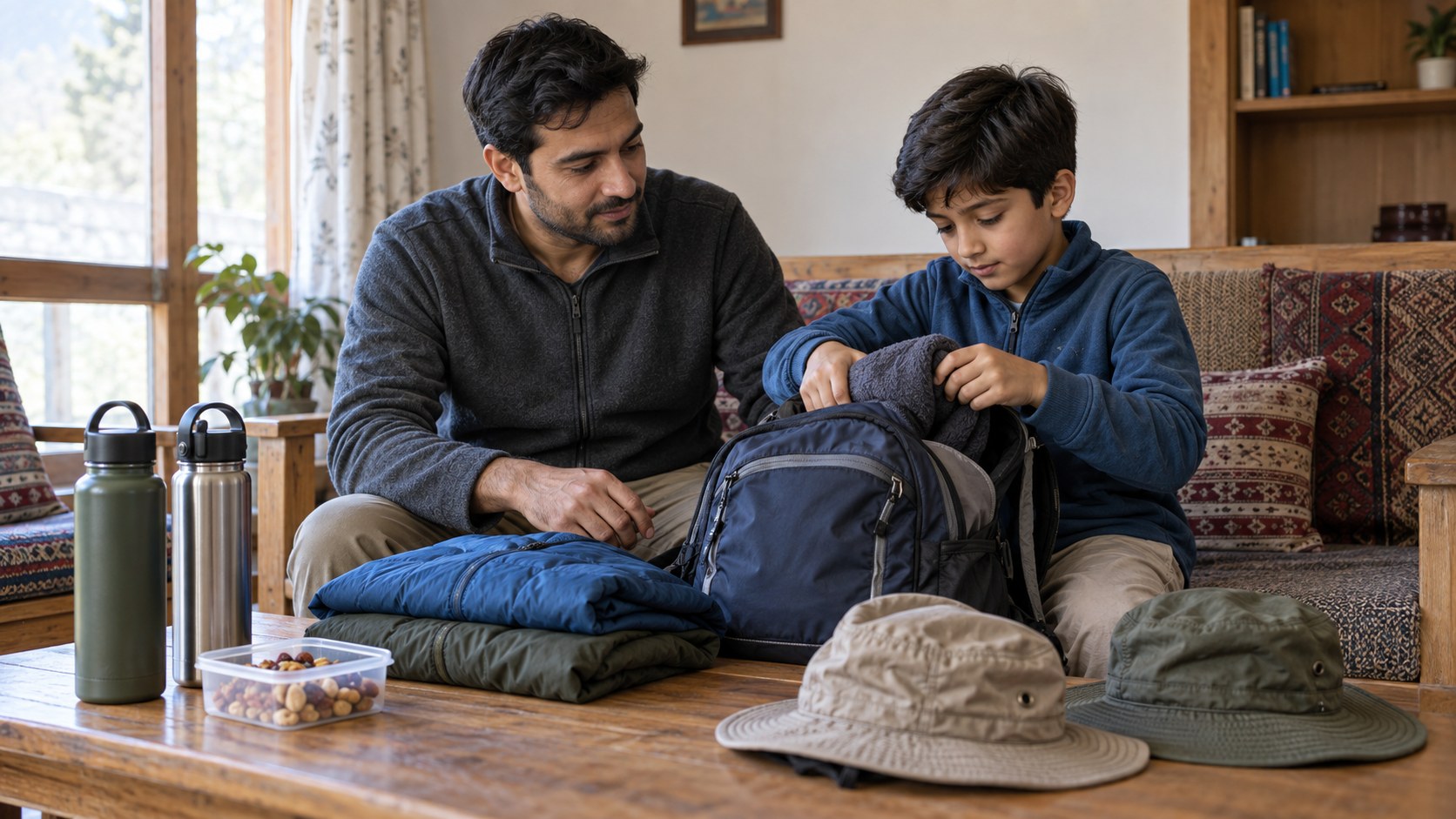
Pack layers, sun protection, a headlamp, water, essential medicine and cash. Verify heating and hot water rather than inferring them from photographs. Mobile service and card payment may be inconsistent. Carry waste to a proper collection point and ask before photographing people, homes, military sites or worship.
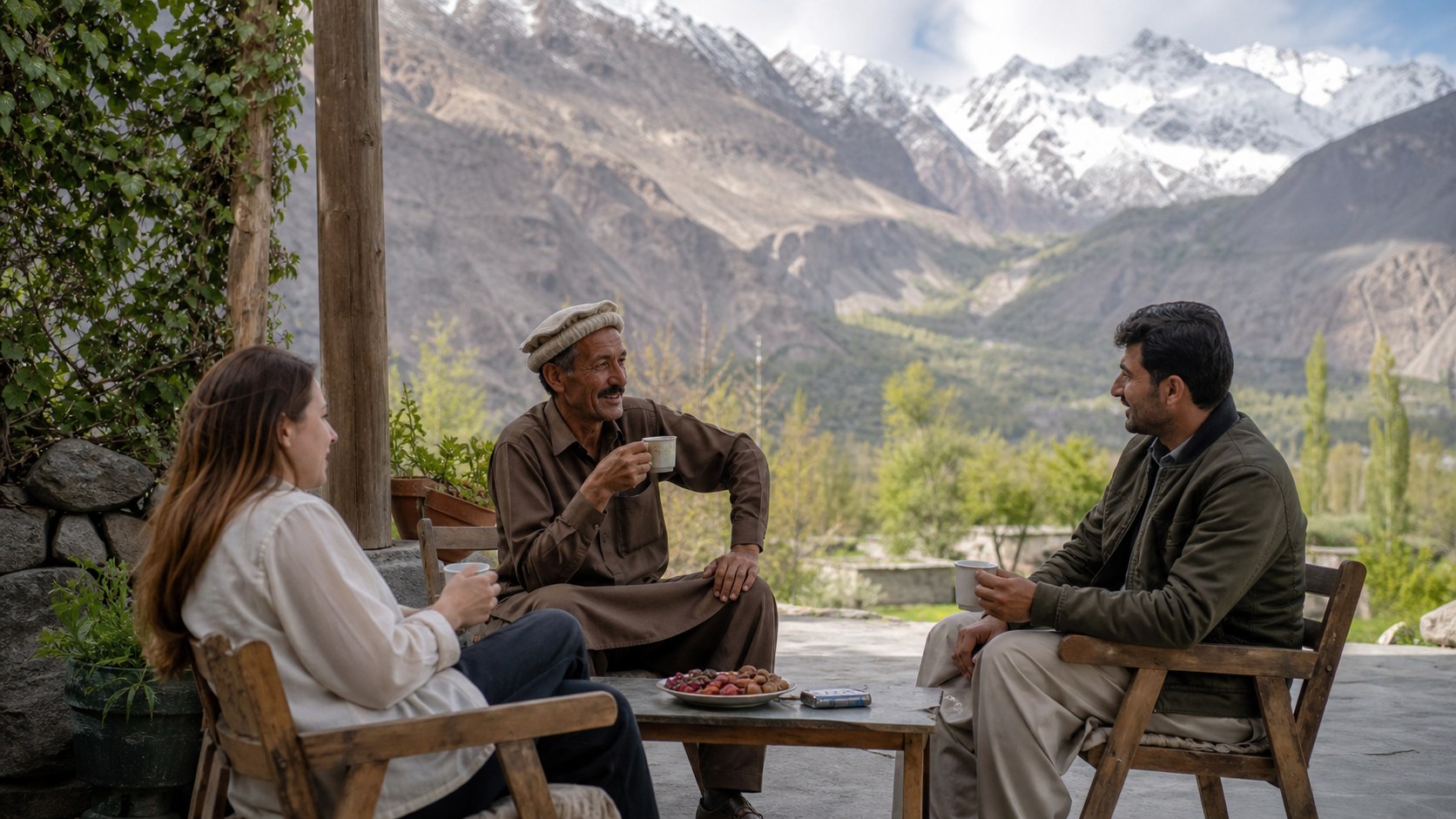
Use a named local guide for context, not only navigation. A fort becomes more than masonry when someone explains who lived and worked around it; a village is not a backdrop between viewpoints. Skardu rewards the itinerary with an empty afternoon. That is when a delayed road, a long conversation or changing light becomes part of the trip instead of evidence that the schedule failed.
Before a long day trip, ask where toilets, meals and reliable water are available. Carry what you need without expecting a remote settlement to absorb disposable picnic waste. If a place is crowded, wait, choose another stop or return later; making a driver idle in a queue so everyone can reproduce the same photograph is neither restful nor responsible.
Flight buffers and the two-direction rule
Skardu looks compact because names fit in one sentence. On the ground, each name is hours, weather and a reason not to schedule dinner across town. Keep buffers for flight disruption and read FCDO advice for the districts you enter. Choose two directions—perhaps town and Shigar plus one longer landscape day—rather than collecting every lake pin. Khaplu deserves more than a rushed return if architecture is the point. Deosai is seasonal, high and exposed; access and health decide whether it belongs.
Ask drivers about remaining road, darkness, fuel and working hours before adding detours. Cabin kit should include layers, sun protection, water, medicine and cash. Confirm heating and hot water with accommodation directly. Mobile service and cards may be inconsistent.
Altitude and local respect
Altitude affects people differently. Children, older travellers and people with relevant conditions need cautious plans. Do not disguise symptoms to protect a booking. See clinician advice before travel; public pages such as the CDC Pakistan traveler view are orientation only.
Carry waste out. Ask before photographing people, homes, military sites or worship. Use named local guides for context. Leave an empty afternoon in the plan so delayed roads and changing light become part of the trip instead of evidence that the schedule failed.
Specificity is the difference between a trip that teaches you the country and a trip that only proves you can endure movement. Use this guide as a decision framework, then let local conditions and current official advice edit your courage into something sustainable.
Building a Skardu week without lying to yourself
Arrival day is for arrival. The next day can hold town orientation and a short outing. Then choose either Shigar direction or another valley day, not both at marathon length. If Khaplu is important, give it the overnight it deserves rather than a punitive out-and-back. Lakes are not interchangeable; pick based on conditions and energy. Ask what the road is like today, not what it was like on a YouTube video from July.
Flight disruption is a design constraint. Keep international buffers. Have a book. Have snacks. Have the humility to enjoy Skardu town when the mountains are closed by weather. The trip is not only the postcard; it is also the waiting with decent manners.
Health, kit and community
Discuss altitude with a clinician before you go if you have relevant conditions. Public orientation such as the CDC Pakistan traveler view does not replace that conversation. Pack layers, sun protection, reusable bottles, medicines and cash. Confirm heating. Dress for mosques and villages with the same respect you would show in any Pakistani community.
Hire local knowledge for context. Pay agreed rates. Carry rubbish out. Ask before photographing. Read FCDO advice for your districts. Skardu’s logistics are part of its character; travellers who accept the long roads usually receive the quieter reward of time that is not frantically converted into pins.
Day-trip decision table you can actually use
| Idea | Ask before committing | Skip if |
|---|---|---|
| Nearby fort / town heritage | Opening reality, heat, walking load | Arrival day fatigue is still high |
| Shigar direction | Road hours, meal plan, return light | Driver already worked a long morning |
| Khaplu | Whether overnight is possible | You only have a half day of honesty left |
| Lakes | Which lake, why, conditions today | You are collecting names without interest |
| Deosai | Season, weather, health, permissions | Anyone in the group is unwell or unfit |
Write the answers down in the evening with the driver present. Morning optimism erases night honesty. Skardu rewards that small bureaucracy with days that end in conversation rather than in silent car resentment.
What “high-altitude logistics” means in practice
It means hotels that may not heat as advertisements imply, bathrooms that feel colder than the brochure, and plans that shrink when someone cannot sleep. It means carrying snacks because meal timing slips. It means accepting that a beautiful place can still be logistically stubborn. Travellers who come for stubborn beauty usually leave happier than travellers who come for convenience dressed up as wilderness.
Booking stays and vehicles without brochure fog
Ask direct questions: heating type, hot water hours, backup power, whether the quoted room is the room in the photo, and how transfers work if flights move. Prefer clear cancellation terms when weather is part of the product. Agree vehicle terms in writing where possible: hours, overtime, meals, overnight, and who decides when a road is unsafe.
Peak season brings crowds to a handful of images. If a parking area at a lake looks like a festival, wait, walk further on an allowed path, or choose another stop. Making a driver idle in a queue so everyone can reproduce the same photograph is neither restful nor responsible. Skardu has scale; use it to disperse pressure rather than to intensify it at the same three pull-offs.
Before you leave, spend money in places that keep value local—guides, guesthouses, makers—when they meet your safety bar. Then leave with margins still in your schedule. The high-altitude logistics were never the enemy of beauty. They are the frame that lets beauty be approached without theatre.
Build a weather-and-body morning meeting into every day: three minutes, same time, same adults, same questions about sleep, headache, road reports and daylight. If the meeting becomes a debate society, shrink the day’s ambition automatically. Skardu does not negotiate with committees that form after the vehicle is already loaded.
Photograph less at the first stop so you have attention left for the second. Eat on schedules that protect the driver. Carry a rubbish bag as ordinary kit. If you hire a guide for a fort or village, pay for time that includes explanation, not only unlocking a gate. High-altitude logistics include the ethics of how you occupy space when oxygen and patience are both thinner than they were in the city.
End the Skardu chapter with one unused half-day on purpose. That unused time is not waste. It is the difference between a valley you endured and a valley you might love enough to plan properly next time.
If a lake day and a fort day compete for the same light, choose the one that matches the group’s energy after yesterday’s roads. Beauty is abundant in Baltistan; energy is not. Spend energy where explanation and walking matter, and let some water stay blue without you beside it. That choice is logistics at its most humane.
Carry the driver’s meal into the day’s budget as a real line item. Hungry drivers make unsafe schedules look possible. Skardu’s distances are honest; your catering of the people moving you through them should be honest too.
Sources and official profiles
Filed under
Was this helpful?
Keep reading
Related stories
More from this desk, this beat, and the tags on this piece.
Readers
The conversation
0 notes
Anyone can leave a note. Guests add a name and email — no account required, and the email is never published.
No notes yet. Yours would be the first.