Hunza travel guide for first-time visitors
A slower first visit to Hunza built around villages, walking, weather and road reality.
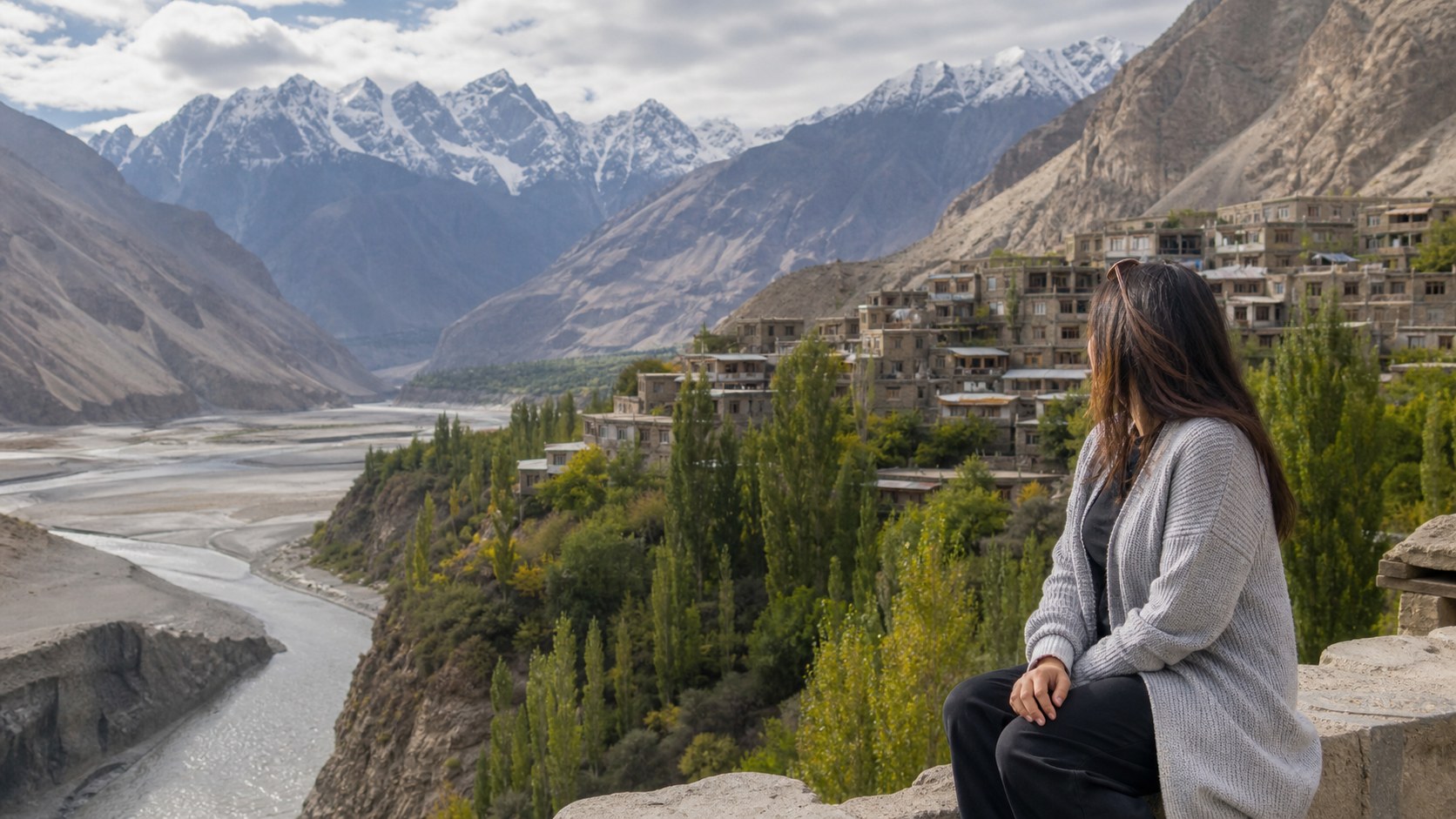
Hunza is not one viewpoint. Karimabad makes a practical base, but the valley’s scale only becomes clear when you stop treating Passu, Gulmit, Altit and the Khunjerab road as items to collect before sunset.
Choose the journey before the hotel
Flights to Gilgit can be disrupted by weather; the road journey is long and conditions change. Keep a full buffer before your international flight and verify the route with current official advice and a trusted local operator. Never pressure a driver to recover lost time after dark.
Spend at least two nights in one base. Use the first day for Altit or Baltit, a village walk and an unhurried meal. Give upper Hunza its own day rather than photographing Passu cones from a moving car. A Khunjerab outing is a high, lengthy road day—not a casual extension.
- Carry layers, sun protection, water and cash.
- Ask before photographing residents or private land.
- Refill bottles and carry waste back to a proper collection point.
- Buy directly from named local makers where possible.
Orchard blossom, summer crowds and autumn colour create different trips; confirm road and accommodation availability for your dates. The memorable version of Hunza contains time to hear water channels, walk between houses and accept that mountains set the timetable.
Use one base as a place, not a car park
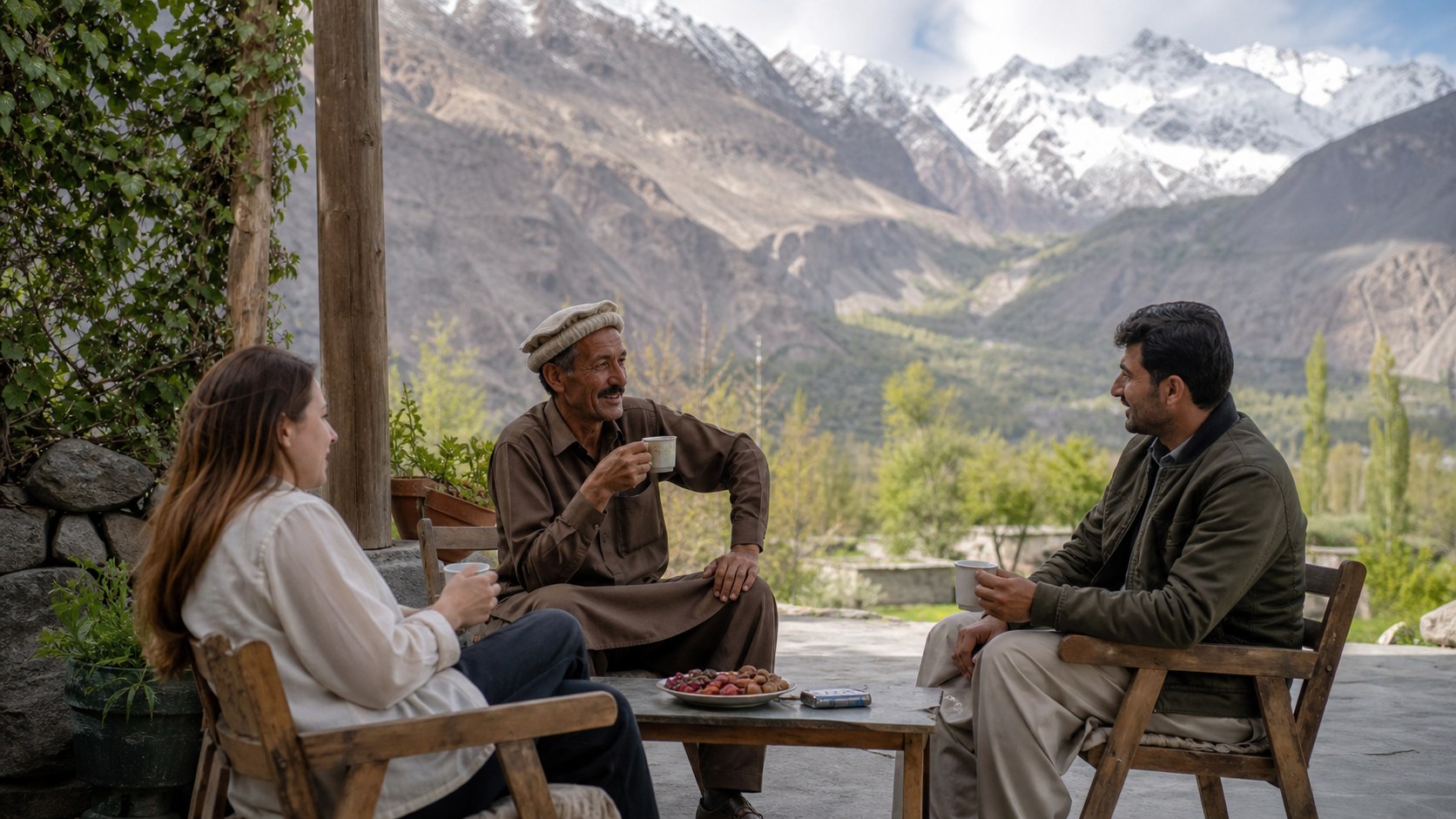
Ask your host what can be reached on foot, when local shops close and which path is public. Eat at least one meal without a departure time attached. Fort visits gain meaning with a local guide who can place architecture inside the valley’s political and social history; a viewpoint alone cannot do that work. If a road excursion consumes most of a day, do not add a sunset stop simply because it appears nearby online. Allow children, older travellers and drivers to recover. Confirm heating, hot water and backup power directly with accommodation, especially outside peak summer. Mountain hospitality is not a guarantee that every urban convenience will be available on demand.
Transport honesty before hotel romance
Flights toward Gilgit can be delayed or cancelled by weather; the Karakoram Highway journey is long and conditions change. Keep a full buffer before international departure. Verify routes against current FCDO advice and a trusted local operator. Never pressure a driver to recover lost time after dark. Monitor corridor context via NHA where relevant, understanding mountain reality exceeds motorway logic.
Base for at least two or three nights in or near Karimabad rather than treating every village as a day-trip scalp. Walk. Sit. Let irrigation channels and small shops become part of the visit. Forts such as Baltit and Altit repay a guide who can place architecture inside living history; a viewpoint selfie cannot do that work.
Altitude, seasons and responsible habits
Arrive gently, hydrate, and avoid immediate hard exertion. Descending for worsening symptoms is a plan, not a failure. Seasons change the trip: blossom crowds, summer heat on slopes, autumn colour, winter constraints. Confirm road and lodging reality for your dates rather than copying a summer reel in October.
Ask before photographing residents or private land. Carry waste to proper collection. Refill bottles where water is safely available. Spend with locally owned stays and makers when safety and fit allow. Hunza is not empty landscape; it is inhabited, worked and watched. First-time visitors who accept that fact remember more than mountains.
Specificity is the difference between a trip that teaches you the country and a trip that only proves you can endure movement. Use this guide as a decision framework, then let local conditions and current official advice edit your courage into something sustainable.
A slower first itinerary that fits the valley
Night one: arrive, hydrate, eat lightly, sleep. Night two: Altit or Baltit with time to listen, village walking, an unhurried meal. Night three: upper Hunza or a landscape day that does not also include a late social obligation across a long road. If you have more nights, repeat stillness rather than inventing distance. Passu’s landscapes are not improved by photographing them through a moving window while someone asks whether the next viewpoint is “the famous one.”
Khunjerab outings are high, long road days. They need weather luck, documents where required, warm layers and an early start. They are not casual extensions after lunch. If the morning go/no-go fails, stay in the valley and walk. Hunza still works when the high road does not.
Hosts, water and the ethics of being looked at
Ask hosts about drinking water arrangements, laundry limits and whether paths near the guesthouse are public. Pay fairly. Learn a few polite phrases. Do not enter orchards or irrigation channels because they look scenic from the road; they are working systems. When children ask for photographs or gifts, follow the host’s lead rather than creating a small economy of attention you will leave behind.
Keep FCDO advice updated for the districts on your route. Mountain beauty does not cancel advisory geography. Share your rough daily plan with someone outside the valley. Carry a torch, cash and a layer even in seasons that look warm in a city forecast.
What first-timers usually overpack in the plan
They overpack viewpoints, underpack rest, and treat drivers as engines rather than as workers with hours. Reverse that. Book fewer movements. Tip and thank. Accept that clouds will erase a peak you came to see. The first Hunza visit that people remember kindly is usually the one where they stopped collecting and started staying.
Money, connectivity and daily rhythm
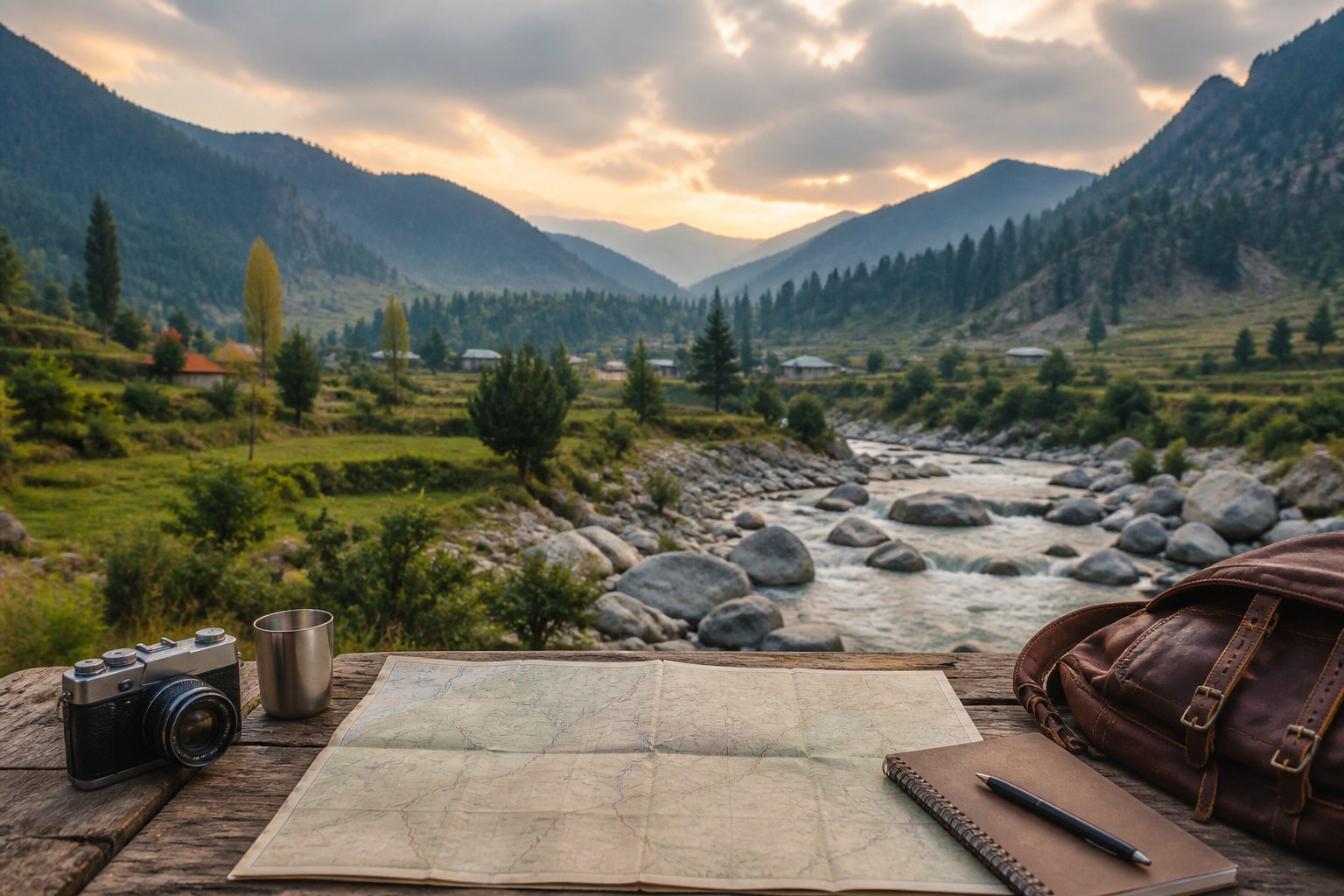
Carry more cash than city habits suggest. Card acceptance is uneven. Buy what you need from small shops without turning every purchase into a bargaining performance. Connectivity varies; download offline maps and keep key numbers written down. Charging points can be contested in peak season—bring a power bank and patience.
A good daily rhythm is walk or short outing in the morning, food and rest at midday, and either a second gentle outing or an early evening conversation. Hard afternoon sun on exposed paths is a poor trade for a photograph you will not look at twice. If you trek beyond village paths, go with appropriate local support and turn-back rules. First-time visitors often do best staying close enough to sleep in the same bed each night.
Leaving without extracting the place
Do not take stones, plants or “souvenirs” from protected or private land. Do not fly drones over homes. Do not treat hospitality as an unlimited resource. Tip guides and drivers fairly. Name them accurately when you recommend them later. Hunza’s future as a place people can still live in depends partly on visitors who refuse extractive habits. Your first visit can be part of that refusal.
Food, altitude and the temptation to overfill the day
Eat simply on arrival if you feel off. Rich celebratory meals can wait until your body accepts the elevation and the journey. Local fruit, soups and straightforward dishes often serve first days better than maximal spice. Drink water steadily. Alcohol is the wrong tool for altitude adjustment; skip bravado.
Overfilling the day usually comes from fear of missing a famous name. Make a short list of musts—perhaps one fort, one upper-valley day, one long walk—and let everything else be optional. Optional is how weather and mood get a vote. First-time visitors who protect optional space tend to speak of Hunza with warmth rather than with a recounting of how tired they were.
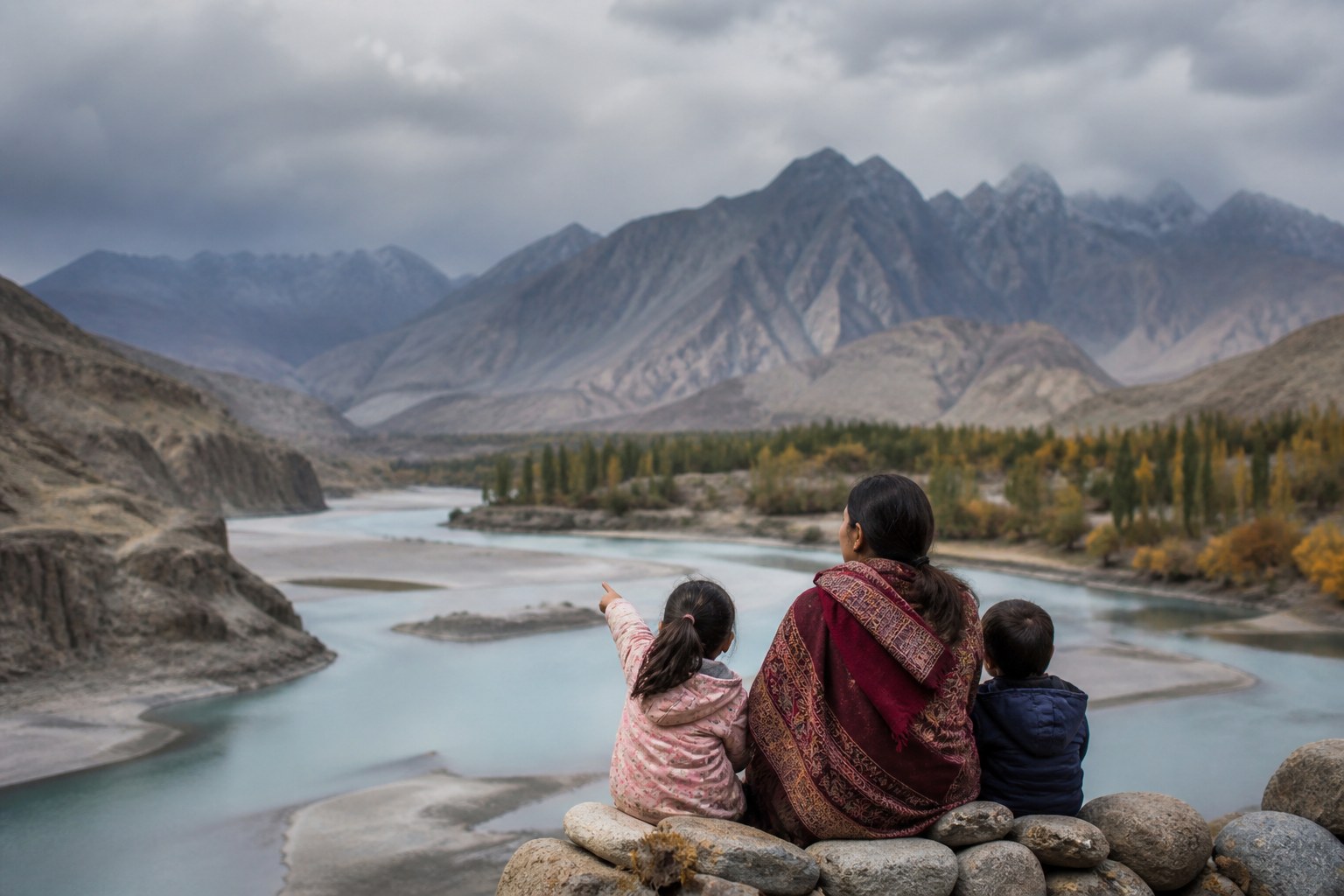
If travelling with elders or children, choose paths with clear exits and shorter outings. Carry snacks. Negotiate bathroom stops without shame. The valley is not a stadium; there is no prize for continuous motion. Sitting on a wall watching light change on a ridge can be the most accurate souvenir you bring home.
Before you book, decide whether your group wants village stillness or road-collected panoramas, because the packing, pacing and driver brief differ. Stillness needs fewer vehicle hours and more walking shoes. Panoramas need earlier starts and stricter daylight rules. Mixing both without choosing a primary mode produces the familiar complaint that Hunza was “beautiful but exhausting,” which usually means the plan was greedy. Choose the quieter mode for a first visit unless you already know your appetite for long road days.
When you leave, tip people by name when you can, and do not geotag private homes. The travel guide ends where your behaviour continues: on the road out, in the airport queue, and in how you describe the valley to the next person who asks whether they should go.
Keep one hard rule for the whole visit: no dusk mountain driving to recover a delayed morning. The rule will feel inconvenient exactly once, which is when it is doing its job. Hunza’s first gift to visitors who accept it is time that still belongs to them at the end of the day.
Sources and official profiles
Filed under
Was this helpful?
Keep reading
Related stories
More from this desk, this beat, and the tags on this piece.
Readers
The conversation
0 notes
Anyone can leave a note. Guests add a name and email — no account required, and the email is never published.
No notes yet. Yours would be the first.