Responsible travel in northern Pakistan
A northern travel ethic grounded in water scarcity, waste chains, local ownership, photography consent and road pressure—not souvenir virtue.
The plastic bottle in your hand has a longer itinerary than you do. You may leave Hunza or Skardu tomorrow; the bottle still needs a collection system, a truck route and somewhere to end. “Leave no trace” begins before the journey, when you decide what to bring, what to buy, and which photographic habits you will refuse.
This is a practical ethics guide for travellers heading north, not a purity contest and not a substitute for current security advice. Read the FCDO Pakistan travel advice for your route, watch corridor notices from the National Highway Authority when relevant, and treat tourism.gov.pk as orientation rather than a live hazard map. Environmental care does not cancel weather, altitude or security risk.
Waste is a logistics problem, not a picnic aesthetic
Carry a refillable bottle and ask accommodation whether its water is filtered or otherwise safe to drink. Bring a bag for wrappers, batteries and hygiene waste, then take them to a place that can genuinely handle them. Do not burn mixed rubbish at a campsite or hand it to someone without asking where it goes. A tidy room can conceal a dirty disposal chain.
Single-use water cases multiply on scenic routes because travellers distrust taps and shops sell convenience. If a guesthouse can refill safely, use it. If not, consolidate purchases and carry empties out to a town with collection rather than leaving them “somewhere out of sight” beside a viewpoint wall.
Food packaging deserves the same attention. Instant noodles, juice boxes and snack wrappers accumulate quickly on jeep days. Pack denser snacks in reusable containers when you can, and do not assume a remote settlement wants your picnic waste as a gift.
Hygiene waste is especially easy to leave badly. Carry a sealed bag for used products and dispose of them only where a proper system exists. Burying mixed waste near a campsite is not a mountain tradition worth imitating; it is a future problem for the next household that uses that water source.
Spend where the valley keeps value
Choose locally owned accommodation, guides and drivers when their safety and service meet your needs. Ask who made textiles, woodwork or food products, and pay the stated price without turning every small purchase into a bargaining performance. “Local” is not a visual style: a large resort can use village imagery while sending profit and purchasing elsewhere.
Guides are not only navigators. A named local guide can explain land use, harvest calendars and why a path crosses an orchard. That context makes it harder to treat a village as a backdrop. Tip fairly for skilled work; do not tip your way into asking someone to break a community rule about photography or private land.
When buying craft, ask about materials and makers without demanding a romantic poverty story. Pay for the object. Do not demand a performance of authenticity as part of the price. If you cannot learn who made a piece, that absence is also information about the supply chain you are joining.
Water is seasonal infrastructure
Shorten showers, request linen changes only when needed and ask before washing clothes where supply is seasonal. Do not enter orchards, fields or irrigation channels because they look public from the road. They are working systems and private livelihoods. In late summer, a tourist’s long shower can compete with household needs even when the river still looks dramatic in photographs.
Laundry tourism is real. A pile of trekking clothes washed daily in a small guesthouse can strain tanks and staff time. Wear layers longer when hygiene allows, and ask what the house can actually support before treating unlimited hot water as included scenery.
Roads, viewpoints and the pressure of the convoy
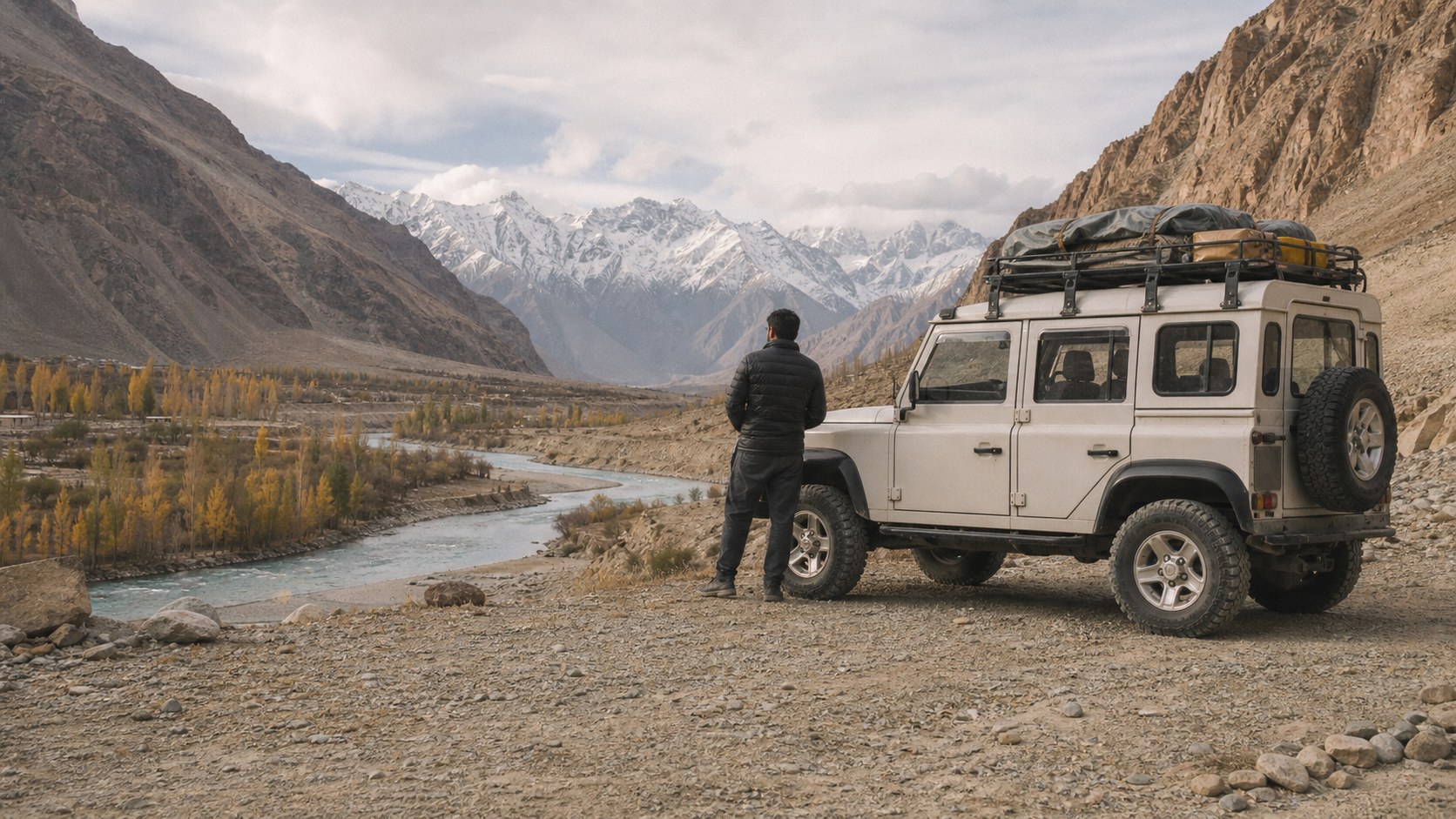
Share vehicles when sensible, avoid unnecessary idling and accept that congestion near a viewpoint is a reason to skip it. Stay on established trails, keep distance from wildlife and never collect plants or stones from protected places. Follow current local restrictions. Making a driver idle in a queue so everyone can reproduce the same photograph is neither restful nor responsible.
Daylight discipline matters for safety and for local working hours. Ask before adding a late detour that extends a driver’s day past what was agreed. Fatigue on mountain roads is not an abstract risk statistic; it is a person who still has to return.
Jeep tracks to popular meadows can degrade quickly under repeated traffic. If a route is wet, overcrowded or freshly restricted, treat that as information rather than an inconvenience to negotiate around. Sometimes the responsible itinerary is the one that stays in the valley floor for an afternoon.
Cultural privacy is not a barrier to curiosity
Dress and behaviour expectations vary by valley, season and setting. Err toward covering more rather than less when entering villages and religious sites. Accept that some spaces are not for visitors. Curiosity without entitlement is still curiosity.
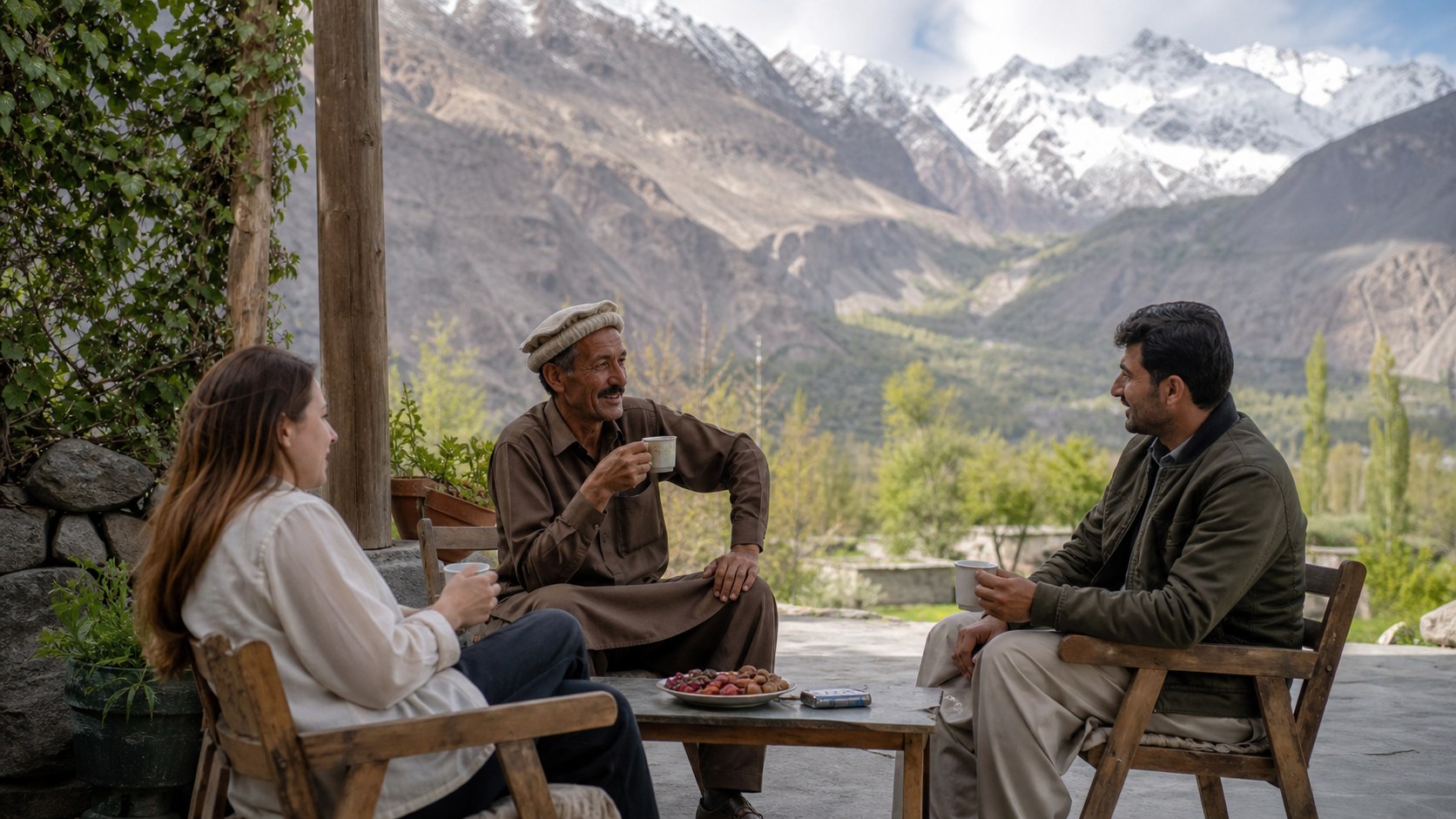
Do not treat hospitality as an unlimited public resource. If a family offers tea, you can accept graciously without turning their courtyard into a tour stop for your friends. Leave when the social moment ends. Pay for services that have become commercial; do not extract unpaid labour by framing every request as friendship.
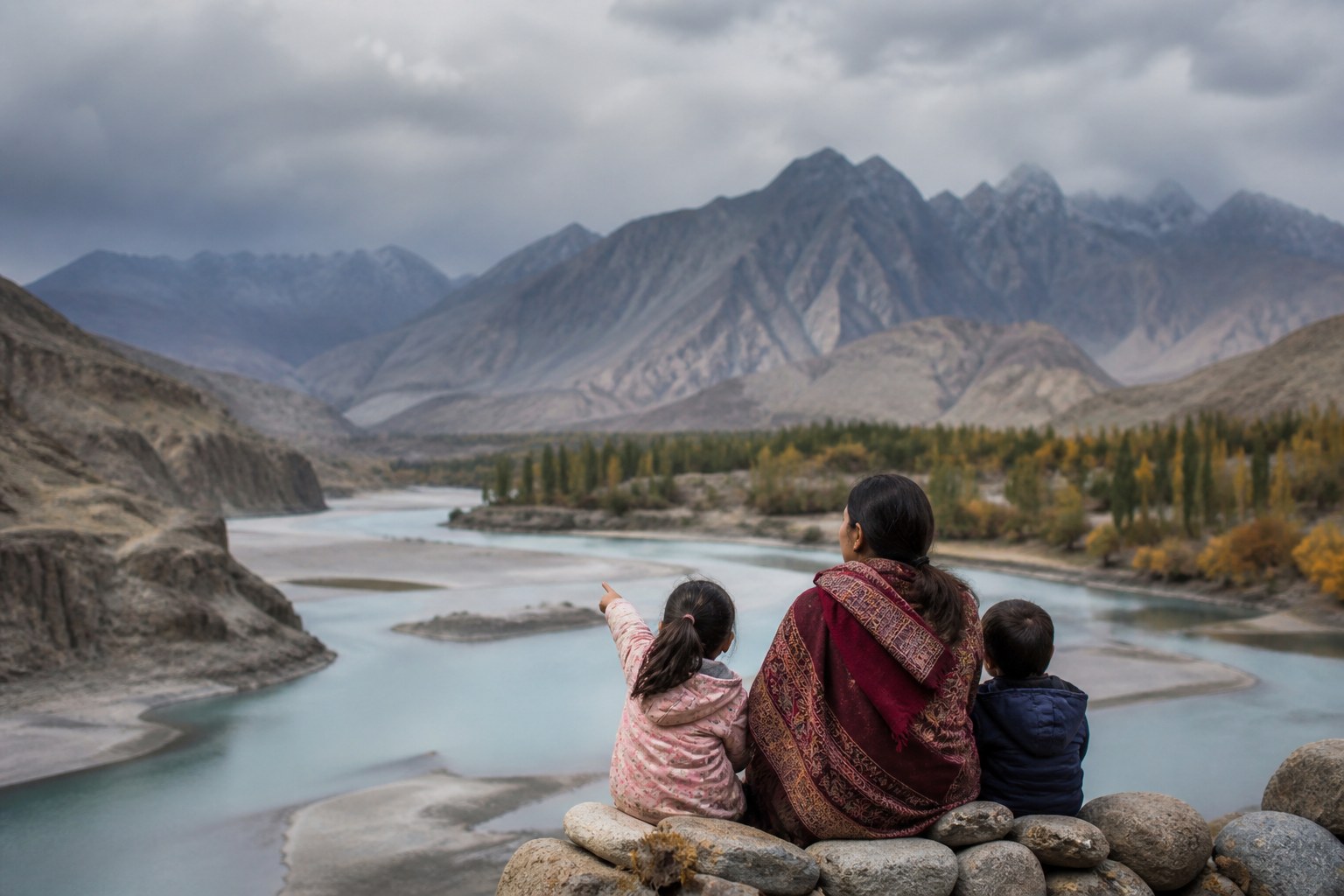
Children often gather near cameras. Do not bribe them into poses with sweets as a default method. If you photograph a child, ask a parent or guardian first and keep the image private unless you have clear permission to share it.
Altitude, weather and the ethics of turning back
Responsible travel includes declining a trek, lake or pass when weather, altitude sickness or vehicle condition says no. Prepaid disappointment is cheaper than a rescue. Groups sometimes pressure the hesitant traveller to continue for the sake of the itinerary; that pressure is not bravery.
Children, older travellers and people with relevant medical conditions need an appropriately cautious plan. Do not present a high, exposed day as mandatory for a first visit. Two well-chosen valleys beat five exhausted pins.
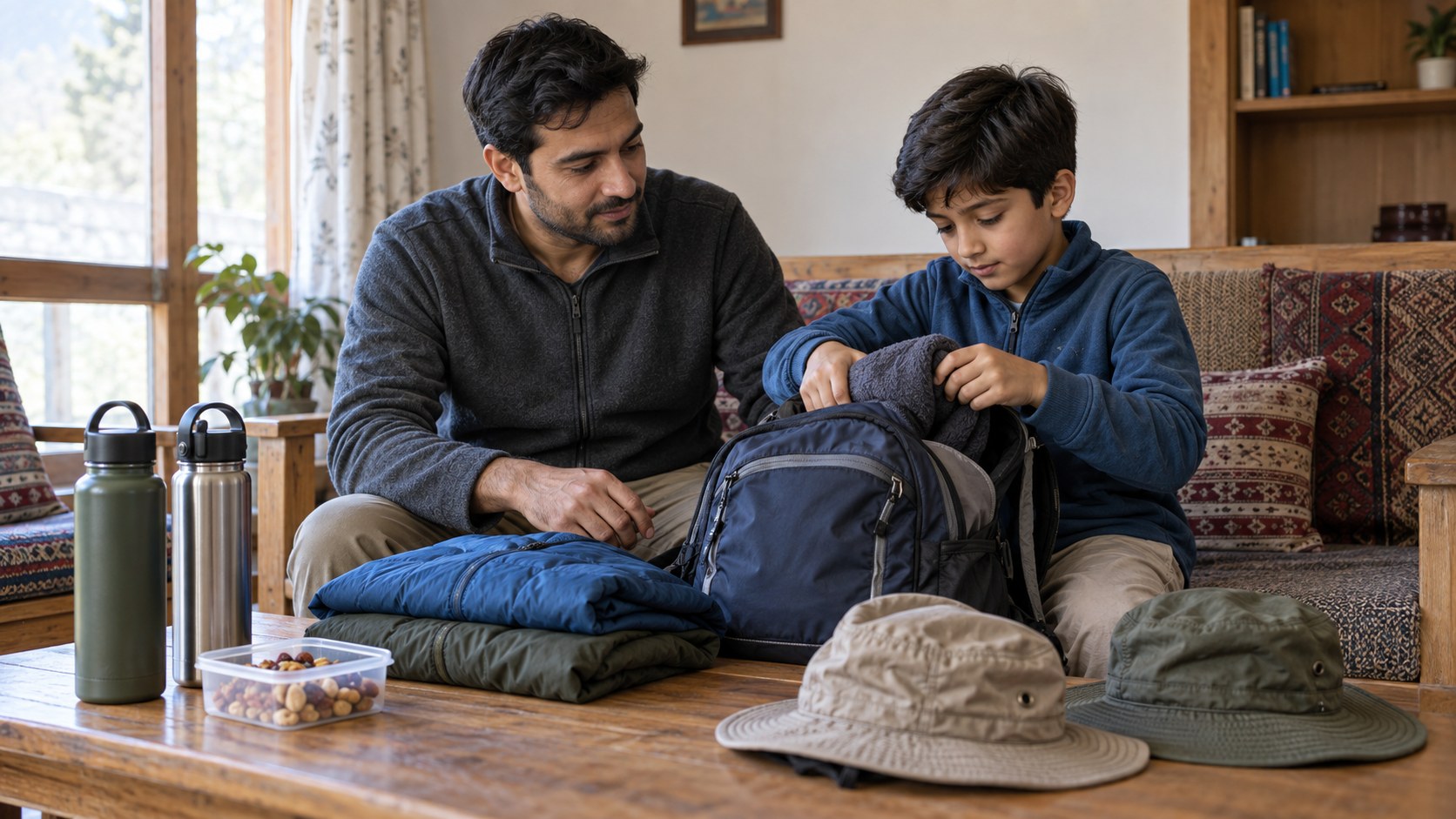
Carry layers, sun protection, water, a headlamp and a basic first-aid kit. Knowing how to use them is part of not becoming someone else’s emergency. Check current official advice again if your route changes mid-trip.
After you leave
Name the guide, maker or guesthouse accurately when recommending them and link to an official profile where one exists. Describe the place without presenting residents as timeless, isolated or grateful for attention. Delete geotags that identify private homes if you were asked to keep them private.
Responsible travel is not a halo earned by carrying a metal bottle. It is a series of choices that leaves local people with more control over what tourism changes—and leaves the valleys with fewer bottles than you found.
Operators, contracts and what “eco” usually hides
Ask operators in writing who owns the vehicles, which guesthouses they use, and how they handle guest waste. Marketing language about nature does not answer those questions. A responsible booking is one where the money path and the rubbish path can both be explained without embarrassment.
If a trek or meadow visit requires porters or ponies, ask about load limits, rest days and payment. Do not treat animal or human labour as unlimited scenery support. Turning back when weather worsens protects workers as well as guests.
Before your next booking, ask one sharper question of any operator: where does waste from your guests actually go, and who owns the business you are paying? Vague answers are information. They tell you whether the trip’s ethics are a marketing paragraph or a working system.
A packing list that reduces damage before it starts
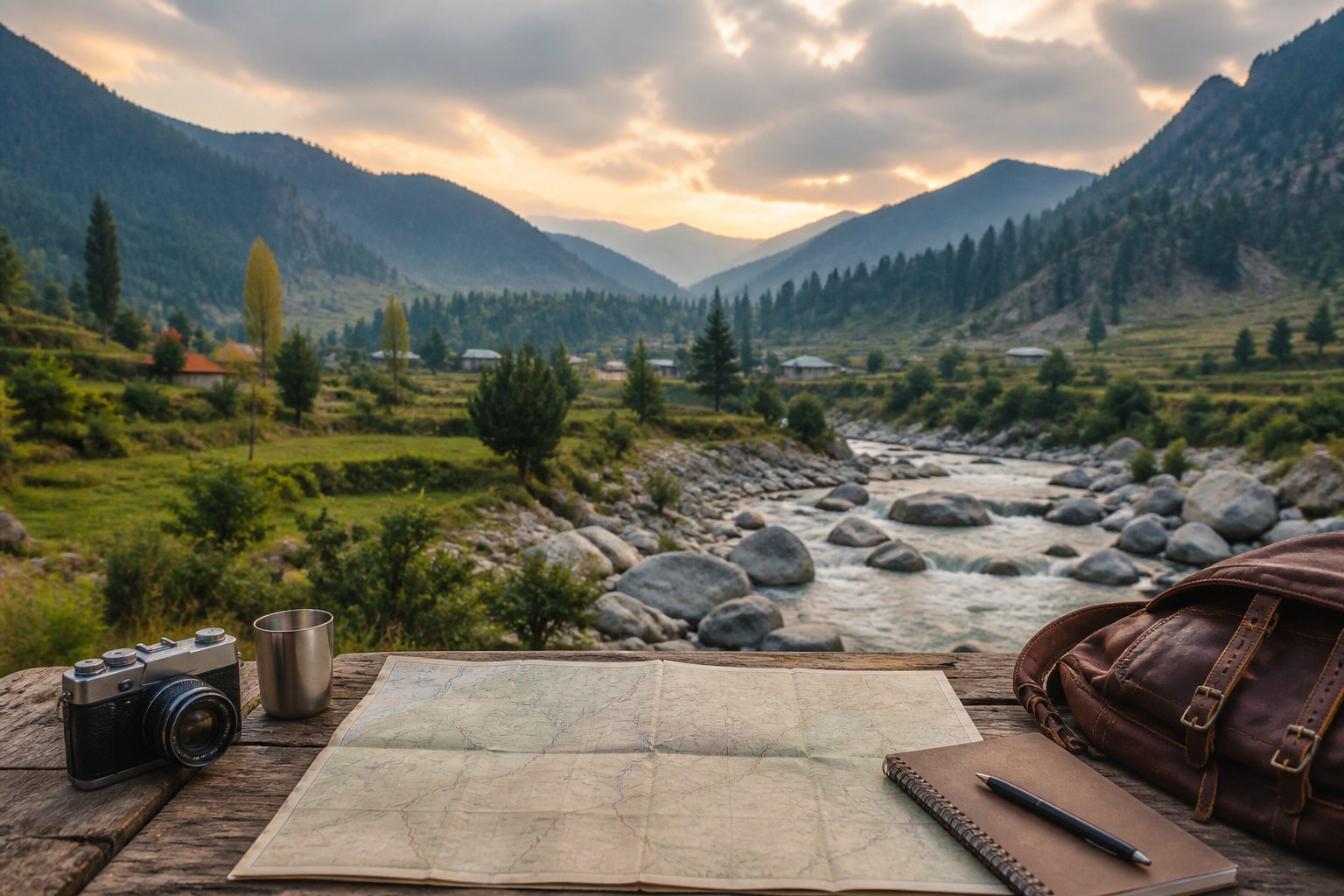
Bring a refill bottle, a waste bag, a small laundry line, biodegradable soap only if the accommodation can handle grey water responsibly, offline maps, cash in small denominations, and layers that reduce the need for daily washing. Leave glitter cosmetics, unnecessary single-use plastics and “just in case” souvenir packaging at home. The lightest ethical upgrade is often the thing you never bought.
Tell your group the rules before the first scenic stop: no litter, no drone without permission, no orchard shortcuts, no bargaining theatre over village craft prices. Shared expectations prevent one person from undoing everyone else’s care.
Group agreements before the first viewpoint
Agree before departure: no roadside dumping, no drone without permission, no orchard shortcuts, no bargaining theatre over village craft, and a named person who can call a day short when weather or altitude requires it. Shared rules prevent one traveller from undoing everyone else’s care. Put the agreement in the group chat where the itinerary already lives.
Keep a simple trip log: where you stayed, who guided you, what waste system you used, and which viewpoints you skipped because they were overcrowded. That log becomes the basis for honest recommendations later. Vague praise helps nobody plan a better next season.
Sources and official profiles
Filed under
Was this helpful?
Keep reading
Related stories
More from this desk, this beat, and the tags on this piece.
Readers
The conversation
0 notes
Anyone can leave a note. Guests add a name and email — no account required, and the email is never published.
No notes yet. Yours would be the first.