Hunza with parents: altitude, roads, walking, and rest days
A Hunza plan for travelling with parents: altitude patience, road reality, short walks, and rest days that are part of the itinerary rather than a failure.
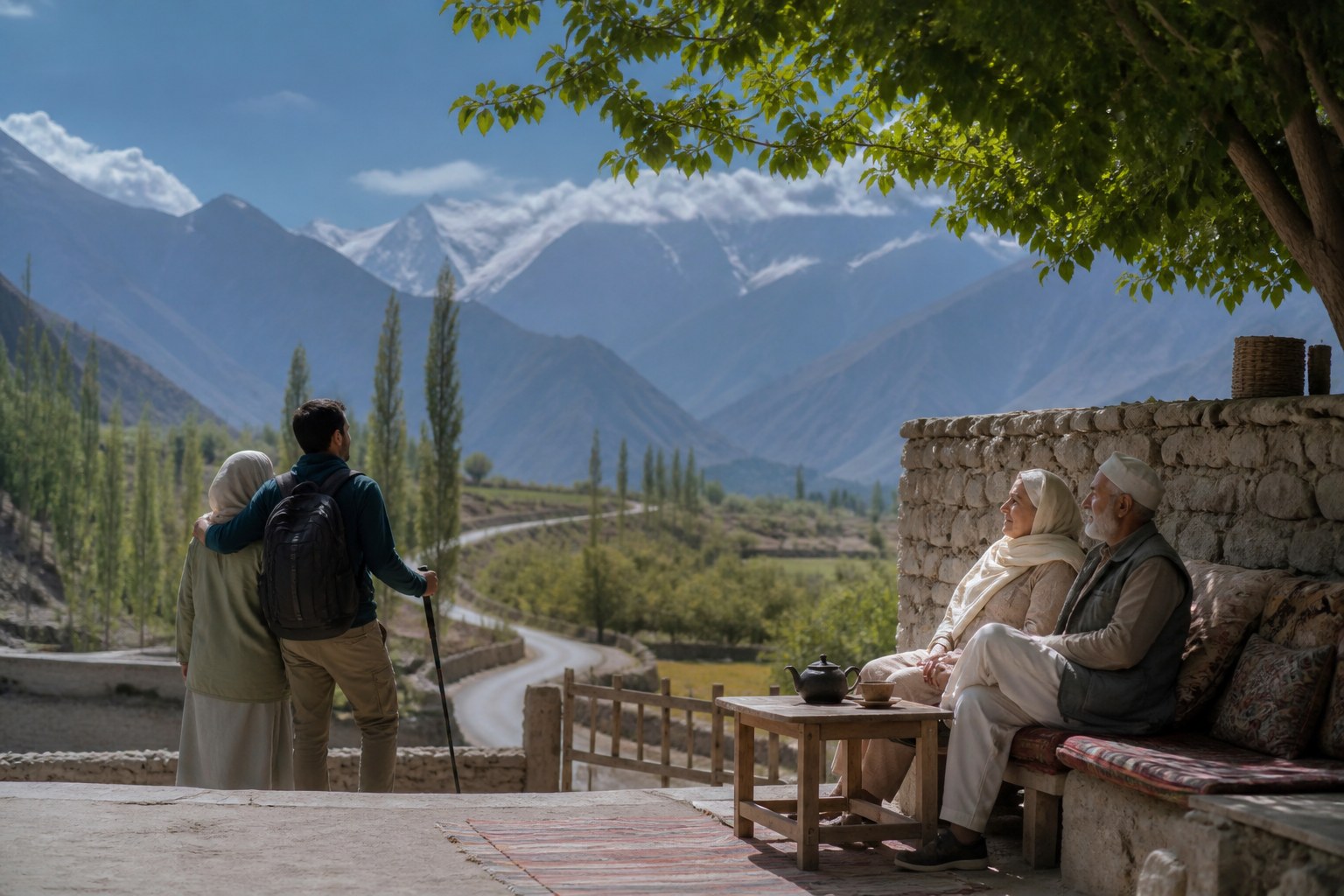
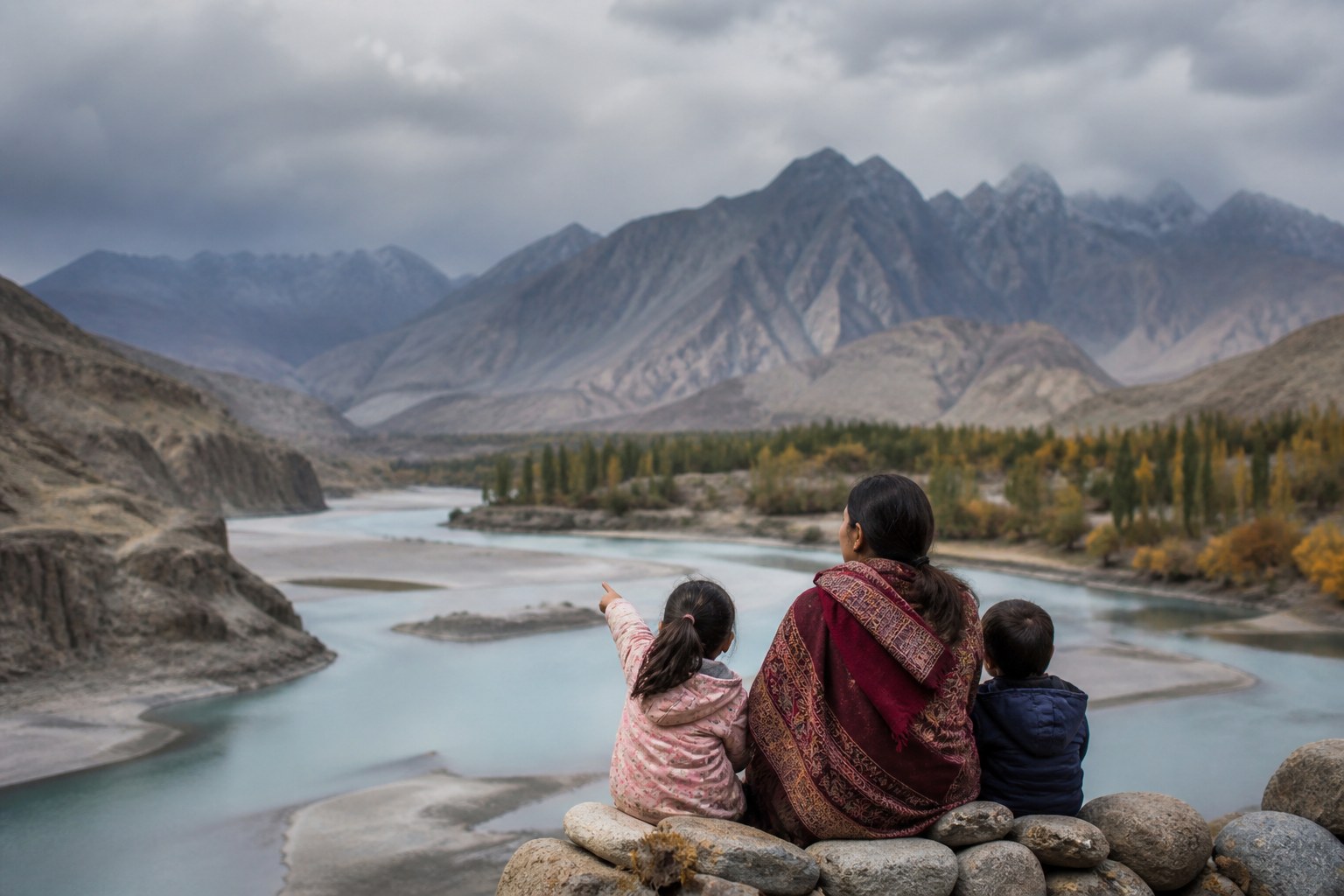
Hunza with parents is a different trip from Hunza with a trekking group. The valley's beauty does not change; the usable day does. Older travellers often need slower altitude gain, shorter walks, warmer evenings, reliable bathrooms, and permission to skip a viewpoint without becoming the problem. This guide treats rest as infrastructure.
Choose a base and resist collecting villages daily
Karimabad and nearby central Hunza bases work for many first visits because walks, forts, and services cluster more helpfully than a plan that changes hotels every night. Upper Hunza beauty is real; it still asks for road time. With parents, one base for three or four nights often beats a restless hop between viewpoints.
Give the first day after arrival to short local walking only—an easy lane, a terrace tea, an early night. Fort visits and longer valley drives can wait until bodies declare themselves. If flights into Gilgit are delayed, absorb the delay by cutting a side trip, not by compressing recovery.
Altitude: schedule humility
Hunza sits high enough that some travellers feel breathlessness, headache, poor sleep, or nausea, especially if they arrive quickly from sea-level cities. Parents may move more slowly even when they feel fine. Plan hydration as a routine, lighter meals on arrival day, no hero climbs on night one, and a clear rule that worsening symptoms mean rest and, if needed, descent and medical help rather than pushing through a booked jeep.
Discuss personal medical kits with a clinician before travel. Do not share prescription altitude medicines casually among family members. Keep evenings warm; temperature drops can make fatigue feel worse. Watch for confusion or severe symptoms that require urgent care rather than another cup of tea and optimism.
Roads are the hidden exertion
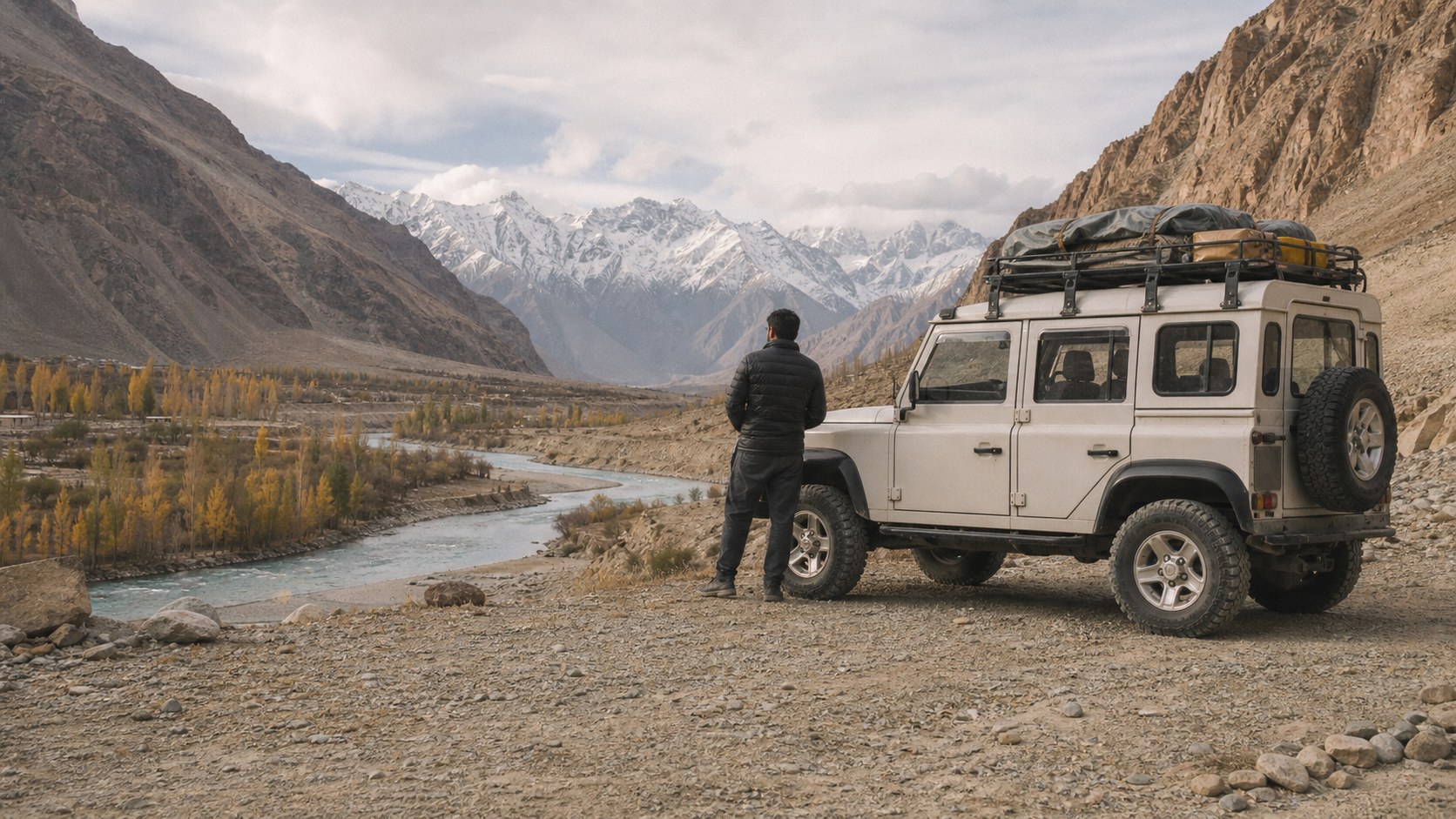
Even when parents are not hiking, mountain roads exhaust hips, backs, and nerves. Long continuous driving days are a form of labour. Break journeys, avoid forcing night mountain driving, and never pressure a driver to recover lost time on wet or broken sections. Check National Highway Authority and local updates for closures. Build a buffer before any international flight home.
Jeep excursions that look short on a map can be rough. Ask about road surface, toilets, and turnaround options before committing parents to a full-day high outing. A shorter Passu-area day with lunch and return may be wiser than a maximum-distance trophy drive.
| Plan element | Parent-friendly version | Common overreach |
|---|---|---|
| Arrival | Local stroll, tea, early sleep | Same-day fort plus viewpoint circuit |
| Walking | Short lanes with benches or exit ramps | Steep must climbs for the photo |
| Road day | One outbound focus with buffers | Two valleys and a sunset dash |
| Rest | Scheduled empty afternoon | Rest only after someone is unwell |
Walking that preserves dignity
Altit and Baltit fort visits can be meaningful if paced. Stairs and uneven stones are the story. Offer a skip option without negotiation theatre: one adult can accompany a parent to a cafe while others climb. Village lane walks often give more pleasure per unit of effort than ridge ambitions.
- Choose paths with frequent exit points.
- Carry a light stick if balance is a concern.
- Wear closed shoes with grip.
- Turn around while the mood is still good.
Photography of residents and private homes requires asking. Parents who dislike being photographed deserve the same consent. The trip is not content first.
Rest days are itinerary, not apology
Put at least one low-demand day into a five-day Hunza stay: reading on a terrace, a short market walk, a long lunch, laundry, sleep. Younger adults can take an optional harder outing that day if staffing and safety allow, but the family plan should not require parents to fill every hour with movement.
Hotels and guesthouses vary in heating, hot water, and stair access. Confirm room floor, bathroom type, and backup power when booking. A beautiful view reached by three flights of uneven stairs may be the wrong room.
Food, medicine, and communication
Keep meals familiar enough on the first forty-eight hours. Heavy celebration dinners every night are a tax on sleep. Carry regular medicines in cabin bags, with a simple schedule adjusted for travel days. Share a written list of conditions and emergency contacts among the travelling adults.
Agree a communication rule for symptoms: early mention is helpful, stoicism is not. Parents sometimes minimise discomfort to avoid spoiling a costly trip. Make rest socially acceptable in advance.
- Arrive; short walk; sleep.
- Gentle fort or village morning; rest afternoon.
- One valley road day with early return.
- Declared rest day.
- Optional second short outing; pack calmly.
- Buffer departure toward Gilgit or onward flight.
Hunza with parents succeeds when the mountains remain larger than the schedule. The souvenir is not that every viewpoint was conquered. It is that everyone still wanted to sit together at dinner on the last night.
Before you lock the plan
Recheck opening hours, weather, and official travel advice close to departure. Save offline maps and one local contact who can translate a change of plan without drama. Travel writing expires; your dated checks keep the trip humane. This page is a method for article 54 planning, not a warranty that every road or kitchen will behave on your dates.
Share the plan with everyone travelling, including the person who hates surprises. Agreement in advance is kinder than negotiation in a hot car. Leave room for refusal: a child, parent, or tired adult should be able to skip a stop without becoming the villain of the holiday.
Pack patience in the same bag as power banks. The best version of this itinerary is the one that still feels generous on the last evening.
Who carries the emotional labour of the valley
In multi-generation Hunza trips, one adult often becomes the invisible organiser: medicines, water, toilet stops, driver negotiations, and the quiet tracking of who is fading. Rotate that labour. Write a simple daily checklist so the same daughter or son is not always the emergency brain.
Parents may hide pain to protect a dream trip funded by children abroad. Ask specific questions: headache scale, sleep quality, appetite, dizziness on stairs. Specific questions are easier to answer honestly than How are you feeling.
Celebrate small completions. A slow fort visit and a shared apricot snack can be the day's success. If younger travellers need harder hikes, schedule them as optional modules with a remaining adult at the base. Nobody should be punished for choosing the terrace.
Weather can trap plans: cloud on viewpoints, delayed jeeps, blocked spurs. Keep cards, books, and a local tea budget for indoor hours. Boredom at altitude is safer than improvising a night drive to chase a cleared sky.
On departure day, protect breakfast and bathroom time. Mountain mornings are cold and slow. A rushed parent on stairs with a suitcase is how trips end badly. Start earlier than pride suggests, then move calmly.
Keep insurance documents and ID copies offline. Share the day's abort criteria with the driver before leaving the hotel. A pre-agreed turnaround beats an argument at 3,000 metres of attitude and altitude alike for plan 54.
Money: carry small notes for toilets, tea, and tips. Card acceptance thins outside major hotels. Photograph receipts when spending for a group so reimbursements stay calm.
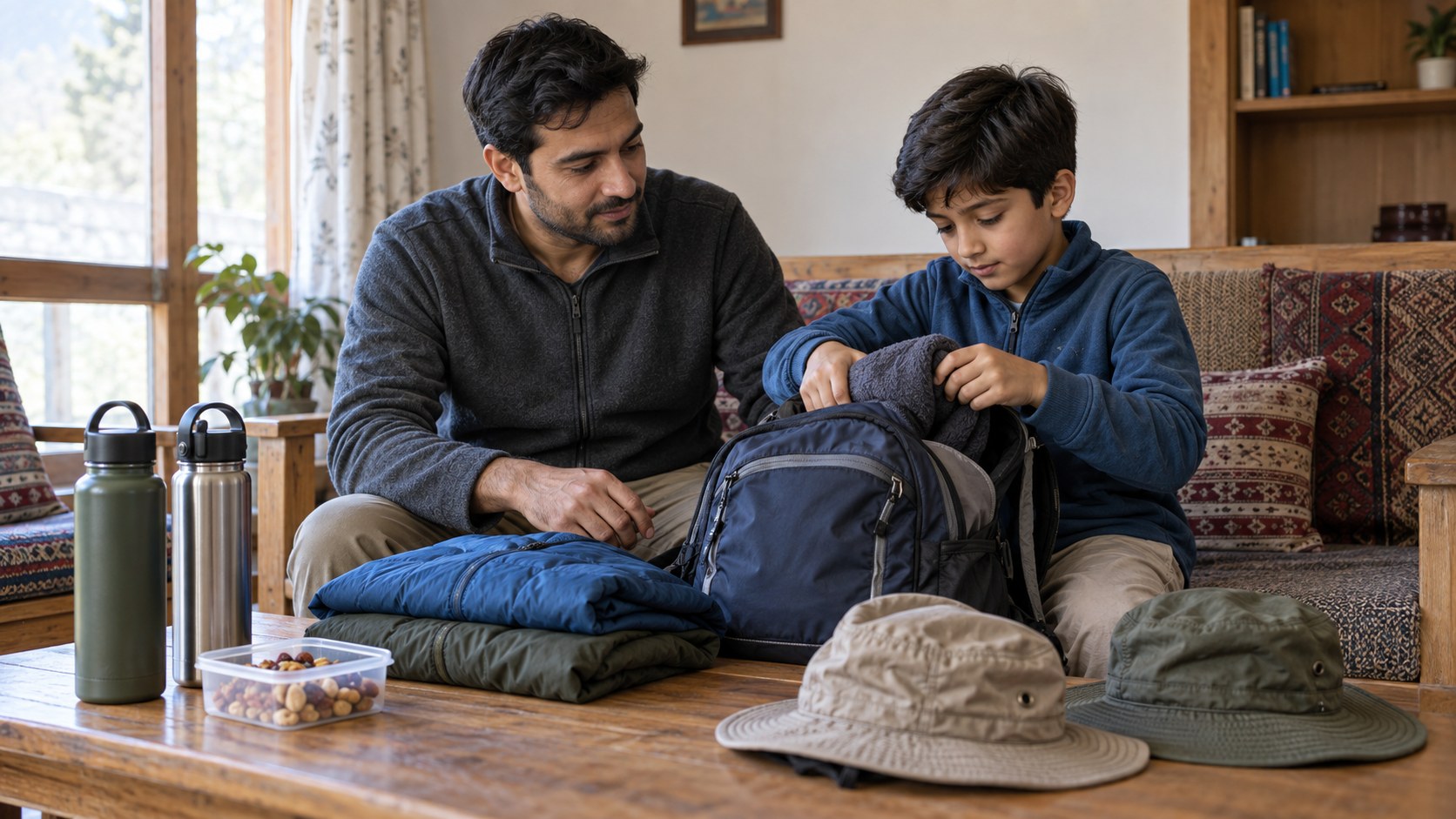
Clothing layers should include a warm piece for evening even in summer valley heat. Children underestimate cold until the ride home. Pack one complete spare outfit in the day bag.
If anyone develops symptoms that worry you, seek local clinical help early rather than waiting for a perfect internet connection to diagnose via chat groups. Family group chats are not clinics.
End each day with a five-minute review: what worked, what to cut tomorrow, who needs a quieter morning. That review is the difference between a deteriorating trip and an adapting one.
Money discipline on this route means small notes for toilets and tea, a card for hotels where accepted, and a clear rule about who pays for group meals so resentment does not accumulate beside the scenery.
Health discipline means regular water, shade breaks, and an agreement that headache, vomiting, or unusual sleepiness stops ambition while someone seeks local clinical advice rather than a group-chat diagnosis.
Family discipline means one primary ambition per day, a named abort option, and permission for children or elders to refuse a stop without a lecture about ticket cost.
Driver discipline means daylight arrivals, no pressure after rockfall or fog reports, and a pre-agreed turnaround time written in a note both sides can see.
Photography discipline means asking before faces, skipping drones over private homes, and not posting exact lodging locations for vulnerable households.
Food discipline means freshly cooked choices when stomachs are adjusting, earlier dinners for children, and refusal of a second heavy main simply because a cousin insists.
Exit discipline means a buffer before flights, packed bags the night before, and a calm breakfast rather than a final frantic viewpoint that risks the connection.
If two adults disagree, return to the written brief for hunza-with-parents-altitude-roads-walking-and-rest-days: who the trip is for, what success looks like, and which risks are unacceptable. Arguments in motion rarely improve judgement.
Sources and official profiles
Was this helpful?
Keep reading
Related stories
More from this desk, this beat, and the tags on this piece.
Readers
The conversation
0 notes
Anyone can leave a note. Guests add a name and email — no account required, and the email is never published.
No notes yet. Yours would be the first.