Recipes
Haleem, tested in five kitchens
Same dish, five houses, five textures. We cooked along — Hyderabadi, Punjabi, a Karachi hotel, a North Nazimabad grandmother, and a weeknight cheat — to find the method that holds.
By Hassan Raza
Food editor
6 min read
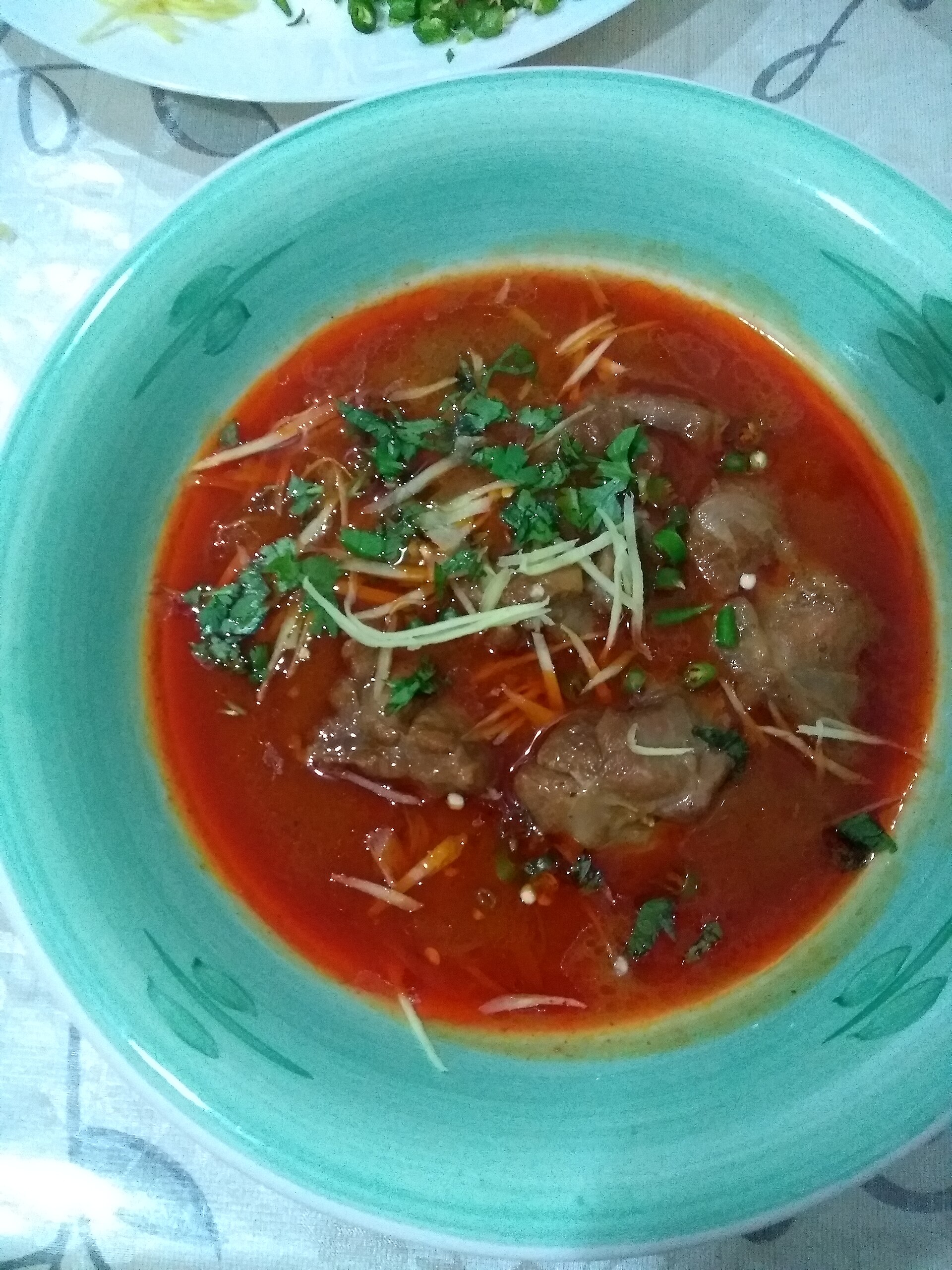
Haleem is a patience test disguised as dinner. It is also the dish people argue about with the heat they usually reserve for cricket. We cooked five versions — Hyderabadi-leaning, Punjabi-leaning, a Karachi hotel pot, a home version from a grandmother in North Nazimabad, and a weeknight cheat — and wrote down what actually changed the grain.
If you can see the dal as dal, you stopped too early. If you cannot tell there was meat, you went too far.
— Khalida Bibi, 71, North Nazimabad
Five pots, one argument
The argument is texture, not garnish. Hyderabad’s logic — the Deccan pot that Pakistani kitchens inherited and then fought over — wants wheat that has given up, meat that has vanished into the grain, a finish of ghee and fried onion that smells like a festival. Punjabi home haleem often keeps more of the meat as meat: you can find a fibre if you look. The Karachi hotel version is smoother than either, because a hotel is selling silk, not a grandmother’s shoulder. Khalida Bibi’s pot sits between them. The weeknight cheat is a pressure cooker and a lie you should label honestly.
We cooked all five in one week, same butcher, same sack of wheat, because otherwise you are comparing shopping, not method. Shin and boneless for the long pots, a cheaper mix for the cheat. Haleem is a rich dish that poor kitchens also make, which is why people get sentimental and then skip the stirring.
The Hyderabadi logic, and the Punjabi one
Soak the wheat overnight. Soak the dals — chana, masoor, a little moong if that is your house — for a few hours. Brown the meat in ghee until it smells like dinner, not like a grey stew. Whole spices in, water in, lid on. The Hyderabadi-leaning pot wants the meat cooked until it shreds if you look at it. Then the grains go in stages so the wheat does not turn to glue before the dal is ready. Stir. Then stir as if the pot will punish you for looking away. At the end you beat it — a wooden spoon, a ghotna if you have one — until the pot looks like one thing.
The Punjabi-leaning pot we cooked in a Lahore kitchen kept the meat in larger pieces for longer and mashed less at the end. It ate like a stew that had learned manners. Both are haleem. Calling one authentic and the other a mistake is how food writing becomes a border post. What changed the pot in both cases was browning and time, not a secret spice someone will sell you in a jar labelled heritage.
Hotel silk, and Khalida Bibi
The Karachi hotel version blended more aggressively and finished richer: more ghee in the temper, a garnish arranged like a photograph. It was good. It was also a different product. You could eat it with a spoon in a way that would have offended Khalida Bibi, who expects naan and a fight. Hotels cook for people who might not come back tomorrow. Home cooks cook for people who will complain for thirty years if the texture slips.
Khalida Bibi soaks, browns, and then ignores the clock. She adds water when the wheat drinks, not when a recipe app pings. She salts late. She will not be rushed by Ramadan television. We measured anyway: roughly equal weights of wheat and boneless meat, dals as a supporting cast, bone in for body, then the bone out before beating. Write down your own ratio. Hers is not a law. It is a kitchen.
The weeknight cheat, honestly labelled
A pressure cooker gets you 80%. It will not get you the slow Maillard of a four-hour pot. If you cheat, cheat on time, not on browning. Fry the masala until the oil returns. Pressure the meat with the soaked wheat and dals. Release, beat, temper. Do not call it the same as Khalida Bibi’s. She will know. You will know too, in the first spoon, because the cheat still tastes a little like separate ingredients that have agreed to share a bowl.
Ramadan is when the cheat earns its keep. A full pot on a work night is how people burn out of the month. Make the long version on Friday. Make the cheat on Tuesday. Freeze portions like you respect your future self. Haleem reheats if you add a splash of water and do not microwave it into rubber. A tadka in the morning of serving will hide a multitude of Friday-night sins.
The method that survived all five
Soak. Brown. Cook past politeness. Add grains so they finish together. Beat until the spoon leaves a slow wake. Temper with ghee, sliced garlic, and whole chilli that still pops. That sequence survived Hyderabad’s patience, Lahore’s meat, the hotel’s blender, Khalida Bibi’s ear, and the cooker. Skip browning and you will have porridge with protein. Skip beating and you will have a mixed stew. Skip the temper and you will have sadness with fried onion thrown on top as an apology.
- Wheat overnight. Dals for a few hours. Do not skip this and then blame the brand.
- Brown the meat until the raw smell leaves. Grey haleem is a stew you have not admitted to.
- Beat at the end until it is one thing. A blender is a hotel tool. A spoon is a home tool.
- Temper in ghee: garlic, chilli, maybe cumin. Pour it on like you mean the dish to wake up.
- Garnish is not decoration. It is the last seasoning.
Garnish, bread, and writing it down
Fried onions, julienned ginger, lemon, chopped coriander, green chilli, a little chaat masala if that is your house. Haleem in a bowl with a teaspoon is a misunderstanding. Serve with naan that can scoop, or a sheermal if you want the sweet against the heat. Yoghurt on the side is a truce, not a requirement. Lemon is not optional if the pot went heavy.
Write your version down, including the cheat. Haleem is oral history that dies when a generation gets tired. The recipe is the story. If your mother will not give you grams, cook beside her once with a bowl and a pencil. That is the only heritage product worth buying.
Five kitchens, one sequence: soak, brown, wait, beat, temper. Everything else is a house accent. Keep the accent. Do not outsource the stirring to a story about fusion. This is wheat, meat, time, and ghee. That was always enough.
Keep reading
Related stories
More from this desk, this beat, and the tags on this piece.
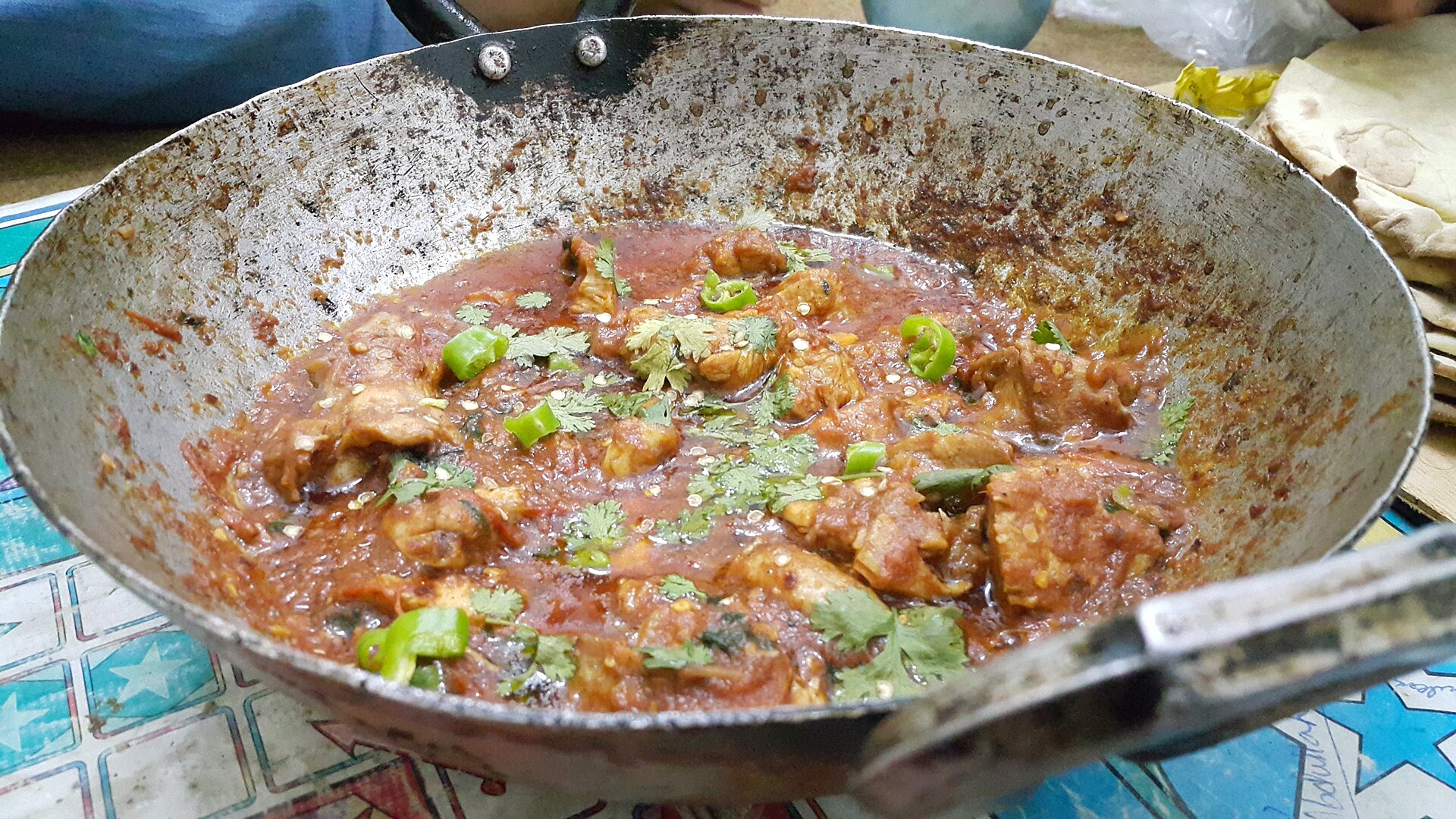
Palak gosht: keeping spinach bright enough and meat tender
Hassan Raza · 13 Sep 2026 · 15 min
Pakistani chicken patties with crisp pastry and a dry filling
Hassan Raza · 13 Sep 2026 · 14 min
Readers
The conversation
0 notes
Anyone can leave a note. Guests add a name and email — no account required, and the email is never published.
No notes yet. Yours would be the first.