Pakistani chicken biryani: technique, timing, and troubleshooting
A pot-side method for Pakistani chicken biryani: judge rice and masala readiness, layer without drowning the grain, run dum by sound, handle leftovers safely, and rescue dry, wet or scorched pots.
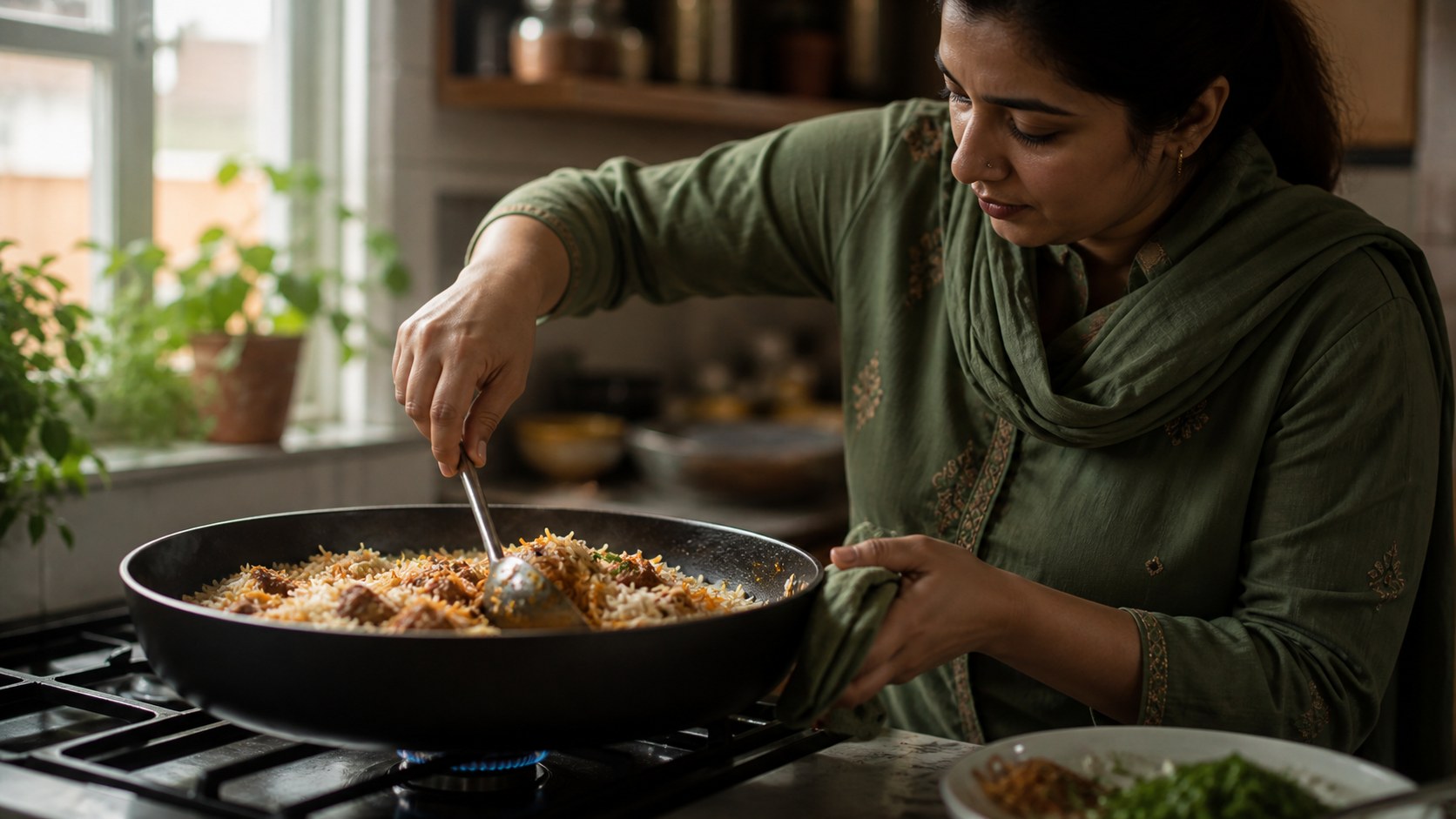
Pakistani chicken biryani fails less often from a missing secret spice than from asking two unfinished things to finish each other at the wrong moment. The masala must taste slightly too intense on its own. The rice must bend while still resisting at its centre. Layer them only when each is ready to complete the other in steam.
This is a technique and troubleshooting guide for a layered, sealed-cook home pot rather than a single-pot pulao. Households disagree about yoghurt marinades, colour, potato and eggs. Accents vary. Moisture control, grain judgment and steam without a burned base travel between accents.
Done enough to layer
Bone-in chicken suits most home biryanis. Marinate if you like; still cook the masala until tomato, yoghurt and spice marry into a glossy gravy that clings—enough to perfume rice, not flood it. Fry onions in batches; lift while golden. Keep some for the top.
Rice and the white-thread drain
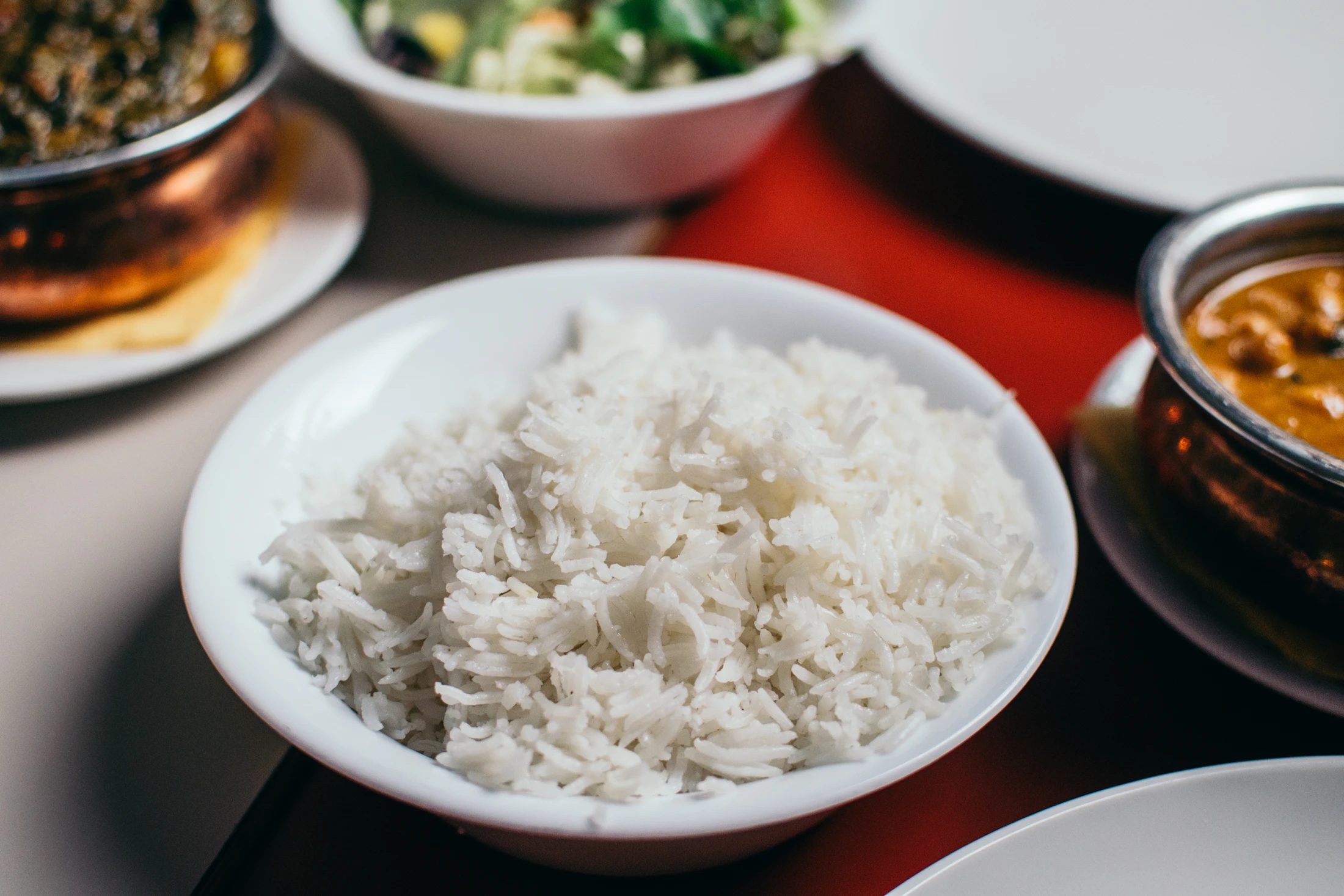
Rinse basmati; soak for that bag’s behaviour. Boil in abundant salted water with whole aromatics. Drain when a pressed grain breaks with a firm white thread remaining. Perfect tenderness now becomes soft in dum. Taste salt in the grain.
Layer, dum, rescue
Heavy pot; masala base; loose rice handfuls; onion, herbs, restrained saffron or colour; do not stir. Seal; create steam; lower heat; listen for quiet hiss. Rest sealed; lift from the side.
| Symptom | Cause | Move |
|---|---|---|
| Chalky rice | Early drain / weak dum | Hot water edge; reseal |
| Mush | Over-parboil / wet masala | Release steam; reduce next time |
| Scorched | High heat / thin pot | Lift upper layers; do not scrape |
| Pale separate spice | Under-bhunai | Longer masala next pot |
Cook chicken until thickest pieces are steaming hot—FSA cooking. Cool rice leftovers fast—FSA rice fact checker, chilling.
Cool cooked rice dishes quickly in shallow containers, ideally within about an hour, then refrigerate. Reheat only once until steaming hot throughout, following the FSA home food fact checker guidance on leftover rice.
Do not leave a sealed warm rice pot on the counter through a long visit. Bacillus cereus risk is about storage before reheating, not reheating itself.
Write rice brand, soak, drain cue, pot and hob setting after a successful pot. That notebook beats another recipe promising foolproof minutes.
Two medium pots often behave better than one overfilled giant for guests. Depth changes evaporation, steam and scorching risk.
Neon food colour is optional signal, not quality. Keep white grains visible in the spoon if you colour at all.
Serve raita and kachumber for freshness, not to camouflage under-seasoning. Correct lemon in the raita rather than stirring raw powder through finished rice.
Yoghurt brands vary; strain watery yoghurt briefly if the masala stays pale and split. Passata can replace watery tomatoes if cooked long enough to lose the jar note.
Potato and boiled egg are family choices, not required architecture. If adding potato, par-cook so it finishes with the chicken.
Opening the pot every few minutes to check releases the steam that cooks grain centres. Trust sound and rest instead.
Electric and induction hobs may need a diffuser during dum. A slightly lower high setting is not cheating.
Sources and official profiles
Filed under
Was this helpful?
Keep reading
Related stories
More from this desk, this beat, and the tags on this piece.
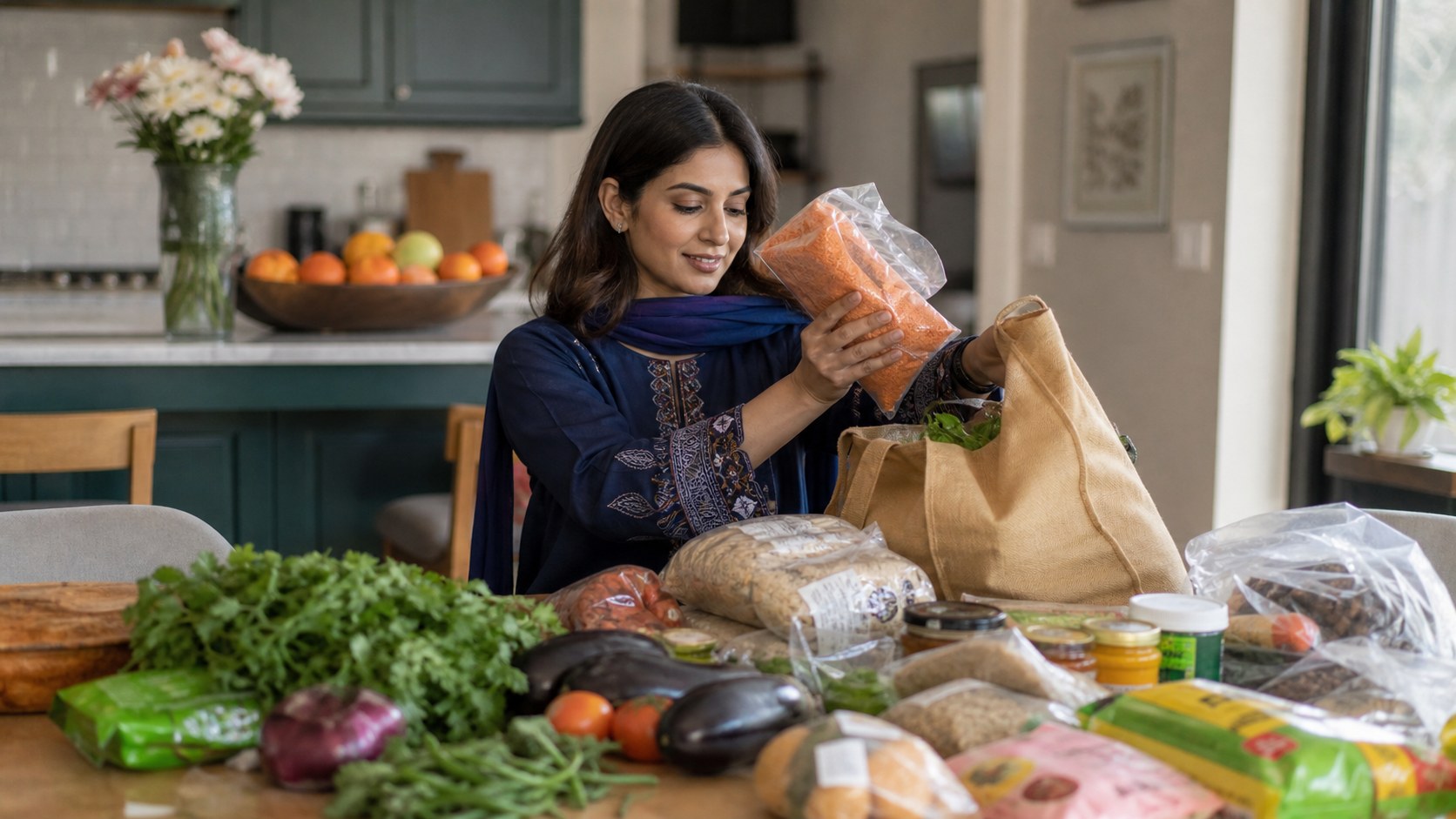
Should you rinse and soak basmati rice? What the food science actually says
Hassan Raza · 18 Oct 2026

Readers
The conversation
0 notes
Anyone can leave a note. Guests add a name and email — no account required, and the email is never published.
No notes yet. Yours would be the first.