Why yoghurt tenderises some meat better than lemon juice alone
Yoghurt marinades work differently from a squeeze of lemon. Their mild acidity, minerals and dairy matrix can influence tenderness and moisture without the harsh surface effect of strong acid.
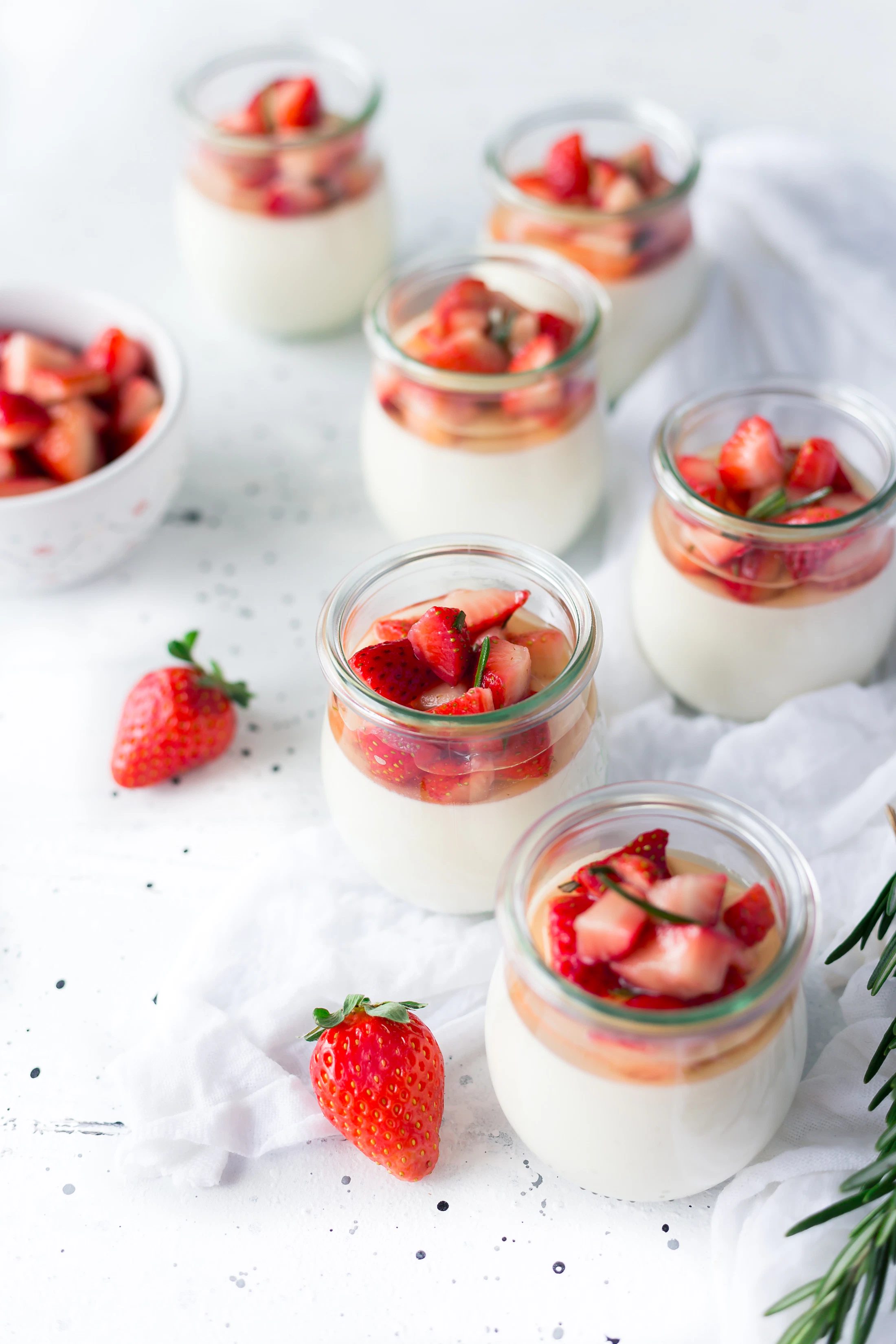
Yoghurt appears in Pakistani marinades for kebabs, tikka and roast meat so often that the explanation is usually reduced to 'the acid tenderises it'. Acidity matters, but yoghurt is a more complex system containing water, lactic acid, calcium, proteins and fat.
Research on yoghurt and acid whey marinades shows tenderising effects in some meats, though results vary by species and protocol. One study found tenderness improvement in pork and beef but not chicken, a useful reminder that traditional technique can be effective without behaving identically in every meat.
Yoghurt is a mild acidic environment
Fermentation produces lactic acid, lowering pH relative to milk. Mild acid can affect muscle proteins and the way they hold water.
It is less aggressively acidic than concentrated lemon juice or vinegar, which is one reason yoghurt marinades can be left in contact for longer in many recipes.
Acid is not a magic deep tenderiser
Marinades primarily act from the surface inward. Large intact cuts are not instantly tender all the way through simply because the exterior sits in acid.
Cut size and time determine how much of the meat is influenced.
Calcium may contribute
Dairy supplies calcium, and calcium-dependent enzymes within muscle are one proposed pathway affecting post-mortem tenderisation.
The importance of this mechanism varies and should not be oversold as the one reason yoghurt works.
Dairy proteins affect coating
Yoghurt solids help spices adhere and can form a coating that browns under high heat.
That is particularly useful for tikka-style cooking where surface seasoning matters.
Fat carries aroma compounds
Full-fat yoghurt can help carry fat-soluble flavour compounds from spices and create a richer surface.
Lower-fat yoghurt still marinates; fat level is a flavour and texture variable, not an on/off tenderising switch.
Salt does a different job
Salt influences seasoning and water-holding in meat through mechanisms distinct from yoghurt acidity.
A balanced marinade uses salt intentionally rather than assuming the yoghurt replaces it.
Chicken behaves differently
Chicken breast has relatively little connective tissue and can dry out before any extra tenderness is useful. The cited acid-whey study did not find the same tenderising result in chicken as in pork and beef.
For chicken tikka, yoghurt's coating, flavour and moisture management may matter as much as 'tenderising'.
Marination time has a ceiling
Longer is not always better. Texture can become soft or surface proteins can change excessively, especially with additional lemon or vinegar.
Use recipe-tested ranges and refrigerate throughout marination.
Food safety during marination
Raw meat belongs in the refrigerator, not on the counter, regardless of acid.
Discard or thoroughly cook marinade that has been in contact with raw meat rather than using it as a cold sauce.
Why traditional recipes combine yoghurt and spices
The dairy base provides adhesion and moisture while ginger, garlic, chilli and aromatic spices build flavour. High-heat cooking then transforms that coating.
The method is best understood as a complete surface-treatment system rather than one acid hack.
What the evidence does not justify
Marination studies differ in meat species, yoghurt product, time, temperature and measurement. A result in acid whey or beef cannot be copied numerically to every home chicken recipe.
Practical checklist
- Keep raw marinating meat refrigerated.
- Use yoghurt as part of a balanced marinade, not the only seasoning.
- Do not assume longer marination is always better.
- Treat chicken and red meat differently.
- Never serve raw-contact marinade uncooked.
Yoghurt works because several small effects happen together: mild acid, moisture, minerals, dairy solids and flavour adhesion. That is a more accurate—and more useful—explanation than saying acid simply 'breaks the meat down'.
Dose and context change the effect
yoghurt marinade meat tenderising science is rarely an all-or-nothing exposure. The amount, timing, frequency, temperature, food matrix, skin type, disease status or baseline risk can change whether an effect is meaningful.
That is why public-health guidance often sounds less dramatic than social media. It has to work across many real-world contexts rather than maximise one isolated variable.
Population advice is not an individual diagnosis
Guidance linked to yoghurt marinade meat tenderising science can identify groups with higher average risk or recommend a safe preventive behaviour. It cannot tell one reader whether they personally have a deficiency, disease or future event without appropriate assessment.
Traditional practice can be sensible without proving every explanation
Some habits connected with yoghurt marinade meat tenderising science developed through practical observation long before modern biochemistry. A method may work while the popular explanation for why it works is incomplete or wrong.
Respect for tradition and scientific scrutiny are compatible. The strongest article can say “this technique is useful” while also correcting an exaggerated mechanism.
Substitution matters more than removal
Nutrition questions around yoghurt marinade meat tenderising science often depend on what replaces a food rather than whether it disappears. Replacing saturated fat with unsaturated fat is different from replacing it with refined carbohydrate; moving tea away from a meal is different from removing all tea.
This is why useful advice describes the alternative behaviour instead of only naming something to avoid.
Measurement has limits
Numbers used in this cooking method and result—BMI, Brix, SPF, HbA1c, AQI, grams of protein or degrees of doneness—compress a complex system into a practical indicator. They are valuable when their scope is understood.
A single number should not be promoted into a universal quality score. Use it alongside the other variables that materially affect the decision.
Food and health safety outrank optimisation
When this cooking method and result touches raw meat, supplements, medication, sun exposure or suspected disease, the safety threshold matters more than squeezing out a small performance benefit. Refrigeration, appropriate dosing, diagnosis and sunburn prevention are foundational.
A cooking hack or wellness routine is not successful if it increases avoidable risk in order to improve texture, colour or convenience.
Use the highest-quality source available
For this cooking method and result, clinical or public-health claims should come from recognised health bodies or peer-reviewed research, while regulatory rules should come from the regulator. Retailers and lifestyle sites can be useful for examples, not for settling safety questions.
When studies disagree or address different populations, explain that rather than choosing the most dramatic number.
Who should get personalised advice
Pregnancy, childhood, kidney or liver disease, diabetes, cardiovascular disease, allergies, prescribed medicine and previous severe reactions can all change the advice around this cooking method and result.
The practical conclusion
The useful endpoint for this cooking method and result is a small number of behaviours supported by the evidence: change timing, choose a safer substitute, screen earlier, store food correctly, read the label or seek assessment for a warning sign.
Evidence-based writing becomes easier to trust when it leaves readers with proportionate actions rather than a list of alarming facts.
Separate mechanism from outcome
For this cooking method and result, it is useful to distinguish what can be measured in a laboratory from what has been shown to improve a real health or cooking outcome. A plausible mechanism—acid changing protein, polyphenols binding iron, melanin absorbing UV—helps explain a result but does not by itself quantify the size of that result in every person or recipe.
Research quality improves when mechanism, controlled experiment, observational association and clinical guidance are not blended into one level of certainty.
How to use this article as a reference
Save the specific official or primary source that matters most for this cooking method and result, along with the date you checked it. If the subject is commercial, keep the product label or receipt; if it is administrative, keep the application reference; if it is health-related, write down the question you need to take to a clinician. This turns reading into a record you can use later.
Questions worth resolving before you act
For this cooking method and result, write down the exact decision you are making and the evidence that would change it. That may be a current fee, eligibility rule, test result, product composition, measured risk factor or official definition. Separating the decision from the background information helps prevent an interesting fact from being mistaken for the one fact that actually controls the next step.
Keep the next step proportionate
High-quality information should reduce uncertainty without creating unnecessary alarm. If this cooking method and result raises a low-risk practical question, use the official checklist and proceed. If it raises a potentially serious health, legal or immigration issue, move to the relevant professional or authority rather than stacking more secondary articles.
One last way to test the advice
With why yoghurt tenderises some meat better than lemon juice alone, test the claim by changing one kitchen variable rather than several at once. Keep the rice, meat, pan, portion or timing as consistent as practical and compare the result. Home cooking is not a laboratory, but a controlled comparison can still show whether the technique changes texture, flavour or handling enough to be worth keeping.
With why yoghurt tenderises some meat better than lemon juice alone, keep food safety separate from optimisation. Cooling, refrigeration, reheating and cross-contamination rules matter more than achieving the perfect grain, marinade or nutrient timing. Where the article touches a diagnosed deficiency or health condition, use it to frame a conversation with an appropriate professional rather than as a substitute for individual advice.
Sources and official profiles
Filed under
Was this helpful?
Keep reading
Related stories
More from this desk, this beat, and the tags on this piece.
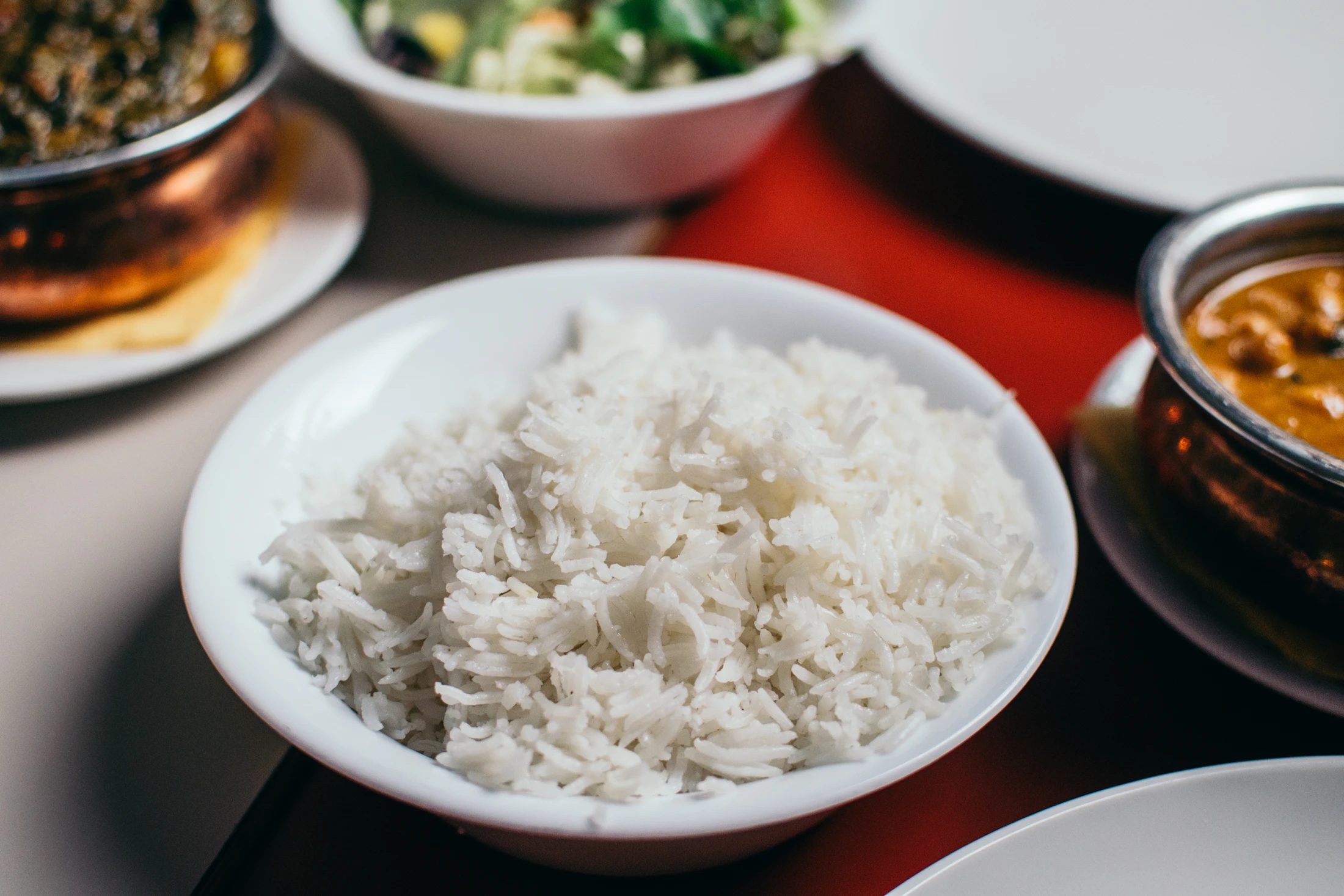
Should you rinse and soak basmati rice? What the food science actually says
Hassan Raza · 18 Oct 2026


Readers
The conversation
0 notes
Anyone can leave a note. Guests add a name and email — no account required, and the email is never published.
No notes yet. Yours would be the first.