Regional
Halal butcher etiquette for a British Pakistani Eid table
How to order by weight, name the cut for karahi or barbecue, time an Eid rush visit, and speak clearly about allergies without inventing shop drama.
By Hassan Raza
Food editor
4 min read
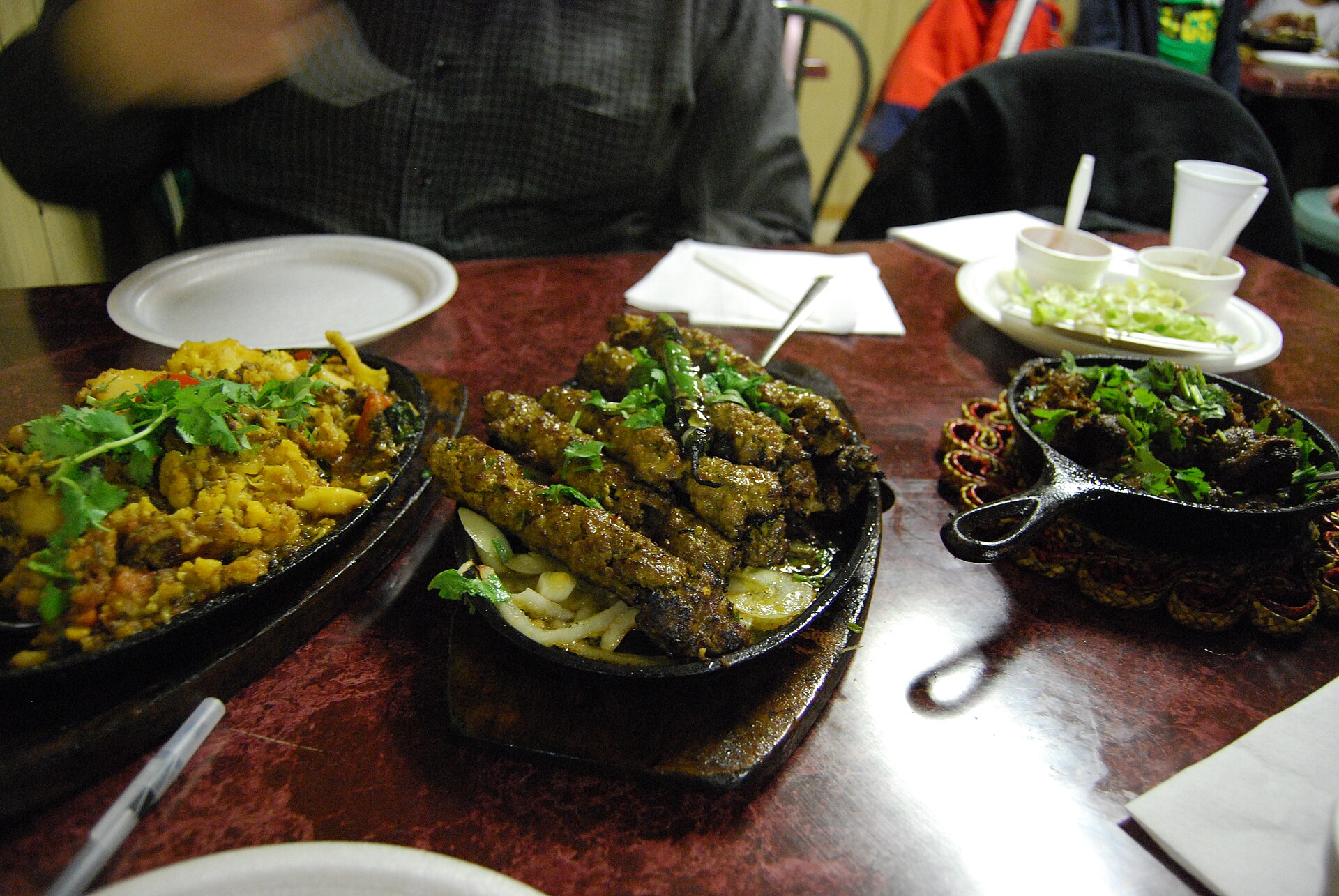
Eid meat shopping in Britain fails less often because of a missing “special cut” and more often because the order was vague while the queue was long. A British Pakistani table needs a weight, a cooking method, and a sentence the butcher can act on before the next ticket is called. This is field etiquette for that counter conversation—checked as practical guidance around September 2026, not a directory of named shops.
Arrive with weight and cooking method, not vibes
Write the order before you leave home. List each protein in kilograms or portions, then name what the meat must do: bone-in karahi, boneless cubes for tikka, mince for seekh, chops for the barbecue, or a mix for a mixed grill. “Goat for karahi” is clearer than “whatever is good.” “Chicken thighs, skin off, for barbecue” is clearer than “barbecue chicken.” If two pans need different cube sizes, say so.
If the household splits between those who want bone for flavour and those who refuse bones at the table, order both and keep the labels honest at home. Mixing them in one bag is how someone ends up fishing cartilage out of what they thought was a tikka tray.
Ask for the cut the pan actually needs
Karahi wants pieces that can take a hard fry without disappearing into the masala; large, uneven chunks leave some meat underdone while the edges toughen. Barbecue wants more even pieces and, for many UK gardens, a trim that does not drip endlessly onto a cheap disposable tray. Mince for seekh should be discussed as mince for kebabs, not as “keema whatever,” if you need a grind that holds on a skewer. You do not need butcher-school vocabulary. You need one cooking word and one texture word: “bone-in, medium pieces for karahi” beats a monologue about childhood Lahore.
If you are buying for a mixed table—some guests eating only chicken, some avoiding beef, some who will only touch lamb—say the separation out loud and ask for separate bags. Religious and household rules belong in the first sentence of the order, not as a correction when the carrier is already tied.
Time the Eid rush like a real calendar, not a hope
Eid week compresses every British Pakistani butcher’s capacity. Go early in the day when you can, or place an advance order if the shop takes them. Ask when cutting for your slot actually happens, not only when the shop opens. A promised “ready by four” that means “we start your ticket at four” is a different evening. If you need the meat washed, further trimmed, or divided for two kitchens, add that time to your own plan rather than treating the counter as a second kitchen.
Bring a cool bag if the drive or bus ride is long. Warm meat sat in a parked car while you “just pop into” another shop is how an expensive order becomes a fridge problem before the first guest arrives. For general food-hygiene questions in the UK—storage, chilling, and what “safe” means in public guidance—start with the Food Standards Agency rather than a forwarded group-chat rule.
Allergies, tipping, and the tone that keeps the queue moving
Allergies and severe aversions are operational facts. If someone reacts to nuts, sesame, or a marinade the shop uses on prepared items, ask what has touched the board and whether raw meat can be packed away from seasoned products. Do not perform a lecture; ask for the separation you need. If the answer is uncertain, choose a simpler product or another source rather than hoping for the best at midnight.
Politeness at a busy counter is mostly precision and patience. Have payment ready. Do not hold the line while you renegotiate the menu for relatives who are not present. A tip, where you tip, is a local judgement about service and custom—not a published tariff and not something a magazine should invent as a national rule. Thank people for a clean, accurate order. Correct a wrong bag before you leave the shop.
Eid hospitality starts when the meat can be cooked without an argument. Leave with labelled bags, a clear plan for which pan gets which cut, and enough time to chill what will not go on the heat tonight.
Keep reading
Related stories
More from this desk, this beat, and the tags on this piece.
Multani sohan halwa: how to buy it fresh and store it well
Hassan Raza · 13 Sep 2026 · 16 min
Peshawari namkeen gosht: what simplicity demands from the meat
Hassan Raza · 13 Sep 2026 · 15 min
Kashmiri harissa: a winter dish built on texture and patience
Hassan Raza · 13 Sep 2026 · 15 min
Balochi sajji at home: adapting a fire-cooked dish responsibly
Hassan Raza · 13 Sep 2026 · 15 min
Readers
The conversation
0 notes
Anyone can leave a note. Guests add a name and email — no account required, and the email is never published.
No notes yet. Yours would be the first.