Pakistani restaurants in Houston and Dallas by speciality
Houston and Dallas each hold enough Pakistani food to stop treating “Texas” as one market. Plan by neighbourhood, speciality, and current menus.
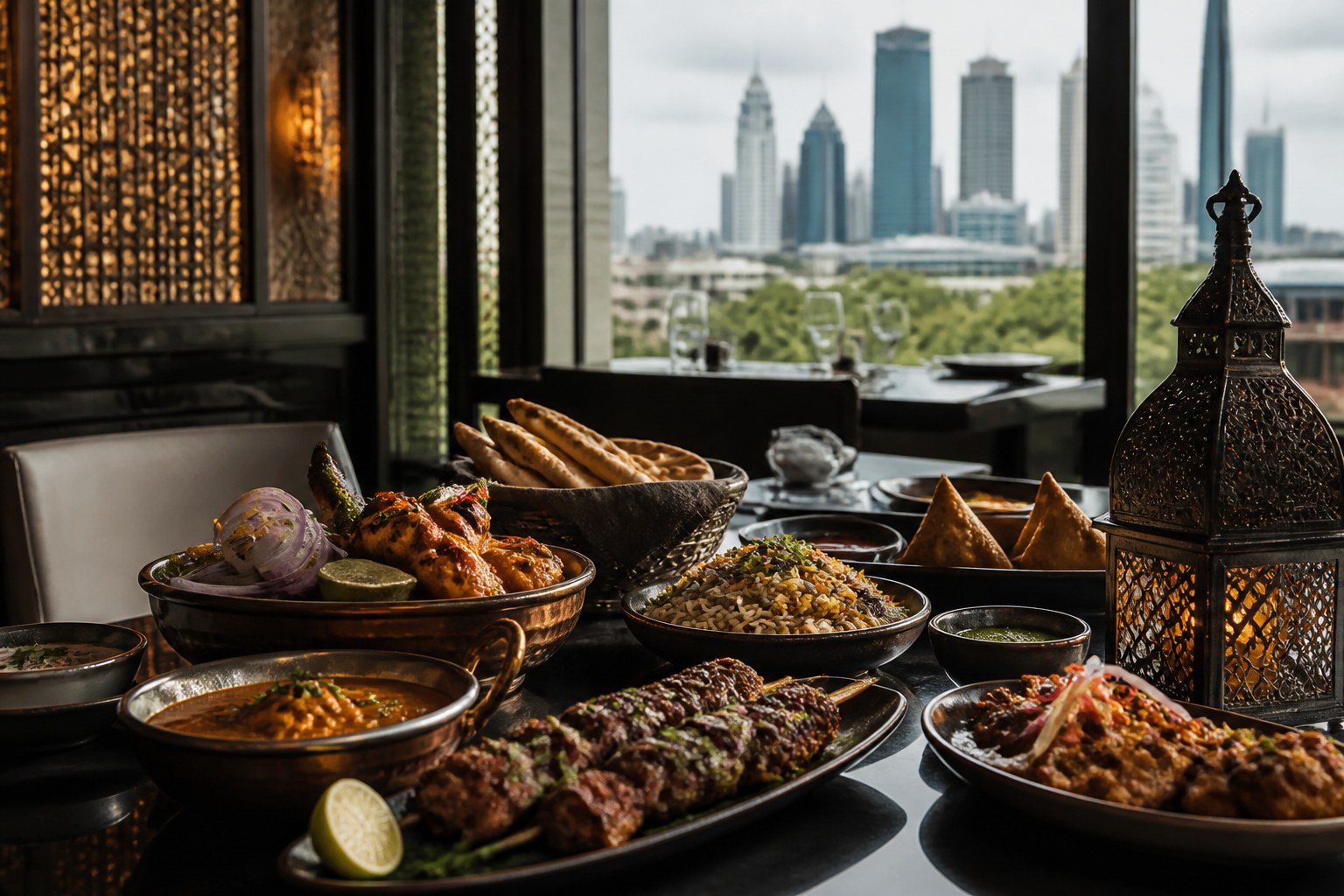
Houston and Dallas contain enough Pakistani food to stop treating “Texas” as one restaurant market. Distance, community geography, and speciality clusters differ; so should your plan. This page is a method for choosing by dish and occasion—not a paid ranking and not a claim that any named kitchen is permanently best.
Which Texas Pakistani dish is worth a cross-city drive—and which is only worth a cross-neighbourhood drive?
— PakStyles culture desk
Houston rewards neighbourhood planning
Houston’s spread means a breakfast mithai stop and a late karahi can be an hour apart if you plan poorly. Cluster by corridor and confirm hours before committing elders to a long car day. Ask what the kitchen is known for locally—nihari breakfast, bun kebab, haleem in season, grilled meats, or a sweet shop with fresh jalebi—before treating “Pakistani restaurant” as a single category.
Traffic is part of the cuisine experience whether you like it or not. Build a route with one primary speciality stop and one backup within the same corridor. Cross-town improvisation at peak hours turns a food trip into an endurance test.
Dallas–Fort Worth is several dining zones
Dallas–Fort Worth is not one downtown myth. Suburbs and corridors hold different grills, bakeries and family dining rooms. Ask locals which suburb holds the seekh you want rather than assuming a single iconic address will settle every craving. Plano, Richardson, Irving and other nodes may matter more than a skyline photo for everyday Pakistani eating.
If you are flying into DFW for a wedding weekend, decide whether the meal is near the hotel, near the venue, or worth a planned drive. Wedding weeks punish vague restaurant optimism.
Plan by speciality, not by vibe
| Speciality | What to confirm | Occasion fit |
|---|---|---|
| Breakfast nihari / haleem | Hours; whether it is weekend-only | Early family meals; post-flight hunger |
| Karahi and handi | Spice level; portion size for groups | Dinner with elders who want shared pots |
| Grill / seekh / chops | What is charcoal vs tawa; wait times | Quick protein after travel |
| Bun kebab / street-style | Whether it is a stall menu or full dining | Casual stops; teenagers |
| Sweets and bakery | Freshness windows; pre-order rules | Mithai gifts; dessert after dinner elsewhere |
Use official menus as the live record. Phone specials vanish; PDF menus and dated posts are better than memory. Call ahead for large groups, allergies and whether a dish advertised online still runs on slow weeknights.
Barbecue meets Pakistani seasoning—carefully
Texas barbecue culture and Pakistani spice logic can meet in interesting kitchens, but fusion claims should be tasted, not trusted from captions. Ask what is actually smoked, what is masala-finished, and what is marketing language. A “brisket biryani” caption is not a method. If the kitchen cannot explain the technique briefly, order something they cook every day instead.
Halal status, if it matters to your table, should be asked explicitly and verified according to your own standards—do not assume from décor or a flag on the wall.
Health scores and occasion fit
Check local health resources such as Houston health department pages and Texas food-establishment guidance via DSHS food establishments. Read scores with dates. A score is not a flavour review; it is still part of responsible planning for elders and young children.
Match occasion: quick seekh after a flight differs from a family nihari lunch before a wedding mehndi. Inclusion here is methodological, not a paid ranking. When a restaurant changes ownership, re-check the menu and hours rather than trusting last year’s group chat.
A weekend field method
- Pick one city for the day—Houston or DFW—not both unless you enjoy driving as a hobby.
- Choose one speciality as the mission (for example, grill or breakfast stew).
- Shortlist three kitchens in one corridor using current menus.
- Check a dated health resource and today’s hours.
- Order the mission dish first; add experiments second.
- Write three notes: spice, texture, whether you would cross town again for it.
Houston and Dallas each reward that discipline. Treat them as separate maps, plan by speciality, and let today’s menu—not yesterday’s reputation—decide the table.
Cross-city drives versus corridor dinners
A cross-city drive between Houston and Dallas for Pakistani food is rarely the best first move. Each metro already contains enough speciality depth to fill a weekend if you plan by corridor. Save intercity driving for a dish you have already verified locally as unavailable, or for a wedding weekend where the venue geography forces the route.
Within a city, elders and children change the plan. Long waits at grill houses, very late kitchens, and extremely spicy house styles need advance calls. Ask about chilli level, portion size for sharing, and whether breakfast stews run only on weekends. A method that ignores the bodies at the table is not hospitality; it is itinerary cosplay.
Fusion barbecue captions deserve a second question every time: smoked, masala-finished, or marketing? Order the kitchen’s everyday speciality first. Experiments second. Notes third: spice, texture, whether you would cross town again. Health scores with dates remain part of planning for vulnerable diners even when the karahi is excellent.
Houston and Dallas reward neighbourhood discipline and speciality clarity. Treat them as separate maps, let today’s menu overrule last year’s group chat, and decide drive distance by dish—not by the myth that “Texas Pakistani food” is one address with one throne.
Menus, mithai timing, and the notes that matter
Live menus beat memory. Mithai shops have freshness windows; grill houses have wait patterns; breakfast nihari may be a weekend creature. Call ahead for groups and allergies. Confirm halal practice according to your own standards rather than assuming from décor. Read Houston health resources and Texas DSHS orientation with dates attached.
After eating, write three notes only: spice, texture, whether the speciality justified the drive. Those notes make next month’s plan wiser than a photo dump. Inclusion on a method page is not a permanent crown; kitchens change ownership and recipes drift.
Houston corridors and DFW zones will feed you well if you stop asking Texas to be one market. Speciality first, neighbourhood second, cross-city third. That order keeps elders rested, teenagers fed, and fusion captions from deciding the table before the kitchen does.
A sample weekend map you can rewrite
Houston example: pick one southwest or similar corridor; breakfast mithai or nihari if hours allow; later grill or karahi within twenty minutes; sweets last if freshness holds. Dallas–Fort Worth example: choose one suburb node near your hotel; grill for a quick protein stop; family handi dinner nearby; avoid a downtown myth that adds forty minutes for atmosphere you will not taste.
Rewrite both maps with local advice and today’s menus. The value is the template—corridor, speciality, backup, health-score glance, three notes afterward—not the pretend permanence of any one kitchen name. Texas Pakistani food is abundant. Attention is not. Spend attention on speciality and geography, and the abundance becomes usable.
Allergies, spice levels, and elders at the table
Ask about nut oils, mustard in spice blends and wheat in breads before ordering for mixed tables. Spice level questions should be concrete: house spicy, medium, or mild enough for a child who already refused lunch on the plane. Elders may need shorter waits and earlier kitchens. A speciality hunt that ignores bodies is a content plan, not hospitality.
Takeout versus dine-in changes texture for grilled meats and fried snacks. If the speciality is crispness, dine in. If it is a stew that travels, takeout can win. Match vessel to dish. Texas distances already tax food; do not add a packaging failure you could have predicted.
Wedding weekends and airport hunger
Wedding weekends in Houston or Dallas punish improvisation. Choose kitchens near hotels or venues first; speciality pilgrimages second. Airport hunger after landing favours grill spots with predictable waits over experimental fusion that needs a forty-minute lecture. Save experiments for the day after the baraat, when attention returns.
Group orders should confirm roti counts, spice levels and vegetarian shares before arrival. Pakistani tables in Texas are often mixed in appetite even when united in family. A speciality method still fails if half the table is waiting on an unannounced side. Call. Confirm. Then enjoy the karahi while it is hot.
Sweet shops, bakeries, and the last stop problem
Leaving mithai for last sounds logical until freshness windows close. If sweets are the mission, make them the first stop or pre-order. If they are a gift after savoury specialities, call ahead and ask what still looks alive at your arrival hour. Gulab jamun sitting warm too long and barfi sweating in a car are Texas problems as much as recipe problems.
Bakeries attached to restaurants may bake on different schedules than standalone sweet shops. Ask whether sheermal, qeema naan or dessert trays are morning-only. Speciality planning includes carbohydrate timing. A corridor map that ignores bread and sweets will still leave someone in the car hungry for the thing they actually wanted.
Keep a dated personal map rather than a sacred list. Kitchens remodel, chefs leave, and last year’s best seekh can become this year’s disappointment. The speciality method survives those changes because it asks better first questions—what dish, which corridor, which bodies at the table—before it asks which throne still stands.
Sources and official profiles
Was this helpful?
Keep reading
Related stories
More from this desk, this beat, and the tags on this piece.
Pakistani wedding caterers in the UK to put on the tasting list
Hassan Raza · 18 May 2026
Readers
The conversation
0 notes
Anyone can leave a note. Guests add a name and email — no account required, and the email is never published.
No notes yet. Yours would be the first.