Pakistani wedding caterers in the UK to put on the tasting list
Six UK caterers for Pakistani wedding menus—assessed by tasting format, service scope, allergen process and food-hygiene checks, not by gravy colour alone.
Wedding catering is a logistics company that happens to cook. A tasting can prove seasoning; it cannot by itself prove that hot naan reaches four hundred guests, allergens are controlled, staff know the room, or the buffet opens on time after a late entrance. Pakistani menus also suffer when every region is compressed into one brown gravy. Ask who cooks which dish and how it travels at scale.
Inclusion here does not certify food hygiene or halal claims. Verify current registrations, documentation, venue approval and sourcing directly. Start with the Food Standards Agency and check a business’s rating via food hygiene ratings where ratings apply.
| Service format | What the tasting must prove | Common gap |
|---|---|---|
| Buffet | Holding quality and replenishment | One perfect tray that will not scale |
| Live stations | Staffing, fuel, queue and safety | Spectacle without throughput maths |
| Plated | Timing after speeches or delays | Kitchen access assumptions |
| Family sharing | Portion logic and clearing pace | Understaffed tables at peak |
Taste the format you will actually serve
Taste the proposed menu in the format it will be served. Put guest count, children and supplier meals, crockery, linen, waiting staff, clearing, waste, kitchen access, power, service time, leftovers and overtime into one written scope. Guest count changes the right caterer: a twenty-person dinner and a four-hundred-person walima are different businesses wearing the same cuisine name.
Bread, rice and the late entrance problem
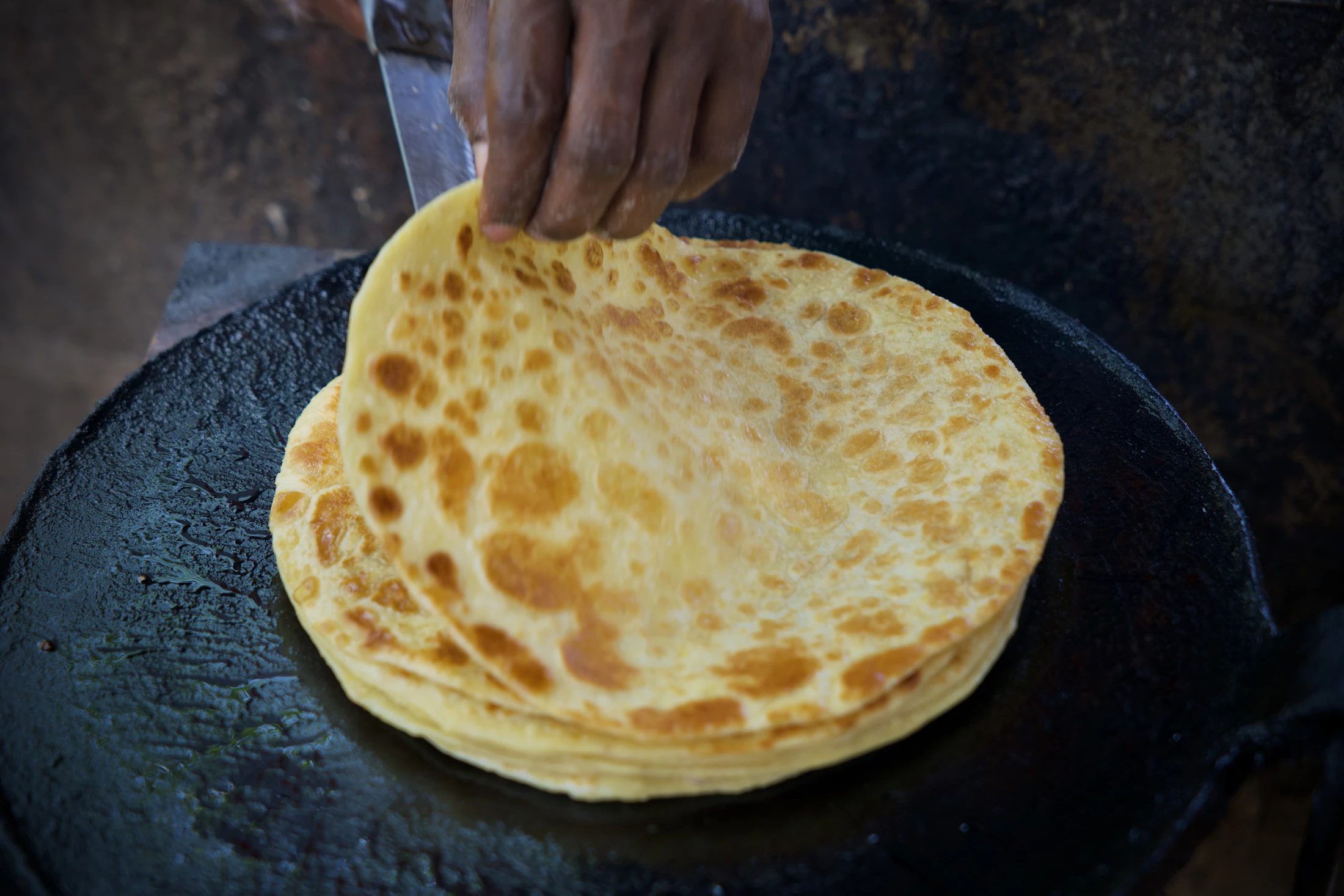
Naan and roti quality collapses when production cannot match a delayed baraat. Ask how bread is staged. Biryani and pulao need honest holding plans. Live frying near guests needs ventilation and fire awareness that the venue must approve. Do not invent a menu the room cannot support. For chilling and leftover framing, see FSA guidance on chilling. Wedding leftovers are a food-safety decision, not only a hospitality gesture.
Children’s meals, supplier meals and invisible headcount
Confirm how children are counted, whether suppliers eat, and whether late extras are charged at the same rate. Invisible headcount is how buffets empty early. Put those numbers in the same scope document as the menu. Ask who tastes for the couple on the day if the tasting chef is not the event chef—continuity matters.
Regional honesty on a Pakistani menu
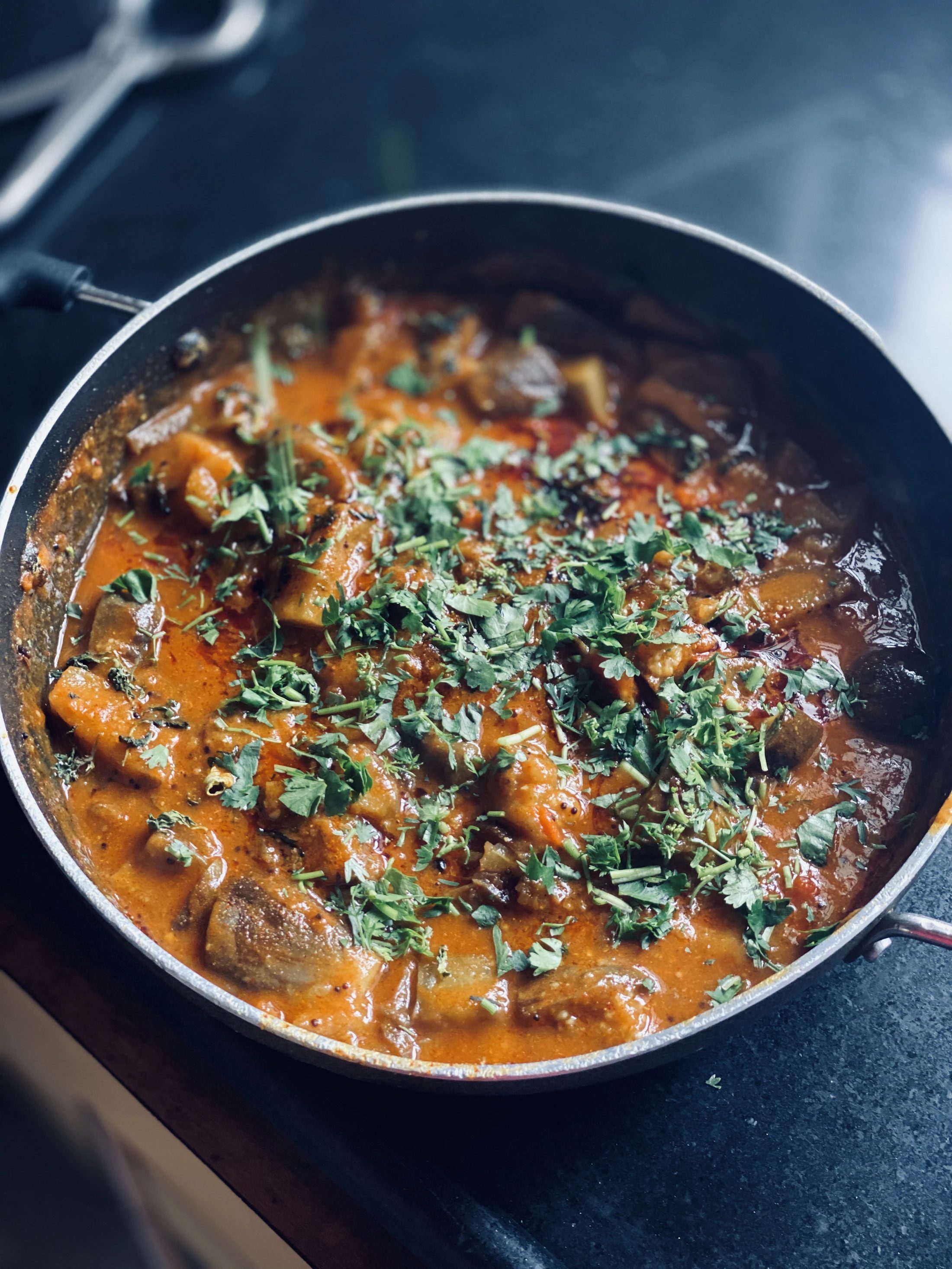
Ask which dishes are house strengths rather than accepting a list that claims every city specialty. A kitchen that makes excellent karahi may not make excellent fish or nihari at banquet scale. Prefer a shorter menu cooked well over a long menu held badly. Vegetarian and vegan guests need more than a single dal that runs out first.
- Verify current food-hygiene and insurance documents.
- Create a written allergen and halal-sourcing process.
- Taste the exact menu and service format.
- Put staffing, overtime and late-entrance contingency in the scope.
A tasting list is a method, not a popularity contest. Follow the official sites, check hygiene evidence, and hire the team that can feed your actual room on your actual timeline.
Sources and official profiles
Filed under
Was this helpful?
Keep reading
Related stories
More from this desk, this beat, and the tags on this piece.
Qurbani meat safety: chilling, freezing and the journey home from the butcher
Hassan Raza · 21 Oct 2026

Sarson ka saag for a British kitchen: use greens for flavour, not nostalgia
Hassan Raza · 17 Oct 2026
Readers
The conversation
0 notes
Anyone can leave a note. Guests add a name and email — no account required, and the email is never published.
No notes yet. Yours would be the first.