Pakistani bridal makeup trial checklist
A bridal makeup trial designed to produce decisions, photographs and a repeatable wedding-day plan.
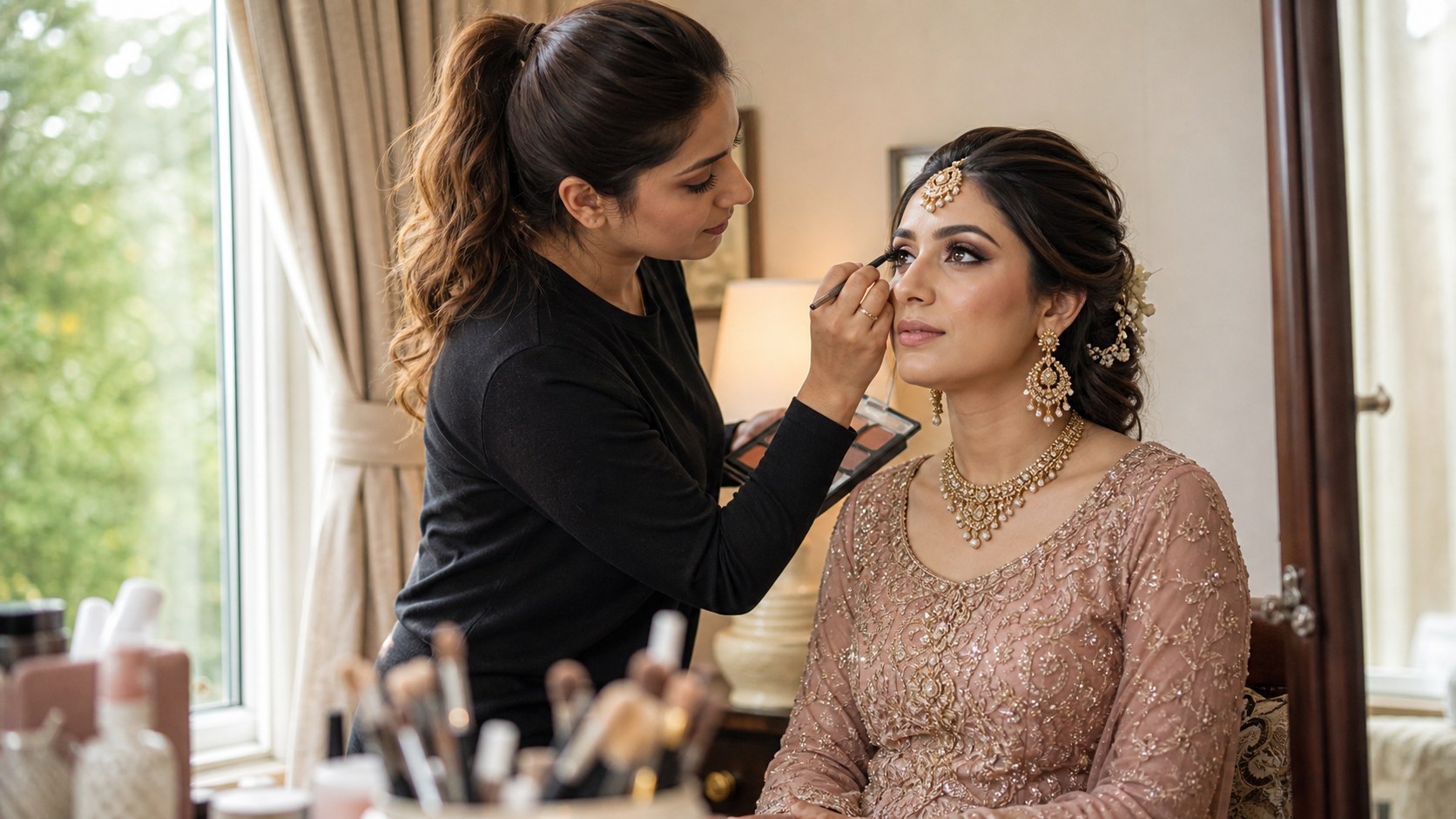
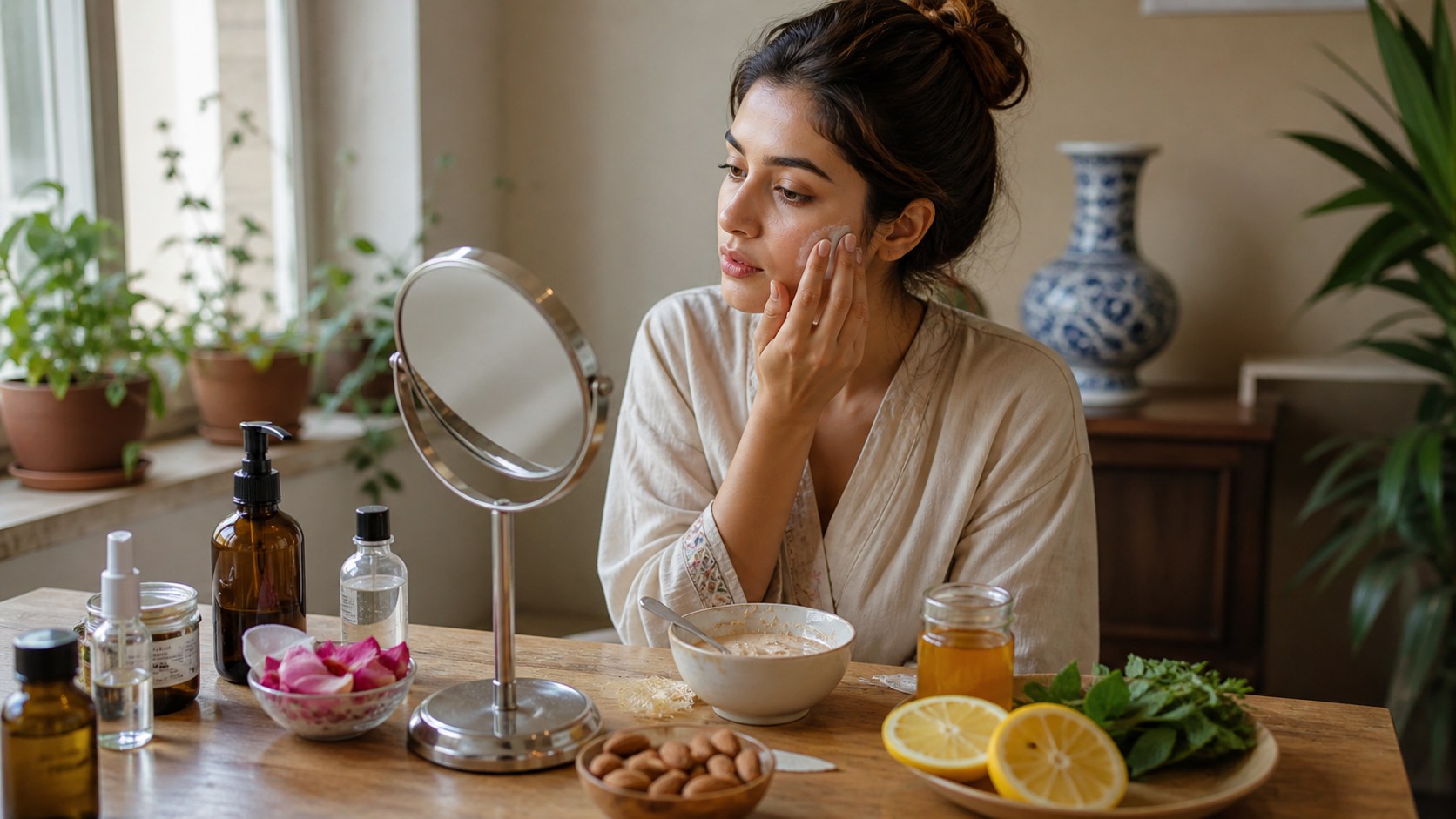
A bridal makeup trial is not a dress rehearsal for compliments. It is a working session that should end with a documented face, a product plan and permission to say what feels wrong. Arrive with skin prepared exactly as agreed. Send a bare-face daylight photograph beforehand and disclose known allergies, active treatment and recent reactions.
Bring the outfit colour, jewellery, dupatta and reference images that name specific features—not somebody else’s entire face. The goal is a repeatable wedding-day method, not a one-off glamorous hour that cannot survive travel, prayers and photographs.
- Disclose sensitivities and medications that affect skin before product is opened.
- Confirm who will apply makeup on the day—the trial artist or a named substitute with a visible portfolio.
- Agree start time, finish time and how late arrivals will be handled.
Look in four kinds of light
Inspect the base beside a window, under warm indoor light, in flash and in phone video. Check face against neck, chest and ears rather than asking foundation to flatten every visible area into one tone. Photograph after application and again after several hours of ordinary movement: talking, drinking, smiling, walking between rooms.
Note separation around the nose, creasing on the lids, lash discomfort and whether lip colour survives food and water. Coverage is a negotiation. Tell the artist which marks you want softened and which you do not want erased. Bridal is not permission to lighten skin. If a product stings, burns or produces swelling, remove it and seek appropriate medical advice; a wedding timeline does not make a reaction harmless.
Hygiene, assistants and product discipline
Ask how brushes, palettes and disposables are kept hygienic between clients, especially when several relatives are booked on the same day. If an assistant applies lashes or sets powder, meet that person at the trial when possible. Confirm which products will be used on the day and whether substitutions are allowed if something is unavailable.
Do not introduce a peel, facial or untested trending product immediately before the trial or the wedding morning. Keep the touch-up kit small: confirmed lip products, blotting material and whatever the artist specifically recommends. Write down who supplies false lashes and how they will be removed safely after the event.
Match the trial to the real schedule
Tell the artist the ceremony start, dressing location, travel time and photography schedule. A beautiful two-hour application is unusable if the room is available for ninety minutes. For outdoor baraats, discuss sweat, wind and prayer times that may require head covering over finished hair and makeup. For indoor hotel lights, discuss yellow cast and flash.
Test placing the dupatta near the hairline. Agree the dressing sequence so outfit necklines and jewellery do not destroy the finished face. Build buffer for late relatives and unexpected tears. Confirm whether an assistant will touch up between events and what that costs.
| Decision | Write it down |
|---|---|
| Base shade and undertone notes | Daylight and flash photos attached |
| Eye shape and liner style | Left and right photographs |
| Lip combination | After eating and drinking |
| Lash plan | Owner, removal, spare adhesive policy |
| Timing | Start, finish, travel, touch-ups |
Who gets a vote
Bring at most one relative who will tell the truth in the room, then make the final call yourself. A committee trial becomes a collage of other people’s preferences. The artist should leave knowing which feedback is binding.
Book only when the artist can explain how the tested result will be reproduced on the day with the same hands and the same timing—or when a named substitute and portfolio have been agreed in writing. A trial succeeds when it produces decisions, photographs and a written plan—not when everyone politely says it looks nice while privately planning to change everything on the morning.
Skin preparation in the week before—not the morning of
Agree a simple preparation plan days ahead: gentle cleansing, moisturiser the artist accepts, and no experimental actives. If you see a clinician for skin concerns, ask how wedding makeup timing interacts with your treatment; this article cannot replace that advice. Hydration and sleep affect how base sits more than a last-minute facial marketed as bridal glow.
On trial day, arrive with clean skin and the same primer plan you intend to use for the wedding. If you usually wear sunscreen, discuss flashback and white cast under photography lights. Patch-test any new product on the jaw in advance if you have a history of reactions, understanding that a clear patch test lowers risk without guaranteeing zero reaction under stress and heat.
Colour against fabric, metal and henna
Hold swatches beside the actual outfit under the same lights you used for the face check. Gold jewellery reads differently against warm and cool bases; silver and diamond sets change the eye story again. If mehndi will still be dark on the hands, consider whether nail colour and lip tone compete with that stain in photographs.
Ask the artist to step back and view you at conversation distance, not only in a hand mirror. False freckles, heavy contour and cut creases can look editorial in a studio and theatrical in a family living room. Choose intentional emphasis—eyes or lips—rather than amplifying every feature until the face looks busy next to dense embroidery.
Assign one person to carry the touch-up kit and to know what may be touched. Well-meaning relatives with cotton pads have ended more makeup days than bad products. Keep water available so you are not dehydrated by the time speeches begin. Eat before final lip application when the schedule allows.
After the wedding, note which products lasted and which failed. That record helps the next family member more than a folder of inspiration images. The trial’s value is the decision trail it leaves behind.
Bring a relative who will tell the truth, then make the final call yourself. A committee trial becomes a collage. Book only when reproduction on the day is clear—including a named substitute if needed.
Keep the signed face chart with the artist contract. On the morning, change only what the chart already authorised. Improvisation is how trials get wasted.
If the artist cancels after the trial, your face chart and product list are the handover to a replacement—not a vague memory of looking nice. That is why the paperwork matters as much as the mirror.
Between events and climate
If you have a mehndi and a baraat on consecutive days, decide whether the second look is a refresh or a reset. Overnight removal products should be agreed so you do not scrub aggressively before the next application. For humid outdoor events, discuss setting methods and blotting without removing the base. For cold venues, discuss dryness and flaking around the mouth.
Skin preparation in the week before
Avoid whitening products and harsh scrubs in the final week. Irritated skin will not hold base kindly, and a wedding morning is a poor time to discover that. If you have a breakout, ask the artist about targeted covering rather than layering heavy product everywhere.
Sources and official profiles
Filed under
Was this helpful?
Keep reading
Related stories
More from this desk, this beat, and the tags on this piece.

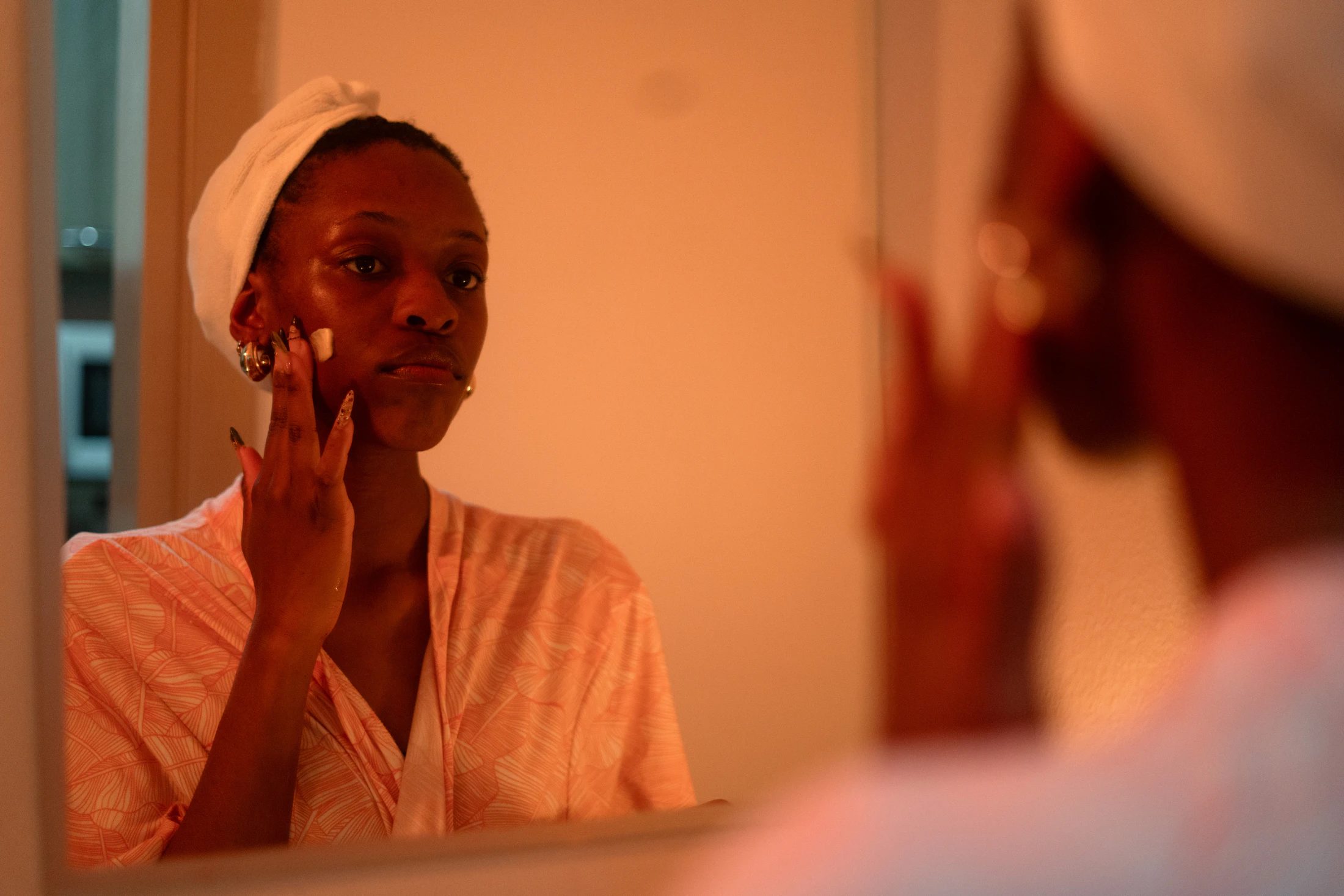
Sunscreen on brown skin without the grey cast: shop for protection and finish
Nadia Shah · 25 Oct 2026
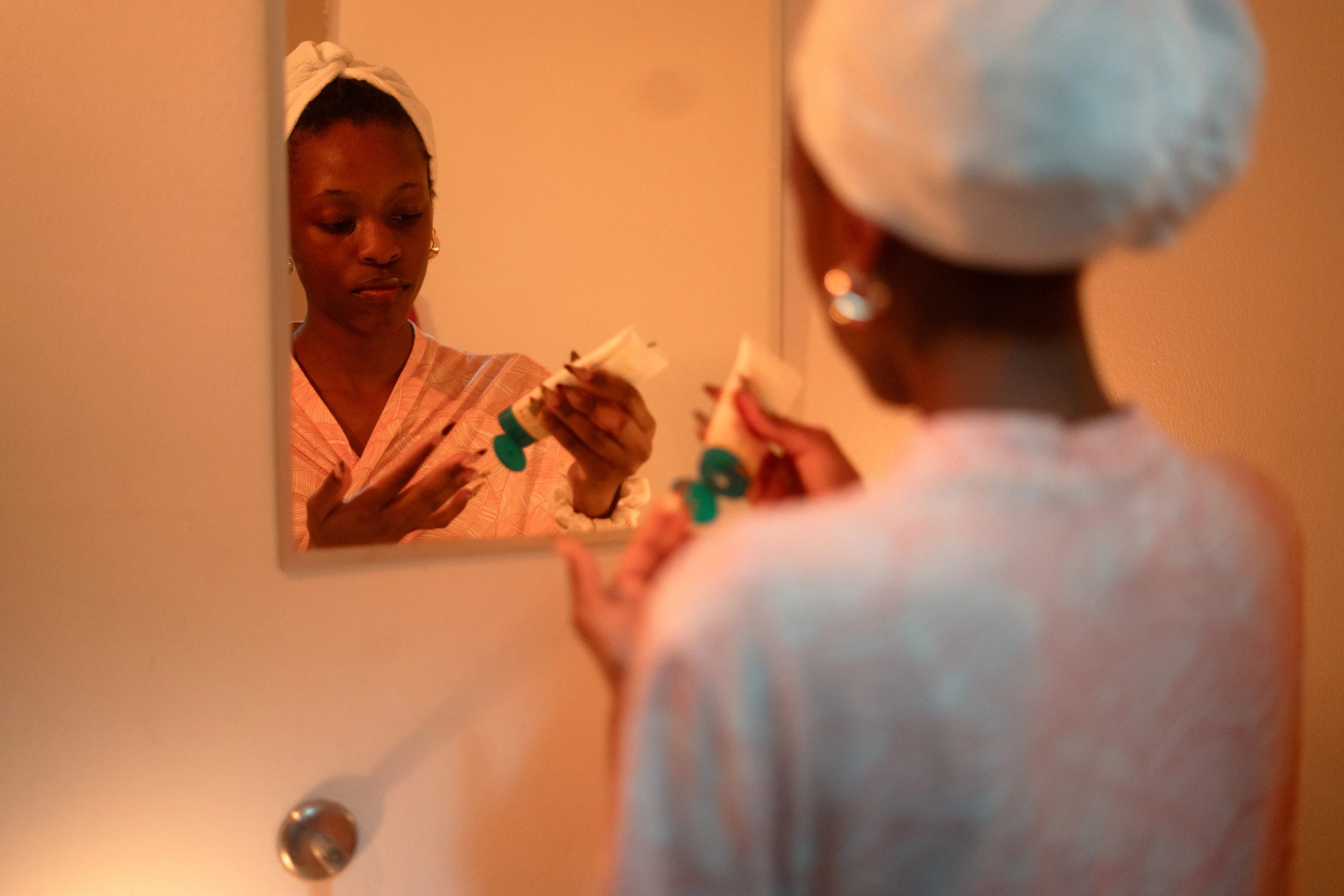
Dark marks after spots on brown skin: treat the acne and the pigment separately
Nadia Shah · 15 Oct 2026
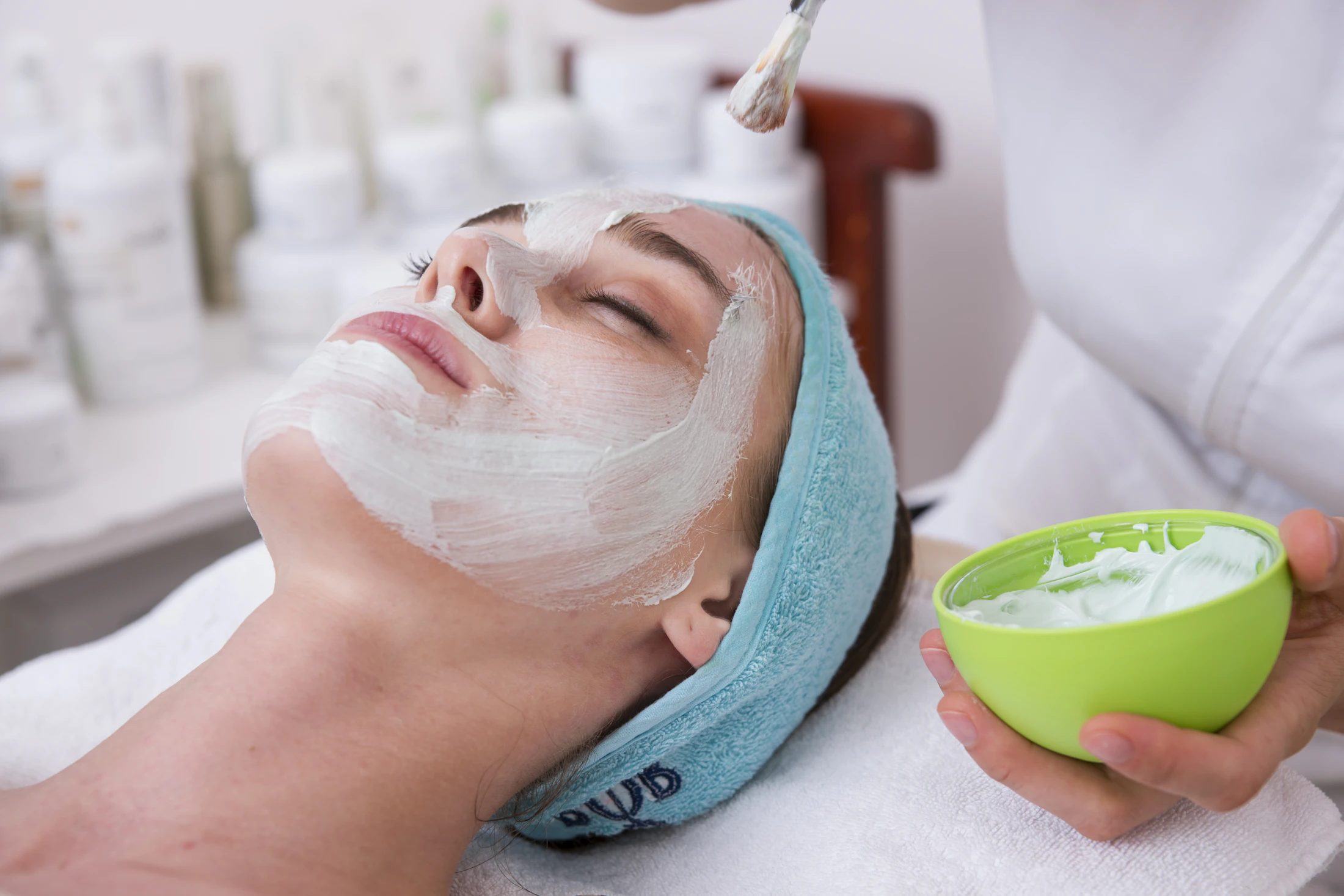
Melasma on brown skin: why aggressive brightening can make the cycle worse
Nadia Shah · 5 Oct 2026
Readers
The conversation
0 notes
Anyone can leave a note. Guests add a name and email — no account required, and the email is never published.
No notes yet. Yours would be the first.