Melasma on brown skin: why aggressive brightening can make the cycle worse
Melasma is a pigment condition, not dirt or dullness. Sun and visible light matter, irritation can worsen pigment, and treatment usually works slowly rather than through harsh peeling.
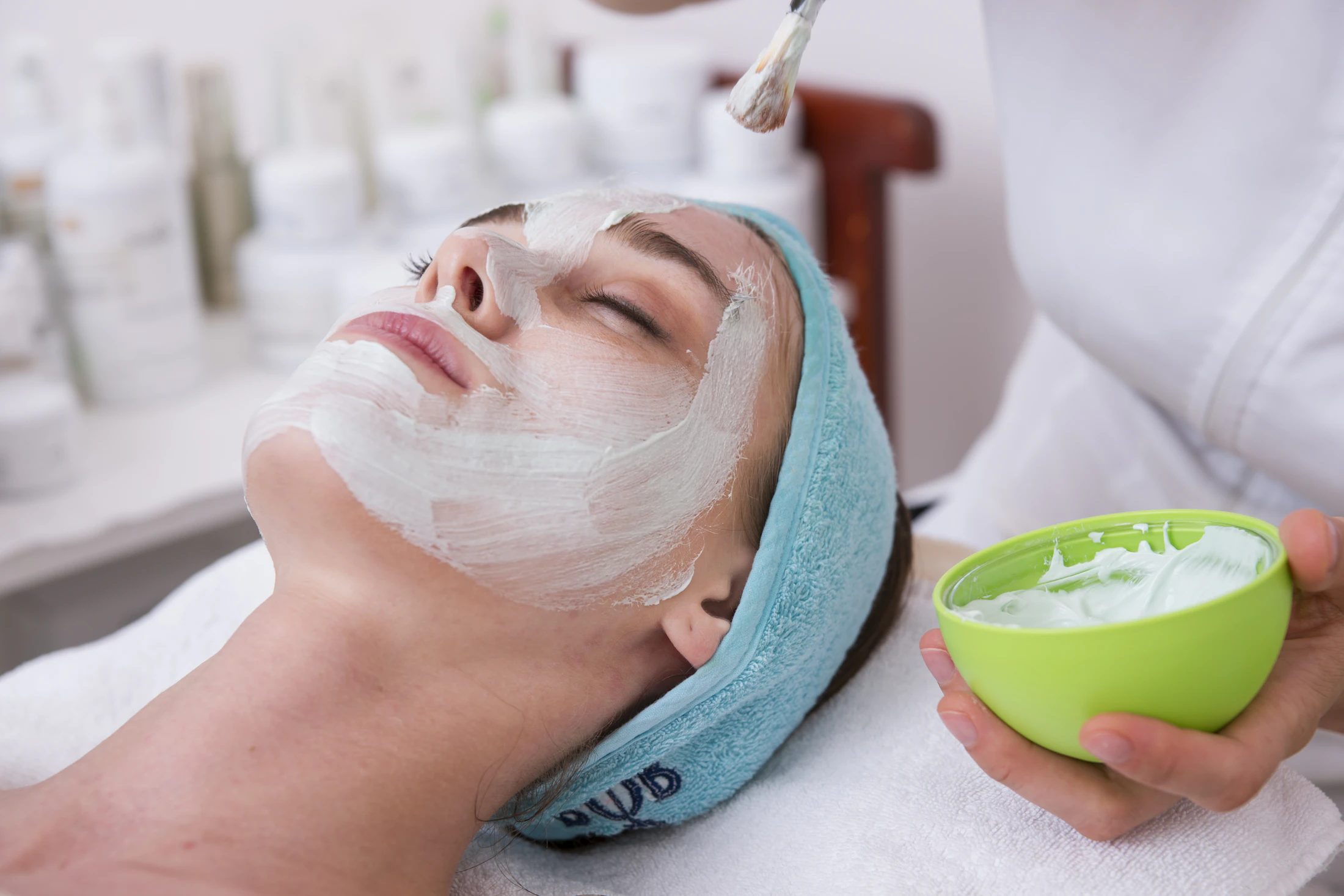
Melasma often appears as symmetrical brown or grey-brown patches on the cheeks, forehead, upper lip or jaw. On brown skin it can be especially frustrating because the treatment itself can create more pigment if it irritates the skin.
Melasma is not a cleansing problem
Scrubs, lemon, bleaching soaps and repeated peels do not remove pigment because the skin is “dirty”. Friction and inflammation can make uneven colour more noticeable.
Light protection is the daily foundation
Dermatologists recommend broad-spectrum sun protection as part of melasma treatment. Tinted sunscreens containing iron oxides can be useful because visible light may also contribute to pigmentation in some people.
Hats and shade matter too. A routine that only works while you stay indoors is not a realistic routine.
Treatment takes months, not a weekend
Dermatologists may use hydroquinone, azelaic acid, retinoids, tranexamic acid or combination prescriptions depending on the person. Some of these are not appropriate during pregnancy or for every medical history.
Do not copy a prescription-strength routine from social media. The correct ingredient at the wrong strength can still inflame skin.
Pregnancy and hormones can be relevant
Melasma can be associated with pregnancy and hormonal changes, although not every case has an obvious trigger. If you are pregnant, breastfeeding or planning pregnancy, discuss treatment choices with a clinician because common pigment ingredients may need to be avoided.
Procedures need someone experienced with darker skin
Chemical peels, lasers and other procedures can help selected patients, but darker skin has a higher risk of post-inflammatory pigmentation when treatments are too aggressive. Ask specifically about experience treating your skin tone.
Stop measuring progress every morning
Take monthly photographs in the same light rather than studying the mirror after every application. Pigment changes slowly, and daily inspection encourages unnecessary product switching.
A successful melasma plan is usually repetitive rather than dramatic: protect from light, minimise irritation, use a treatment you can tolerate and give it enough time to show whether it is helping.
Makeup can be part of treatment life, not a treatment failure
Camouflage products and tinted sunscreen can make melasma easier to live with while medical treatment works slowly. There is no requirement to show untreated pigment in order to be “accepting” of your skin.
Choose products that remove gently at night. Scrubbing off long-wear makeup can create the irritation a pigment-sensitive routine is trying to avoid.
Begin with a clear baseline: Melasma on brown skin
For melasma brown skin treatment, describe the current concern before changing the routine: where it appears, how long it has been present, what it feels like and what products are already used. Photographs in consistent light can help with gradual changes in pigment, flakes or hair density.
Build a calm escalation plan: Melasma on brown skin
For melasma brown skin treatment, patience should not mean passivity. It means giving a suitable plan enough time while staying alert to signs that a different kind of help is needed.

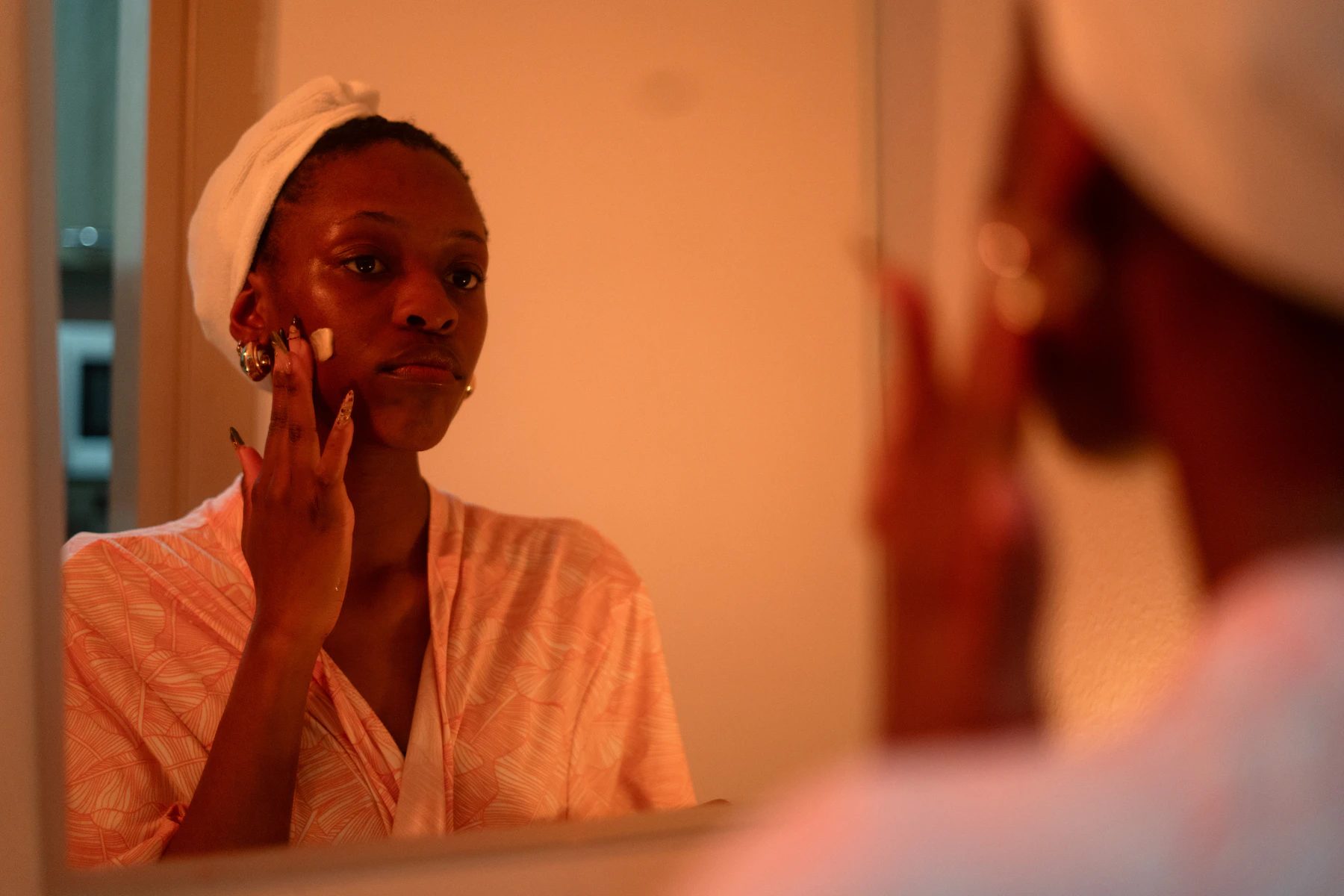
A practical way to use this guide: Melasma on brown skin
With melasma brown skin treatment as the focus, Save the small details that will be difficult to reconstruct later: measurements, ingredient ratios, product names, family decisions, alteration notes or care instructions. A short record turns the next attempt into an improvement rather than another first try.
In practical terms for melasma brown skin treatment, Choose a reversible test where possible. Cook a half batch, wear the shoes at home, try one skincare change or ask one clear family question. Low-cost tests produce better information than making a large commitment because the first answer sounded confident.
What to review after the first attempt: Melasma on brown skin
Applied specifically to melasma on brown skin, Ask what worked, what created friction and what information you wish you had known earlier. Change one or two variables rather than rebuilding the whole plan. This keeps the useful parts and makes the next version easier.
For a reader working through melasma on brown skin, The strongest PakStyles advice is meant to reduce uncertainty, not create another standard people have to perform. Use the framework, keep the parts that fit your household and update the rest when your circumstances change.
One final editorial note: Melasma on brown skin
Melasma on brown skin: why aggressive brightening can make the cycle worse is most useful when treated as a framework rather than a rigid instruction. Recheck current rules, health advice or product directions where they matter, and keep your own notes about what worked. The extra few minutes spent documenting the result usually save far more time the next time the same decision appears.
Questions to take to a pharmacist, GP or dermatologist: Melasma on brown skin
For melasma on brown skin in particular, Bring the timeline, photographs, product list and the main thing you want help with. Ask what the likely diagnosis is, which ingredients should be stopped, how long treatment normally needs before review and what signs would mean you should return sooner.
A final reader check: Melasma on brown skin
Before acting on melasma on brown skin, re-read the step that carries the most cost or risk and confirm it still fits your circumstances. Keep the original source, receipt, measurements or notes where relevant, and choose the reversible option when uncertainty remains.
High-quality guidance should make the next decision calmer. If the article leaves you with one clear next action and a sensible fallback, it has done more useful work than a longer list of rules.
Build the routine around pigment stability
Melasma tends to reward consistency more than aggression. A routine that causes repeated stinging, peeling or inflammation can be counterproductive on skin that is already prone to post-inflammatory hyperpigmentation. The American Academy of Dermatology’s treatment guidance emphasises sun protection alongside prescription or clinician-guided options; that makes daily protection part of treatment rather than an optional extra.
Visible light can matter as well as UV
For some people with melasma, especially those with darker skin tones, clinicians may recommend tinted sunscreen containing iron oxides because visible light can contribute to pigmentation. That is a useful discussion to have with a dermatologist when ordinary sunscreen use is consistent but patches continue to darken. It is not a reason to buy every “brightening” product at once.
Judge one change over a realistic period
Take a baseline photograph in the same indoor or shaded daylight and compare monthly rather than daily. If several acids, retinoids and pigment treatments are introduced together, irritation and improvement become impossible to attribute. A slower sequence makes it easier to identify what helps and what the skin tolerates.
Escalate when the diagnosis is uncertain
Not every brown facial patch is melasma. New, one-sided, rapidly changing or symptomatic pigmentation deserves assessment, and prescription treatment should be chosen with pregnancy, breastfeeding, medicines and skin sensitivity in mind. The aim is not to bleach normal skin; it is to reduce unwanted uneven pigment while protecting the barrier around it.
Build a routine that you can still tolerate in three months
A melasma plan that looks powerful on paper but causes repeated burning, flaking or inflammation is difficult to sustain and can create more visible unevenness. Keep the basic routine stable—gentle cleansing, moisturiser where needed and consistent light protection—then introduce one treatment change at a time. That gives both the skin and the person using the routine a chance to show what is helping.
When comparing photographs, use similar lighting, angle and camera distance. Bathroom lighting one day and direct sun the next can make pigment appear to change more than it has. Monthly comparison is usually more informative than inspecting the same patch every morning.
Know what deserves a dermatology conversation
Persistent facial pigmentation that is distressing, changing unexpectedly or not responding to sensible first-line care is a reasonable reason to see a clinician. Prescription options and procedures can be useful, but darker skin deserves someone who understands the risk of post-inflammatory pigment after irritation. Pregnancy, breastfeeding and medication history can also change which treatments are appropriate. The goal is controlled improvement with the surrounding skin intact, not the fastest possible peeling or lightening reaction.
One last way to test the advice: Melasma on brown skin
With melasma on brown skin, change one variable at a time and keep the rest of the routine boring enough to judge. A photograph, short note or simple before-and-after comparison is more useful than relying on memory after several products or techniques have changed together. Comfort and tolerability are part of the result, not side issues.
For melasma on brown skin, stop escalating when irritation, pain, swelling, persistent rash or another unexpected symptom appears. Cosmetic goals do not justify repeatedly provoking the skin or scalp. If the problem is worsening, scarring, affecting hair growth or simply not behaving like the condition described here, move from self-care to appropriate professional advice rather than buying a stronger version of the same idea.
Sources and official profiles
Was this helpful?
Keep reading
Related stories
More from this desk, this beat, and the tags on this piece.



Hard water and hair in the UK: fix the buildup before blaming your texture
Nadia Shah · 1 Oct 2026


Readers
The conversation
0 notes
Anyone can leave a note. Guests add a name and email — no account required, and the email is never published.
No notes yet. Yours would be the first.