Saeed Ghani, the pharmacy SPF, and the fairness wall
What to repurchase at Saeed Ghani and a real pharmacy—and why fairness creams belong in a safety sentence, not a beauty roundup.
The first wall in too many Pakistani pharmacies is still a lecture: lighter, brighter, a new face in seven nights. The interesting shelf is next to that noise—herbal counters people repurchase from, and pharmacy sunscreens that can be bought again in June. A generation that grew up on fairness advertising often wants even tone and comfort without a colour sermon. Humidity is the brief. Barrier care is the method. A “new face” is not a retail category this desk will endorse.
This article separates what to repurchase at a house like Saeed Ghani and at a real pharmacy from the fairness wall that still needs a public-health sentence, not a beauty roundup.
The fairness wall is still the first wall
Walk a chemist on a busy Karachi road or a mall corridor in Gulberg and lighting still favours old promises: jars that imply a shade, serums that imply a week. Staff on commission may point there first because margin and billboard history point there. This desk will not test those products as if they were ordinary moisturisers.
Unsupervised strong actives, hydroquinone at strengths nobody should guess from a vague label, and mercury in products that still find markets are harm problems. The US FDA has warned consumers about skin products containing mercury and/or hydroquinone in fraudulent or dangerous cosmetics contexts. That is regulation and safety language, not a glow tip. If a label promises a transformed face on a beauty timetable, treat it as a warning. Ask a clinician, not only a beauty adviser.
What Saeed Ghani is actually for
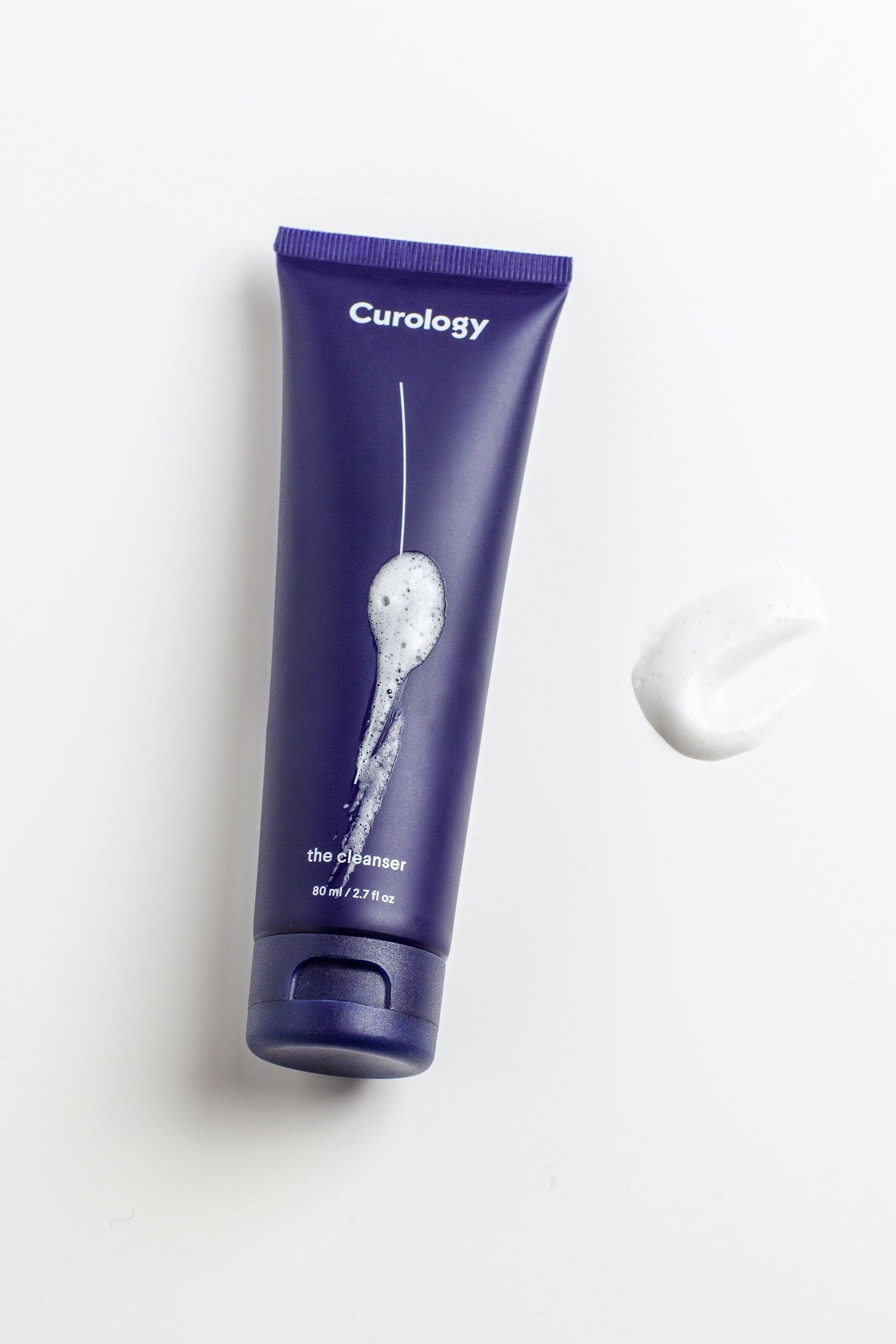
Saeed Ghani is a Karachi herbal house known for soaps, oils, rose water, and ubtan-style products that many households finish and repurchase. That repurchase test matters more than a French pharmacy fantasy. Useful buys are usually the simple ones: a rose water splash after a dusty commute, a soap that does not leave the face tight, an oil used as oil on a dry night—not as a personality.
The mistake is treating a herbal counter as automatically innocent and an imported bottle as automatically scientific. Both can strip. Both can sit. A traditional scrub used every morning in Karachi humidity is still exfoliation. A “natural” paste that stings is still a sting. Use the house for finishable basics that match a bathroom without a ring light. If skin is inflamed, you are closer to a clinic problem than a catalogue problem.
Pharmacy SPF you will actually repurchase
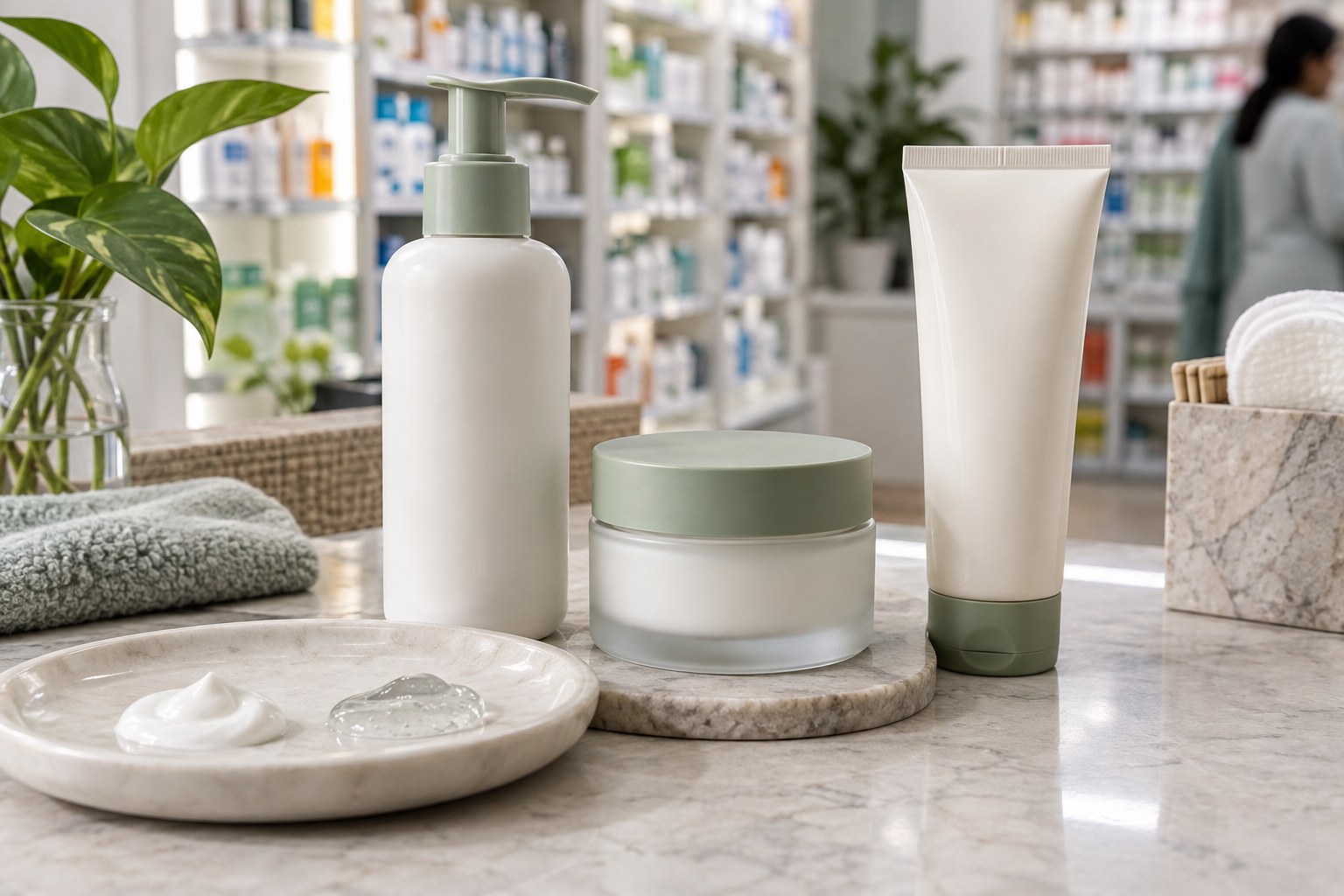
Imported SPF that costs a dinner and pills under every foundation is not a public-health plan. The bottles that leave Pakistani pharmacies through summer are the ones a person can buy again. Look for a broad-spectrum claim, a gel or fluid you will wear on a sweaty morning, and a price that does not require a family meeting. Thick creams that slide into the eyes on a motorbike will not be reapplied. A 7am layer does not cover a 3pm outdoor errand.
If a product stings persistently, stop. Stinging is not “working.” Keep bottles out of the hottest bathroom shelf when you can. Buy a size you will finish. Put sunscreen on before makeup, not as a prayer after you have already left. Read past front-of-pack glow language. Ultraviolet protection is the job. Complexion theatre is not.
| Shelf | Useful job | Leave on the wall |
|---|---|---|
| Herbal counter basics | Soap, rose water, simple oil you will finish | Shade lectures dressed as “herbal glow” |
| Pharmacy sunscreen | Broad-spectrum, wearable texture, repurchase price | “Protection” that is still a fairness story |
| Moisturiser | Barrier comfort in your actual city humidity | Miracle jars that promise a new face |
| Actives / treatment | Clinician-guided when skin is inflamed | Self-dosed steroid or mystery lightening creams |
Read the back of the bottle
The front of a Pakistani jar is often a story. The back is a list. You do not need to become a chemist. You do need to notice steroids, hydroquinone, mercury warnings in news and regulator language, and promises that do not belong on a casual beauty shelf. Splurge, if you splurge, on a moisturiser you will use twice a day in this weather. Do not splurge on a lecture.
Karachi humidity makes rich night creams feel like a costume by mid-morning for many faces; a lighter cream or gel-cream is more likely to be worn. Lahore’s dry heat and an Islamabad winter can justify a thicker jar. Copying a routine filmed for a European January is how barriers end up back at the chemist.
A breakout is not a moral event
Fairness culture taught a generation that a mark is a failure and a flare is a secret. Skin is an organ. Organs flare. Heat, steroid rebound, a new product, a wedding week of makeup, hormonal cycles—the list is long and mostly ordinary. Treat ordinary causes with ordinary methods: simplify if you have been stripping; see a clinician if breakouts are cystic, sudden, or painful. Not another acid because a reel said pores were a character flaw.
This is not medical diagnosis and not a treatment plan. It is a shopping and culture boundary: keep the fairness wall out of the basket, keep sunscreen in it, and keep shame out of a face that has to live in this heat.
A short repurchase list
- One wearable broad-spectrum sunscreen you can buy again this month.
- One moisturiser that survives your commute without pilling or burning.
- One simple herbal-counter staple you already finish, bought for use rather than identity.
- Zero products whose primary promise is a new shade of person.
Buy the sunscreen. Buy the moisturiser you will finish. Read the back of the bottle. Skip the wall that wants a new face. Skin is an organ. Treat it like one, in this humidity, without a sermon.
Children, teens, and the wall’s soft pressure
Fairness advertising does not only target adults. Teenagers hear the same lecture in weaker packaging: “glow,” “bright,” “clear” used as code. Adults buying for a household should refuse to normalise shade anxiety as skincare. Sunscreen, gentle cleansing, and moisturiser are enough of a starter kit for most young skin; anything stronger belongs in a clinical conversation, especially if a school or college schedule already means sweat, dust, and interrupted sleep.
Do not police a child’s face with before-and-after photography. Do not gift lightening creams as care. Care looks like shade, water, sleep, and a refusal to make skin a moral scoreboard.
When to stop shopping and seek care
Seek a qualified clinician if you have sudden rashes, painful cystic breakouts, eye swelling, open wounds from products, or any suspicion you have used a cream that burned or bleached unevenly. Bring the tube. Photograph the label. Online forums are not a substitute for examination. PakStyles can help you refuse a bad shelf; it cannot diagnose your skin.
A calm pharmacy conversation about sunscreen textures is useful. A commission-driven push toward a fairness kit is not. You can leave. The wall will still be there tomorrow. Your face does not have to finance it.
Makeup days and the sunscreen gap
Wedding weeks destroy routines. Makeup sits longer, sleep shortens, and people skip sunscreen because “the event is indoors.” Indoor windows and late outdoor farewell photographs still deliver ultraviolet exposure. A wearable gel under makeup is more useful than a perfect theoretical SPF that never leaves the fridge. Reapplication over makeup is imperfect; the morning layer still matters.
Remove makeup with a method your skin tolerates. Stripping oils followed by harsh scrubs recreate the barrier damage that sends people back to miracle jars. Simple cleansing and moisturiser after a long event is not glamorous. It is how faces recover without a fairness story.
Men at the same wall
Men are not exempt from fairness marketing or from sun damage. Motorbike commutes burn jaws and necks. Pharmacy sunscreen in a non-greasy texture is not “cosmetic” in a trivial sense; it is skin protection. Herbal soaps and aftershaves that sting open nicks are still irritation. The same rule applies: read the back, refuse shade lectures, repurchase what you will use.
Humidity, sweat, and product texture
Karachi sweat will defeat a sunscreen you hate wearing. Lahore dust will sit on a sticky cream and feel like failure by noon. Texture is adherence. Gel and fluid formats earn repurchase in humid months because people actually reapply. A “perfect” cream that lives unused under the sink protects nothing. Match the product to the body’s willingness, not to an influencer’s bathroom shelf.
Store products away from the hottest shelf above a steamy shower when you can. Heat ages emulsions. A ruined bottle that separates or smells sharp should be retired rather than forced onto a face already dealing with the city’s weather.
Taken together, the practical test for this subject is whether a reader can act tomorrow without opening five generic pages first. If this page has done its job, the next step is specific: a purchase, a route choice, a refusal, or a habit change—not another round of vague inspiration.
Sources and official profiles
Was this helpful?
Keep reading
Related stories
More from this desk, this beat, and the tags on this piece.
Sunscreen on brown skin without the grey cast: shop for protection and finish
Nadia Shah · 25 Oct 2026
Dark marks after spots on brown skin: treat the acne and the pigment separately
Nadia Shah · 15 Oct 2026
Melasma on brown skin: why aggressive brightening can make the cycle worse
Nadia Shah · 5 Oct 2026

Readers
The conversation
0 notes
Anyone can leave a note. Guests add a name and email — no account required, and the email is never published.
No notes yet. Yours would be the first.