Pakistani capsule wardrobe for British weather
A compact Pakistani wardrobe designed for rain, overheated interiors, commuting and repeat wear across a British year.

British weather does not require four separate Pakistani wardrobes. It requires clothes that can lose a layer on a warm train, survive a wet pavement and return to work after drying indoors. Build the capsule around a small set of working pieces, then let colour and jewellery change the sentence.
The UK’s damp cold differs from dry continental cold. Rain, wind and overheated interiors matter as much as the outdoor thermometer. Hems, coat length, opacity under grey daylight and washability therefore sit at the centre of a Pakistani capsule in Britain.
The eight-piece rail
- Two straight or gently A-line kurtas: one dark, one lighter, both with sleeves that fit beneath a coat.
- One washable printed kurta that disguises an ordinary commute.
- Two trousers: a narrow straight pair and a roomier shalwar or wide leg.
- One knitted waistcoat or sleeveless layer that adds warmth without crowding the armhole.
- One opaque, low-maintenance dupatta and one lighter occasion dupatta.
Choose a shared colour family so every lower works with every kurta. Navy, charcoal, olive, chocolate and ecru are useful anchors, but the principle matters more than the palette. Before buying, make three outfits with the new piece and garments already owned. If you cannot make three, you are collecting, not building a capsule.
Rain changes hems, not identity
Keep everyday trousers clear of the ground and reserve farshi lengths for controlled settings. A long kameez under a short waterproof coat channels rain towards the hem; either choose a longer outer layer or accept a shorter tunic on wet days. Test pale fabric against window light because winter backlighting can expose what a fitting-room mirror hides.
Shoe strategy is part of the capsule. A walking shoe for wet streets and a cleaner shoe for the office floor prevents destroying embroidered khussas in January grit. Keep a foldable bag for the swap if you commute by train.
Indoor heat is a clothing problem
British interiors in winter are often warmer than the street requires. Layers you can remove without undressing in public matter: waistcoat, cardigan, dupatta, fine knit. A single heavy synthetic layer may feel protective outdoors and exhausting on the Underground. Breathable cotton, wool blends and carefully chosen lawn for milder months usually outperform sealed polyester labelled as warmth.
| Condition | Adjust | Avoid |
|---|---|---|
| Wet commute | Hem clearance, longer coat, washable kurta | Trailing borders, pale suede shoes |
| Overheated office | Removable waistcoat, lighter base | One sealed synthetic layer |
| Grey daylight | Texture, mid-tones, verified opacity | Assuming boutique lighting equals street lighting |
| Weekend visit | One brighter dupatta over work bases | Buying a whole new suit for tea |
Washability earns space
Read fibre and care labels. UK guidance on textile fibre labelling exists so composition can be checked at purchase; care symbols and written instructions still decide whether a piece can handle weekly life. Prefer at least half the capsule to survive a gentle home wash. Rotate dry-clean-only pieces so they do not monopolise the rail for ordinary Tuesdays.
Stain reality for diaspora kitchens and commute coffee is decisive. A printed washable kurta often earns more wear than a pale luxury pret piece that fears turmeric and biro. Keep a small stain cloth in the work bag anyway.
Work, mosque and dinner without three wardrobes
Use proportion changes rather than total outfit changes. Monday’s solid kurta becomes Thursday’s evening look under a different dupatta and earring. A waistcoat can move a casual print toward meeting seriousness. Keep one bag that fits both a laptop and a folded dupatta if that is your real day.
For mosque visits straight from work, keep a clean opaque scarf in the work bag already folded, not discovered crushed under gym kit. Opacity and sleeve length should already be office-acceptable if that transition is common in your week.
Seasonal swaps, not seasonal reinvention
Summer additions might be two lighter kurtas and a breathable trouser. Winter additions might be a longer coat-compatible tunic and a warmer knit layer. Store off-season pieces clean and dry. Moth risk is real for wool blends; airtight neglect and damp cupboards both cause damage.
Jewellery in a British capsule should favour pieces that survive coats and scarves: secure earrings, short necklaces that do not fight zippers, bangles you can remove for wet commuting. Save statement sets for weekends.
Shopping rules that protect the rail
- No new kurta unless it works with both existing trousers.
- No trailing everyday hem unless you have a coat plan.
- No special piece that cannot be cleaned by a method you will actually use.
Once a season, photograph the rail and retire what has not been worn. Space is part of function in small UK flats. A shorter rail of pieces that enter rain, trains and rooms calmly will outperform a crowded rail of unworn occasionwear.
The successful capsule is not visually minimal. It is a wardrobe in which Monday’s dupatta can become Thursday’s colour story without another parcel arriving. British weather will keep testing hems and layers; build clothes that expect that test rather than resenting it.
If you are building from scratch on a budget, buy the dark kurta, straight trouser, walking shoes and opaque dupatta first. Add print and occasion layers only after those four are earning weekly wear. Capsule logic is sequence, not austerity theatre.
Building the capsule in a small UK flat
Wardrobe space in many British homes is limited. A capsule that cannot hang without crushing embroidery will not stay wearable. Give structured pieces breathing room. Soft washable kurtas can fold; heavily worked pieces should hang. Use cedar or lavender only in ways that do not stain pale cloth, and keep leather shoes away from wet umbrellas in the same cupboard.
Laundry logistics belong in the design. If your building has a shared machine schedule, prefer fabrics that can wait overnight without smelling sour. If you use a local cleaner, choose one that has handled South Asian formalwear before and describe embellishment honestly. A capsule fails when cleaning becomes so expensive or slow that half the rail is permanently “waiting.”
Seasonal storage under the bed only works if pieces go away clean and completely dry. Damp wool blends and sealed plastic are how moths and mildew win. Label boxes by season and fabric type so you are not unpacking everything to find one waistcoat in October.
Colour, diaspora offices and British light
Grey daylight makes some pinks chalky and some navies nearly black. Texture helps: raw silk, fine herringbone-type weaves, subtle embroidery tone-on-tone. If your office is conservative, keep print scale controlled and let colour live in the dupatta you can remove. If your office is more open, a considered print kurta can replace the idea that personality requires five clashing accessories.
Eid and wedding pieces should not invade the weekday capsule unless they pass the coat and rain tests. A separate occasion rail of three pieces is healthier than forcing bridal tissue into a commute. The capsule’s job is repetition with dignity; the occasion rail’s job is celebration.
Review every three months. Move what you never wore. Mend loose buttons before they fail on the train. Polish shoes on Sunday evening. Capsule maintenance is ordinary domestic labour, and that is why it works when fashion motivation fades.
School runs and weekend washability
Keep a washable weekend kurta for rain and playgrounds. Repair loose buttons before replacing whole garments. When replacing, match the role on the rail.
Keep a short written brief before the next purchase: setting, movement, garments already owned, and the single addition that unlocks the most combinations. Test sitting and walking, then stop adjusting at the door.
Share hard-won fit and care lessons with people you dress beside so failures are not rediscovered the night before an event.
Record what worked under real conditions and let that record drive the next choice instead of an unverified trend claim.
Sources and official profiles
Filed under
Was this helpful?
Keep reading
Related stories
More from this desk, this beat, and the tags on this piece.

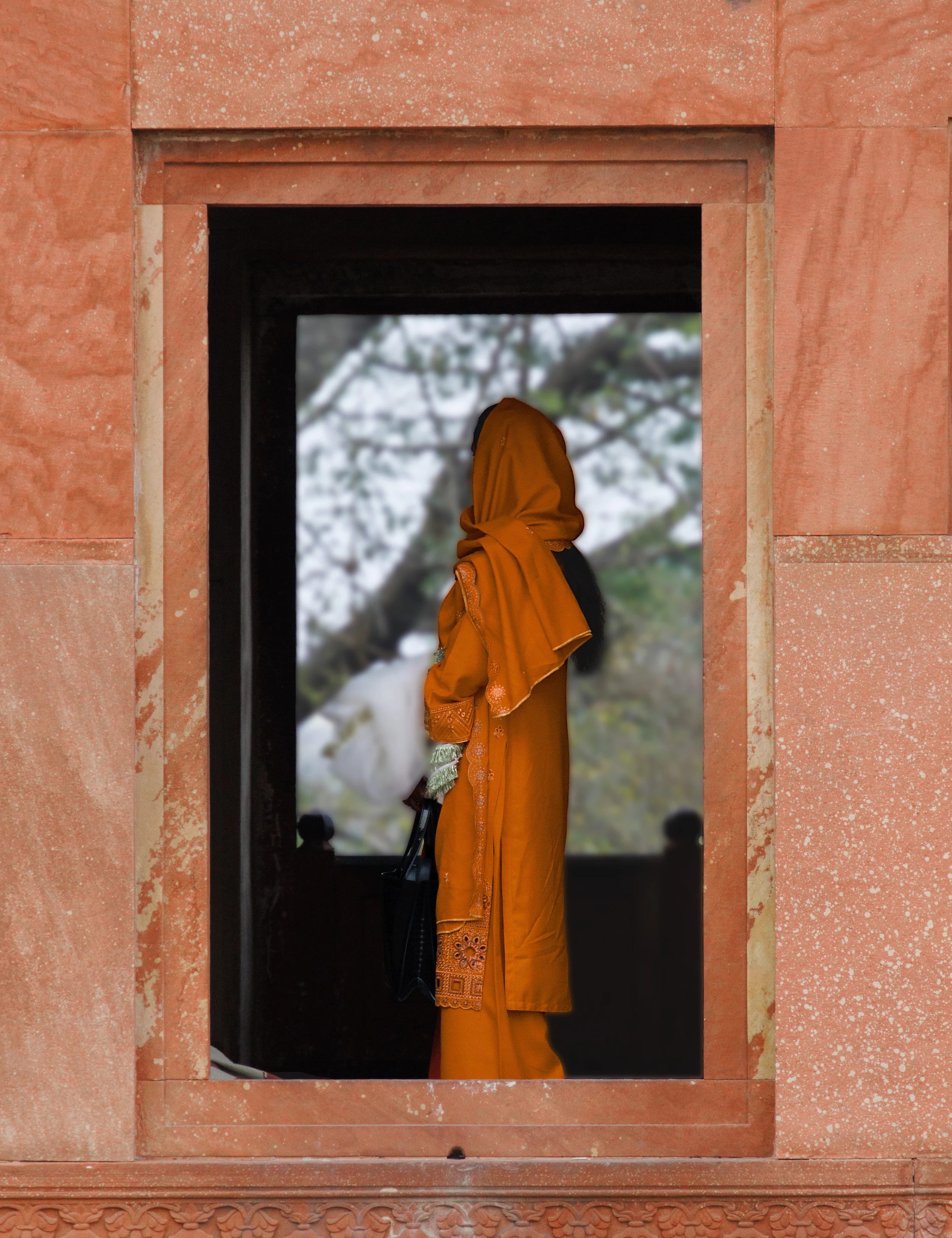
Pakistani clothes alterations in the UK: what a tailor can usually fix
Zainab Noor · 8 Oct 2026



Readers
The conversation
0 notes
Anyone can leave a note. Guests add a name and email — no account required, and the email is never published.
No notes yet. Yours would be the first.