Pakistani formalwear alterations: what can and cannot be changed
Know which Pakistani formalwear alterations are routine and which fight embroidery and structure—side seams, hems, shoulders and borders are different projects.
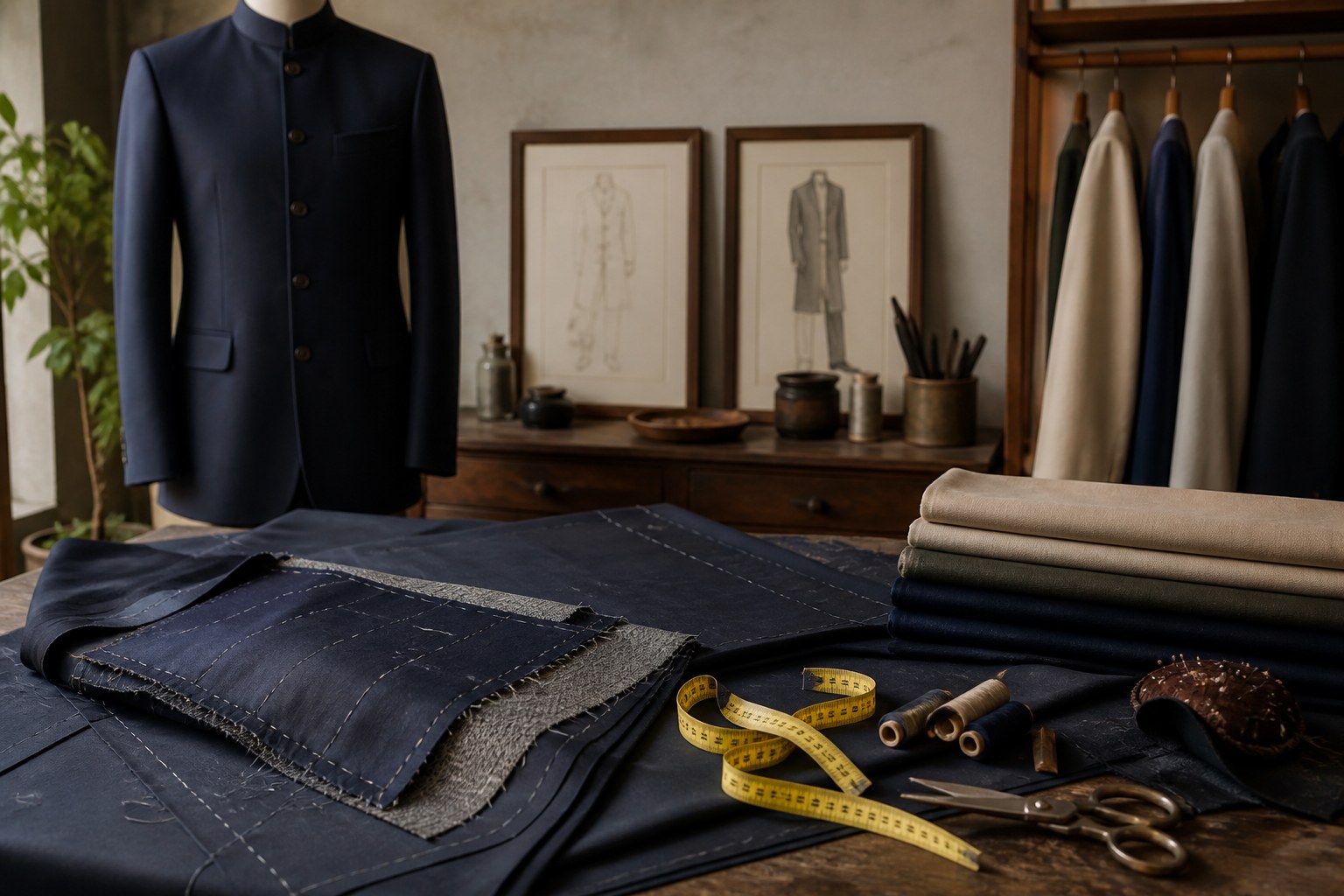
Formalwear alteration is a negotiation with seams and embellishment. A tailor can shorten a plain hem easily. Moving a hand-worked border or rebuilding an armhole is another project—with another price and another risk. Knowing the difference protects both the garment and the event date.
This reference is for anyone altering Pakistani formal or semi-formal outfits: bridal pieces, reception wear, sherwanis and heavily embroidered guest outfits. Tailors’ skills vary; treat the tables below as planning tools, not guarantees.
Side seams offer the cleanest change
Taking in or letting out side seams is the most common successful alteration when embroidery does not cross the seam allowance. Ask the tailor to open a small section and show you how much spare fabric exists. “We can always let it out” is not a measurement. Princess seams and heavily paneled fronts are harder.
Shoulders and armholes are structural
Shoulder width and armhole shape control how the garment hangs. Small tweaks are possible; major rebuilds can distort embroidery placement and sleeve pitch. Sleeves can often be shortened from the hem if the cuff is plain. Embroidered cuffs may need embroidery carefully lifted and reset—budget time and money for that skill.
| Alteration | Usually realistic | Often difficult / costly |
|---|---|---|
| Take in side seams | When spare fabric exists and embroidery clears the seam | When embroidery crosses seams |
| Shorten plain hem | Yes, with care for lining | When a wide embroidered border must move |
| Shorten embroidered border hem | Sometimes, if border can be lifted cleanly | Dense handwork with no remount plan |
| Narrow shoulders | Minor adjustments | Major reshaping on structured coats |
| Lengthen garment | Only if facing/hem allowance exists | When there is no fabric to give |
Borders make length expensive
Designers place borders where they want the eye to stop. Moving them is skilled labour. Alternatives include slight heel height changes or choosing a different piece. Do not assume a same-week border relocation on a bridal outfit; book early.
Menswear notes
Sherwani and achkan sleeves, collar stance and coat length need a standing and sitting fit. Trousers and churidar lengths should be checked with the final shoes. Structure inside the chest cannot always be “taken in” like a shirt without collapsing the shape.
Get a written list of alterations, cost and ready date. Keep the original receipt. UK general consumer orientation is available via Citizens Advice and GOV.UK consumer protection. After alteration, follow care labels; FTC care labeling materials explain why care instructions matter for many garments sold in the US.
Sources and official profiles
Was this helpful?
Keep reading
Related stories
More from this desk, this beat, and the tags on this piece.
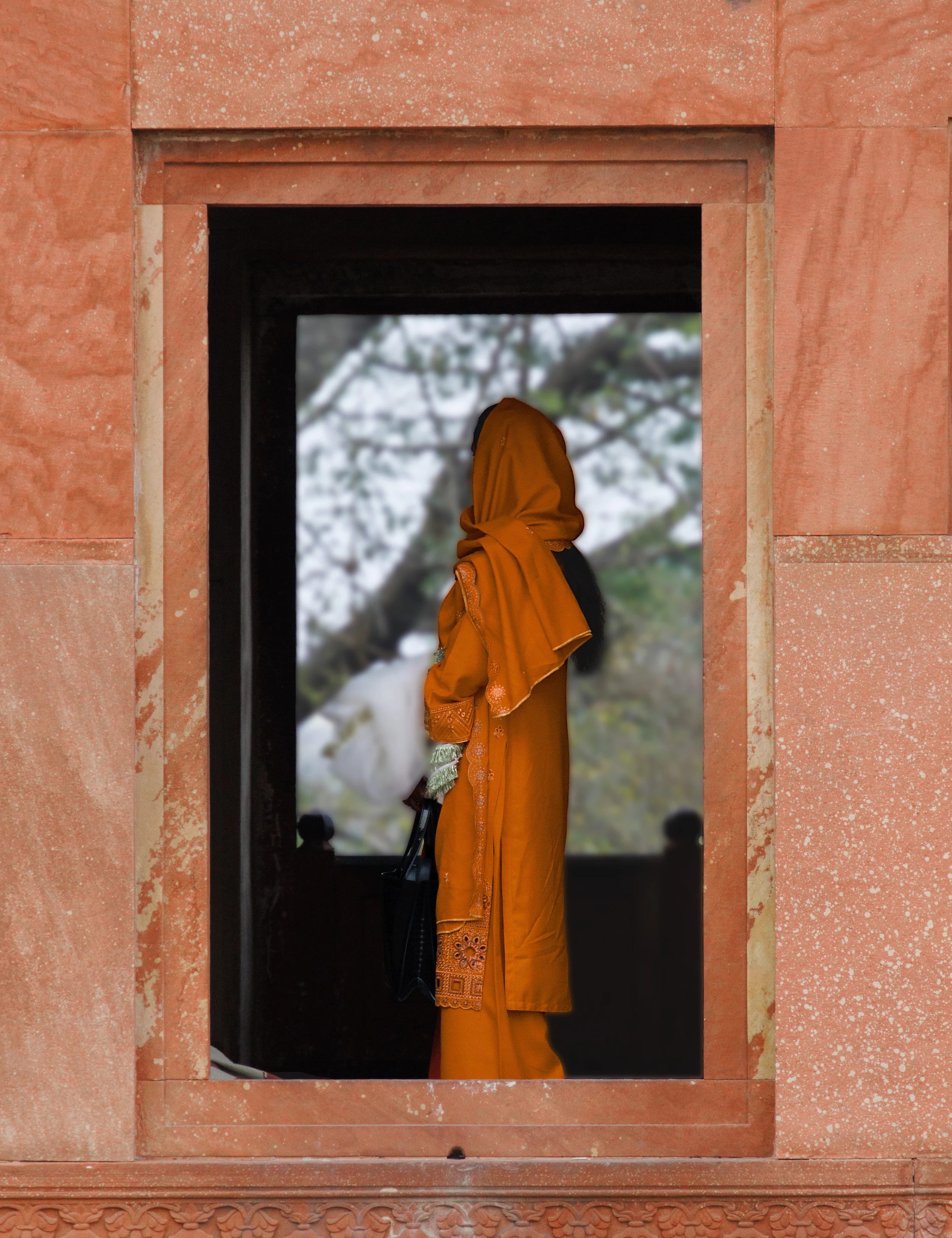
Pakistani clothes alterations in the UK: what a tailor can usually fix
Zainab Noor · 8 Oct 2026
Readers
The conversation
0 notes
Anyone can leave a note. Guests add a name and email — no account required, and the email is never published.
No notes yet. Yours would be the first.