How to style a Pakistani dupatta without constant pinning
A movement-first dupatta guide using balance, fabric behaviour and a few well-placed anchors instead of a row of visible pins.
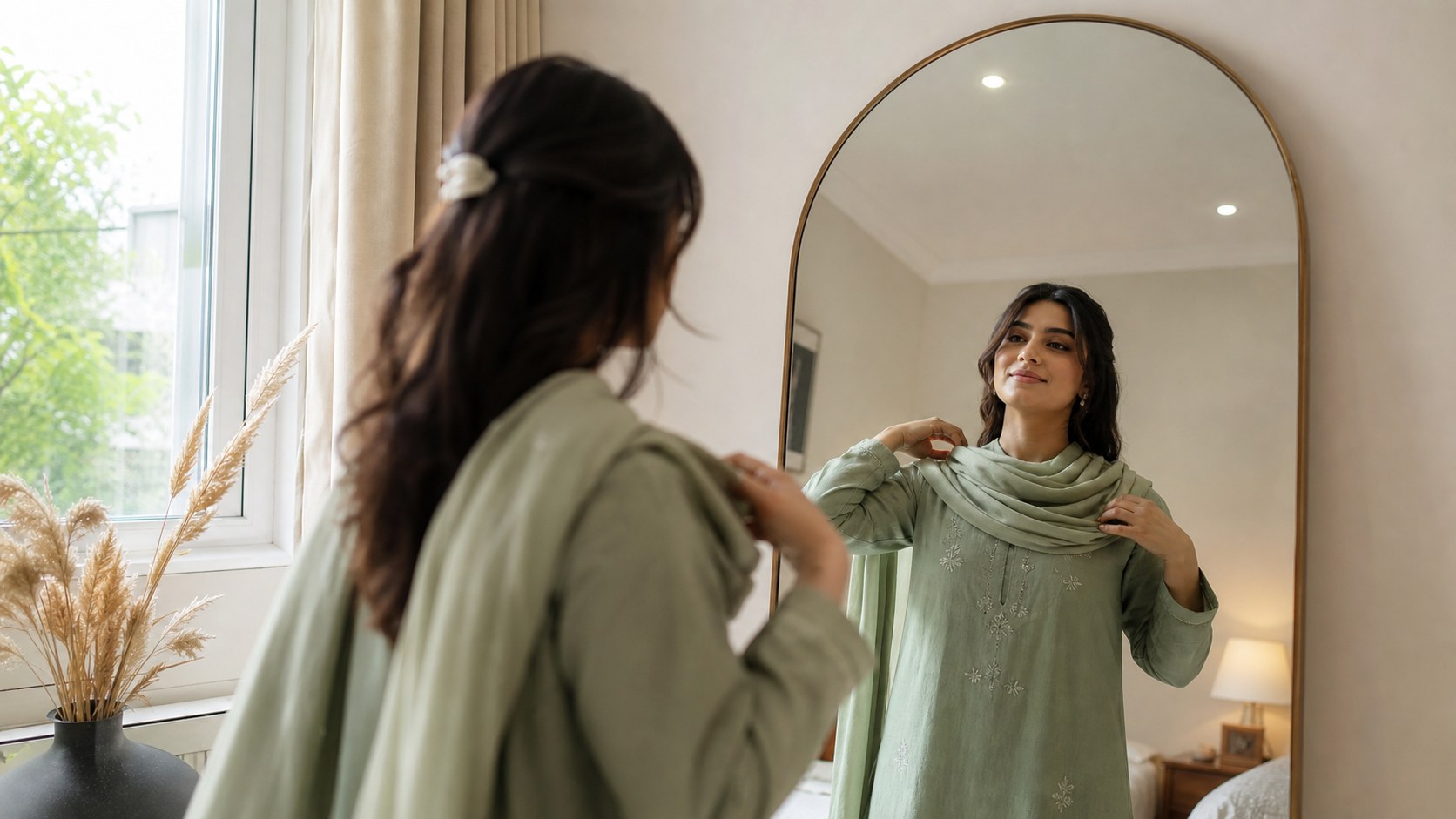
A dupatta slips when gravity has been given nothing to work with. Adding more pins often treats the symptom: the cloth is still unbalanced, so every step transfers the pull to a new point. Start by deciding what the dupatta must do - frame the neckline, cover the head, leave both hands free, show an embroidered border, or survive dancing.
Pakistani outfits often treat the dupatta as optional decoration until the moment it becomes essential: a mosque seating, a windy garden, a photograph that needs a border, a prayer space, or a family expectation. Engineering should follow the job, not the other way around.
Let the fabric tell you how much control it needs
Cotton, khaddar and lightly textured lawn usually hold a shoulder fold with little help. Chiffon and organza travel; silk can slide while still feeling heavy. Net with heavy borders behaves like a pendulum. Fold a narrow section at the shoulder instead of gathering a fistful. The flatter surface creates friction and stops a pin carrying the entire load.
Borders change everything. A light centre field with a dense border wants the border’s weight acknowledged in the drape plan. Pinning only the sheer field leaves the border free to tug the whole arrangement out of place within minutes. If the pallu is the point of the garment, design the drape around showing it without letting it swing unchecked.
Three arrangements that survive movement
- One shoulder, counterweighted: place roughly one third in front and two thirds behind. Tuck or loosely loop the rear end at the opposite wrist or forearm when you need both hands.
- Front cowl: anchor each end near the shoulder seam from inside the garment, then let the centre fall. Test depth while seated so it does not enter a plate or catch a handbag.
- Head and shoulder: establish the head curve first, then secure weight at the crown or behind the ear with a hair-safe method. The shoulder end should support the border; the scalp should not carry the full embellished length.
Work, prayer and wedding: different jobs
A work dupatta may need both hands free for a keyboard and a bag. A prayer covering needs stable head placement without constant adjustment. A wedding drape may prioritise border display for photographs. Do not force one pinning system to serve all three. Keep a plain opaque everyday dupatta and a more decorative occasion piece if your life includes both commute and ceremony.
Walk, turn, raise your arms and sit for five minutes after arranging. If the cloth tightens across the neck, redistribute it. Restraint should create freedom, not a new pressure point. Teach a trusted person your preferred arrangement for events where you cannot see your own back.
| Fabric behaviour | Likely need | Common failure |
|---|---|---|
| Textured cotton / khaddar | Minimal anchoring | Over-pinning that leaves holes |
| Silk satin | Flat shoulder fold plus one secure point | Pins holding a fistful of slippery cloth |
| Chiffon / organza | Counterweight and tested anchors | Border pendulum ignored |
| Net with heavy pallu | Hair-safe head plan or shoulder architecture | Scalp carrying embellishment weight |
Protecting embroidery while staying secure
Never drag a pin through a raised motif if the reverse shows open work or weak cloth. Use seam allowances, placket edges or a small inner stay. If a border is precious, consider discreet dress weights or a stitched channel rather than a row of visible pins down the front. A tailor can add hidden snaps at shoulder points on heavily used occasion pieces; that is craft, not cheating.
Heat and humidity loosen arrangements that felt perfect in an air-conditioned shop. Recheck after travel. Pack a tiny kit: two safety pins, one magnet clip if you use them, and a spare earring back that can double as an emergency anchor through a reinforced point.
Teaching the drape without shame
Many diaspora wearers did not grow up tying dupattas daily. There is nothing unserious about practising in front of a mirror. Record a thirty-second phone video of your best arrangement from front and back. Future you, half-dressed before a nikah, will prefer the video to a panic call.
Children watching adults wrestle pins learn that the garment is a problem. Children watching adults arrange cloth calmly learn a skill. If you are teaching a teenager, start with opaque cotton before chiffon. Celebrate a stable arrangement more than a perfect photograph taken while someone else holds the cloth off-camera.
Dupatta and jewellery collisions
Earrings catch borders. Necklaces fight cowls. Tikkas need head drapes that leave room for the chain. Arrange jewellery after the dupatta’s primary job is fixed, then edit. If both cannot coexist without constant rescue, one of them should leave the outfit. Occasions are long; collisions get louder with time.
When pinning still fails
Sometimes the kurta shoulder slope, a slippery blouse fabric or an extremely heavy border means the dupatta needs a stay stitch, hidden snaps, or a different dupatta altogether. That is a design diagnosis, not a personal failure. A lighter decorative dupatta for movement and a heavier one for entrance photographs can be a kinder plan than one impossible cloth.
A dupatta that stays in place is not less elegant for needing engineering. It is more elegant because it allows you to talk, eat and walk like a person rather than like a mannequin guarding cloth. Balance first, anchors second, visible pins last.
If you buy a new occasion set, ask whether the dupatta dimensions and border weight were designed for a specific drape. Open measurements help more than lifestyle photographs. Then rehearse in the shoes and blouse you will wear. The best pinning strategy is the one you no longer think about after the first half hour.
Seasonal fabric swaps for the same drape skill
Winter wool-blend shawls and summer chiffon dupattas are not interchangeable objects, but the balance principles transfer. Heavier winter cloth often needs less pinning and more attention to neck heat and coat clearance. Summer chiffon needs more counterweight thinking and more sweat management at the neckline. Practise both seasons rather than assuming summer skills cover December weddings.
Wind is an underrated enemy. Outdoor British nikahs, coastal US venues and open car parks can lift a perfect indoor arrangement in seconds. If wind is likely, choose a denser cloth or a closer head-and-shoulder arrangement rather than a floating single-shoulder drape marketed for still air.
Makeup and hair products also affect friction. Silicone-heavy hair oil on the shoulder can defeat a carefully folded cotton pad of cloth. Arrange hair and product first, then the dupatta, then check again after five minutes of movement.
A thirty-minute practice plan
- Decide the dupatta’s job in one sentence.
- Choose fabric-appropriate arrangement from the three basics.
- Anchor with the minimum hardware.
- Walk, sit, raise arms, turn, pretend to greet someone.
- Adjust balance before adding another pin.
- Film front and back.
- Retire any arrangement that needs rescue more than once in thirty minutes.
Repeat the plan whenever you buy a new border-heavy dupatta. Dimensions differ even within the same brand campaign. The skill is transferable; the exact pin placement is not sacred.
Mastery looks quiet. The people beside you should remember your conversation, not your ongoing negotiation with cloth. That is the point of learning to style a Pakistani dupatta without constant pinning.
Dupatta storage and travel
Fold decorative dupattas with tissue at hard embroidery lines, or hang them if space allows. Do not crush a heavy border under jeans in a suitcase. On arrival, hang and steam before pinning experiments. Travel creases change how cloth grips the shoulder; what worked at home may need a fresh balance after a flight.
Keep spare pins in a small tin so they do not migrate into embroidery. Magnets should be stored closed so they do not clamp metal thread unexpectedly. These dull habits prevent glamorous failures.
If a dupatta is borrowed, photograph it before and after the event and return it personally. Borrowed cloth deserves the same engineering care as owned cloth, plus clearer accountability.
Keep a short written brief before the next purchase: setting, movement, garments already owned, and the single addition that unlocks the most combinations. Test sitting and walking, then stop adjusting at the door.
Share hard-won fit and care lessons with people you dress beside so failures are not rediscovered the night before an event.
Record what worked under real conditions and let that record drive the next choice instead of an unverified trend claim.
Filed under
Was this helpful?
Keep reading
Related stories
More from this desk, this beat, and the tags on this piece.
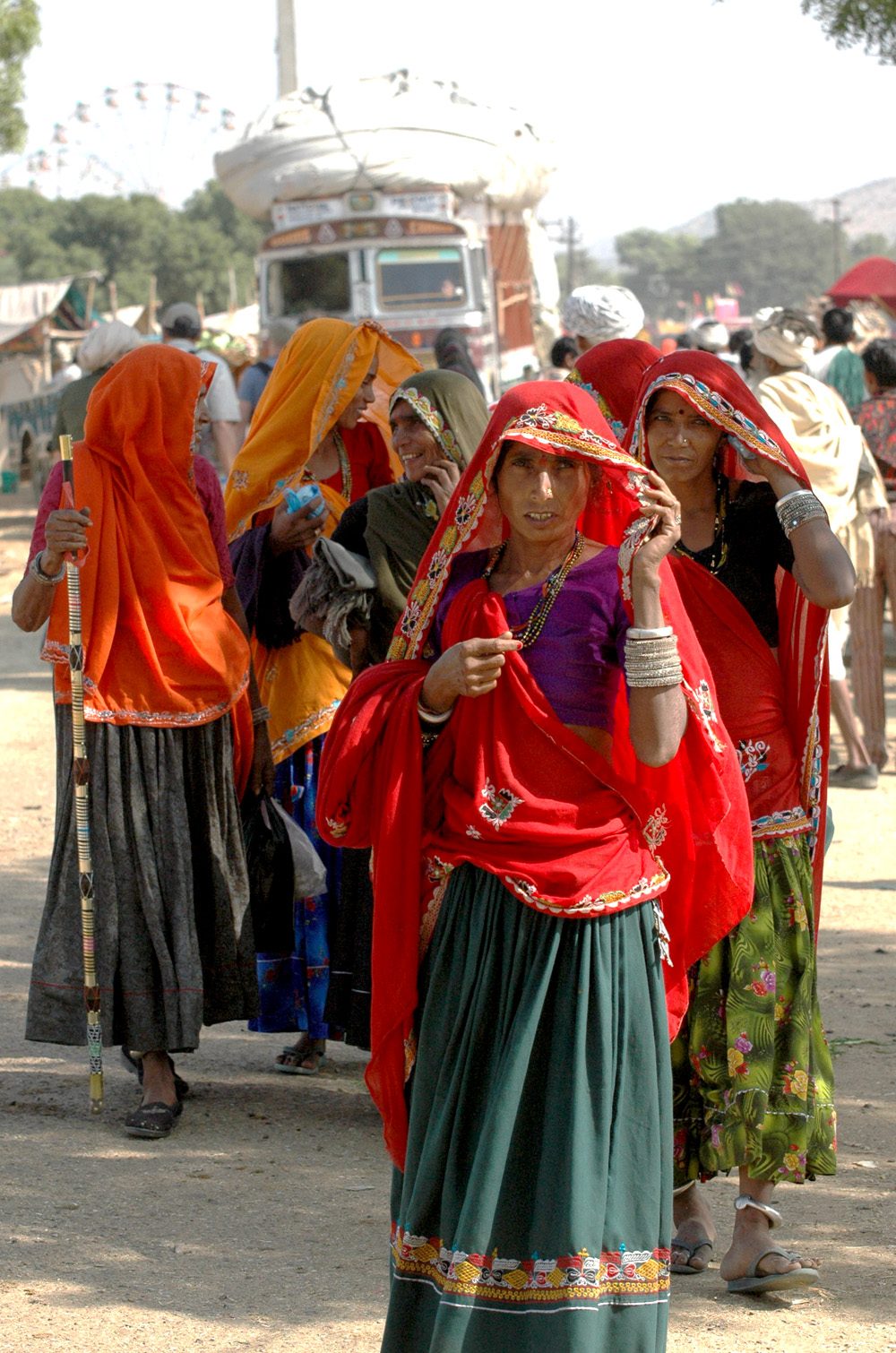
Chiffon, organza, georgette or voile: which dupatta fabric behaves how
Zainab Noor · 17 Oct 2026
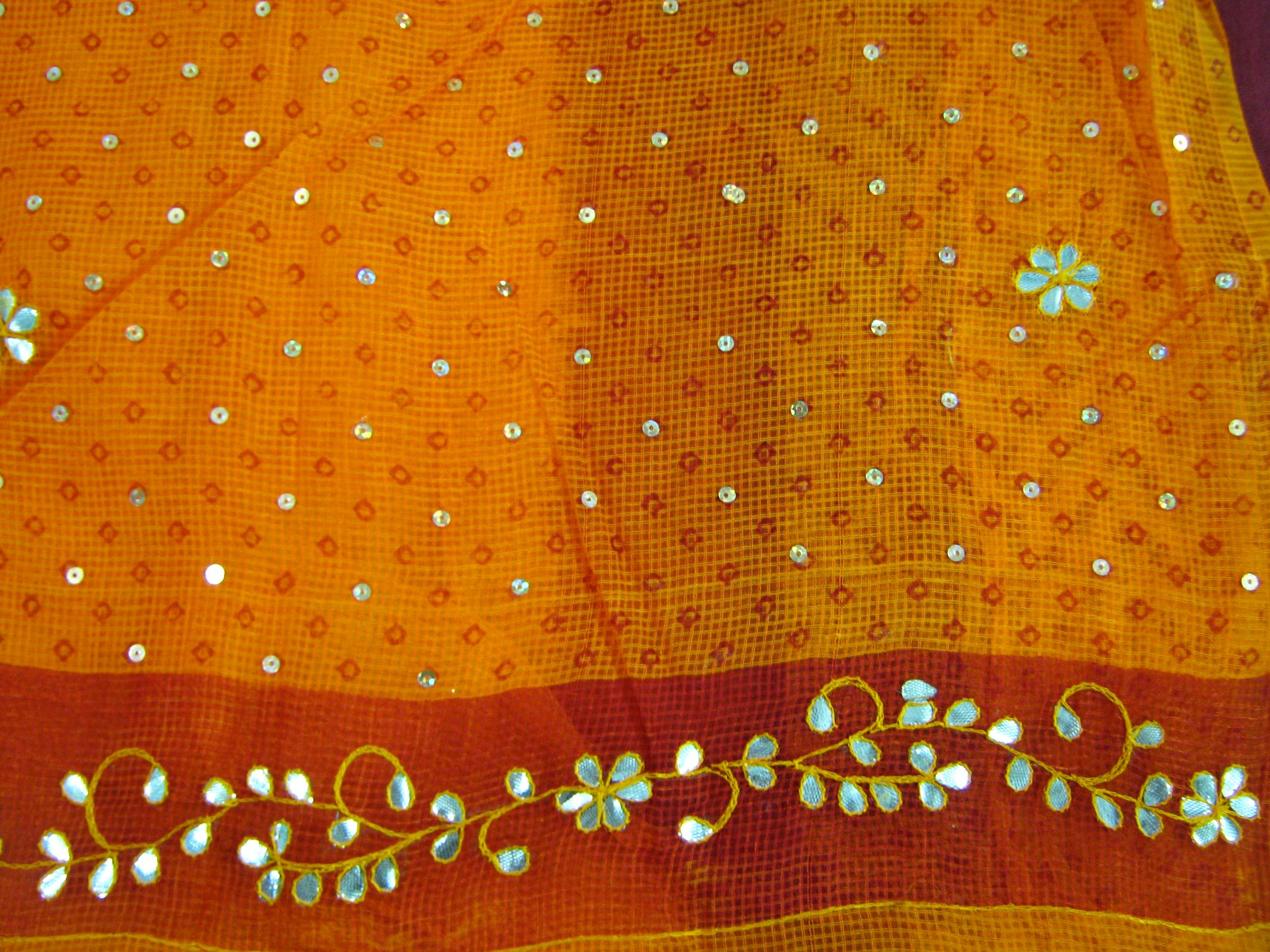
How to care for gota, zari and metallic embroidery without stripping the shine
Zainab Noor · 15 Oct 2026
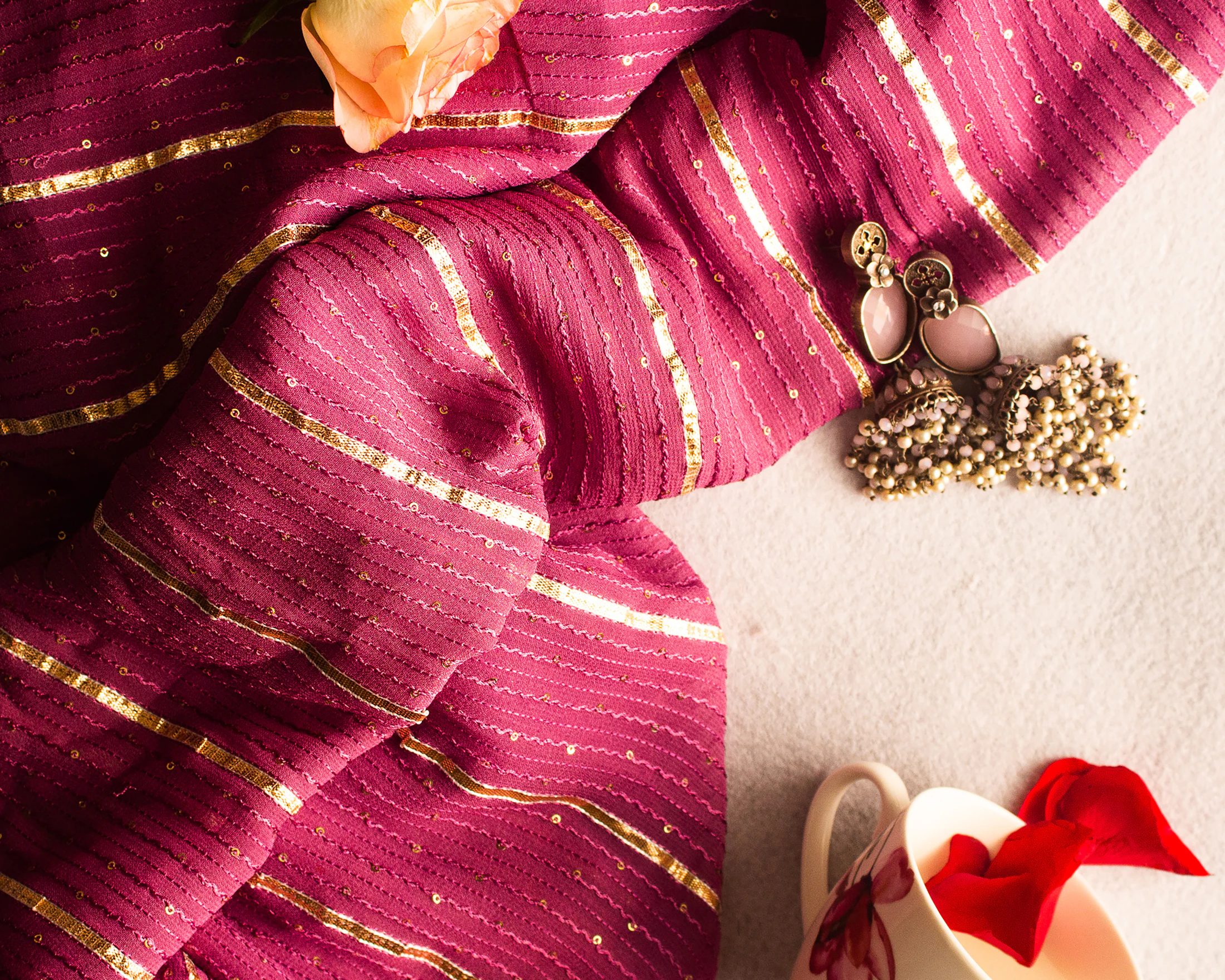

Pashmina, cashmere and wool: what the label should actually tell you
Zainab Noor · 15 Oct 2026
How to pack Pakistani wedding clothes in a suitcase without crushing the work
Zainab Noor · 8 Oct 2026

How to get haldi and turmeric stains out of wedding clothes without making them worse
Zainab Noor · 2 Oct 2026
Readers
The conversation
0 notes
Anyone can leave a note. Guests add a name and email — no account required, and the email is never published.
No notes yet. Yours would be the first.