How to get haldi and turmeric stains out of wedding clothes without making them worse
Turmeric stains are easier to manage before heat sets them. Blot, check the care label, test any cleaner and take embellished or dry-clean-only clothes to a professional quickly.

Haldi photographs beautifully and behaves badly around pale fabric. Turmeric's strong yellow pigment can cling to fibres, and the worst instinct is often the immediate one: rub hard, add hot water and hope.
Lift excess paste first
Use a spoon or blunt edge to remove any thick turmeric paste without spreading it. Then blot gently with a clean white cloth.
Check the care label before chemistry
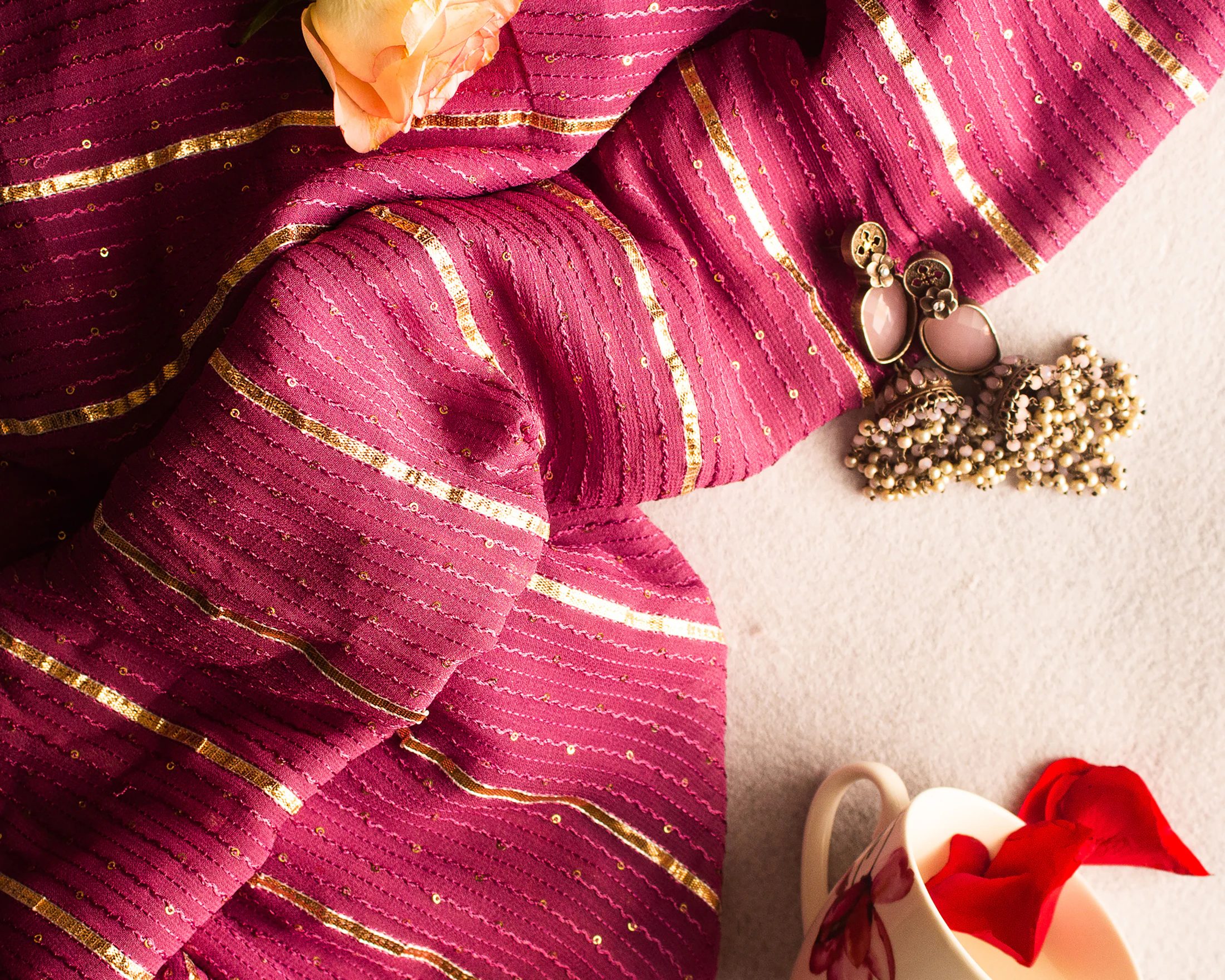
Silk, viscose, velvet, metallic embroidery and glued embellishment can react badly to water, stain removers or rubbing. If the label says dry clean only, stop home treatment after removing surface residue and take it to a reputable cleaner.
For washable fabric, use cool water first
Rinse from the back of the stain so water pushes pigment out rather than farther through the fibres. Avoid hot water until the stain is gone because heat can make many food stains harder to remove.
Use detergent, then patience
Work a small amount of liquid laundry detergent into a washable garment according to the product instructions. Let it sit briefly, rinse, and repeat if needed.
Test stain removers somewhere hidden
Oxygen-based products can help on suitable washable fabrics, but colourfastness varies. Chlorine bleach can damage colour and fibres and should not be improvised on formalwear.
Sunlight is not a universal treatment
Turmeric can fade with light, but prolonged sun can also fade dyed fabric unevenly. Do not put an expensive lehenga in direct sunlight because a cleaning hack said the stain will disappear.
Do not iron the evidence
Check the stained area after washing and before tumble drying or ironing. Heat can make residual colour harder to remove.
For bridalwear, time matters more than bravery
Take heavily embellished clothing to a specialist cleaner quickly and explain that the stain is turmeric or haldi. Tell them what home treatment, if any, has already been used.
A small stain is easier to fix than damaged embroidery. If the garment is valuable, the correct first move may be restraint.
Separate the stain from the embellishment problem
A plain cotton kurta and a sequinned silk blouse may both have turmeric on them, but they are not the same cleaning job. The fibre, dye and construction determine what treatment the garment can tolerate.
If a cleaner specialises in bridalwear, show them photographs of the original colour and embroidery so they can judge whether a slight residual stain is safer than aggressive treatment.
Identify the fabric before treating the problem
With remove turmeric stain clothes, the fibre and construction determine what the garment can tolerate. Cotton, silk, viscose, velvet, chiffon, metallic thread, sequins and glued stones react differently to water, heat, rubbing and cleaning chemicals.
Read the care label and test any treatment in an inconspicuous area. Valuable formalwear deserves restraint when the material is uncertain.
Protect embellishment from friction
Turn heavily worked surfaces inward against tissue or soft cloth during storage and travel. Keep jewellery separate so hooks, stones and earring posts cannot snag the garment.
Do not vacuum-compress structured or heavily embellished pieces unless the maker specifically recommends it.
Photograph before cleaning or alteration
Front, back and close-up photographs create a record of colour, embroidery placement and existing damage. This is useful if a cleaner or tailor needs to understand what changed.
Tell professionals exactly what caused a stain or which seam has already been altered. Hidden history makes delicate work harder.
Work from the least aggressive solution
Blot before rubbing, cool before hot water, and seek specialist cleaning before experimenting on heirloom or bridal pieces. A small residual mark may be less damaging than colour loss or broken embroidery.
When the garment is washable, follow product instructions rather than mixing household chemicals.
Think about future wear
Keep spare fabric, labels and offcuts. They can later repair a sleeve, replace a border section or allow a garment to be released for another wearer.
Care is part of value: clothing that survives several events is usually a better purchase than a dramatic piece that cannot tolerate ordinary handling.
Store clean, dry and supported
Do not put food-stained or damp formalwear into long-term storage. Use breathable protection where appropriate and avoid hangers that distort heavy skirts or shoulders.
Check stored clothes periodically rather than discovering damage the week before the next wedding.
Build an event repair kit
Two pins, a small sewing kit, fashion tape suitable for the fabric and blister plasters cover most ordinary problems. More equipment often creates more things to carry.
The best repair is the one that lets the wearer return to the event without turning the outfit into the evening's main project.
Let comfort guide care decisions too
If a garment is so delicate that normal sitting, eating or travel becomes impossible, reconsider when and where it is worn. Preservation should not erase participation.
Clothes are objects with a job. Good care helps them keep doing it.
Keep the care record
Note professional cleaner details, alterations, stain treatment and storage instructions with the garment. The next wearer or tailor should not have to guess.
For remove turmeric stain clothes, documentation is a quiet way of protecting both the garment and the money already invested in it.


When to stop and get specialist help
If colour is lifting, embroidery is loosening, fabric is distorting or the stain is on valuable silk or bridalwear, stop. Tell a specialist exactly what has already been tried.
A controlled residual mark can be a better result than permanent fibre or colour damage caused by escalating household treatments.
Final practical check
Before acting on remove turmeric stain clothes, recheck the part that carries the most cost, risk or time pressure and make sure the advice still matches your circumstances. Save the source, receipt, booking, product directions or family agreement where it may matter later.
One last way to test the advice: How to get haldi and turmeric stains out of wedding clothes without making them worse
For how to get haldi and turmeric stains out of wedding clothes without making them worse, judge the item in the conditions in which it will actually be used. Sit, walk, raise your arms, try the footwear, test the drape, or pack and unpack the fabric as relevant. Product photographs and a few minutes in front of a mirror can hide the pressure points, slipping, creasing or weight that become obvious over a full event.
For how to get haldi and turmeric stains out of wedding clothes without making them worse, keep receipts, measurements, spare fabric and care information until the outfit has been worn successfully. A small alteration or storage decision made early is usually easier than repairing embroidery, replacing a damaged finish or discovering on the wedding day that a beautiful item does not move the way the wearer needs.
Sources and official profiles
Filed under
Was this helpful?
Keep reading
Related stories
More from this desk, this beat, and the tags on this piece.




Readers
The conversation
0 notes
Anyone can leave a note. Guests add a name and email — no account required, and the email is never published.
No notes yet. Yours would be the first.