Pashmina, cashmere and wool: what the label should actually tell you
Pashmina is widely used as a luxury word, but in fibre labelling it is not a separate recognised fibre from cashmere. The composition label matters more than the hang tag.

A shawl can be sold as pashmina, cashmere, wool blend or 'cashmere feel' and look almost identical in a product photograph. The important distinction is that cashmere describes a defined animal fibre, while pashmina is widely used as a cultural and trade term rather than a separate fibre recognised by US wool labelling law.
The Federal Trade Commission states that pashmina is not a distinct fibre category under the Wool Act. Sellers drawing attention to cashmere should disclose the actual fibre percentage. That makes the sewn label a better starting point than the romantic product name.
What cashmere is
Cashmere comes from the fine dehaired undercoat of the Cashmere goat. US regulation defines qualifying cashmere with fibre-diameter criteria, including an average diameter not above 19 microns.
Coarser goat fibre may still be wool but should not automatically be marketed as cashmere under that definition.
Why 'pashmina' is different
Pashmina is used in South Asian and global markets for very fine shawls and for products containing cashmere, silk blends or other constructions. The term carries cultural history but does not by itself state fibre composition.
A label that says only '100% pashmina' therefore tells a consumer less than a label stating 100% cashmere or a specific cashmere-silk percentage.
Cashmere-silk blends
Adding silk can increase lustre, drape and strength while changing warmth and hand. A blend is not fake because it is blended; it is misleading only when the fibre content is hidden or misrepresented.
Read percentages rather than assuming a blend should cost the same as an all-cashmere piece.
Why softness is not proof
Chemical finishing and very fine synthetic fibres can create immediate softness. Conversely, some genuine wool or cashmere may feel less slippery before wear and washing.
The 'ring test' and other viral tricks cannot reliably identify fibre composition on their own.
Look at construction as well as fibre
A fine tightly woven shawl, loosely woven wrap and knitted scarf can all use cashmere. Warmth, durability and snag resistance depend on yarn and construction as well as fibre diameter.
A very delicate weave may be luxurious but unsuitable for daily commuting with shoulder bags and jewellery.
What a trustworthy seller should disclose
Expect fibre percentages, country of origin, responsible manufacturer or marketer information where required and a safe cleaning method. Better sellers also provide dimensions and weight.
If a premium price rests entirely on the word pashmina while the sewn label is vague, ask for clarification before paying.
Pilling is not a simple fake test
Soft short fibres can work loose at friction points, especially early in use. Pilling can occur on genuine cashmere as well as blends.
Severe rapid pilling may suggest low-quality yarn or loose construction, but the presence of pills does not prove the fibre is counterfeit.
Care should follow the actual label
Some cashmere can be gently hand washed while some products are dry-clean only because of dye, structure, trims or finishing. Follow the care label for the complete item.
Avoid hanging a wet heavy shawl from one point; support it while drying to reduce stretching.
Buying vintage or unlabelled shawls
Older shawls may not carry modern fibre disclosure. In that case, provenance and expert examination become more important than home burn tests that damage the textile.
For a valuable purchase, independent textile expertise is more meaningful than an online checklist.
The cultural value is not reducible to micron count
Kashmiri and regional shawl traditions involve spinning, weaving and embroidery knowledge beyond raw fibre. A legally accurate fibre label protects the consumer without pretending that laboratory composition explains the entire cultural value.
The strongest purchase combines honest material disclosure with respect for where and how the shawl was made.
What the evidence can and cannot tell you: Pashmina, cashmere and wool
FTC definitions apply to products regulated under US law; UK and other jurisdictions have their own textile-labelling rules. The fibre-science distinction remains useful, but shoppers should check local consumer law when a dispute depends on legal labelling.
For pashmina vs cashmere shawl, the most useful approach is to separate verified material facts from shop language, inherited terminology and aesthetic preference. Where a label has a legal or technical meaning, read the fibre or product disclosure. Where the term is cultural rather than standardised, ask the seller what construction, material and process they actually mean.
A practical PakStyles checklist: Pashmina, cashmere and wool
- Read the sewn fibre-content label.
- Treat 'pashmina' as a description that needs composition detail.
- Do not rely on softness or ring tests as proof.
- Check dimensions, weave and intended use.
- Follow care instructions for the complete item, not generic cashmere advice.
A good shawl purchase starts with a simple question: what is this actually made from? Once that is answered honestly, craft, origin, weave and design can be appreciated without asking one luxury word to carry the whole story.
How climate and diaspora use change the decision: Pashmina, cashmere and wool
Pakistani clothing and craft products often move between climates. pashmina vs cashmere shawl may be produced with Lahore, Karachi, Multan or Peshawar conditions in mind and then worn in Birmingham, Manchester or Glasgow. Heating, rain, winter coats and long indoor events change what feels practical even when the cultural setting is the same.
Handmade variation versus poor quality: Pashmina, cashmere and wool
Hand production connected to pashmina vs cashmere shawl can leave small differences in repeat placement, stitch tension, dye tone or surface finish. Those variations may document process rather than negligence. The useful question is whether the variation is structurally harmless and visually consistent with the making method.
Care is part of value: Pashmina, cashmere and wool
The cost of pashmina vs cashmere shawl is not only the checkout amount. If the item needs specialist cleaning, careful flat storage, tissue padding, regular repair or a climate-controlled place to avoid damp, those demands belong in the ownership calculation.
Specific to pashmina, cashmere and wool, Keep the care label, seller instructions and spare material together. For formalwear and handmade textiles, photograph the piece before the first clean and save details of any alteration or repair. That record can extend usable life and makes future professional care less guess-based.
How to judge authenticity claims without becoming a laboratory: Pashmina, cashmere and wool
Most consumers cannot chemically identify fibre or date a textile at home, and they should not be expected to. For pashmina, cashmere and wool, use several modest signals together: accurate labelling, plausible pricing, maker or region information, construction details, clear photographs and a seller willing to answer technical questions.
What modern adaptation gets right: Pashmina, cashmere and wool
Contemporary versions of pashmina, cashmere and wool can simplify production, reduce price, change fibre or adapt the format for new wardrobes. That does not automatically make them culturally empty. Living traditions survive partly because makers and wearers change how forms are used.
A better comparison method: Pashmina, cashmere and wool
When comparing two options around pashmina, cashmere and wool, use the same criteria for both: material, construction, dimensions, care, comfort, origin, expected lifespan and price. Marketing categories become much less confusing when every candidate is placed on the same practical grid.
The reader's final decision: Pashmina, cashmere and wool
The strongest reason to learn about pashmina, cashmere and wool is not to police other people's terminology. It is to make a purchase, styling choice or care decision with fewer surprises. Technical knowledge should create flexibility rather than another authenticity exam.
How to separate the name from the material reality: Pashmina, cashmere and wool
With pashmina, cashmere and wool, the first useful habit is to separate the market name from the physical object. Retail and cultural vocabulary can carry history, prestige and regional meaning, but a buyer still needs to know fibre, construction, dimensions, finish, weight, fastening or production method where those details affect use. That distinction prevents a descriptive word from doing more work than it can support.
Specific to pashmina, cashmere and wool, For a practical purchase or styling decision, write down what the object must do before judging what it is called. A shawl may need warmth without bulk, a dupatta may need grip, a formal coat may need to survive six hours of sitting and movement, and a textile may need to tolerate ordinary cleaning. Those jobs are measurable even when terminology overlaps.
What a trustworthy seller or maker should be able to explain: Pashmina, cashmere and wool
A strong seller response to questions about pashmina, cashmere and wool should become more specific as the price rises. You should be able to ask what the material is, where it was produced, whether work is hand or machine made, what dimensions are supplied, how the item should be cleaned and which parts of the description are traditional names rather than regulated specifications.
Why photographs can mislead even when they are not edited: Pashmina, cashmere and wool
Campaign photography changes how pashmina, cashmere and wool is perceived. Studio light increases sheen, pins create temporary drape, steaming removes handling marks and model proportions can make a garment or accessory appear lighter, longer or more structured than it will in ordinary use. None of that requires deceptive editing; it is simply the difference between styling and specification.
Sources and official profiles
Filed under
Was this helpful?
Keep reading
Related stories
More from this desk, this beat, and the tags on this piece.
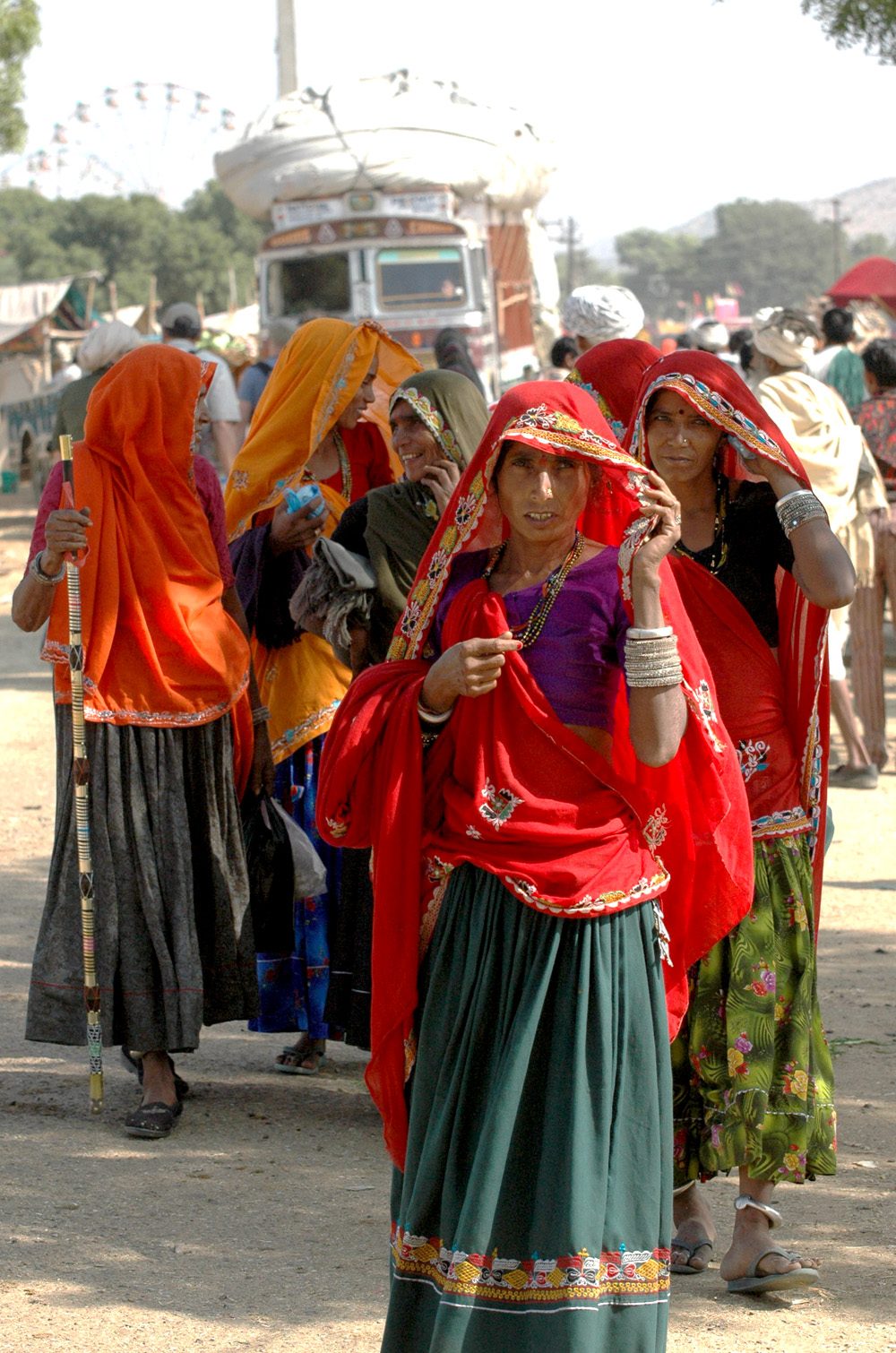
Chiffon, organza, georgette or voile: which dupatta fabric behaves how
Zainab Noor · 17 Oct 2026
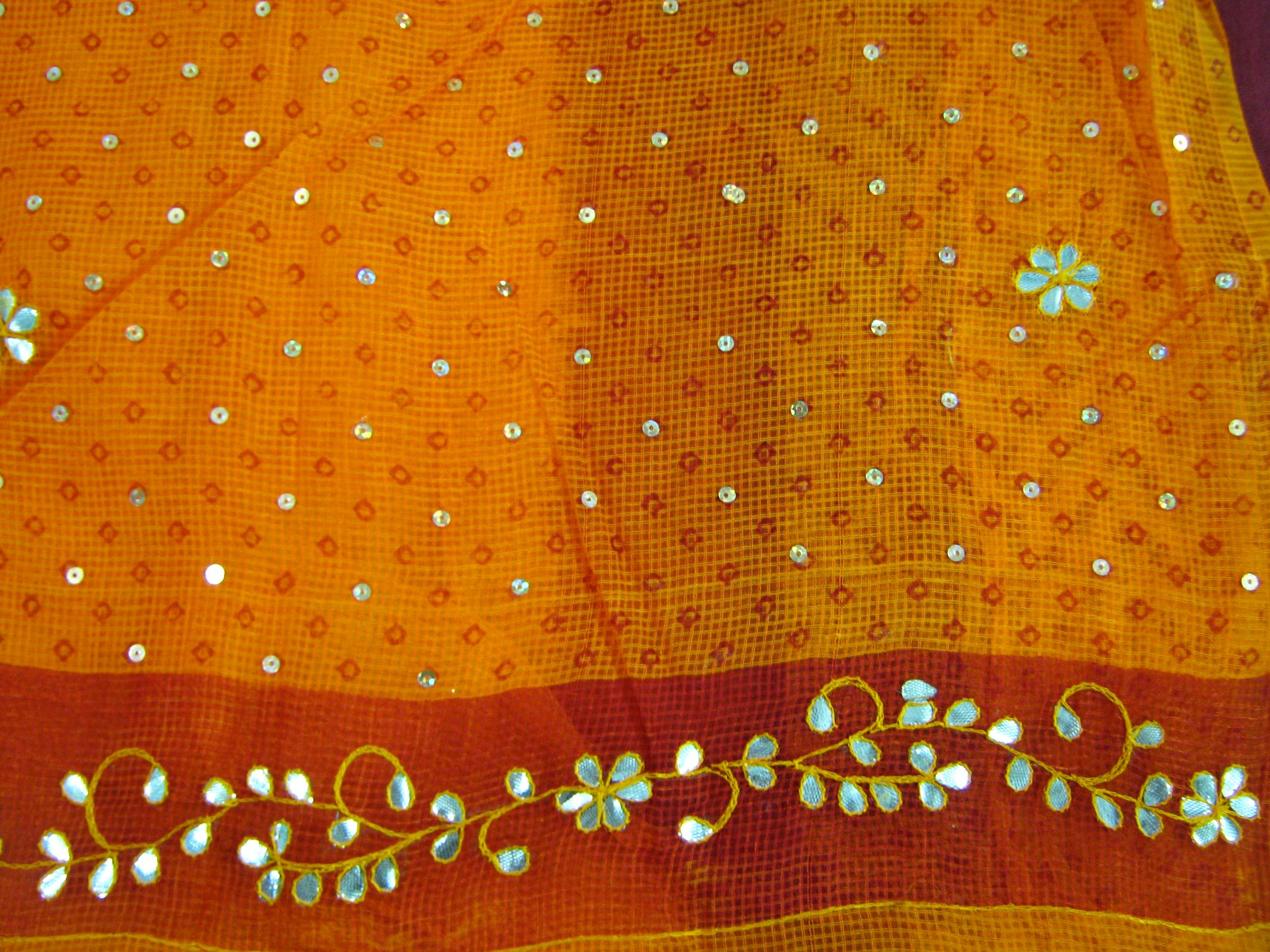
How to care for gota, zari and metallic embroidery without stripping the shine
Zainab Noor · 15 Oct 2026
How to pack Pakistani wedding clothes in a suitcase without crushing the work
Zainab Noor · 8 Oct 2026

How to get haldi and turmeric stains out of wedding clothes without making them worse
Zainab Noor · 2 Oct 2026
Readers
The conversation
0 notes
Anyone can leave a note. Guests add a name and email — no account required, and the email is never published.
No notes yet. Yours would be the first.