Accessories
The bag that earns a Karachi day
A Karachi bag is not a silhouette. It is a brief: phone, dupatta, a samosa that will leak, and a commute that does not care about hardware.
By Zainab Noor
Fashion writer
6 min read
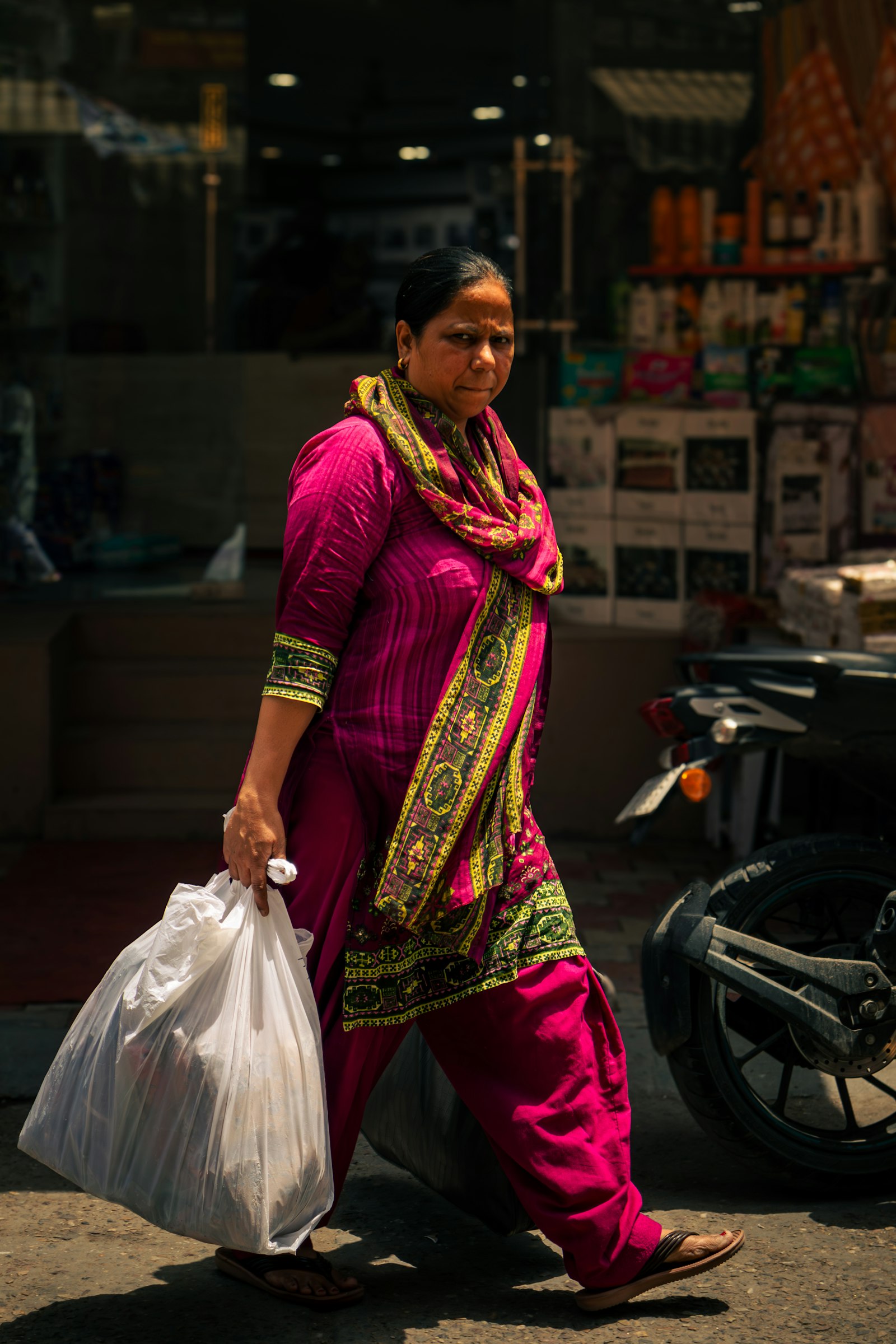
Karachi does not carry a bag for the photograph. It carries one for Shahrah-e-Faisal at 2pm, for a pillion seat already cooked in the sun, and for a Saddar shop where the leather still smells of the vat. Between noon and maghrib the city is a humidity argument: collars open, lawn stuck to motorbike seats, a phone that will not stay in a shallow pocket. We walked from the lanes behind Empress Market to the air-conditioned leak on Zamzama, asking what a bag has to hold. The answer was not a logo. It was a strap that does not chew a shoulder, a zip that still closes after monsoon dust, and a shape that can sit on a bike without becoming a second passenger.
If it cannot take a phone, a dupatta, and a samosa that will leak oil, it is not a Karachi bag. It is furniture for a table that does not exist.
— Hina Raza, stylist, Karachi
Saddar leather, not a moodboard tote
The leather shops behind Empress Market still sell by smell and by how a strap sits on a palm. Rashid, who has cut totes on that lane for twenty years, will not talk silhouette until you tell him whether you sit on a bike. A structured bag with a hard base looks expensive on Zamzama and becomes a bruise on the pillion. A slouchy leather tote, oiled, with a zip that actually bites, looks like laundry until you fill it. Then it looks like a city that has been solved.
We watched him refuse a woman a stiff box bag because she mentioned a motorbike in the same sentence. He sold her a tote with a drop that clears a hip and a pocket that holds a phone upright. That is merchandising as climate. The malls will sell you structure as status. Saddar will sell you a bag that can be wiped, stuffed, and hung on a hook in a kitchen that still smells of frying.
The phone, the dupatta, the samosa
The Karachi brief is specific and unromantic. Phone. Keys. A folded dupatta that will be shade by 3pm. A wallet that has already been through a metal detector. Often a samosa, still warm, wrapped in paper that will stain. A bag without a dark lining is a dare. A bag without a zip is a rumour you tell yourself on a crowded bus. Hina keeps a black tote for weekdays and a smaller structured piece for dinners that start after the heat breaks. She does not mix the jobs.
We asked twelve women what had ruined a bag in the last year. Eight said oil, sweat, or rain that arrived as a vertical argument on I.I. Chundrigar. Two said a strap that split on a bike. One said a magnetic clasp that opened in a rickshaw. One said she had bought for a photograph and then left the piece on a chair. That last one is not a customer. She is a moodboard with a credit card.
- A zip, not a magnet, if you sit on a bike or stand in a bus.
- A dark lining. Oil and monsoon dust are not a personality test.
- A strap you can wear across the body when both hands are full.
Generation, Khaadi, Outfitters: who actually holds
Ready-to-wear bags in this city are an afterthought until they are not. Generation still cuts the cleaner tote: canvas and leather that can do a gallery opening and a school run if you wipe it. The hardware is quieter than the print on the clothes. That is a compliment. Khaadi will sell you a bag that matches a lawn drop. Matching is not a brief. If the print is louder than the zip, you have bought a prop.
Outfitters is the weekday argument: nylon, a zip, a price that does not require a family meeting. It will not age like Saddar leather. It will survive a monsoon week and a gym bag that has been demoted to office duty. Buy it for the commute. Do not buy it to feel like a campaign. The campaign is not on the bike with you.
The Zamzama test after nine
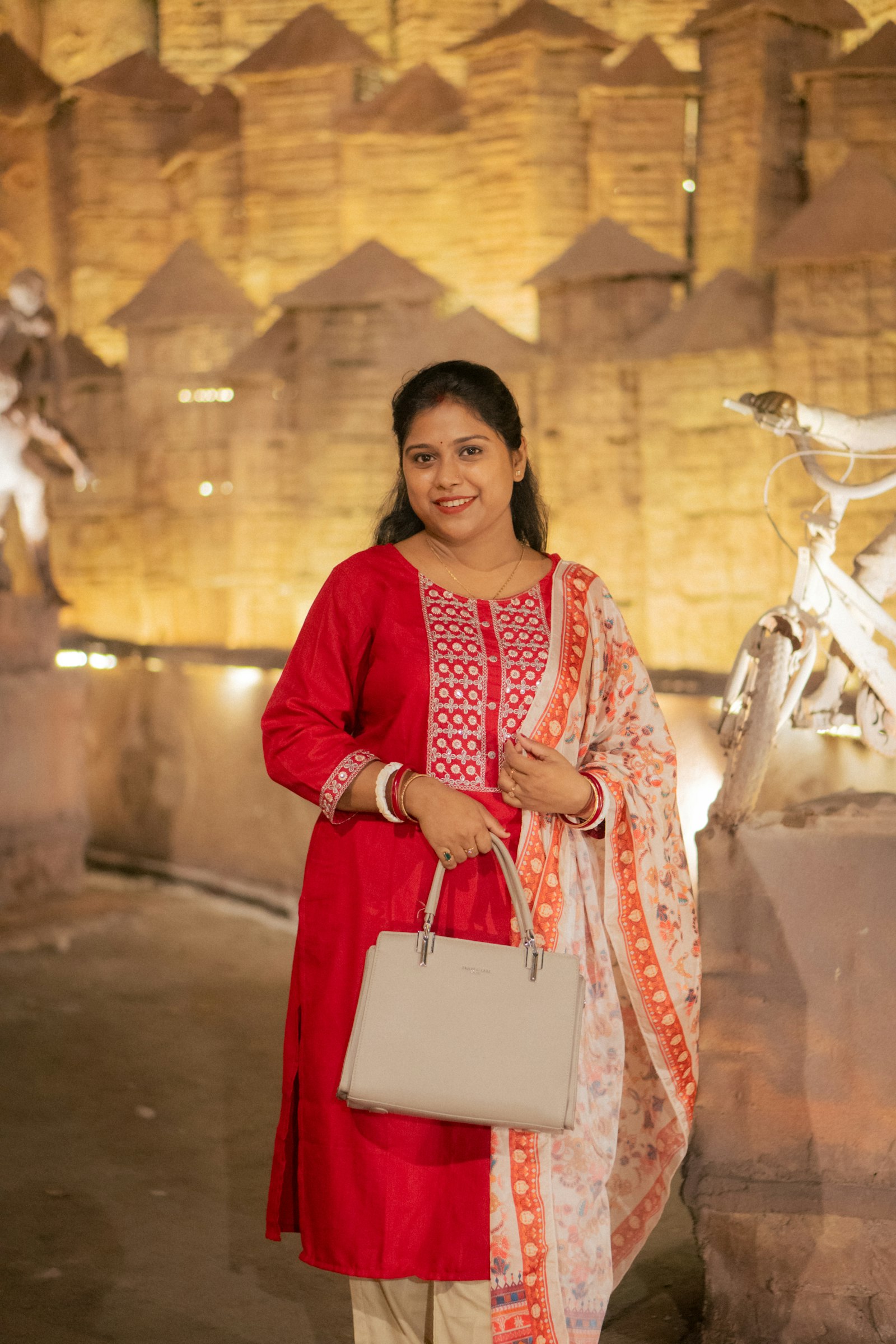
Zamzama after nine is a corridor of cold air and people standing in the leak. You see the structured bags then: boxes with feet, logos that catch the strip light, straps too short for a shoulder that has already carried a day. They look correct in the doorway. They look like a problem on the ride home. A woman in a black tote stood on a motorbike footpeg outside a juice press as if the city had designed the strap around that gesture.
The leather tote from Saddar, slightly scuffed, held a charger, a dupatta, and a box of jalebi that should not have been in a bag at all. It still closed. That is the evening test. If your bag needs a chair, you are dressing for a different Karachi than the one that has to get home.
Humidity is a finishing school
Cheap coating peels in this air. Glue gives up before the monsoon is named. Rashid taps the edge of a bag to hear whether the board inside is cardboard pretending to be structure. Cardboard drinks humidity and then sags. Leather that has been oiled will darken and live. PVC will shine at noon and crack by Eid. Ask to see the inside of the strap where it meets the body. That join is the biography. The front is the sales pitch.
Colour in this heat is logistics. Black hides the samosa and shows the dust. Tan shows everything and still wins if the leather can take a wipe. White is a weekend and a lie if you work. We are not against a structured bag. We are against a structured bag that has never sat on a bike, never held a wet dupatta, never been asked to earn a day that started in Saddar and ended in Defence without a driver waiting.
Buy the brief, not the window
Fill the bag in the shop. Put your phone in it. Drape a dupatta over the strap. If a salesperson looks offended, you are in the wrong shop. Hina does this in malls and in Saddar. Saddar does not flinch. The mall often does. That flinch is information.
A Karachi day is a sequence of rooms, vehicles, and weather that will not be styled for you. Carry one bag that can do the sequence. Leave the sculpture on the shelf.
Carry the brief, not the window. Phone, dupatta, a little oil, a zip that still means it. Saddar already knew. Zamzama will sell you the other story until the bike starts. Then the city edits the bag for you, whether the hardware agreed or not.
Keep reading
Related stories
More from this desk, this beat, and the tags on this piece.
How to pack jewellery and accessories for a destination wedding
Zainab Noor · 13 Sep 2026 · 15 min
Pakistani shawls for winter weddings: warmth without hiding the outfit
Zainab Noor · 13 Sep 2026 · 16 min
Dupatta pins and magnets: where each works and where it fails
Zainab Noor · 13 Sep 2026 · 16 min
Potli and clutch bags for Pakistani weddings: a practical size guide
Zainab Noor · 13 Sep 2026 · 17 min
Readers
The conversation
0 notes
Anyone can leave a note. Guests add a name and email — no account required, and the email is never published.
No notes yet. Yours would be the first.