Culture
Shahzia Sikander: manuscript traditions, animation, and public art
Shahzia Sikander’s work does not “modernise miniature painting” once and stop. It repeatedly unsettles manuscript scale through drawing, animation, mosaic and public sculpture.
By Bilal Ahmed
Culture editor
3 min read
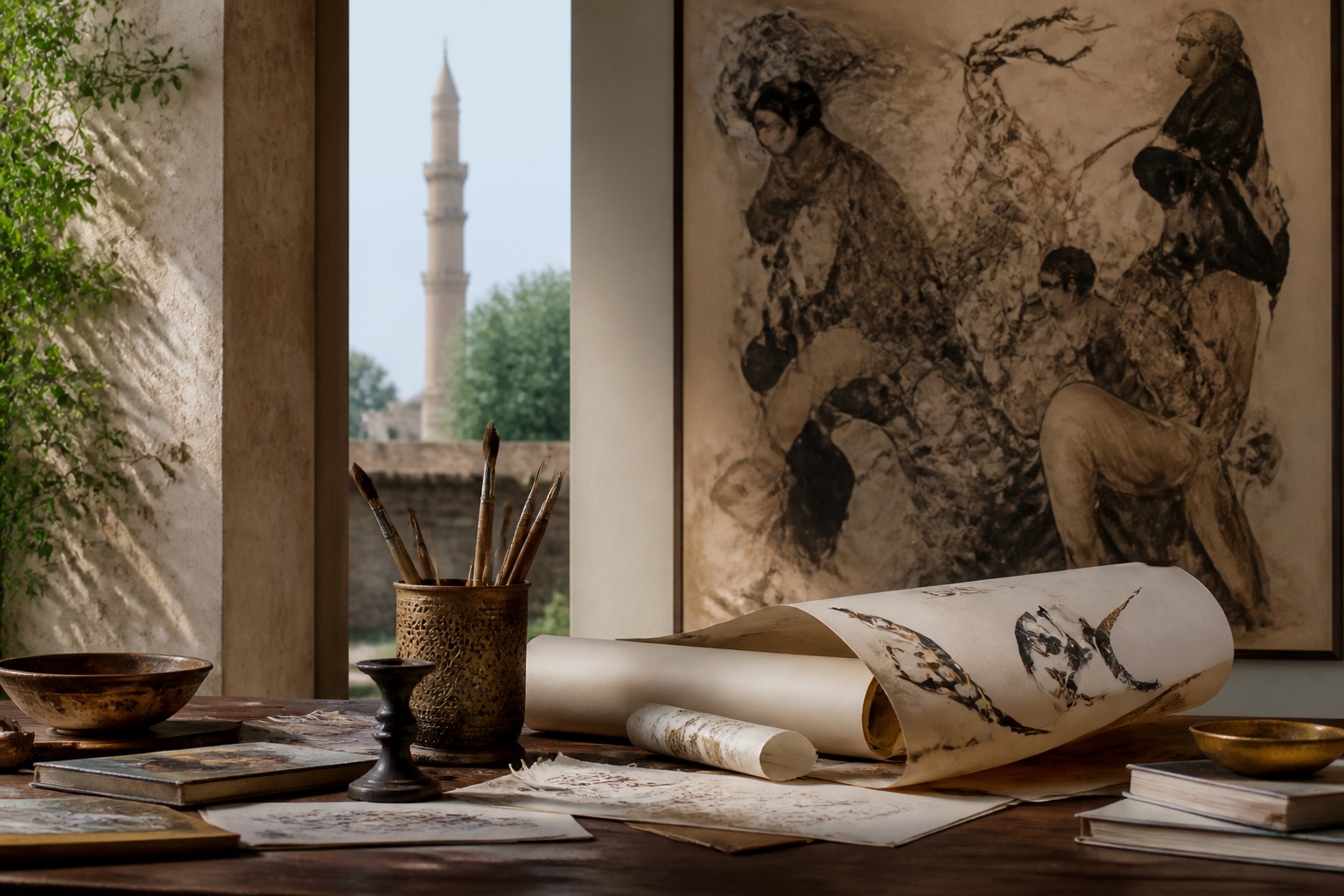
Shahzia Sikander’s work does not “modernise miniature painting” once and stop. It repeatedly unsettles manuscript scale through drawing, animation, mosaic and public sculpture.
Where should a new viewer begin: a small drawing, an animation or a monumental public work?
— A question for PakStyles readers
Training becomes material, not cage
Rigorous miniature-painting practice supplied line, layering and historical vocabulary. Sikander uses that discipline to question authority rather than demonstrate preservation alone.
Place the earliest example beside a later one and resist reducing the difference to confidence. Listen for pace, breath and silence; watch posture, eye-line and the way attention is handed to another performer. Those small choices make “Training becomes material, not cage” a useful chapter in Shahzia Sikander: manuscript traditions, animation, and public art, rather than another credit copied from a biography.
The scroll and the moving image
Animation lets drawn forms dissolve, multiply and collide across time. Motion makes transformation—not a fixed hybrid identity—the subject.
No performance is made alone. Revisit “The scroll and the moving image” with the writer, director, editor, composer and scene partners in mind. Ask what the work gives the artist to respond to and what changes when somebody else enters the frame. That keeps praise specific and prevents a career profile from becoming celebrity worship.
Women, power and contested monuments
Public sculpture places female forms and legal-historical symbolism in civic space, where interpretation and controversy become part of the work’s life.
Release context matters here. Look at the genre expectations, audience and production scale surrounding “Women, power and contested monuments”, then notice where the work follows or unsettles them. The point is not to award a definitive ranking; it is to explain why this example changes the argument about Shahzia Sikander: manuscript traditions, animation, and public art when watched in full.
Look slowly across scale
Compare one early intimate work with a projection or monument. Ask what detail, body and authority do when the viewer can no longer hold the whole image at once.
A useful career guide should send readers back to complete work. For “Look slowly across scale”, choose one scene, recording or project and write down the exact transition that holds your attention. Compare that observation with another reader’s rather than leaning on awards, box-office shorthand or a viral clip stripped of its setup.
Where to continue after Shahzia Sikander
The Museum of Modern Art: Shahzia Sikander is a starting point for the current record connected with Shahzia Sikander: manuscript traditions, animation, and public art. Check dates, credits and availability at the source; then follow the names, works and institutions mentioned above rather than relying on a search-result summary.
Where should a new viewer begin: a small drawing, an animation or a monumental public work? If you have a strong answer, name the specific example or first-hand experience that shaped it.
What would you add—or challenge? Where should a new viewer begin: a small drawing, an animation or a monumental public work? Keep the conversation attached to a named work, tested method, dated source, or first-hand observation so it improves the guide for the next reader. Before commenting on Shahzia Sikander: manuscript traditions, animation, and public art, revisit one complete example and note the detail that confirmed—or overturned—your first impression. Include enough context for somebody else to find or repeat it: the work or product name, city or venue where relevant, approximate date, and the particular choice you noticed. That is more valuable than a vote for “best”.
Sources and official profiles
Filed under
Keep reading
Related stories
More from this desk, this beat, and the tags on this piece.

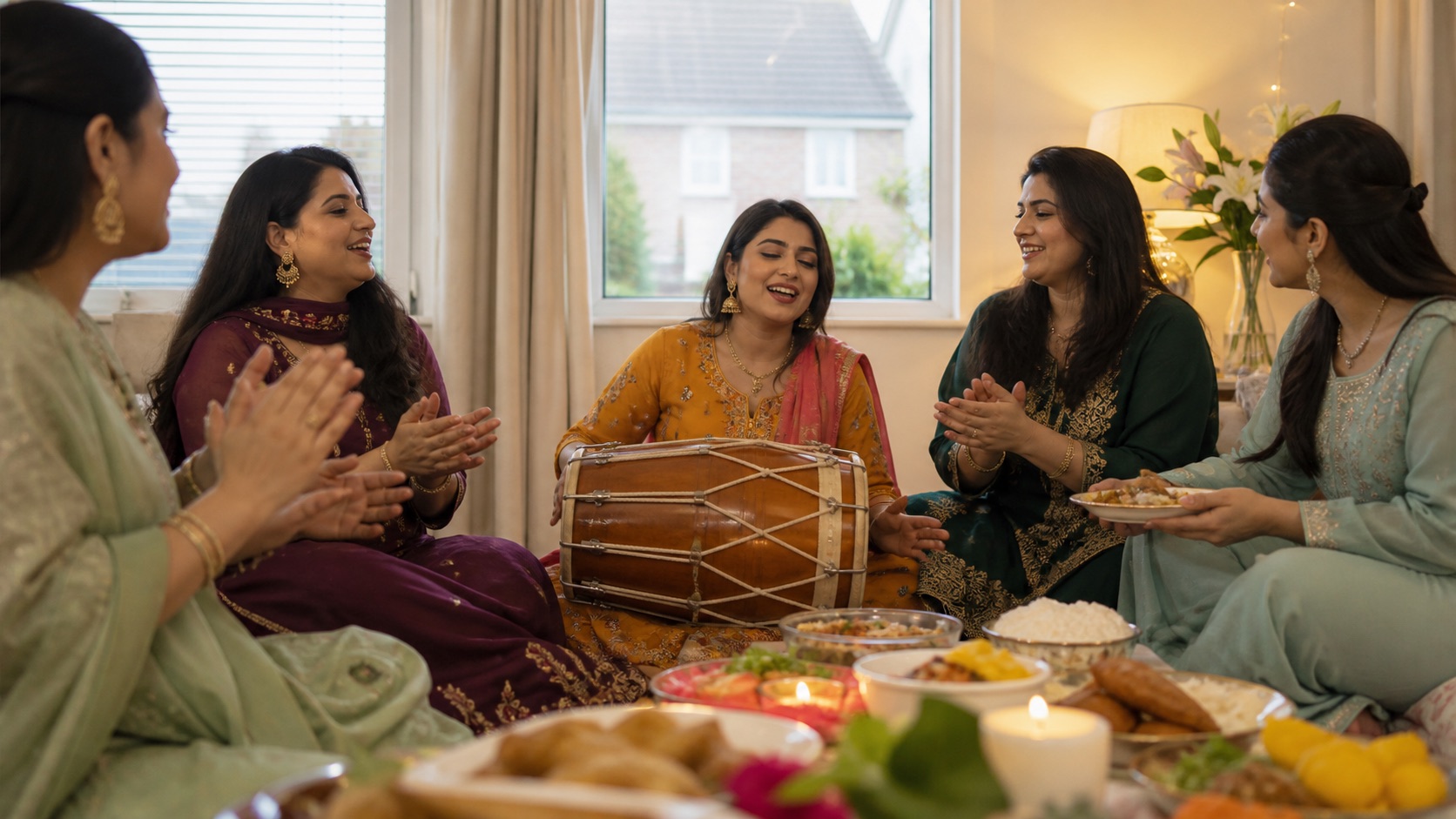
Dholki at home: music, food, neighbours, and a sensible schedule
Bilal Ahmed · 31 Jul 2026 · 2 min

Pakistani baby names: how to research meaning and pronunciation
Bilal Ahmed · 25 Aug 2026 · 2 min
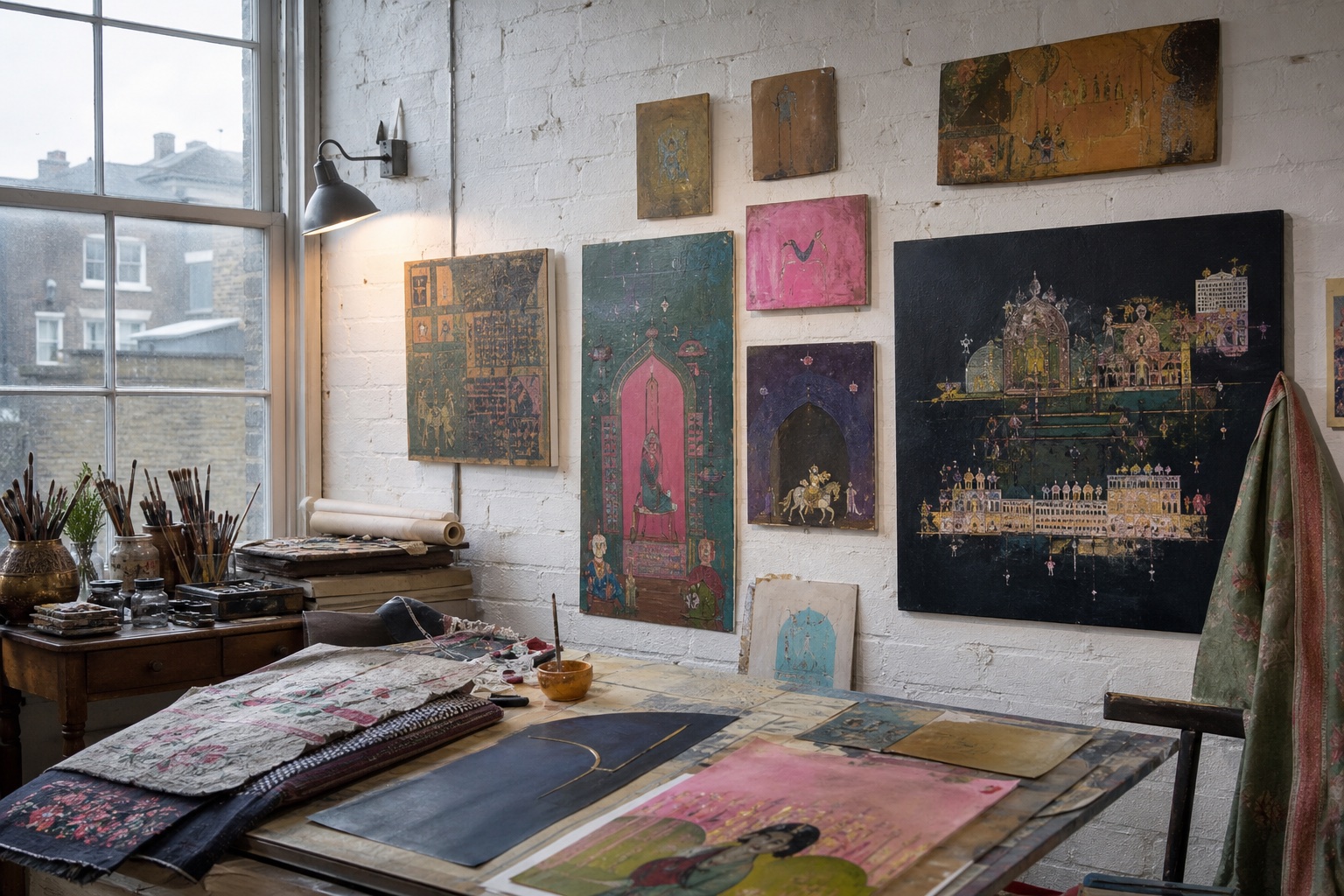
South Asian arts organisations connecting Pakistan and the UK
Bilal Ahmed · 28 May 2026 · 4 min
Readers
The conversation
0 notes
Anyone can leave a note. Guests add a name and email — no account required, and the email is never published.
No notes yet. Yours would be the first.