Culture
Urdu at home: a realistic plan for diaspora families
A shame-free family language plan built around relationships, repetition and useful Urdu.
By Bilal Ahmed
Culture editor
2 min read
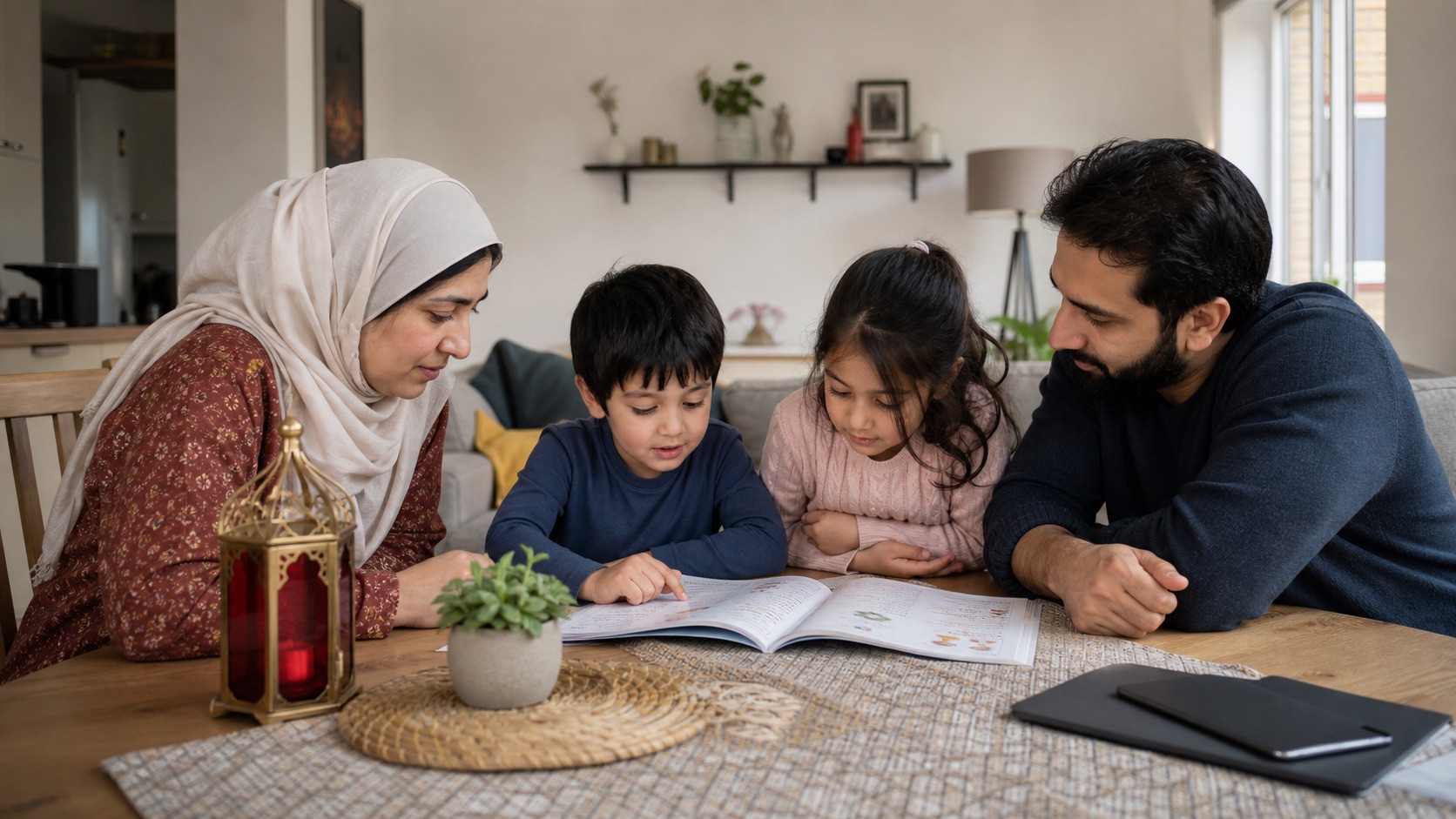
A child rarely learns Urdu because the household announces an Urdu-only Sunday. They learn because Urdu repeatedly unlocks something worth having: a joke with Nani, the next part of a story, a recipe instruction, a cricket argument. Begin with the relationships the language serves.
Choose one living routine
Pick fifteen minutes that already happens—breakfast, the school walk or bedtime. Keep the subject predictable for a month. At breakfast, words for hunger, cups, eggs and time recur naturally. Adults can answer mixed Urdu and English in complete, unhurried Urdu without demanding that the child repeat every sentence correctly.
Separate speaking from literacy. A confident speaker may still be new to Nastaliq; a child decoding a primer may not understand family conversation. For reading, work with a teacher or carefully sequenced resource and practise little and often. Label only objects people actually mention, not the entire house.
- Ask grandparents for short voice notes about a photograph.
- Replay one song or story until phrases become familiar.
- Keep a family word list organised by situation, not alphabet.
- Let siblings invent games without turning every game into assessment.
Track connection, not purity: Did the child initiate a greeting? Follow a story? Ask what a word meant? Urdu and English in one sentence is evidence of a multilingual mind doing real work. Correct ridicule immediately, including jokes about accent. Every family has regional vocabulary and different fluency; the aim is a language the child can enter without fear.
Give Urdu a life beyond instruction
Choose entertainment because it is enjoyable, then supply enough context for the child to follow it. Pause a drama only when they ask; constant translation destroys pacing. Let them send a voice note, order food or explain a game to a relative when they are ready. Adults should model curiosity too by checking an unfamiliar regional word without embarrassment. Every three months, record a relaxed conversation—with consent—so progress can be heard in longer exchanges rather than test scores. If a tutor is involved, share the situations that matter at home and ask how lessons will support them.
Filed under
Keep reading
Related stories
More from this desk, this beat, and the tags on this piece.
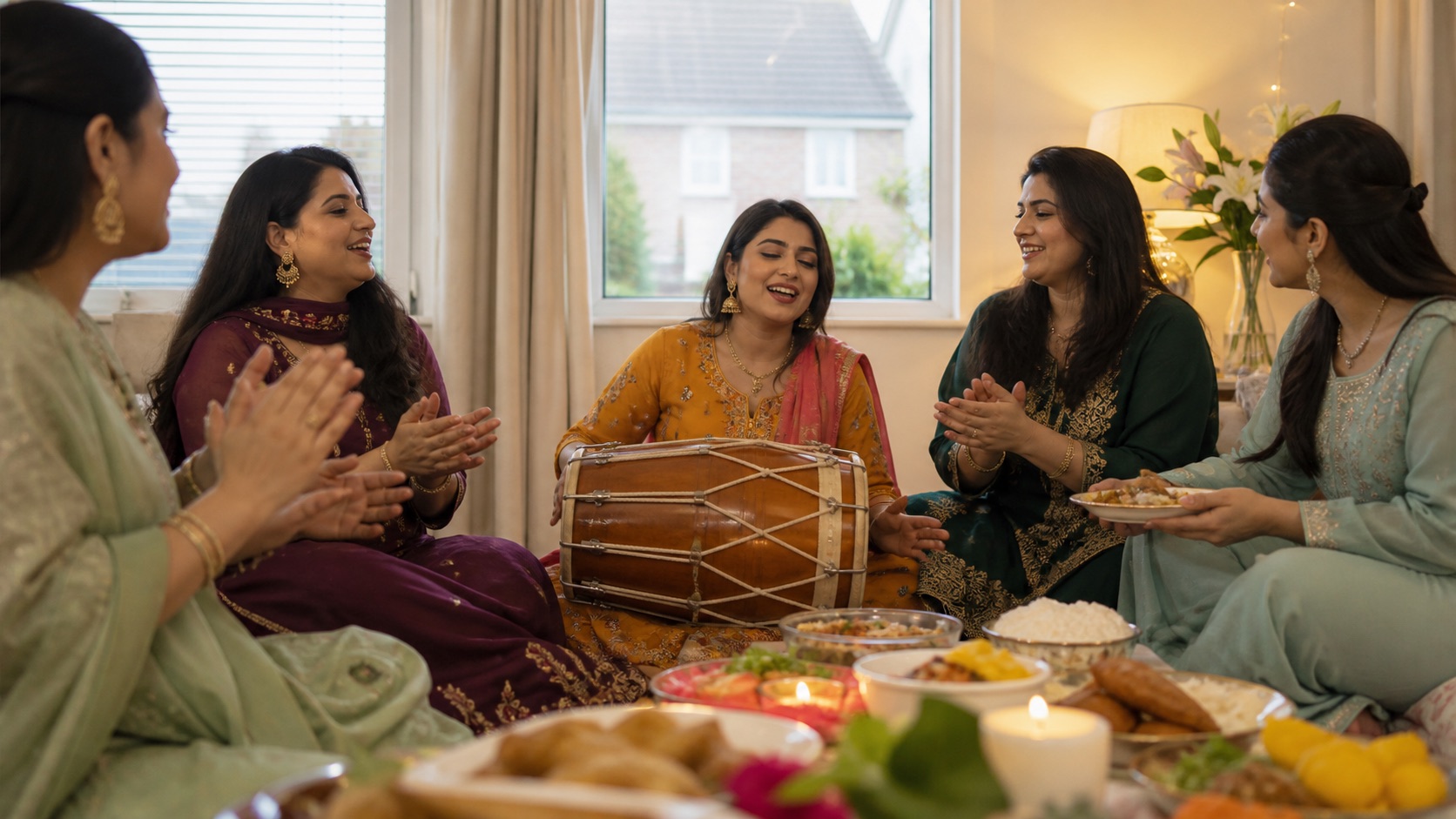
Dholki at home: music, food, neighbours, and a sensible schedule
Bilal Ahmed · 31 Jul 2026 · 2 min

Pakistani wedding photography shot list that protects real moments
Bilal Ahmed · 27 Jul 2026 · 4 min

Pakistani baby names: how to research meaning and pronunciation
Bilal Ahmed · 25 Aug 2026 · 2 min

Recording grandparents’ stories: an ethical family oral-history guide
Bilal Ahmed · 13 Sep 2026 · 16 min
How diaspora families archive old photographs before they disappear
Bilal Ahmed · 13 Sep 2026 · 17 min
Readers
The conversation
0 notes
Anyone can leave a note. Guests add a name and email — no account required, and the email is never published.
No notes yet. Yours would be the first.