Sirf Shabana: A Woman’s Name Is a Better Starting Point Than a Love Triangle
An identity of her own is Shabana’s most interesting demand. PakStyles considers the drama’s relationships, disputed pacing and identifiable audience reactions.
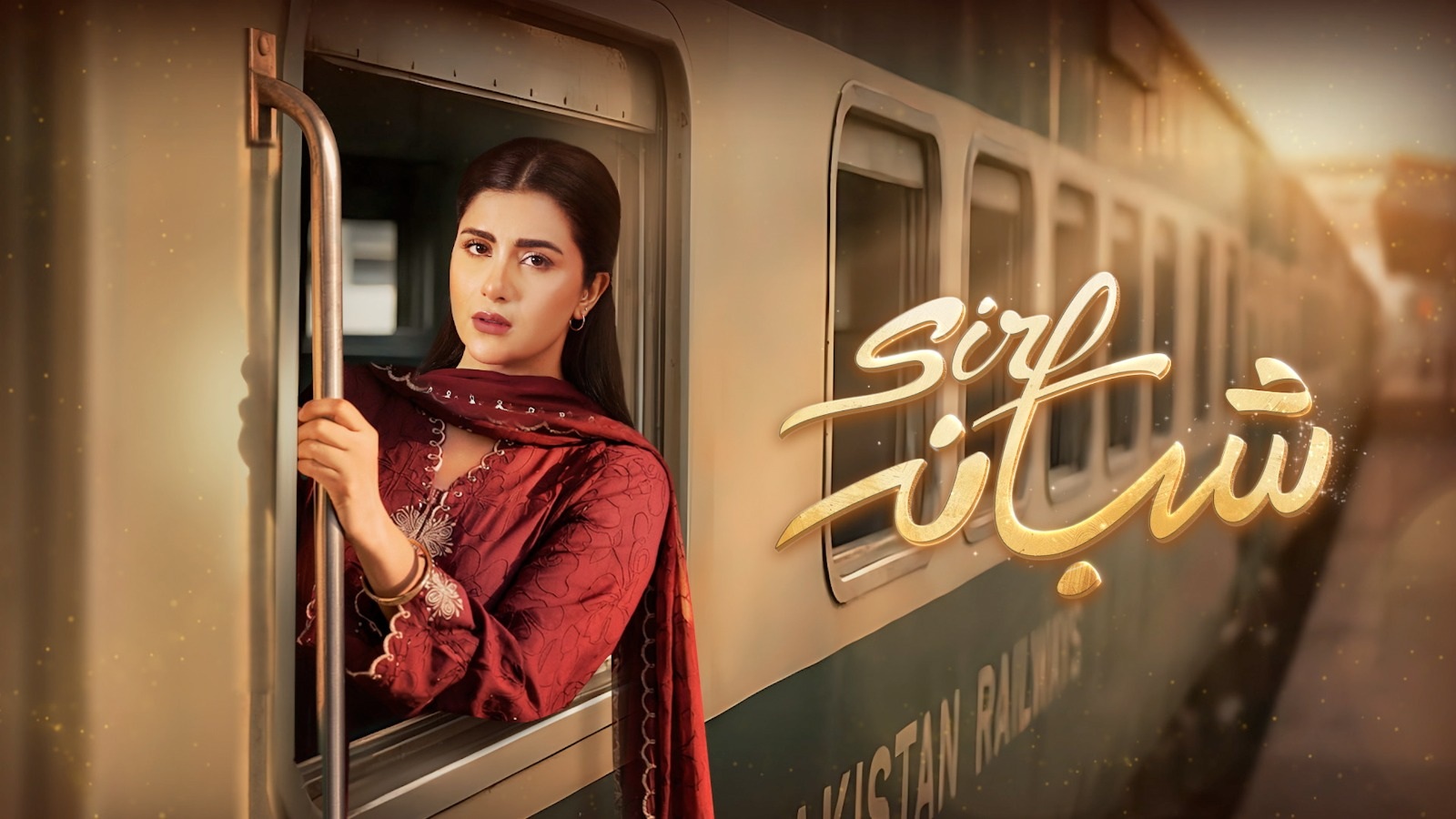
Hero image: Moomal Productions / HUM TV.
Editorial analysis of the completed drama’s premise and critical reception. A relationship spoiler appears in the marked final section.
An identity document makes an unusually revealing starting point for a television heroine. In Sirf Shabana, the desire to be recognised without being defined by a father or husband turns a familiar administrative detail into the central dramatic proposition. Shabana wants her name to be enough. HUM’s opening-episode description makes that demand explicit. Official episode one
That gives the drama something more substantial than a choice between two men. A romantic decision can change a woman’s circumstances while leaving the terms on which she is valued untouched. Shabana’s claim is larger: she wants recognition that does not have to be borrowed from a relationship.
The title is consequently both a promise and a test. Every new attachment should be judged against the space it leaves for the person named in it.
The appeal of a heroine who can argue
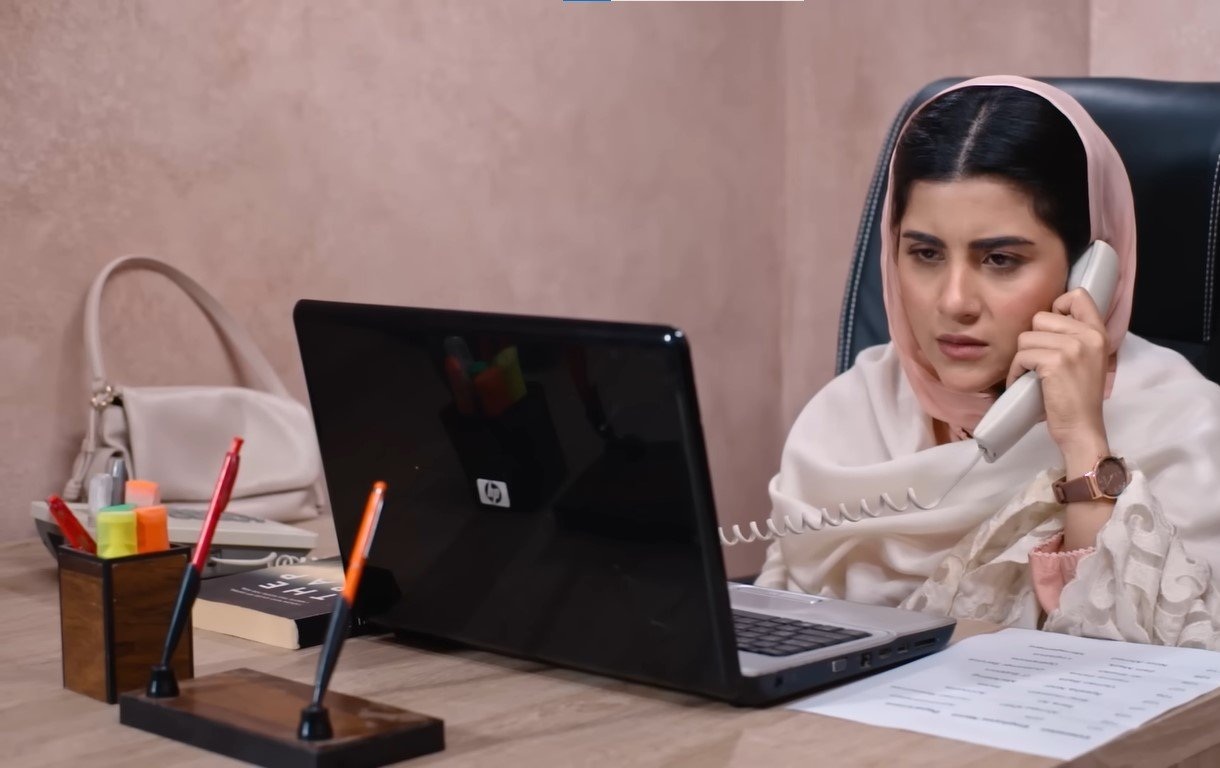
The production brings together Sohai Ali Abro, Adeel Hussain and Durab Khalil, with Sanam Mehdi Zaryab writing and Aabis Raza directing. These are the credits listed by Moomal Productions. The interesting element of that combination is the room the premise creates for competing kinds of connection, rather than simply the familiarity of the cast. Moomal Productions’ catalogue
Shabana’s independence should not be measured by how rarely she needs anyone. That would replace one implausible ideal with another. She can want companionship, accept help and make a poor decision without surrendering the right to be treated as a person. A drama with this starting point becomes interesting when care and control are difficult to separate.
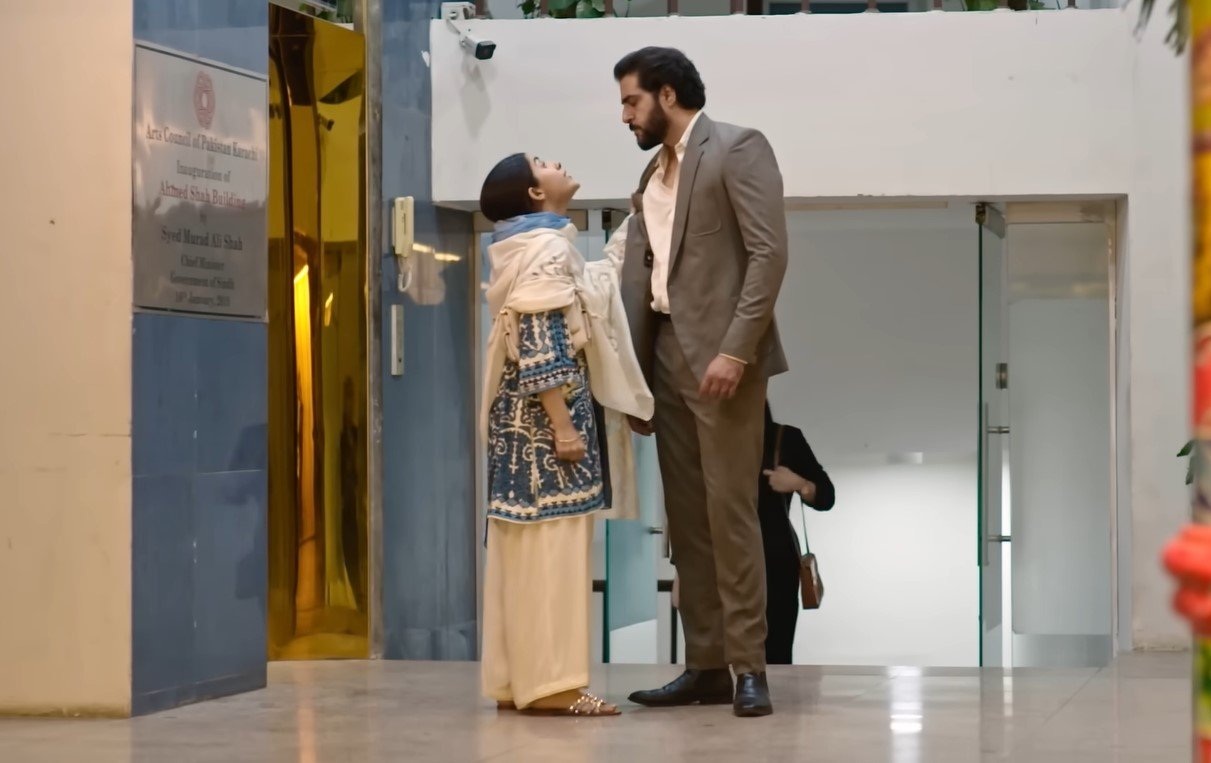
This helps explain why reactions to the supporting men matter. They indicate whether the audience is being invited to assess relationships or simply pick a favourite candidate. A man can be charming and still occupy too much of the heroine’s story. Another can be sympathetic without becoming the answer to it.
Niche collected several X posts in May that responded to precisely this mixture of character interest and uncertainty. The collection is useful as a record of specific reactions; its celebratory framing is not evidence that the whole audience agreed. Niche’s audience report
What the X discussion actually says
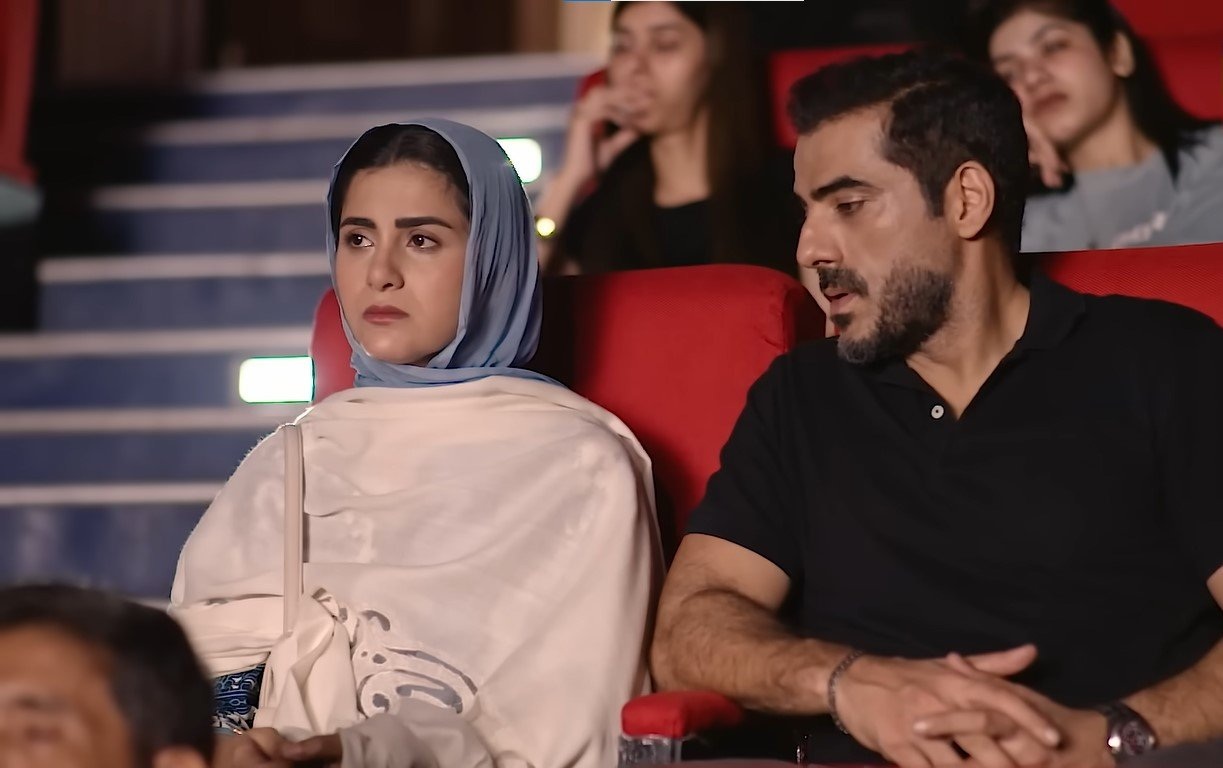
@zaraeena’s 6 May post praises Sohai’s work and the casting while also describing the pacing as slow. That qualification is more informative than uncomplicated enthusiasm. A viewer can find individual encounters affecting and still feel that the larger story takes too long to move.
@KhyberSKY’s post on the same date responds to Adeel Hussain’s naturalness and remains invested in more than one character. @arsalaa_tweets singles out the writing and Durab’s work. These posts were preserved in Niche’s article; current engagement counts could not be checked, so they should not be described as the most popular tweets about the show.
The useful observation is their emphasis on people and dialogue. The viewers quoted are discussing how the characters hold their attention, rather than pointing only to a twist. That is a promising response for a drama organised around identity, although it cannot substitute for a scene-by-scene assessment of execution.
Public reaction on X
Public reaction on X
Public reaction on X
Slow is not the same as static
A small April discussion on Reddit offers a less uniform response. One contributor’s six-episode assessment praised Durab Khalil but questioned aspects of Sohai’s delivery and the amount of philosophical dialogue. Other early discussion was more enthusiastic. These are individual opinions, not an audience verdict. Six-episode discussion, another early discussion
The disagreement identifies a tension built into this kind of writing. A heroine needs language with which to express herself, especially when other people have spent years speaking on her behalf. But articulate dialogue can become a display case for an argument. The character begins to sound as though she exists to deliver the programme’s position.
The way through that problem is dramatic consequence. An assertion of independence should alter an arrangement, cost someone something or reveal a contradiction. If it does, the speech belongs to the character’s circumstances. If it merely restates the title’s promise, eloquence can become another form of delay.
There is also a useful difference between uncertainty and obstruction. An audience can wait to discover what Shabana wants. Waiting because the story keeps preventing a conversation that would resolve a manufactured misunderstanding is another experience. The reported praise for surprise and the criticism of pace can both be true if the drama’s individual developments are interesting but unevenly distributed.
PakStyles’ reading of this reception is therefore qualified. Sirf Shabana appears to have given some viewers a heroine and a set of relationships worth discussing in detail. That is a stronger reason to consider it than a claim that it never uses familiar devices. Familiar devices are not automatically failures; what matters is whether they narrow or enlarge the person at the centre.
The ending cannot do all the work
Finale relationship spoiler.
HUM labels episode 31 as the finale. A discussion posted after its release welcomed Shabana and Bilal’s outcome while also containing reservations about the middle stretch. The celebratory response should be understood at that scale: a small group reacting to the ending, not proof of universal satisfaction. Official finale, finale discussion
A happy relationship is not incompatible with the drama’s claim to independence. The more revealing question is whether happiness depends on Shabana becoming easier to accommodate. A story can let its heroine fall in love without making love a reward for abandoning her difficult questions.
That is why the identity premise remains the best way to approach this completed series. Viewers looking primarily for a quick romantic resolution may find the reported pacing reservations significant. Those interested in conversations about recognition, dependence and the terms of affection have a more distinctive reason to watch.
Sirf Shabana’s most valuable invitation is to ask what remains of a woman’s selfhood when the romantic uncertainty ends. Her name should still mean something after the couple has been chosen.
About Sirf Shabana
Channel: HUM TV. Writer: Sanam Mehdi Zaryab. Director: Aabis Raza. Production: Moomal / MD Productions. Principal cast: Sohai Ali Abro, Adeel Hussain and Durab Khalil. Credits: Moomal Productions.
Status: Completed; official final episode 31, dated 7 July 2026. Coverage: Published opening-premise material, a six-episode viewer assessment and finale discussion; not a first-hand viewing log. Last updated: 23 September 2026.
For two other approaches to a woman’s right to define her future, read our assessment of Beena in Aap Ki Izzat and the choices surrounding Zaryab in Dar-e-Nijaat.
Watching from abroad? See our guide to official viewing options in the UK and USA.
Was this helpful?
Keep reading
Related stories
More from this desk, this beat, and the tags on this piece.

Ek Chadar Maili Si: Why the Reported 2026 HUM Drama Still Needs Verification
Bilal Ahmed · 24 Sep 2026
Aap Ki Izzat: Beena Needs More Than a Husband Who Finally Regrets Losing Her
Bilal Ahmed · 23 Sep 2026

Jaanam: What Can Actually Be Verified About the Reported 2026 Drama?
Bilal Ahmed · 24 Sep 2026
Readers
The conversation
0 notes
Anyone can leave a note. Guests add a name and email — no account required, and the email is never published.
No notes yet. Yours would be the first.