Dar-e-Nijaat: Khushbakht Makes Compassion More Interesting Than Judgement
Khushbakht’s compassion supplies a revealing counterpoint to Zamil’s judgement. PakStyles examines Zaryab’s choices, inherited obligations and audience reactions.
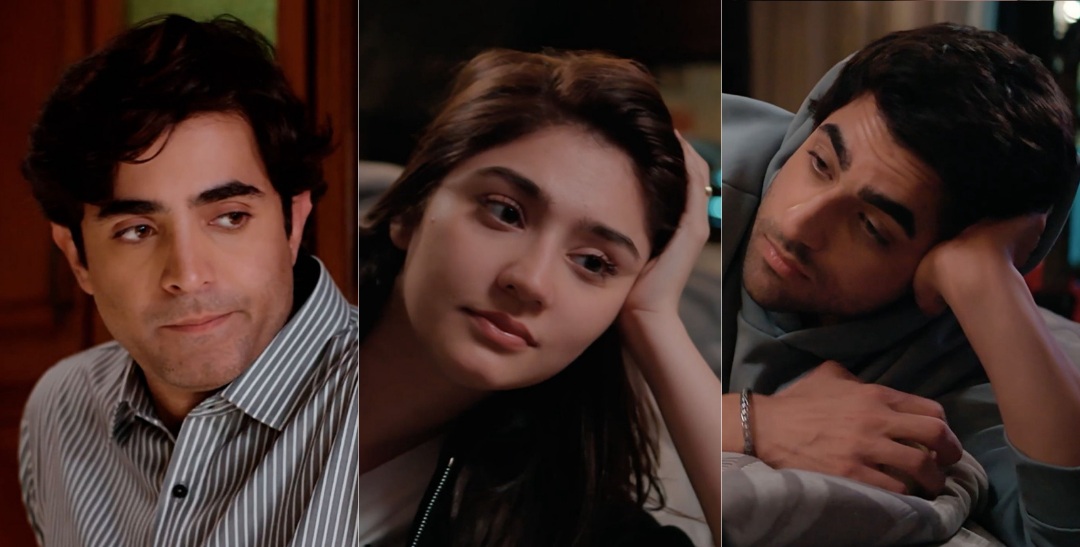
Hero image: ARY Digital.
Editorial analysis of the opening premise and developments reported through 21 September 2026. Contains spoilers for Zamil, Zaryab and the proposed marriage to Abu Bakr.
The more interesting question in Dar-e-Nijaat is not which character looks most virtuous. It is what the characters do when somebody else’s past becomes inconvenient. A claim to moral seriousness is easy to make when it costs nothing. Umera Ahmed’s story becomes worth arguing about when it asks whether that seriousness includes compassion.
ARY introduced the drama through two contrasting households: Abu Bakr’s upbringing under Khushbakht and the privileged lives of Zaryab and Zamil. That arrangement gives the opening a clear set of contrasts, but contrast alone is a limited engine. A modest home need not contain all the wisdom, and an affluent one need not contain all the mistakes. The later relationships matter because they complicate the original sorting. ARY’s account of episode one
For PakStyles, Khushbakht is the most revealing figure in that complication. Her response to another woman’s vulnerability offers a more useful measure of character than the language with which Zamil explains himself.
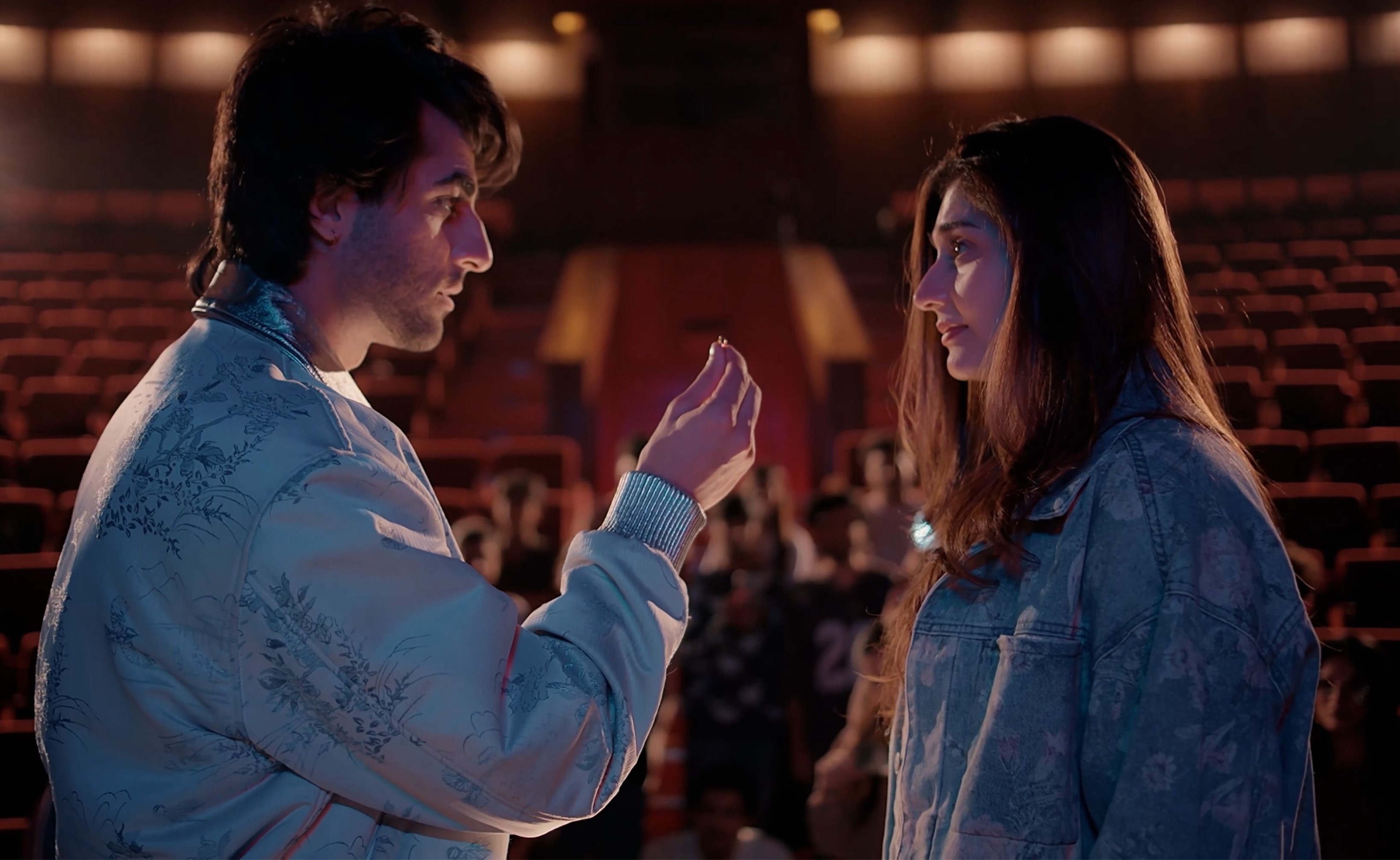
Zamil’s change must be judged by its consequences
Niche’s September coverage describes Zamil abandoning Zaryab and returning to Pakistan with a wife who fits his new expectations. The report places his demand for obedience beside Zaryab’s distress. Those are reported story developments, not a basis for making claims about the beliefs of people outside this fictional relationship. Niche’s account of the confrontation
The dramatic issue is accountability. A person can change his understanding of how he wants to live. That does not erase his responsibility for the way he communicates the change or treats someone who trusted him. A story that allows moral language to conceal that distinction would end up endorsing the very entitlement it appears to examine.
Zaryab’s hurt also needs to remain more than evidence against Zamil. Her attachment, mistakes and expectations should belong to her own character. Otherwise, the drama risks using a woman’s distress chiefly to establish which man has the better values.
The confrontation attracted specific praise on X. @UzmaRS’s 13 September post responds to Dur-e-Fishan’s portrayal of Zaryab’s anguish. @KhyberSKY’s 12 September post praises both Dur-e-Fishan and Nameer in the exchange. Niche preserved these posts; their current likes and reach were not independently available. Their value here is that they identify a performance moment viewers discussed, not that they establish a popularity ranking.
There is an important critical distinction inside that praise. A confrontation can be compelling because both actors make the conflict vivid. That does not mean the characters’ positions deserve equal moral weight. Nor does an effective display of heartbreak automatically answer what the woman will be allowed to do next.
The older women change the argument
According to Niche’s September 21 account, Khushbakht learns about Zaryab’s relationship with Zamil and still supports a match with her son, Abu Bakr. Her decision is connected to an older obligation to Kishwar Jahan, who once helped her. The arrangement therefore combines generosity with a debt that precedes the prospective couple. Report on Khushbakht and Kishwar Jahan
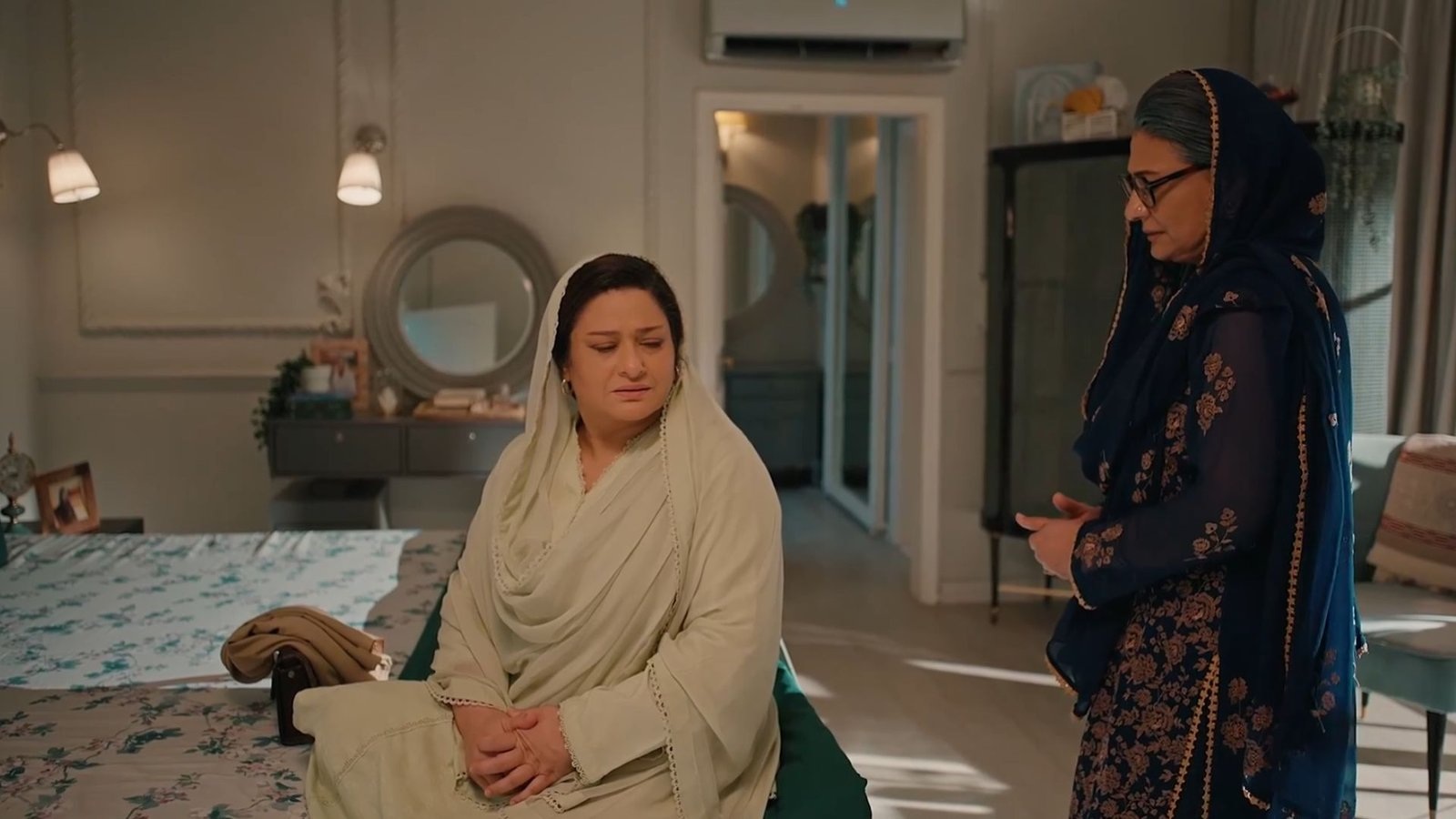
This is a richer conflict than a straightforward rescue. Kindness can be real while the arrangement through which it operates remains complicated. Khushbakht’s refusal to reduce Zaryab to her past deserves attention; the decisions being made around Abu Bakr and Zaryab still deserve scrutiny.
A debt between parents does not automatically become consent between children. Equally, respecting a parent is not inherently the absence of a choice. The writing has space to make both distinctions, provided the couple can articulate what they want rather than simply fulfil the emotional obligations of the previous generation.
That is where the presence of Sania Saeed and Saba Hamid becomes structurally important. Their characters are not merely observing the younger leads. The earlier relationship between the women helps organise the future relationship between the young people. The romantic plot sits inside a history it did not create.
Two further X reactions preserved by Niche focus on Khushbakht’s response. @Itsmeroumy’s post welcomes her refusal to condemn Zaryab; @KhyberSKY’s post discusses the handling of private history. Their religious interpretations belong to those users. PakStyles cites them as reactions to the character, not as religious guidance.
Public reaction on X
Public reaction on X
Public reaction on X
Public reaction on X
Beyond the ideal man
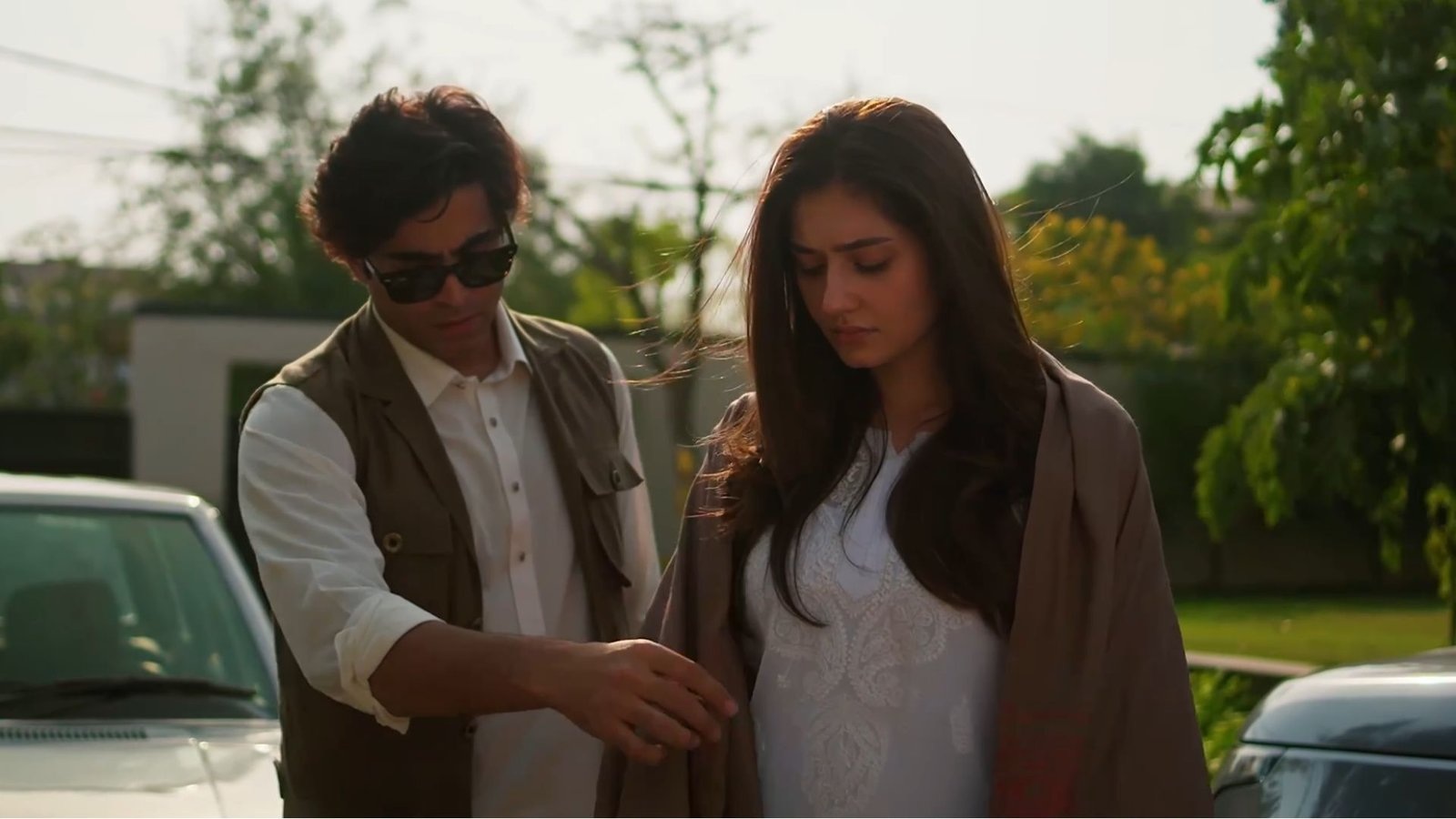
Sheheryar Munawar’s Abu Bakr occupies an appealing position in the story: he can offer a different model of conduct from Zamil. Yet the more consistently admirable a romantic lead becomes, the more important it is to give him a perspective rather than only a function. An ideal man who exists to repair the heroine’s life is still an ideal, even when the values he represents are welcome.
The useful dramatic question is what Abu Bakr understands, what he chooses and what his generosity asks of him. Zaryab, meanwhile, needs room to be more than grateful. A relationship built after humiliation becomes convincing when both people can disagree without the woman’s past being returned to the table as evidence against her.
Early audience discussion was already mixed on execution. An episode-one Reddit thread contains praise for the introduction of the families alongside reservations about dialogue delivery and chemistry. That small conversation should not be expanded into a general verdict on the cast. It does show why the social argument and the dramatic experience should be assessed separately. Opening-episode discussion
Dar-e-Nijaat offers viewers interested in family histories and moral conflict a specific reason to pay attention. Its promise lies in the differences between professed virtue, inherited obligation and the treatment of a person who can no longer protect her reputation. The outcome remains open in this assessment.
Khushbakht’s compassion is worth following because it acts on somebody else’s behalf. The next test is whether that compassion gives Zaryab a voice in her own future.
About Dar-e-Nijaat
Channel: ARY Digital. Writer: Umera Ahmed. Principal cast: Sheheryar Munawar, Dur-e-Fishan Saleem, Nameer Nawaz Khan, Sania Saeed and Saba Hamid. Official programme page.
Coverage: Ongoing-story analysis using opening-episode reporting and developments covered through 21 September; not a first-hand episode viewing log. No ending is predicted. Last updated: 23 September 2026.
Umera Ahmed’s Aap Ki Izzat raises a related question about dignity. Sirf Shabana approaches recognition through a woman’s claim to her own name.
Watching from abroad? See our guide to official viewing options in the UK and USA.
Was this helpful?
Keep reading
Related stories
More from this desk, this beat, and the tags on this piece.

Jaanam: What Can Actually Be Verified About the Reported 2026 Drama?
Bilal Ahmed · 24 Sep 2026
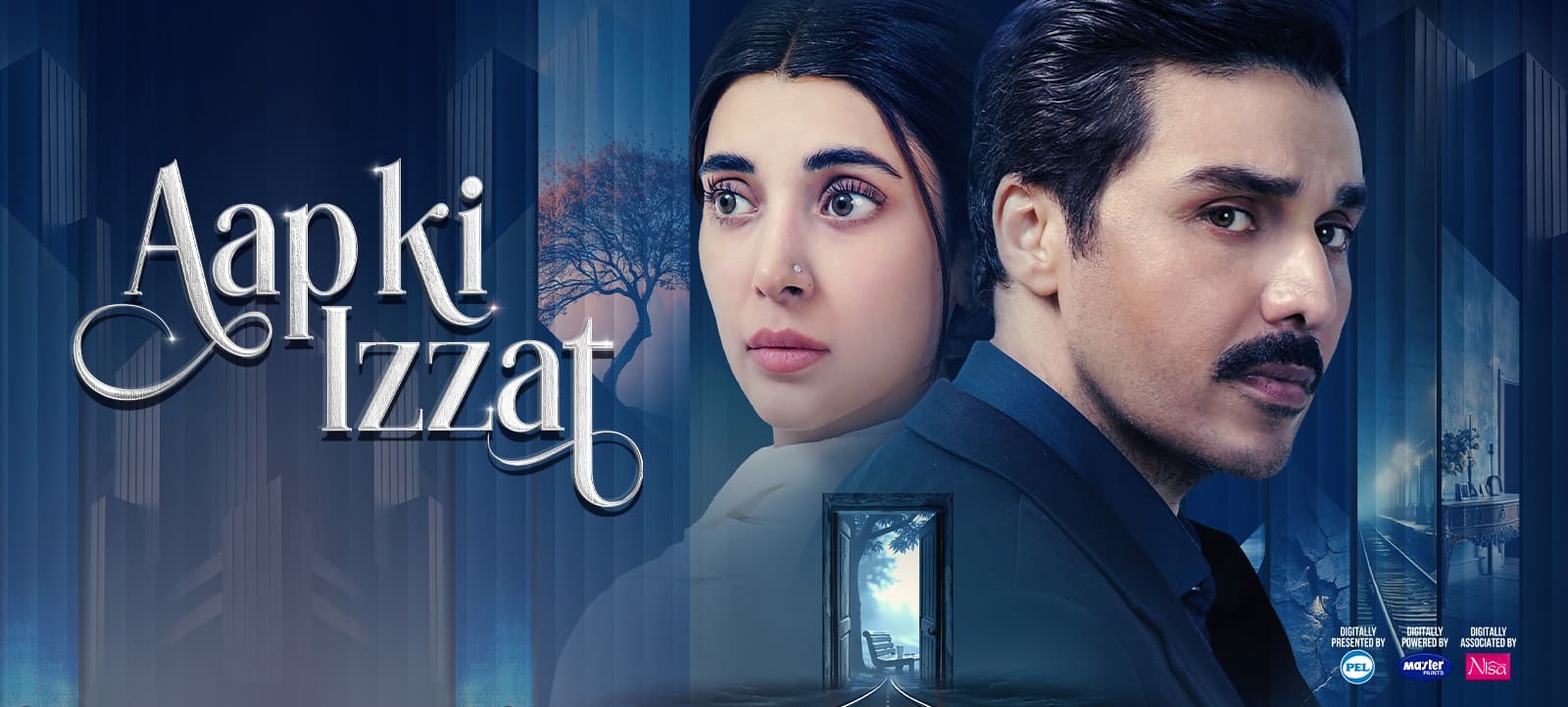
Aap Ki Izzat: Beena Needs More Than a Husband Who Finally Regrets Losing Her
Bilal Ahmed · 23 Sep 2026

Ek Chadar Maili Si: Why the Reported 2026 HUM Drama Still Needs Verification
Bilal Ahmed · 24 Sep 2026

Toota Huwa Dil: Three Different Kinds of Pressure in Its Opening Premise
Bilal Ahmed · 23 Sep 2026

Readers
The conversation
0 notes
Anyone can leave a note. Guests add a name and email — no account required, and the email is never published.
No notes yet. Yours would be the first.