Aap Ki Izzat: Beena Needs More Than a Husband Who Finally Regrets Losing Her
Beena’s dignity cannot depend on Tabish’s regret. A PakStyles assessment of the marriage, Zarmala’s role and the discussion around Umera Ahmed’s drama.

Hero image: HUM TV.
Editorial analysis based on published episode criticism and story coverage through 21 September 2026. Contains spoilers for Beena’s marriage and her encounter with Zarmala.
Tabish can speak the language of women’s dignity in public while making his wife feel small at home. That contradiction gives Aap Ki Izzat its most useful target. The problem is not simply that a husband wants somebody else. It is that he regards the woman who helped sustain his life as somebody whose feelings no longer require serious consideration.
Niche’s early coverage identifies the collision between Tabish’s public politics and his treatment of Beena. Ahsan Khan’s character wants the authority associated with respectability without accepting the obligations that would make him respectable. Urwa Hocane’s Beena is left carrying the domestic consequences of that arrangement. Niche’s July assessment
PakStyles’ interest in this story lies in what happens after the audience recognises the hypocrisy. Condemning Tabish is easy. Giving Beena a life that does not revolve around his judgement is a much harder dramatic assignment.
The household has already voted
Youlin’s review of the opening six episodes describes a family in which dismissiveness has become ordinary: Tabish belittles Beena’s appearance, his mother expects her to assist with preparations for his new marriage, and the children absorb the surrounding contempt. Those details explain more than a declaration that the marriage is unhappy. They show how a household can make humiliation part of its operating routine. Hurmat Majid’s review for Youlin
The mother’s involvement is particularly important. A son does not need every relative to endorse every decision. He needs the people around him to keep making his decisions manageable. Beena’s work remains useful even when her feelings have become inconvenient. The cruelty is therefore distributed: one person makes the demand, another calls it practical, and the person being hurt is expected to preserve the peace.
This gives Sania Saeed’s role a purpose beyond supplying another formidable elder. The character occupies the space between recognising pain and choosing to accommodate the person causing it. Youlin praised the restraint of the central performances; that is an attributed critical judgement, rather than evidence that every later confrontation maintains the same control.
The distinction matters because a drama about everyday degradation can lose precision when every injury becomes an announcement. Beena does not become more worthy of sympathy each time the script restates that she has suffered. The audience needs to see what that recognition allows her to do.
When dialogue stops moving the relationship
Shabana Mukhtar’s episode-16 review praises Urwa Hocane while criticising repeated exchanges about why Beena did not speak and why nobody listened. Her later episode reviews also identify repetition. This is one reviewer’s assessment, but it isolates a useful craft question: does another confrontation change the balance of power, or merely explain the existing imbalance again? Episode 16 review, episode 19 review
There is a legitimate reason for someone who has been dismissed to repeat herself. Being heard is not the same as having spoken. Television still has to distinguish psychological repetition from narrative repetition. A familiar complaint can become dramatically new when the listener can no longer evade it, when a child understands it differently, or when the speaker stops asking for agreement. Without that change, an emotionally valid exchange can become an inefficient scene.
That is the pressure on Umera Ahmed’s writing and Saife Hassan’s direction. The subject deserves time, but time alone does not deepen it. The stronger development is a change in Beena’s understanding of her circumstances, especially when it unsettles a comforting assumption of her own.
Zarmala complicates the rescue story
Later-story spoilers follow.
Niche’s September report describes Beena meeting Zarmala, the wife of the vegetable vendor Behram. The encounter punctures Beena’s belief that the attention he offers her necessarily reflects how he treats women within his own home. Zarmala supplies another account of the same man. Niche’s report on their encounter
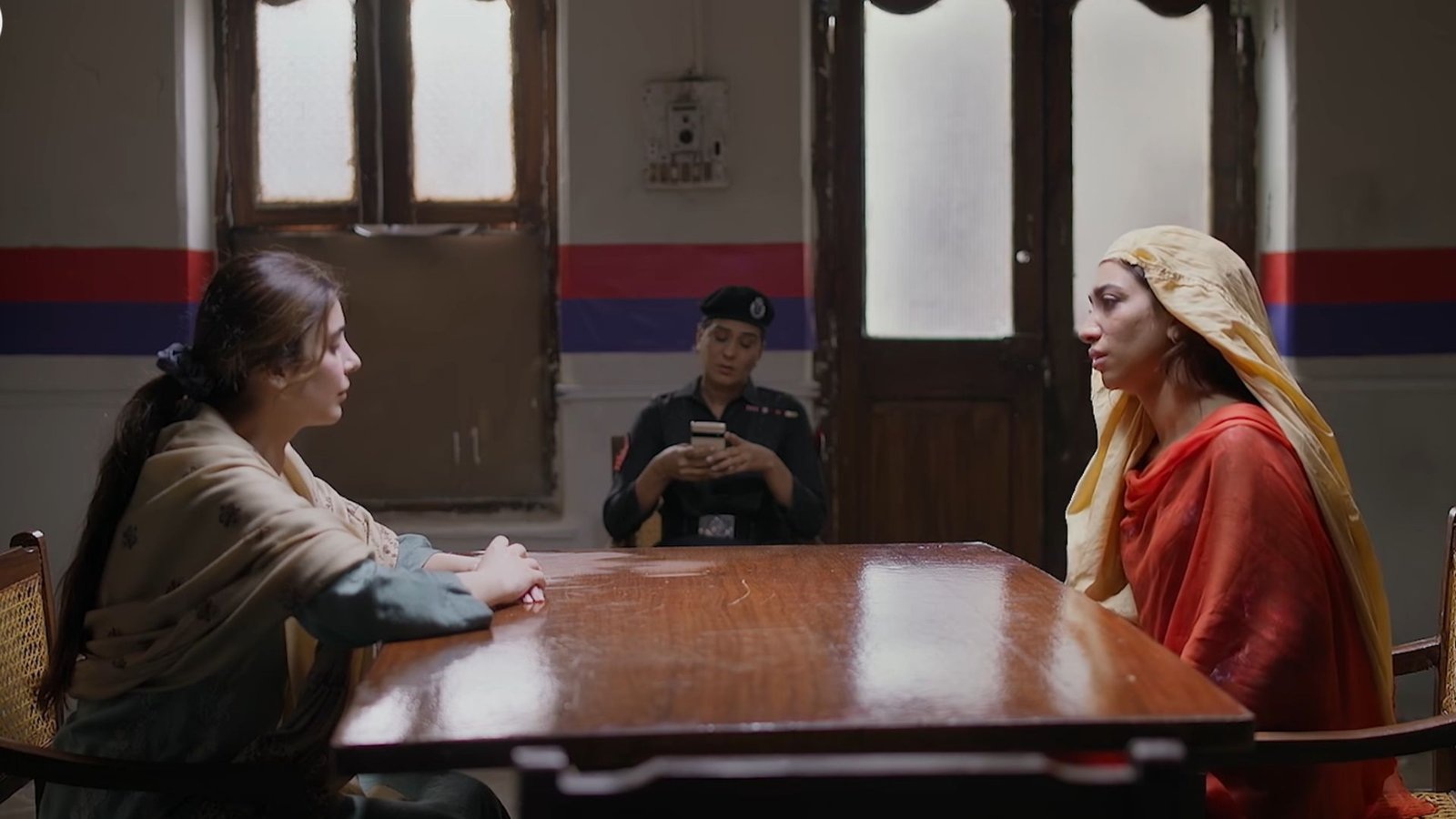
This is a stronger complication than simply revealing that a possible romantic alternative has a secret. It questions the measure by which Beena has begun to judge respect. After sustained neglect, attention can feel like proof of goodness. The story becomes more difficult when the recipient discovers that someone else is paying for that apparent generosity.
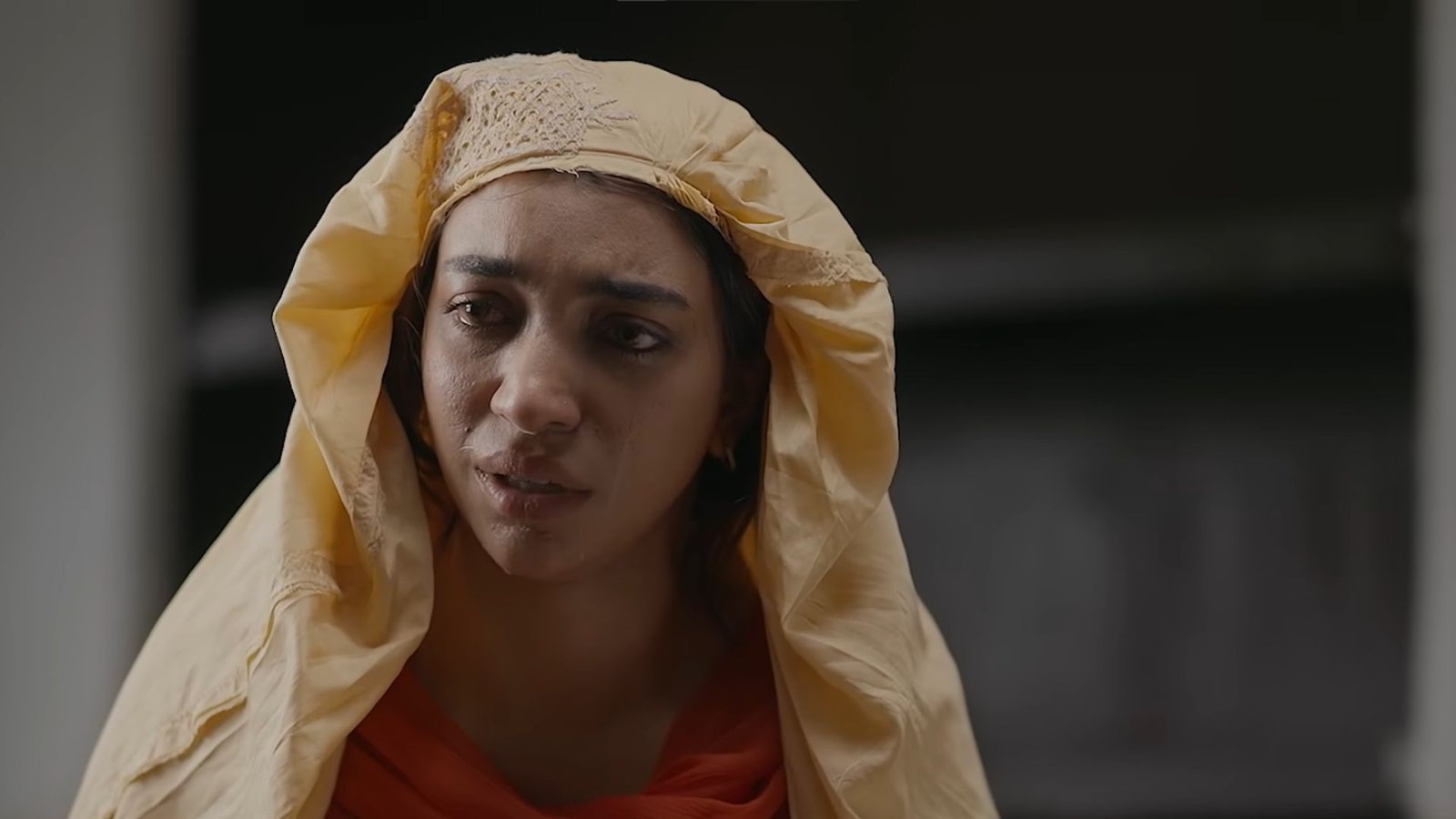
Zarmala must nevertheless be more than an instrument for Beena’s education. If one woman gets insight and another remains trapped, the difference between them cannot be tidied away by celebrating a moral lesson. Their choices are shaped by resources and circumstances as well as courage. A meaningful comparison should leave the audience thinking about the woman who cannot act on what she knows.
Two X posts preserved in Niche’s coverage respond to this strand. @mehakhaaan’s 19 September post praises the parallels in Umera Ahmed’s writing; @SobiaMLodhi’s 18 September post responds to the women’s hurt. These are identifiable reactions, not a poll, and their engagement totals were not available for verification.
Public reaction on X
Public reaction on X
Sympathy should not become another instruction
The reception of Hafiz offers a different clue to what this drama is doing for some viewers. Niche’s coverage describes his response to Beena as compassionate rather than punitive. The attraction of the character is understandable: she encounters a man who can discuss her distress without immediately making his own authority the centre of the conversation. Niche’s coverage of Hafiz
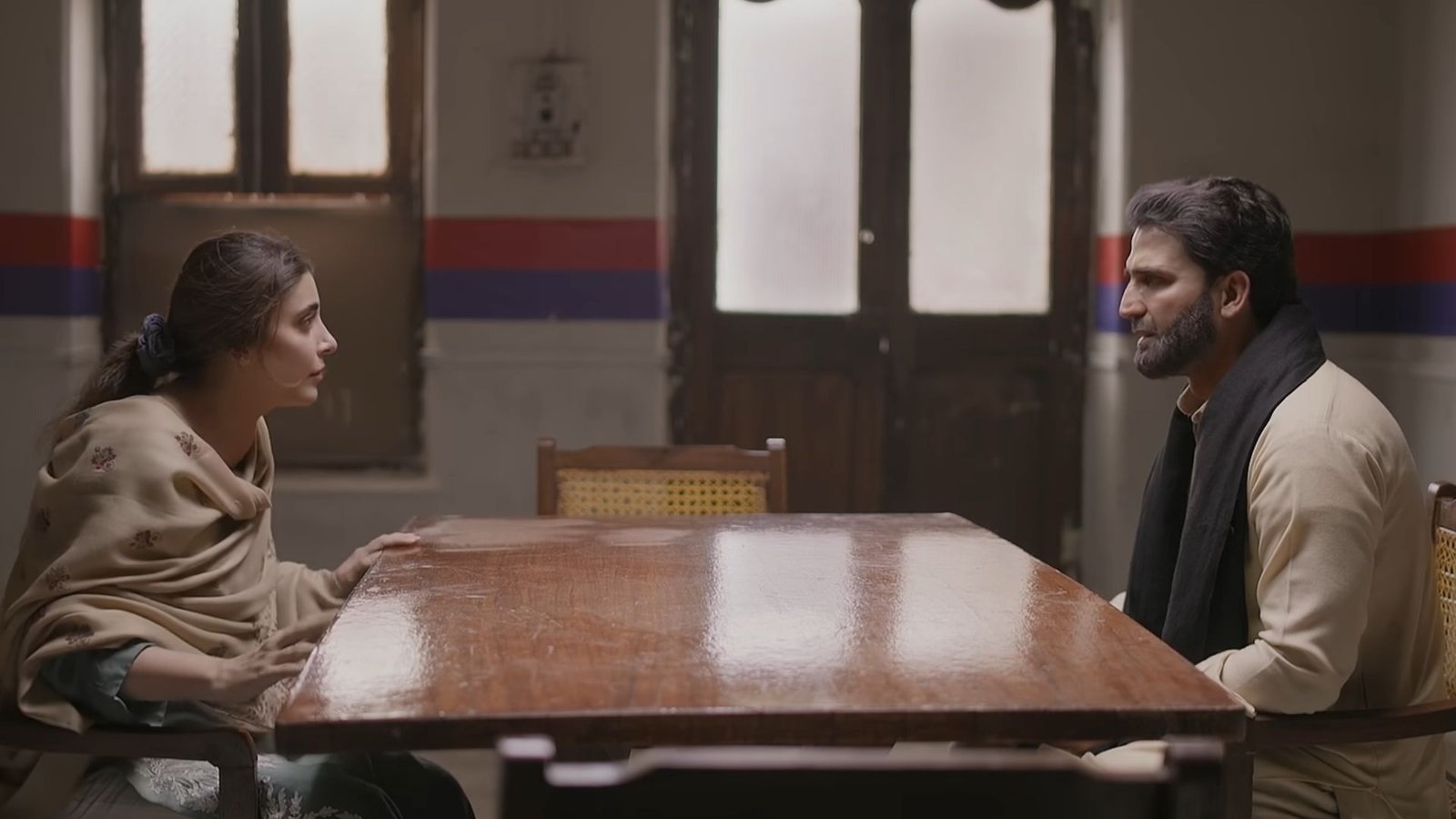
That strand is valuable as drama when it widens Beena’s choices. It becomes less valuable if reassurance simply guides her back to the arrangement everyone else prefers. Forgiveness, reconciliation and recovery are different developments. A script does not settle all three by making a husband sorry.
For viewers drawn to family stories with moral argument, Aap Ki Izzat offers a more pointed discussion than a simple competition between a wife and another woman. Its strongest question concerns who gets to define a woman’s worth after years of taking her labour for granted. The criticism of repetition is relevant precisely because that question is worth pursuing beyond another speech.
Beena’s future should reveal what she now considers acceptable. Tabish’s regret can be part of that future. It cannot be its entire meaning.
About Aap Ki Izzat
Channel: HUM TV. Writer: Umera Ahmed. Director: Saife Hassan. Producers: Nina Kashif and Momina Duraid. Principal cast: Urwa Hocane, Ahsan Khan, Sania Saeed and Saif Ali Khan. Credits: official opening episode.
Coverage: An ongoing-story assessment using criticism of episodes 1–6, 16 and 19 and later reporting dated 21 September. This is a research-based analysis, not a first-hand viewing log. Last updated: 23 September 2026.
Beena’s search for recognition has a useful companion in Shabana’s claim to an identity of her own. For another Umera Ahmed story concerned with judgement and compassion, read our Dar-e-Nijaat assessment.
Watching from abroad? See our guide to official viewing options in the UK and USA.
Filed under
Was this helpful?
Keep reading
Related stories
More from this desk, this beat, and the tags on this piece.

Ek Chadar Maili Si: Why the Reported 2026 HUM Drama Still Needs Verification
Bilal Ahmed · 24 Sep 2026

Sirf Shabana: A Woman’s Name Is a Better Starting Point Than a Love Triangle
Bilal Ahmed · 23 Sep 2026
Dar-e-Nijaat: Khushbakht Makes Compassion More Interesting Than Judgement
Bilal Ahmed · 23 Sep 2026

Jaanam: What Can Actually Be Verified About the Reported 2026 Drama?
Bilal Ahmed · 24 Sep 2026

Readers
The conversation
0 notes
Anyone can leave a note. Guests add a name and email — no account required, and the email is never published.
No notes yet. Yours would be the first.