Heritage
A respectful day in Lahore’s Walled City
Plan one walk through living streets: check access, dress for worship spaces, ask before photographing, and leave time for the city between monuments.
By Mehreen Ali
Travel editor
4 min read
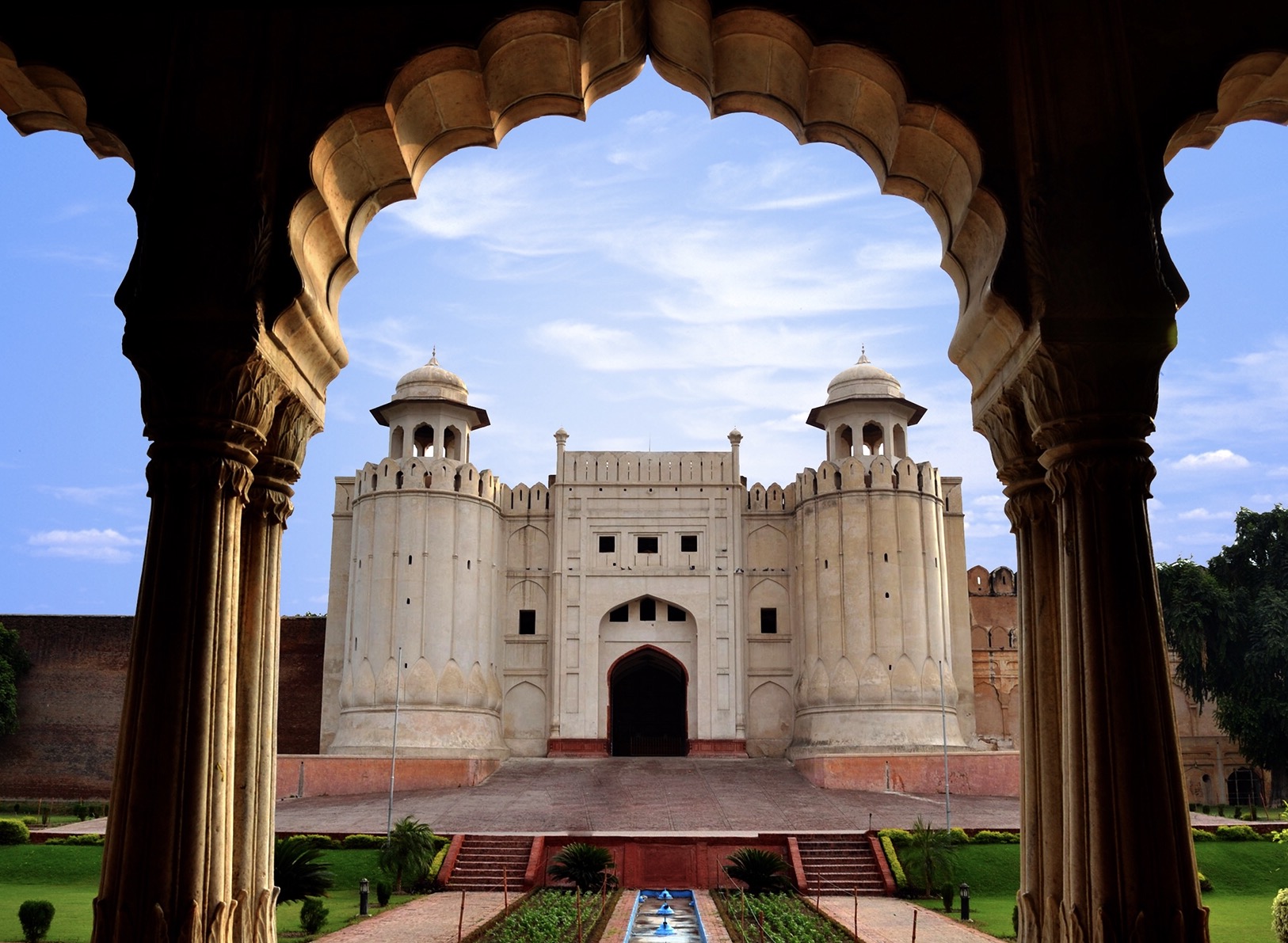
The Walled City is not a chain of monuments connected by empty lanes. It is a lived neighbourhood with worship, trade, school runs, deliveries, repairs, and visitors happening at once. A good day therefore has fewer stops than the map suggests. Choose one entrance, verify current opening and ticket information with the site authority, wear shoes for uneven ground, and allow the street between buildings to be part of the visit. Heritage improves when it stops being a race for completed names.
The lane is not dead space between monuments; it is part of what you came to understand.
— PakStyles travel desk
Check the day before you leave
Hours, conservation closures, security arrangements, and ticket rules can change. Confirm them through the Walled City of Lahore Authority or the relevant site office rather than relying on an old itinerary. Religious observance and special events can alter access. Build a route that still works if one courtyard or gallery is closed.
Start early enough to walk before the hardest heat, but do not assume every gate opens at sunrise. Carry water, sun protection, cash in small denominations, and a charged phone. Keep the bag compact for narrow, crowded lanes. If mobility is limited, ask about steps, surfaces, and vehicle access in advance; historic fabric is rarely level.
Choose one coherent route
Delhi Gate toward Wazir Khan Mosque offers architecture, commerce, and street life in a manageable sequence. Lahore Fort and Badshahi Mosque can form another focused visit. Combining both may be possible, but only if time and weather allow pauses. A checklist that forces you to sprint through prayer times and lunch does not create a richer day.
Use a licensed or clearly identified guide when interpretation matters, agree the fee and duration before starting, and ask what the route includes. A good guide explains change: who uses a building now, what has been restored, and what remains uncertain. Certainty performed for a tip is not history.
Treat worship spaces as worship spaces
Dress modestly, carry an easy head covering where appropriate, remove shoes when asked, and follow local instructions. Avoid crossing directly in front of someone praying. Keep voices low and phones silent. If access is paused for prayer, wait or return; a visitor timetable does not outrank the building’s primary use.
Photography rules vary. Permission to enter is not permission to photograph every person inside. Ask before taking close portraits, especially of children, worshippers, workers, and residents at their doors. A wide architectural view can usually be made without turning someone else’s ordinary morning into content.
Spend without staging the street
Eat where the timing and hygiene suit you, buy from working shops, and ask before handling craft. Agree prices before a service begins. Bargaining may be normal in some settings, but humiliation is not a technique. A small purchase made directly is often more useful than photographing a shopkeeper and promising exposure.
Do not block a lane for a posed group or ask a business to clear its customers for your frame. Step aside for carts, bikes, and residents. If a rooftop or private interior is offered, clarify the charge and boundaries first. A home does not become public heritage because its ceiling is beautiful.
Leave room for what you cannot consume
Rest before fatigue turns every doorway into an obstacle. Sit where sitting is permitted, drink water, and stop adding destinations. Read labels closely and separate documented history from family story; both can matter without being the same kind of evidence. Note questions to research later instead of demanding a simple answer on the spot.
Take litter out, avoid touching painted or carved surfaces, and obey barriers even when another visitor ignores them. Share the place without geotagging a private doorway as an attraction. The measure of the day is not how much access you extracted, but whether your presence allowed the neighbourhood to continue around you.
Verify the practical details, walk one route well, and remember that conservation protects a living city—not a set built for visitors.
Keep reading
Related stories
More from this desk, this beat, and the tags on this piece.

Pakistani textiles explained: ajrak, phulkari, ralli, and beyond
Mehreen Ali · 19 Aug 2026 · 2 min
Derawar Fort and Cholistan: permissions, heat and distance
Mehreen Ali · 13 Sep 2026 · 16 min
Makli Necropolis visitor guide: heat, scale and conservation
Mehreen Ali · 13 Sep 2026 · 16 min
Readers
The conversation
0 notes
Anyone can leave a note. Guests add a name and email — no account required, and the email is never published.
No notes yet. Yours would be the first.