Lahore Fort, Badshahi, and the living bazaar
A living-city visit to Lahore Fort and Badshahi: official tickets and hours, mosque manners, bazaar purchases, accessibility, and why Food Street is optional.
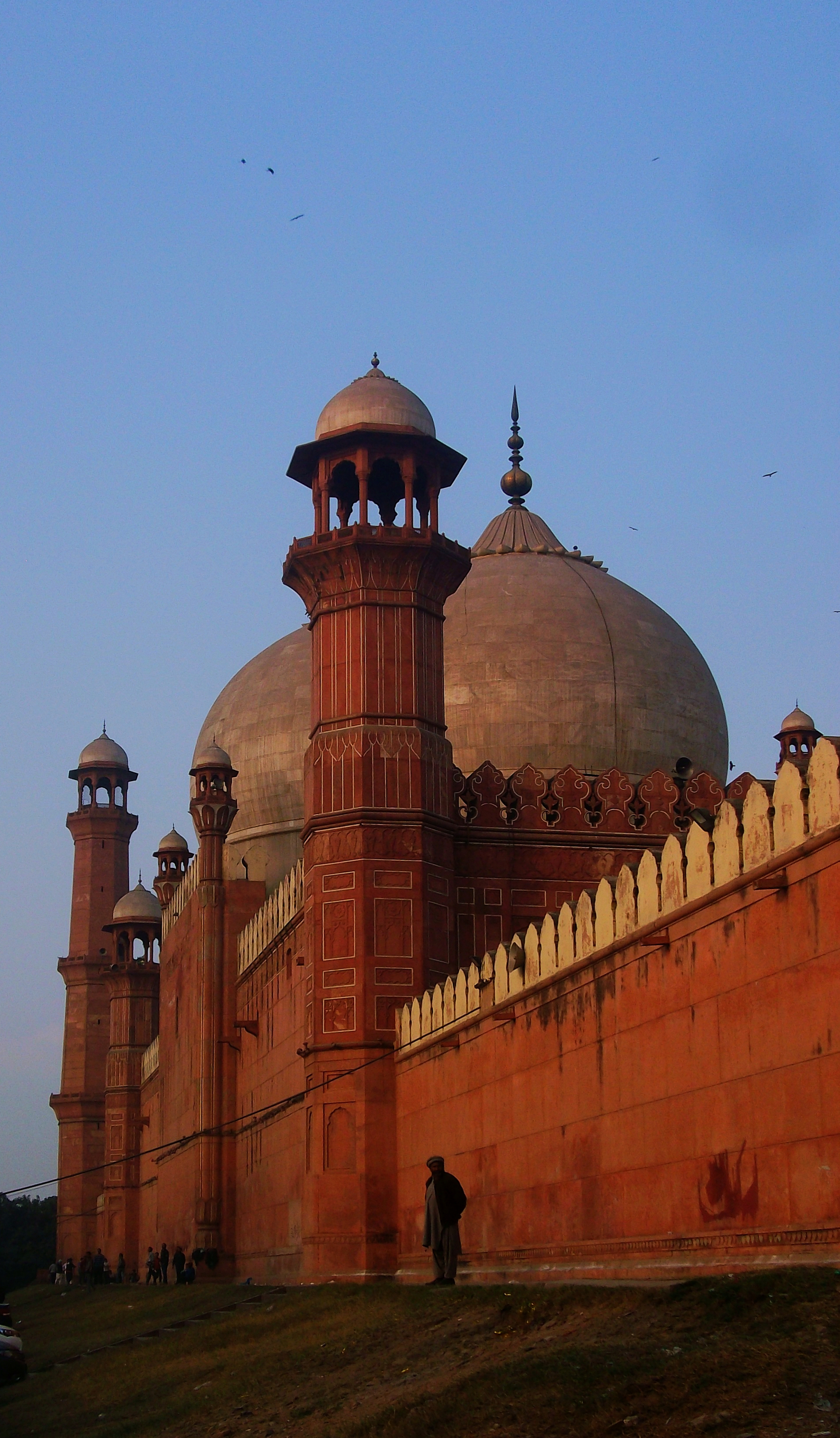
The Walled City of Lahore is a neighbourhood that contains monumental architecture, not a set that contains extras. Lahore Fort and the Badshahi Mosque draw visitors for good reason; the lanes around them remain places where people live, cook, pray, and work. A useful visit pays for tickets, covers shoulders where required, buys from shops as a customer, and leaves courtyards out of drone shots.
Early answer: confirm visitor rules through the Walled City of Lahore Authority (and the Fort’s own visitor pages when you need ticketing detail), walk on a working weekday if you want the living city rather than only peak-hour spectacle, keep photography consensual, and treat Food Street illumination as one option among quieter rooms. UNESCO inscribed the Fort and Shalamar Gardens together in 1981; heritage status is a conservation fact, not a costume licence.
What the ticket actually buys
Lahore Fort (Shahi Qila) is brick, repair, heat, and a queue that should exist. As published on the Fort’s official visitor site when checked for this September 2026 revision, general admission was listed at Rs 100 for the general public, Rs 1,000 for foreigners, and Rs 30 for students, with opening from 8:00 until half an hour before sunset. Treat those figures as a freshness snapshot, confirm at the official counter on the day, because heritage tariffs and special-hall fees move. Some highlighted spaces, historically including areas such as Sheesh Mahal, may carry separate charges or timed access; do not invent your own route through closed wings.
Pay only at official counters. Ignore unofficial “skip the line” sellers at the gate. Stay out of barriered zones. The Fort sits against a living city; your first photograph should not be a machine hovering over someone’s washing line.
If you need step-free access, the Fort’s accessibility notes ask visitors to arrange ahead with WCLA accessibility contacts rather than assuming the standard admission route is level throughout. Accessible toilets and some seating exist; multimedia and audio options are described on the official pages. That information ages, recheck before you promise an elder a route you have not verified.

Four quadrangles, not one Instagram corner
Official orientation materials describe Mughal-era buildings clustered into expansive quadrangles with many distinct structures, Picture Wall, pavilions, halls, and chambers that repay slow looking more than a sprint between selfie marks. Hire a guide who works this district as labour if you want historical depth. Free lore extracted from a teenager is not research. WCLA conservation messaging and formal tours exist to keep walls standing and visits ordered.
Ask about repair, not only about emperors. Living heritage includes the budget and craft labour that keep plaster on brick. Graffiti, climbing on fragile surfaces, and hopping barriers for angles are vandalism regardless of how good the story would look abroad.
History by Night and other programmed Fort events appear on official listings for weekends and special dates. Check the live calendar rather than a year-old blog if you want evening interpretation. Events change. Walls remain. Your manners should too.
Badshahi is a mosque first
Visit as a guest of a working mosque. Dress modestly. Keep voices low. The courtyard is not a runway; the steps are not a reserved seating chart for matching family outfits. If prayer is in session, wait or return. Late afternoon light is kinder on stone and on tempers. Take limited photographs from allowed positions, then put the phone away long enough to notice people arriving to pray.
Most mosque precincts used by worshippers are not a ticketed theme-park product; treat staff and worshippers’ instructions as binding. Tourist facilities nearby may have their own rules. When unsure, put the camera down for a full minute and look with your eyes. The building can take it. Your feed can wait.
Bazaars are work
Kashmiri Bazaar and lanes off historic gates sell rope, soap, fabric, and chargers alongside souvenirs. Buy something you will use. Ask prices without treating bargaining as sport. Workshops are workplaces; children are not texture. Default to no when photographing faces, interiors, and shrines. An open courtyard door is still a house.
| Stop | Primary respect | Common failure |
|---|---|---|
| Lahore Fort | Ticketed heritage site with conservation barriers | Barriers ignored for photos; unofficial ticket sellers |
| Badshahi Mosque | Active worship space | Posing through prayer times |
| Bazaar lanes | Working shops and homes | Faces and courtyards as props |
| Food rooms | Diners and staff | Filming strangers’ tables |
Food Street versus a room that was already feeding people
The illuminated stretch is useful once for orientation. A quieter room two streets off may still be serving families who were never waiting for fairy lights. Follow tables that include local diners. Eat karahi or nihari. Pay without authenticity speeches. Tip in cash where service is personal. Know whether you are paying for dinner or for a set.
Guides, bottle sellers, and small shops around the Walled City are part of the living economy. Pay agreed rates. Do not invent conflicts over trivial sums for sport. Buying a simple item you need, soap, socks, a charger, beats extracting photos of poverty or labour for abroad sympathy posts.
A half-day that behaves
Three places are enough: a gate and lane walk with one purchase, the Fort with a ticket and a time limit, Badshahi with mosque manners, then a meal in a room that was busy before you arrived. Wear shoes for uneven stones. Start after the worst heat when possible, summer midday courtyards are griddles; carry water and cover heads. Winter mornings are often kinder for photography and for tempers.
- Enter via a historic gate with a purchase planned, not only a camera.
- Confirm Fort hours and any special-hall notices at the official counter.
- Walk one quadrangle slowly before hunting the next angle.
- Visit Badshahi only when your dress and timing respect worship.
- Eat, pay, leave before fatigue makes you rude.
School groups and tour buses change the sound of a courtyard. If you want quieter stone, ask locally which hours feel calmer rather than assuming sunrise magic on every Tuesday. Patience in queues is part of the ticket price. Adding seven more monuments the same day is how people remember only their feet.
Urban caution beside heritage manners
International visitors should still read current FCDO Pakistan travel advice for Lahore as an urban destination, crowds, terrorism risk notices, and ordinary crime appear in official briefings. Heritage manners sit beside ordinary urban caution. Neither cancels the other. Avoid protests and gatherings you cannot exit. Residents already practise this as habit; visitors should not treat a food walk as an exemption.
Language helps. A little Urdu for directions and thanks goes further than fluency theatre. Guides who correct history gently are worth more than performers who invent Mughal gossip for tips. Pay fairly either way.
Photography limits that protect dignity
Wide shots of public facades are usually fine. Close-ups of worshippers, sleeping workers, and children’s faces are not automatically fine. Ask. Pay attention to body language. Delete when asked. Posting abroad with mocking captions about “chaos” says more about the visitor than about Lahore.
Tripods that block narrow lanes turn you into an obstacle. Flash inside sensitive interiors, when interiors are open, should follow staff rules. School-age visitors benefit from one focused story, how a gate worked, why a mosque courtyard is large, rather than a flood of dates. Adults benefit from the same discipline. Monument fatigue is real. Stop before you become rude from tiredness. The city will forgive an early exit. It will not forget a guest who climbed a barrier.
What “living city” means when you leave
Notice pipe repairs, schoolbags, and arguments about parking. Those details are the Walled City continuing. If your visit cannot tolerate ordinary urban friction, you wanted a theme park. Lahore does not owe you emptiness.
Return on another weekday if your first visit was only peak circus. The Fort does not need your contribution to congestion as proof of love. The bazaar can use a customer who came to buy thread, not only a frame. Pair the Walled City day with rest rather than forcing Shalamar, a mall, and dinner theatre into the same calendar square. Shalamar belongs to the same UNESCO inscription conversation, but it is a separate site with its own hours and heat, do not treat “UNESCO Lahore” as a single afternoon checkbox.
Optional second monuments without turning the day into a raid
Wazir Khan Mosque, when open and when your energy remains civil, rewards tile-looking more than another Fort selfie loop. It is still an active religious and neighbourhood space, apply the same dress and photography manners you used at Badshahi. Minar-e-Pakistan sits in the Iqbal Park complex nearby and tempts “one more” fatigue; if blood sugar is low, skip it. Shalamar Gardens belong to the same UNESCO inscription conversation as the Fort, but they are a separate site with separate heat, tickets, and travel time. Do not treat “UNESCO Lahore” as a single afternoon checkbox.
If your group includes elders or children, one ticketed site plus one mosque visit plus one meal is already a full cultural day. Monument collecting is how people become rude in queues. Conservation workers and ticket staff see that version of tourism often enough.
Summer heat, winter fog, and what the body vetoes
| Season | Visit bias | Body veto |
|---|---|---|
| Peak summer | Late afternoon Fort; mosque when prayer timing allows; shade and water | Midday courtyards as griddles |
| Monsoon | Watch footing on wet brick; indoor museums when storms hit | Lightning and flooded lanes |
| Winter | Morning light for stone; warmer layers for shade | Fog delays and cold stone fatigue |
| Shoulder | Weekday mornings for living-city texture | School-group crush still possible |
Carry water even when the walk looks short on a map. Uneven stones punish thin soles. A small cash float for tickets, tea, and a purchase beats card-machine optimism in older lanes. Keep valuables ordinary-city careful without performing paranoia at every corner, Lahore’s historic core is busy, not a theme-park security fantasy.
Guides, stories, and what not to outsource
A good guide narrates repair and craft alongside dynasty names. A weak guide invents gossip about harems and curses because it tips well. Pay for the first kind. If you prefer self-guided walking, use official maps and labelled boards where they exist, and accept that you will miss stories, missing stories is better than spreading false ones.
Students and school groups should brief one learning goal before entry: a gate’s function, a mosque courtyard’s scale, a bazaar trade still practised. Adults benefit from the same discipline. When you leave, you should be able to name one person you paid fairly and one rule you followed that protected someone else’s house. That is a better souvenir than a drone clip.
If you leave with one practice, make it this: ticket for the Fort, manners for the mosque, purchase for the lane, consent for the camera. Come for the Fort. Stay for the lane. Leave people their houses. That is the living-city test.
Sources and official profiles
Was this helpful?
Keep reading
Related stories
More from this desk, this beat, and the tags on this piece.
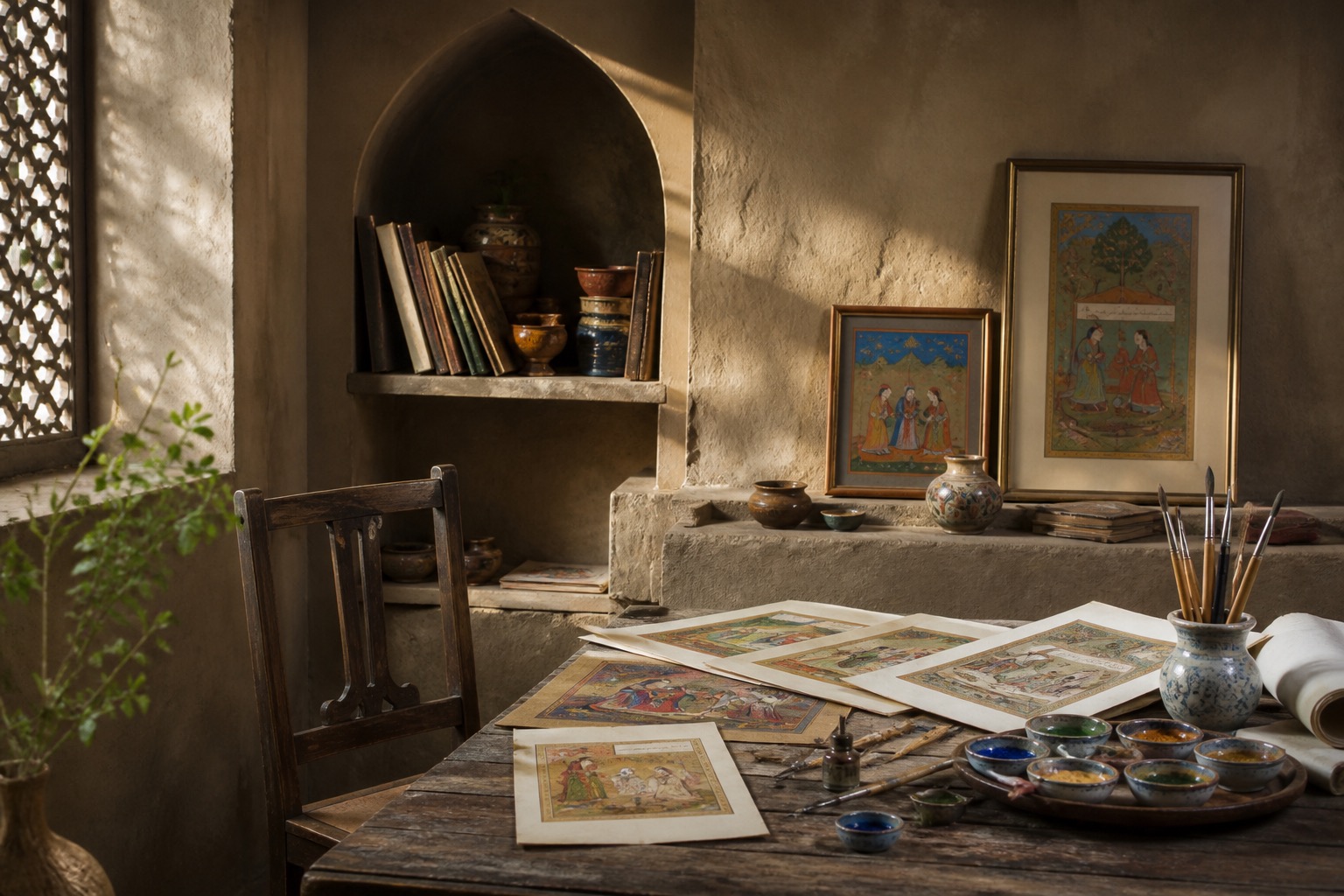
Zahoor ul Akhlaq: the artist who reshaped Pakistan's miniature debate
Mehreen Ali · 8 Sep 2026
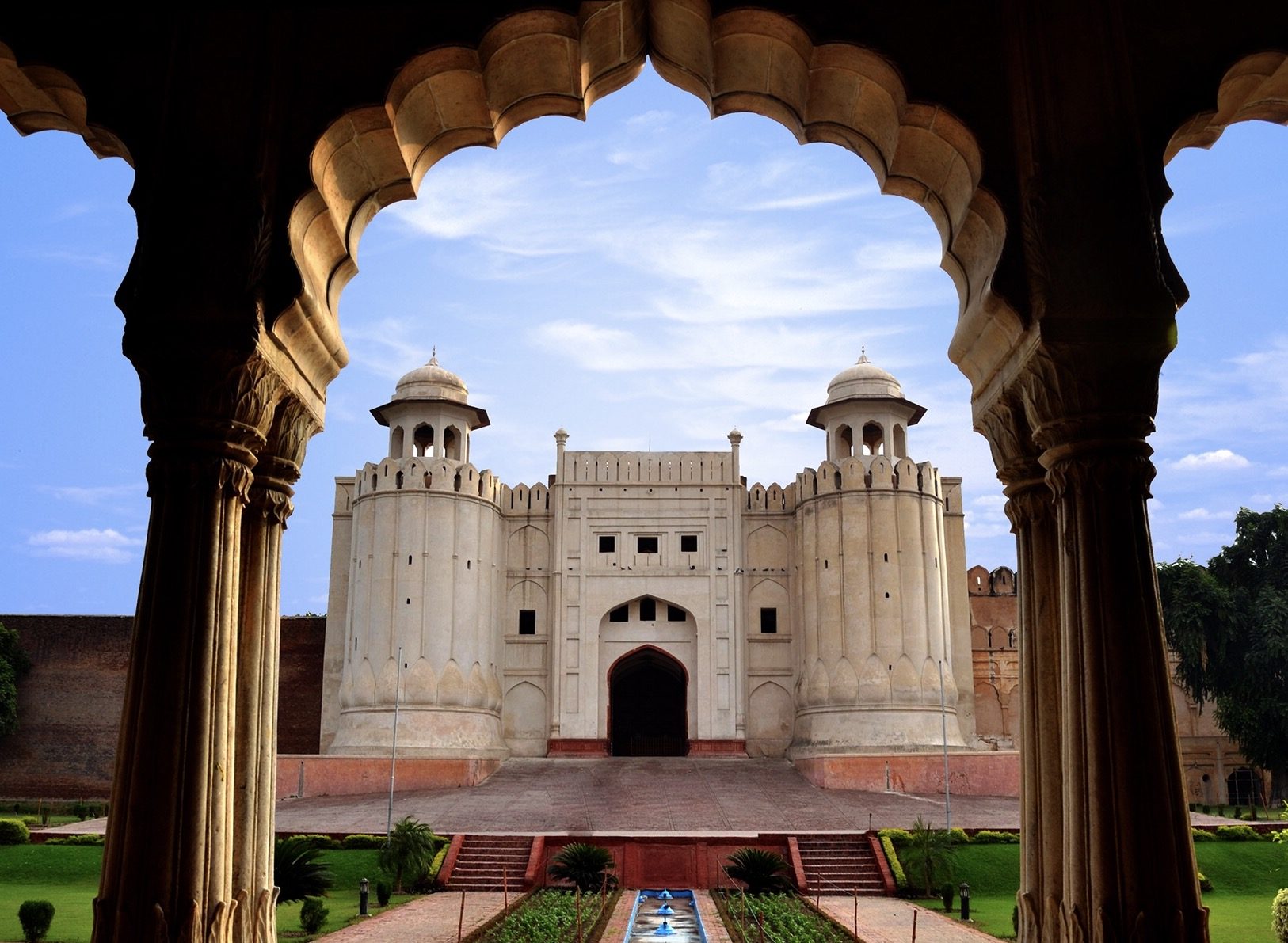
Lahore Fort is a timeline in stone: how Akbar, Jahangir and Shah Jahan changed it
Bilal Ahmed · 5 Oct 2026
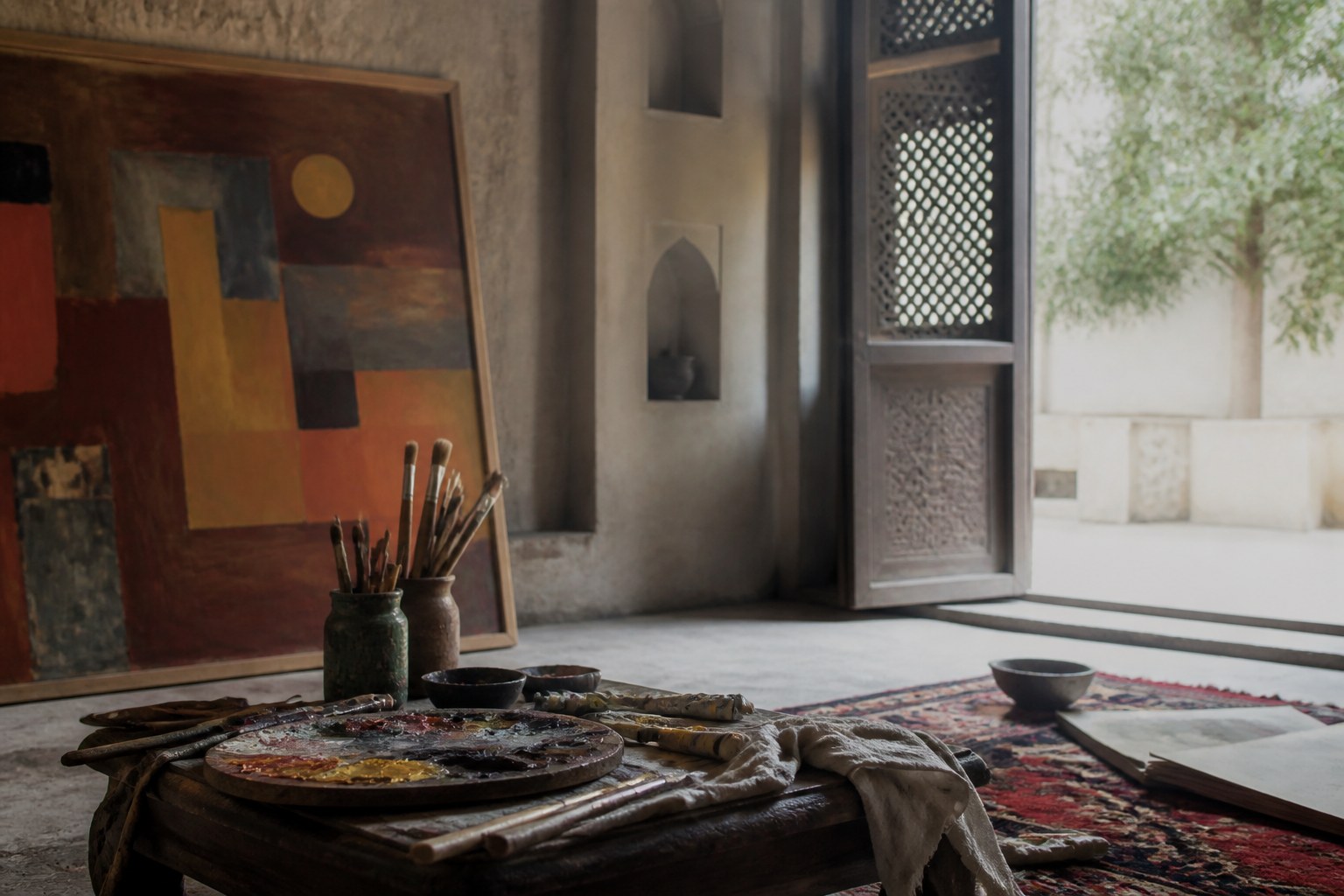
Zubeida Agha: colour and the beginnings of modern art in Pakistan
Mehreen Ali · 18 Sep 2026
Stitched, unstitched, and semi-stitched Pakistani suits explained
Mehreen Ali · 12 Jun 2026
Makli Necropolis: how to visit one of the world's largest funerary landscapes
Bilal Ahmed · 27 Oct 2026
Taxila is four cities and a Buddhist landscape: how to read the UNESCO site
Bilal Ahmed · 25 Oct 2026
Readers
The conversation
0 notes
Anyone can leave a note. Guests add a name and email — no account required, and the email is never published.
No notes yet. Yours would be the first.