Gold you can still wear the week after Eid
What to keep on the wrist and neck after Eid, what to put back in the locker, and how to talk about purity without a bazaar performance.
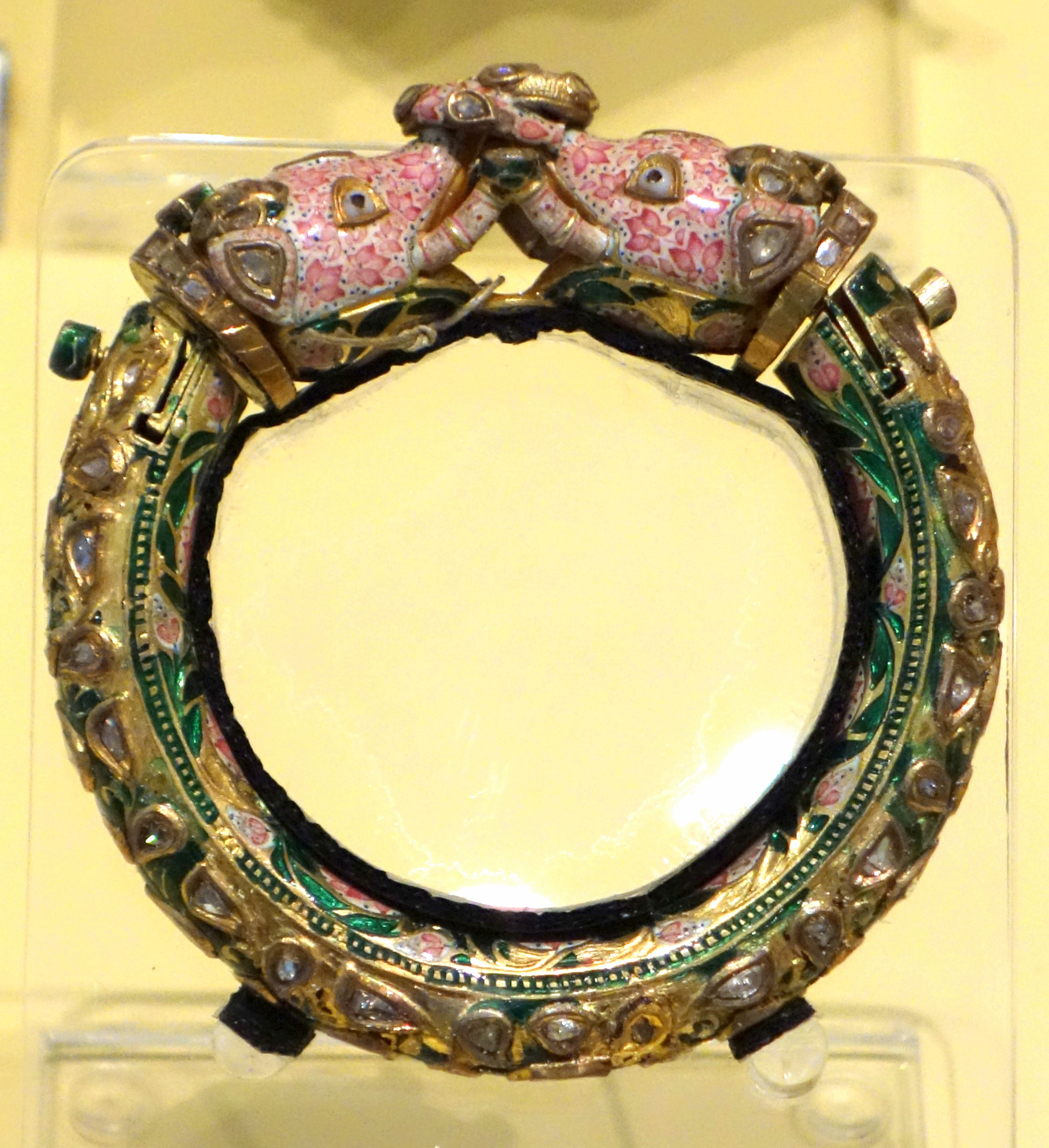
Eid gold is often bought as an event: a set that photographs, a gift that has to look like a gift, a weight that proves the week happened. Tuesday morning does not care. The kara that caught every sleeve in a lift, the jhumka that needed a second person to take off, and the set that only balances on a nikah neck will all try to come to work. Some of it can. Most of it should go back in the locker until the next occasion, without anyone calling that a failure of glamour.
The piece that earned Eid is not automatically the piece that earns a motorbike, a keyboard, and a sink of dishes.
PakStyles jewellery desk
Eid gold is often a loan to the week, not a new self
Families buy gold at Eid because it is a store of value as well as an ornament. That double job is honest. It does not mean every gram has to travel with you. After the photographs, sort the pieces by how they behave on a body that types, cooks, prays, and holds a child. A thin chain that snags is not “delicate beauty”. It is a repair bill. A wide kara that you already forget you are wearing is the weekday candidate. If you only notice a piece when it hurts, it is still in festival mode.
Do not invent a new everyday identity in twenty-four hours. If you never wear gold to the office, Eid is not a deadline to become a person who does. If you always wear a small pair of studs, you do not need to “use” the heavy set by taking it on a grocery run. Gold that stays in a locker is still yours. Display is optional. Theft risk on a Karachi or Lahore commute is not.
| Piece type | Weekday likelihood | Usual snag or risk |
|---|---|---|
| Plain kara / closed bangle | High if weight is familiar | Wide edges catching sleeves; check hinge security |
| Studs with secure backs | High | Loose butterflies; repair before commuting |
| Short chain inside a collar | Medium | Clasp failure; tangling with dupatta pins |
| Drop jhumkas / long danglers | Low for workdays | Hair, headphones, child hands, prayer movement |
| Heavy bridal-scale set | Occasion only | Weight, imbalance, theft visibility on transit |
What still makes sense on a Tuesday
Look for closed fastenings, smooth backs, and a weight you can ignore after twenty minutes. Studs, a plain kara, a short chain that sits inside a collar, a ring that does not catch dough: these are tools. Drop earrings that need hair to be done first are not tools. Anklets under office trousers are a private choice with a sound; know whether your workplace wants that sound. Men’s rings and chains have the same test as women’s: will this piece embarrass you in a handshake or a prayer line? If yes, it is still Eid jewellery.
Match metal to the clothes you actually wear after the holiday. A bridal-scale set against a cotton kameez on a bus is not a flex. It is a mismatch that makes both things look temporary. If you want gold visible on ordinary days, let one small piece do the work. The rest can wait for a dinner that asked for it.
Layering multiple thin chains looks intentional in a photograph and chaotic beside a keyboard. Prefer one clean line you can feel with a fingertip when you dress, so you notice immediately if it is missing.
Ask for an assay, not a story
Purity talk in a bazaar can become theatre. Pakistan has public assaying capacity. The Pakistan Gems and Jewellery Development Company describes hallmarking centres in Lahore and Karachi that test precious-metal articles as a third party, not as a shop selling the piece. On its initiatives pages, PGJDC presents those centres as independent from jewellery trade, offering precious-metal testing on specialised equipment as part of a wider assaying and hallmarking programme.
Published contact details for the centres (verify on the current PGJDC site before you travel) have included a Lahore address at Rana Center near the AG Office and a Karachi address at Pakistan Handicraft Chambers on Abdullah Haroon Road, Saddar. If you are buying new gold, or if a gift’s purity is now a family argument, an assay is a better sentence than a raised voice. It will not tell you whether you like the design. It can tell you what you were sold.
Do not treat a magazine as a price list. Rates move. Making charges vary. A hallmark does not make a design wearable on a Tuesday. It only reduces one kind of uncertainty. Keep invoices. Photograph pieces you store. That is household administration, not mistrust.
Storage is part of wearing
Humidity, perfume, and a shared drawer will dull a finish and tangle a chain. Separate the Eid set from the everyday studs so you are not fighting a knot at 7am. If a piece needs a jeweller after the holiday (a thin post, a failing clasp), do that before you wear it “so it doesn’t go to waste”. Wearing a broken fastening on a motorbike is how gold becomes a gutter story.
Soft pouches beat open bowls. Keep silica gel only if you already manage household storage that way; do not invent a chemistry project. The ordinary failures are mechanical: open clasps, bent posts, chains knotted with hijab pins.
Security without turning the week into fear
Visible heavy gold on crowded transit is a risk calculation families already make. You do not need a lecture. You do need a habit: one small piece outside, the rest locked; remove pieces before a late ride if your household already treats that as policy; do not announce new purchases on public social posts with your address in the background.
None of this is investment advice. Gold as savings is a family decision with risks this desk is not licensed to price. The editorial question is narrower: which pieces can go back into ordinary life without turning every doorway into a snag. Choose those. Thank the rest, and let them wait.
- Sort by snag, weight, and noise, not by how costly the week felt.
- Keep one small piece for ordinary days if you want gold visible.
- Use a public assay when purity is the actual question.
- Repair clasps before they meet a commute.
Eid can add gold to a household without adding gold to every weekday hour. Wear what your actual life will forgive. Assay what you need to know. Put the rest away without apology. Tuesday is allowed to be lighter.
Gifts, family pressure, and who decides what stays on
Eid gold often arrives as a gift with an implied instruction to display gratitude through constant wear. Gratitude and continuous wear are not the same duty. Thank the giver, photograph the piece if that is the household language of thanks, and then decide based on snag and safety what enters ordinary life.
If two relatives disagree about purity, do not settle it with raised voices over a shop counter. Use a third-party assay where the argument is actually about metal content. If the argument is about taste, no lab will help; choose wearability and stop recruiting strangers into a family aesthetic fight.
Bridal-adjacent pieces bought “because it was Eid” often fail the Tuesday test hardest. That does not make the purchase foolish if the household wanted occasion jewellery. It makes the storage decision obvious. Keep the piece for the events that match its weight.
When children receive small gold gifts, treat fastening security as the first adult job. A charm with a weak jump ring is not a cute risk on a playground. Repair or reserve it for supervised occasions.
Cleaning without folklore
Ordinary cleaning for everyday gold is mild soap, lukewarm water, a soft brush for crevices, and thorough drying before storage. Harsh kitchen chemistry and abrasive pastes can damage finishes and stones. If a piece has pearls, soft stones, or delicate enamel, stop and ask a jeweller rather than inventing a home experiment.
Perfume, sanitiser, and dishwashing are harder on everyday pieces than Eid photographs admit. Put studs and rings on after perfume has dried. Remove rings for heavy dough work if your household already loses stones that way.
Insurance and locker decisions belong to the household’s risk tolerance. This page will not invent premiums. It will say that a repaired clasp and a boring storage habit prevent more weekday disasters than a dramatic cleaning ritual.
If a piece only feels “worth it” when other people comment, it may still belong to occasion life rather than Tuesday life. Everyday gold should survive silence. The mirror check before leaving should be about security of clasps, not about collecting compliments for a festival that has already ended.
Sources and official profiles
Was this helpful?
Keep reading
Related stories
More from this desk, this beat, and the tags on this piece.
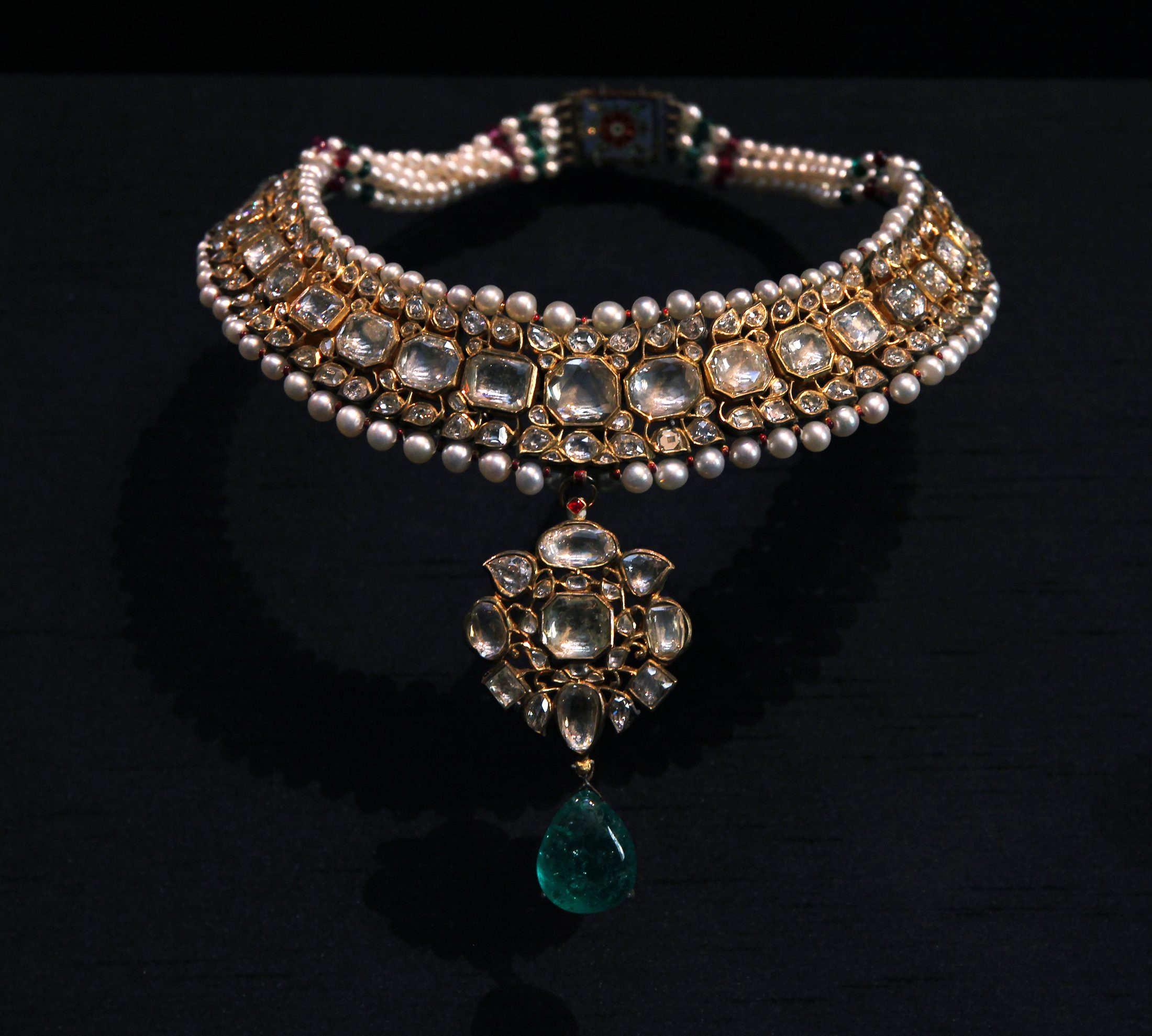
Pakistani bridal jewellery names: tikka, jhoomar, matha patti and what each piece does
Zainab Noor · 13 Oct 2026

Buying Pakistani gold jewellery in the UK: read the hallmark before the receipt
Zainab Noor · 13 Oct 2026




Readers
The conversation
0 notes
Anyone can leave a note. Guests add a name and email — no account required, and the email is never published.
No notes yet. Yours would be the first.