What the runway owed the street this season
Fashion week is theatre and research: how to tell which Pakistani runway looks can walk a real street—and which only live on a phone.
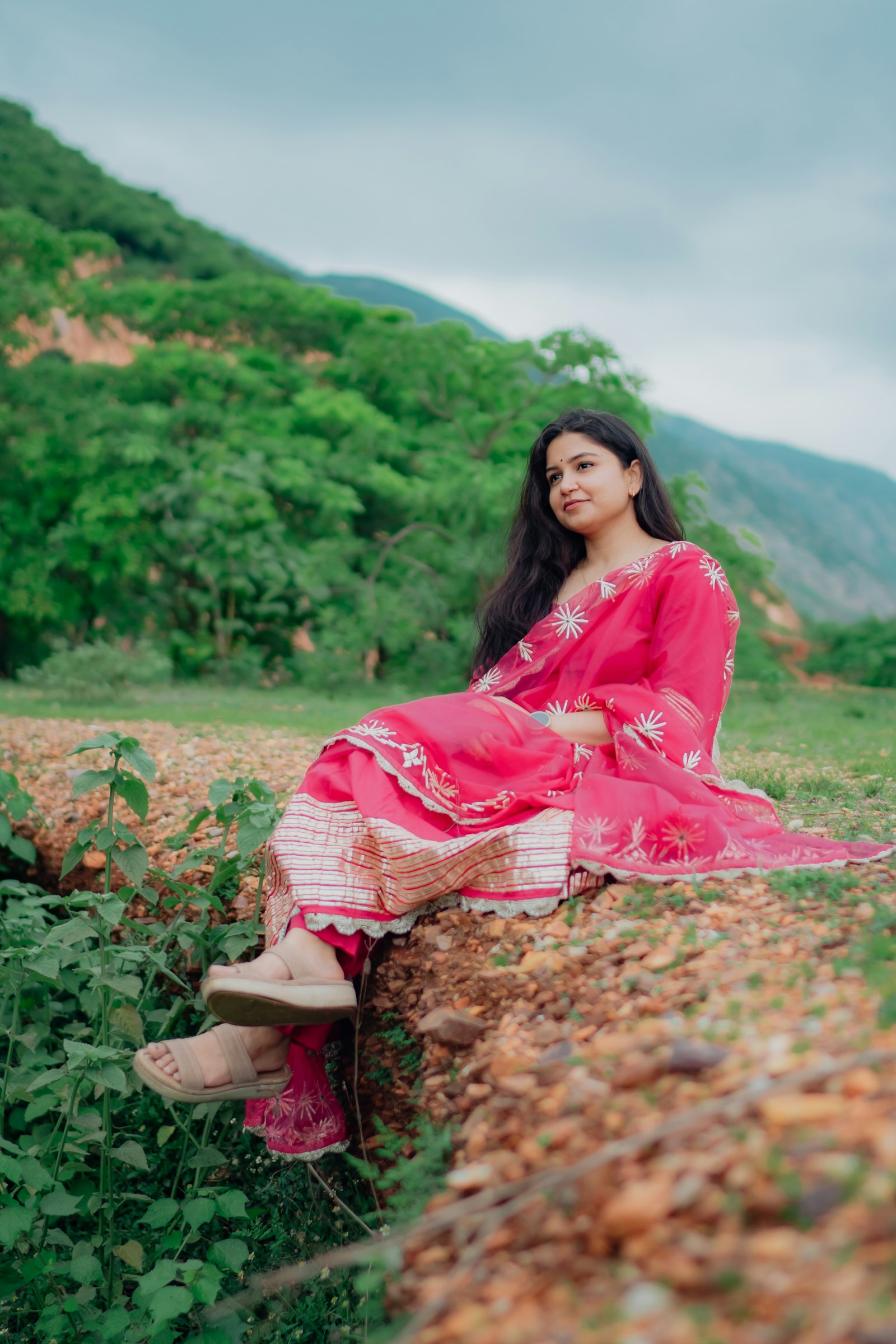
Fashion week in Karachi and Lahore is theatre and research at once. Lights, music and a walking tempo make cloth behave differently than it will on MM Alam Road or Zamzama at 8pm. The useful question after the applause is brutal: which looks become garments you can buy and wear, and which were only ever going to live on a phone?
This season-agnostic analysis explains how to read Pakistani runways without confusing spectacle for inventory. It draws on the industry’s institutional history—including the Pakistan Fashion Design Council’s long association with fashion-week formats—and on newer runway-to-retail experiments connected to digital platforms such as LAAM. Dates and line-ups change; the conversion problem does not.
What runway owes the street
Runway owes clarity about fabric behaviour, proportion ideas, and colour stories that ready-to-wear can translate. It does not owe the public every embroidered hero piece at the weight shown under cold air-conditioning. When a show ignores Karachi humidity or Lahore dust, it is fiction. Houses that look serious test cloth in the actual air their customers inhabit.
Street style, in turn, owes designers honesty about what fails: dragging hems, unlined winter jackets in June, shoes that cannot walk. The relationship should be circular. When it becomes one-way worship of the front row, wardrobes fill with unwearable souvenirs.
Bridal weeks versus prêt ideas
Bridal spectacle dominates attention because it photographs like treasure. Prêt and high-street ideas often matter more for daily life. Train your eye to separate the two inside one show schedule. A calmer waistcoat, a cleaner trouser proportion, or a wearable sleeve shape may be the true inheritance of a season even if the closing bride look trends harder.
Digital retail weeks that promise runway-to-e-tail routes can shorten the gap between image and purchase—but only if product pages tell the truth about weight, embellishment and delivery. Always verify the SKU, not the memory of a walk.
| Runway signal | Possible street translation | Likely dead end |
|---|---|---|
| Soft shoulder in menswear | Less padding in suits and waistcoats | Copying shiny costume fabric |
| Quieter bridal field | Mid-weight lehenga with movement | Buying unwearable show weight “because show” |
| Elevated everyday khussa styling | Better cobbling and cleaner ankle lines | Party shoes for market days |
| Dramatic trailing dupatta | Secure everyday drape lessons | Unanchored trails on stairs |
How to watch a show as a shopper
Take notes on sleeves, hems, shoe types and fabric hand if you can see it. Ignore celebrity seating charts. Afterward, search only for looks the brand has actually uploaded as shoppable, and compare them to the show frame. Coverage from outlets such as Dawn Images helps you recall what walked; it is not a stock checker.
If a designer refuses to say what will retail, believe them. Mystery is not exclusivity when you need an Eid outfit in three weeks.
- Shop research: proportion, cloth, colour.
- Leave theatre in the dark: impossible construction, handler-only trains.
- Check climate: humidity and dust beat studio air.
- Check shoes: runway shoes are often not city shoes.
- Check timeline: show calendars and your event calendars rarely match.
When conversion improves, the street tells you before the press release does—people repeat a jacket shape without needing a hashtag. Until then, enjoy the theatre, pay for the research, and refuse to confuse the two at the till.
Institutional memory without nostalgia traps
PFDC-associated fashion weeks helped professionalise calendars and media attention for Pakistani designers over many seasons, with Lahore historically central and Karachi also part of the wider circuit in various years. That history matters because it created shared language among buyers, editors and houses. It does not mean every subsequent event with “fashion week” in the title offers the same curation quality.
Newer formats emphasising e-commerce conversion should be judged on logistics: returns, size accuracy, photography honesty and whether craftworkers are given time to produce what the runway implied. Speed can exploit artisans as easily as it can delight customers.
Students and emerging designers often show ideas that will take years to become commercial. That is healthy. Consumers should not punish a graduate show for not being a mall rack, and brands should not pretend a commercial rack is avant-garde simply because it borrowed a graduate’s silhouette.
International buyers looking at Pakistani craft should ask about labour timelines and material sourcing rather than only about exoticism. Embroidery that looks effortless on a catwalk is not effortless in a workshop.
For the ordinary reader, the discipline is simple. Save three images maximum from a season. Translate them into measurements and fabric notes. Walk your own street. If the translation fails, the loss is a lesson, not a personal fashion failure.
Photography literacy
Phone cameras flatten texture and exaggerate glitter. What looked embroidered in a clip may be print; what looked matte may be shiny in daylight. Whenever possible, see fabric in person or order from retailers with honest return policies. Influencer front-row content is entertainment. Inventory pages are evidence.
Students and first-job budgets
You do not need to buy a season to learn from it. Borrow proportion ideas: sleeve width, trouser crop, jewellery scale. Spend money on shoes and one tailored staple rather than on a discounted embroidered piece that only works at fashion-week afterparties you do not attend.
If you sew, runway can be a pattern lesson—grainlines, facing choices, how a slit is reinforced. Copying a look exactly without skill or rights can waste cloth. Use shows as education, then draft for your body.
Press rooms and buyers see racks the public does not. Ordinary readers should not feel excluded by that; they should simply refuse to overpay for the fantasy of access. The street remains available every evening as a free classroom.
Mark your calendar for end-of-season sales only if you already know your gaps. Sales that fill wardrobes with unconverted runway echoes are not savings.
Designers naming craft clusters and techniques help education; designers hiding construction behind fog machines do not. Reward clarity with your attention even when you cannot afford the garment.
Detail check 1 for 07: compare stitching on both sides of a garment or shoe, ask how it should be cleaned, and walk for ten minutes before committing. Small verification habits prevent expensive mistakes more reliably than waiting for a seasonal trend article to validate your choice.
Finally, remember that Pakistani fashion weeks exist inside an export-oriented textile economy and a domestic celebration economy at once. The runway speaks to both, sometimes incoherently. Your job as a reader is to translate only what your life can hold.
When in doubt, leave the show look in the show. Buy the jacket shape, the calmer skirt, the shoe you can walk in. That is what the runway owed the street all along.
Buy fewer pieces and wear them harder. The street already knows which look could walk.
Sources and official profiles
Filed under
Was this helpful?
Keep reading
Related stories
More from this desk, this beat, and the tags on this piece.
Readers
The conversation
0 notes
Anyone can leave a note. Guests add a name and email — no account required, and the email is never published.
No notes yet. Yours would be the first.